

Origin: Singapore
Singapura
Get reminders for your Singapura's vaccines
Vaccination and parasite reminders, food-safety scans and health records — free to start in the Pethls app.


Good for
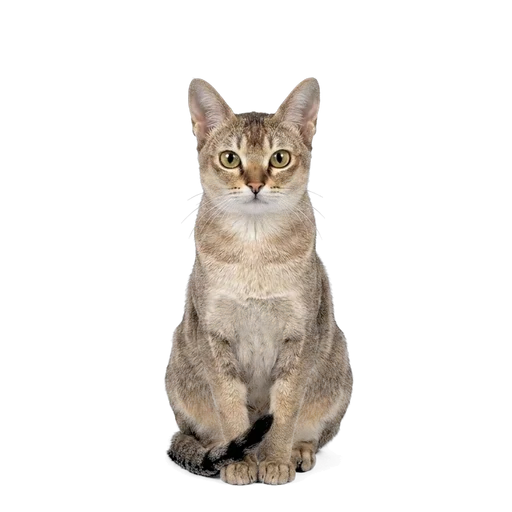
The Singapura is often called the smallest cat breed, a tiny bundle of curiosity with enormous eyes and a warm ticked coat. Do not let the size fool you; there is a big, busy personality packed into a two to three kilogram frame. Singapuras want to be in the middle of everything, riding on a shoulder, supervising the keyboard, or peering over the edge of the counter. They are affectionate, playful, and endlessly nosy about whatever their people are doing. This is a cat that treats you as its entire world and expects to be treated the same way.
Temperament & personality
Singapuras are people cats through and through. They are curious about every drawer, bag, and open door, and they want to inspect whatever you are holding. Many ride around on shoulders, tuck into laps, and insert themselves into any activity, which makes them wonderful company, though they do ask for a lot of your attention.
Despite their small size, they stay playful and kitten-like well into adulthood. They love climbing, interactive toys, and games that involve their favorite person. A bored Singapura will invent its own entertainment, so cat trees, puzzle feeders, and daily play sessions keep that clever brain occupied.
They do not like being alone. A Singapura left by itself all day tends to become lonely and unhappy, so they suit homes where someone is often around or where there is another friendly pet for company. Gentle and affectionate with their family, they usually warm to visitors once the initial curiosity settles.
Vaccination schedule
Singapura kittens follow the standard feline core schedule. FVRCP (feline viral rhinotracheitis, calicivirus, and panleukopenia) begins at 6 to 8 weeks and is repeated every 3 to 4 weeks until the kitten is at least 16 weeks old. Because these kittens are so small, work closely with your vet on timing, but do not skip that final booster past 16 weeks.
Rabies is given once between 12 and 16 weeks according to local law and the vaccine used. Core vaccines are then boosted at one year and afterward every 1 to 3 years depending on the product and your cat's exposure.
FeLV (feline leukemia) is recommended for cats that go outdoors or share space with cats of unknown health status. Most Singapuras are cherished indoor cats, which reduces this risk, so talk with your vet about whether FeLV fits your particular cat.
Best food & diet
The Singapura is tiny, often just 1.8 to 3.5 kilograms, so portions are small and accuracy counts. Even a little extra food adds up quickly on such a small body. Feed a complete and balanced diet that meets AAFCO or FEDIAF standards, centered on quality animal protein, and measure meals instead of free-feeding.
This is a small breed, but kittens still need a kitten formula through roughly their first year. Adults do well on measured meals once or twice daily. Because they are active and playful, they burn energy readily, yet an indoor lap cat can still gain weight, so check body condition regularly.
Wet food helps with hydration and urinary health and is easy for a small mouth to manage. Keep fresh water available at all times, and introduce any diet changes gradually. Given how involved Singapuras are in family life, they will happily beg from the table, so keep treats and scraps to a minimum.
Common health problems
Pyruvate kinase deficiency is an inherited anemia found in the breed. Cats lacking this red-blood-cell enzyme can sometimes develop intermittent weakness, pale gums, and lethargy as their bodies destroy red cells too quickly. A DNA test reveals whether a cat is clear, a carrier, or affected, and reputable breeders screen for it.
Progressive retinal atrophy is a rare inherited condition in which the retina degenerates gradually, and when it does occur it can progress to vision loss over time. Cats cope well with slow sight loss in a familiar home, and DNA and eye screening of breeding cats helps keep the risk down in future litters.
Uterine inertia, where the uterine muscle fails to contract strongly enough during labor, is a concern specific to breeding queens. The breed's small size adds to the difficulty, since a narrow pelvis can obstruct delivery, and together these can make natural birth hard and sometimes require a cesarean. This mainly matters to breeders, but it is part of why Singapura litters tend to be small and why breeding these cats takes real veterinary support.
One practical everyday note: Singapuras dislike the cold. Their small size and short coat mean they lose heat easily, so they seek out warm laps, sunny windowsills, and cozy beds. Provide warm resting spots, especially in winter, and do not be surprised to find your cat burrowed under a blanket.
Allergies & skin
The Singapura's short, fine, ticked coat is easy to keep healthy, but the skin can still react to fleas, food, or environmental triggers. Flea allergy is the most common feline skin problem, and a sensitive cat can react strongly to just one or two bites with scratching and overgrooming.
Look for signs like bald spots from licking, small scabby bumps along the back, or irritation around the face and ears. Food allergies usually cause year-round itching, sometimes with digestive signs, and are diagnosed with a carefully run elimination diet rather than a quick blood test. Pinning down the trigger often takes some patience and a methodical approach.
Singapuras are not hypoallergenic. The short coat and low shedding may mean somewhat less loose hair around the home, but they still produce the Fel d 1 protein responsible for most human cat allergies. Anyone with allergies should spend time with the breed before bringing one home.
Flea, tick & worm prevention
Use only flea and tick products formulated for cats, and never one made for dogs. Permethrin, common in canine spot-ons, is severely toxic to cats and can cause tremors, seizures, and death. If you also have a dog treated with permethrin, keep your Singapura well away until the product has dried completely.
Because Singapuras are so small, dosing of any parasite product must match their light body weight precisely, so use a vet-recommended, cat-safe preventive rather than guessing. Most Singapuras live indoors, but fleas still arrive on clothing and other pets, and any outdoor access raises the need for consistent, year-round coverage that includes ticks.
For worming, kittens are treated early on a schedule, and adults need routine deworming for roundworms and tapeworms, with tapeworm risk tied to fleas. An indoor-only Singapura usually needs less frequent worming than an outdoor cat, and the right interval depends on your cat's actual lifestyle.
Medications & dosing
With a cat this small, precise dosing is critical. Medication is calculated by body weight, and on a 2 kilogram cat there is very little margin for error. Always have your Singapura weighed and let the vet determine the exact dose rather than estimating from a label meant for average-sized cats.
Never give human medicines without veterinary direction. Paracetamol (acetaminophen) and ibuprofen are fatal to cats in tiny doses, and cats break down many drugs differently from dogs and people. A prescription left over from another pet is not a safe shortcut and can be dangerous on such a small frame.
Give the full course of any antibiotic even after your cat perks up, and never stop a long-term medication without checking first. If dosing a small cat is tricky, ask about flavored compounded liquids or pill pockets, which are often easier and gentler than trying to pill a squirming Singapura by hand.
Grooming & coat care
Grooming a Singapura takes almost no effort. The short, fine, ticked coat lies close to the body, sheds very little, and stays glossy with a quick weekly brush or a rub with a grooming glove to lift loose hair. There is no bulky undercoat to worry about, so mats are not a concern.
Bathing is rarely needed, and a damp cloth handles the occasional grubby patch. Since Singapuras crave attention, many treat a brushing session as one more chance to be close to their person, which makes coat care an easy, pleasant routine rather than a chore.
Keep up the rest of the basics: check the ears for wax, trim the small nails every couple of weeks, and brush the teeth regularly to guard against dental disease. Because these cats feel the cold, a warm, draft-free spot to rest is as much a part of their care as any grooming step.
How the Singapura compares
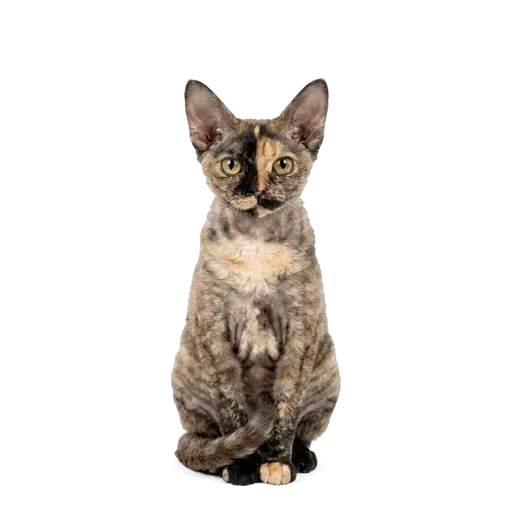
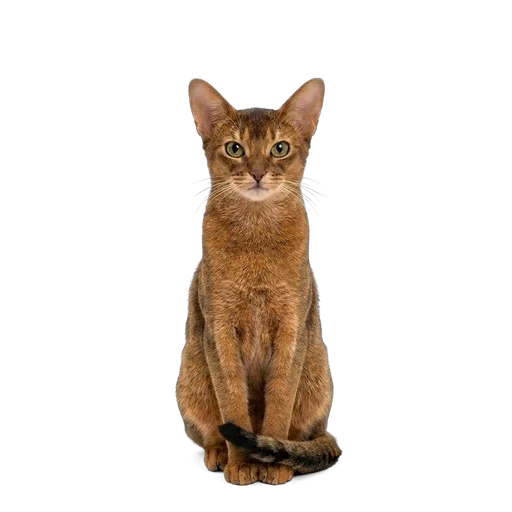
Deciding between similar breeds? Here is the Singapura next to Devon Rex and Abyssinian.
| Singapura | Devon Rex | Abyssinian | |
|---|---|---|---|
| Size | Small | Small | Small |
| Weight | 1.8-3.5 kg | 3-5 kg | 3-5 kg |
| Lifespan | 11-15 yrs | 9-15 yrs | 12-15 yrs |
| Activity | Active | Active | Active |
| Shedding | Low | Low | Low |
| Good with kids | Yes | Yes | Yes |
| Apartment-friendly | Yes | Yes | Yes |
Frequently asked questions
Is the Singapura really the smallest cat breed?
It is often described that way. Adults typically weigh just 1.8 to 3.5 kilograms, noticeably smaller than most domestic cats, though they still have plenty of energy and personality packed into that little body.
Do Singapuras get along with other pets?
Generally yes. They are social and dislike being alone, so a companion cat or a friendly dog can be a good match. Introduce new pets slowly and give the small Singapura safe high spots to retreat to.
Why does my Singapura seek out warm spots?
Their small size and short coat mean they lose body heat easily, so they gravitate to laps, sunny windows, and blankets. Provide warm, cozy resting places, especially in cold weather, to keep them comfortable.
Are Singapuras hypoallergenic?
No. They shed little and have a short coat, but they still produce the Fel d 1 allergen that triggers most cat allergies. Spend time around the breed before committing if anyone in the home is allergic.
What should I ask a Singapura breeder about health?
Ask for DNA testing for pyruvate kinase deficiency and screening related to progressive retinal atrophy. For breeding queens, uterine inertia is a known risk, which is one reason careful, vet-supported breeding matters in this small breed.
Related breeds
Health and care information is drawn from established veterinary sources and is general guidance, not veterinary advice. See our sources
Keep records for your Singapura
Vaccinations, food and treat safety, allergy alerts and parasite reminders - all tracked for your Singapura in the Pethls app.