


Origin: Turkey
Turkish Vankedisi
Get reminders for your Turkish Vankedisi's vaccines
Vaccination and parasite reminders, food-safety scans and health records — free to start in the Pethls app.


Good for
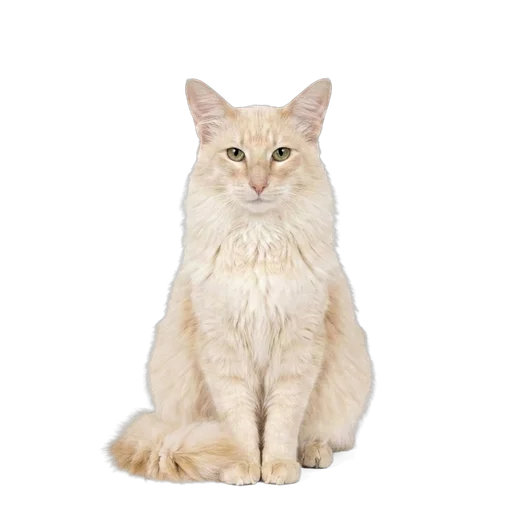
The Turkish Vankedisi is the all-white form of the Van cat, treasured for centuries around Lake Van in eastern Turkey and sometimes born with odd eyes, one blue and one amber. It shares the Turkish Van's build and character: a large, athletic cat of 3 to 8.5 kg, strong-willed, endlessly playful and famously drawn to water. The chalk-white semi-long coat is silky and carries no undercoat, so it mats far less than it looks like it should. One thing every prospective owner must know upfront: all-white cats carry a high rate of congenital deafness, especially those with blue eyes, so a hearing check belongs on the buying checklist. With sensible care these cats commonly live 15 to 16 years.
Temperament & personality
Vankedisi are big, boisterous and opinionated. This is a cat that leaps to the top of the wardrobe from a standing start, dunks its paw in your water glass, and decides for itself when cuddle time begins and ends. Many prefer sitting beside you to sitting on you, and most dislike being picked up and carried, which is worth teaching children early.
The water obsession is real and inherited from the Van cat line. Owners report cats that paddle in the bath, fish toys out of the sink and sit fascinated by a running tap. Keep the toilet lid down, supervise around full bathtubs, and accept that a fountain-style water bowl will double as entertainment.
They are clever and strong-willed, a combination that rewards experienced owners. A Vankedisi learns door handles, fetch and its own name quickly, and it learns which shelf you do not want it on just as quickly, filing that away for later. Consistent play outlets, tall climbing furniture and daily interactive sessions keep the mischief channel constructive.
With other pets they are usually fine after proper introductions, though some are bossy and want top spot in the hierarchy. They do well with respectful children who enjoy active play; this is a cat that will chase a wand toy until the child gives up first.
Vaccination schedule
Core vaccination for a Vankedisi kitten follows the standard feline plan. FVRCP (panleukopenia, herpesvirus, calicivirus) starts at 6 to 8 weeks, repeats every 3 to 4 weeks, and finishes with a dose at 16 weeks or later. A one-year booster follows, then a one-year or three-year cycle depending on the vaccine and your vet's judgment.
Rabies is given between 12 and 16 weeks according to local regulations, with a booster a year later and then per label. If you plan to travel with the cat, especially internationally, rabies paperwork and timing get strict, so plan ahead.
FeLV vaccination is for cats with outdoor access or exposure to cats of unknown status. Here the deafness question feeds directly into the vaccine plan: a deaf Vankedisi should live strictly indoors for its own safety, and a confirmed indoor-only cat can often skip FeLV boosters after the kitten series. A hearing cat with supervised garden access should keep FeLV current. Track the schedule in a health log so the 16-week finisher and annual boosters do not slip.
Best food & diet
This breed spans a wide weight range, roughly 3 kg for a small female up to 8.5 kg for a big male, so feed the cat in front of you rather than the bag's generic chart. Large males may need 300 kcal or more per day while a petite female needs far less; body condition score is the guide. You should feel ribs easily under a slight fat cover.
Vankedisi mature slowly, often taking 3 or more years to reach full size and coat. Feed a quality kitten formula for the first year, then a meat-first adult diet. The slow maturation means a lanky two-year-old is normal, not underfed.
These are high-energy athletes, though activity naturally tapers as a cat gets older. Reassess portions whenever lifestyle changes, and weigh monthly. Wet food or a mixed feeding plan supports hydration, and this water-loving breed usually takes to it happily.
Common health problems
The headline issue is congenital deafness. The gene that produces the all-white coat is linked to degeneration of the inner ear, and rates of deafness in one or both ears are high in all-white cats, higher still when the eyes are blue. Odd-eyed cats may be deaf on the blue-eyed side only. This is present from birth and does not progress or improve.
A BAER (brainstem auditory evoked response) test is the only reliable way to know; kittens can be tested from about 6 weeks. Good breeders test and disclose. A deaf Vankedisi can live a full, happy life indoors with hand-signal training and vibration cues, but must never roam freely: it cannot hear cars, dogs or danger.
Beyond hearing, the breed is considered sturdy. Like many cats, a Vankedisi can develop hypertrophic cardiomyopathy, so a vet listening to the heart at every annual visit, with an echocardiogram if a murmur appears, is a reasonable annual check. Otherwise expect the ordinary feline list: dental disease, obesity in inactive cats and age-related kidney decline.
White ears and noses also burn in strong sun. As with any white-coated cat, prolonged sun on the ear tips carries a long-term skin cancer risk, another argument for indoor living or shaded, supervised outings.
Allergies & skin
The Vankedisi is not hypoallergenic. Fel d1 production is normal, and the semi-long coat gives allergen plenty of surface to ride on. Allergic households should test their reaction to an adult before falling for an odd-eyed kitten photo.
The chalk-white coat shows everything: flea dirt, dandruff, discharge stains around eyes and any pink, inflamed skin. Pink, scaly or crusty ear tips in a cat with sun exposure need a vet look, since white ears can run into solar damage that may progress to squamous cell carcinoma over years.
Flea allergy dermatitis, the most common allergic skin disease in cats, shows up as scabby bumps along the back and tail base and is dramatic against white fur. Year-round flea prevention prevents most of it. Persistent face and neck itching or recurrent ear infections without fleas point toward food or environmental allergy, which a vet can work up with an elimination diet or further testing.
Flea, tick & worm prevention
Choose a product licensed for cats and dose by the cat's actual weight, which matters in a breed running from 3 to 8.5 kg; a big male may need the largest cat-size pipette while a small female needs the smallest. Vet-recommended options include selamectin, fluralaner and fipronil-based spot-ons. Never use a dog permethrin product on a cat. Permethrin causes fatal seizures in cats, and even sleeping next to a freshly treated dog can poison them.
Indoor cats, including deaf Vankedisi kept inside for safety, still get fleas via clothing, visitors and other pets, so year-round cover is the default. Add tick protection if the cat has garden access, and check white fur after outdoor time; ticks are at least easy to spot on this coat.
Worming follows the usual feline plan: kittens every 2 weeks from 3 to 8 weeks of age, then monthly until 6 months, then every 1 to 3 months as adults depending on lifestyle. Cats that hunt or have had fleas need tapeworm cover included. Log products and dates in a health log. A couple of missed months is usually all it takes for fleas to take hold.
Medications & dosing
All dosing is weight-based and vet-directed, and with this breed the weight spread makes that non-negotiable. A dose right for an 8 kg male could be double what a 3.5 kg female should get. Weigh before every new prescription and at every repeat of long-term medication, since Vankedisi keep growing for around 3 years.
The feline no-go list applies in full: no paracetamol ever, no ibuprofen or other human anti-inflammatories, no dog flea products, no essential-oil remedies. Cats lack the liver pathways to clear these safely. If the cat seems in pain, call the vet rather than the medicine cabinet.
One breed-specific tip: medicating a deaf cat goes better when you do not startle it. Approach within its field of vision, touch gently before handling, and pair pilling with a routine and a treat. For strong-willed individuals, ask the vet about flavored compounded liquids or long-acting injectables instead of daily tablet battles. Keep the schedule in a health log so multi-person households do not double-dose.
Grooming & coat care
The semi-long white coat is silkier and simpler than it appears because it has no woolly undercoat. Brush twice a week with a comb or slicker, working through the britches, tail plume and behind the ears where the coat is longest. The coat thickens noticeably in winter and thins in summer, so expect a heavier shedding period at the spring change and brush more often then.
Bathing is rarely needed for coat health, but this is the breed where a bath is not a crisis. Many Vankedisi tolerate or actively enjoy water, and the low-oil coat dries fast. Use a mild cat shampoo, lukewarm water and keep it occasional; the white coat resists staining better than most owners expect.
Round out the routine with nail trims every 2 to 3 weeks, weekly ear checks (white ears show wax and irritation clearly) and tooth brushing with feline toothpaste as often as the cat permits. For a cat with any outdoor time, ask your vet about pet-safe sun protection for ear tips, or simply schedule outdoor access outside peak sun.
How the Turkish Vankedisi compares
Deciding between similar breeds? Here is the Turkish Vankedisi next to Aegean and Oriental Longhair.
| Turkish Vankedisi | Aegean | Oriental Longhair | |
|---|---|---|---|
| Size | Medium | Medium | Medium |
| Weight | 3-8.5 kg | 3-4.5 kg | 2.5-5.5 kg |
| Lifespan | 15-16 yrs | 9-12 yrs | 12-15 yrs |
| Activity | Active | Active | Active |
| Shedding | Medium | Medium | Low |
| Good with kids | Yes | Yes | Yes |
| Apartment-friendly | Yes | Yes | Yes |
Frequently asked questions
What is the difference between a Turkish Van and a Turkish Vankedisi?
Same regional cat, different coat. The Turkish Van has the classic white body with colored head and tail markings; the Vankedisi is the all-white variety, the form most prized in its homeland around Lake Van. Build, athleticism, love of water and temperament are essentially shared.
Are all Turkish Vankedisi deaf?
No, but the risk is high. The all-white coat gene is linked to inner-ear degeneration, and deafness in one or both ears is common, more so in blue-eyed and odd-eyed cats. A BAER hearing test, available from about 6 weeks of age, gives a definitive answer. Ask the breeder for results before purchase.
Can a deaf cat live a normal life?
A good one, yes, with adjustments. Deaf cats learn hand signals, follow vibration and light cues, and bond normally. The firm rule is indoor living, because a deaf cat cannot hear traffic or predators. Approach within their line of sight to avoid startling them.
Do Turkish Vankedisi really like water?
Most do, which is rare among cats. The trait comes from the Van cat line, sometimes called the swimming cats of Lake Van. Expect paw-dipping in water bowls, fascination with taps and the occasional voluntary paddle. Supervise around full tubs and pools all the same.
Is this breed suitable for a first-time cat owner?
It is a stretch. Vankedisi are large, energetic, clever and strong-willed, and a possibly deaf cat adds training considerations. Owners who commit to daily play, climbing space and patient handling do well; anyone wanting a placid lap cat should look elsewhere.
Related breeds

Health and care information is drawn from established veterinary sources and is general guidance, not veterinary advice. See our sources
Keep records for your Turkish Vankedisi
Vaccinations, food and treat safety, allergy alerts and parasite reminders - all tracked for your Turkish Vankedisi in the Pethls app.