

Origin: Russia
Ussuri
Get reminders for your Ussuri's vaccines
Vaccination and parasite reminders, food-safety scans and health records — free to start in the Pethls app.


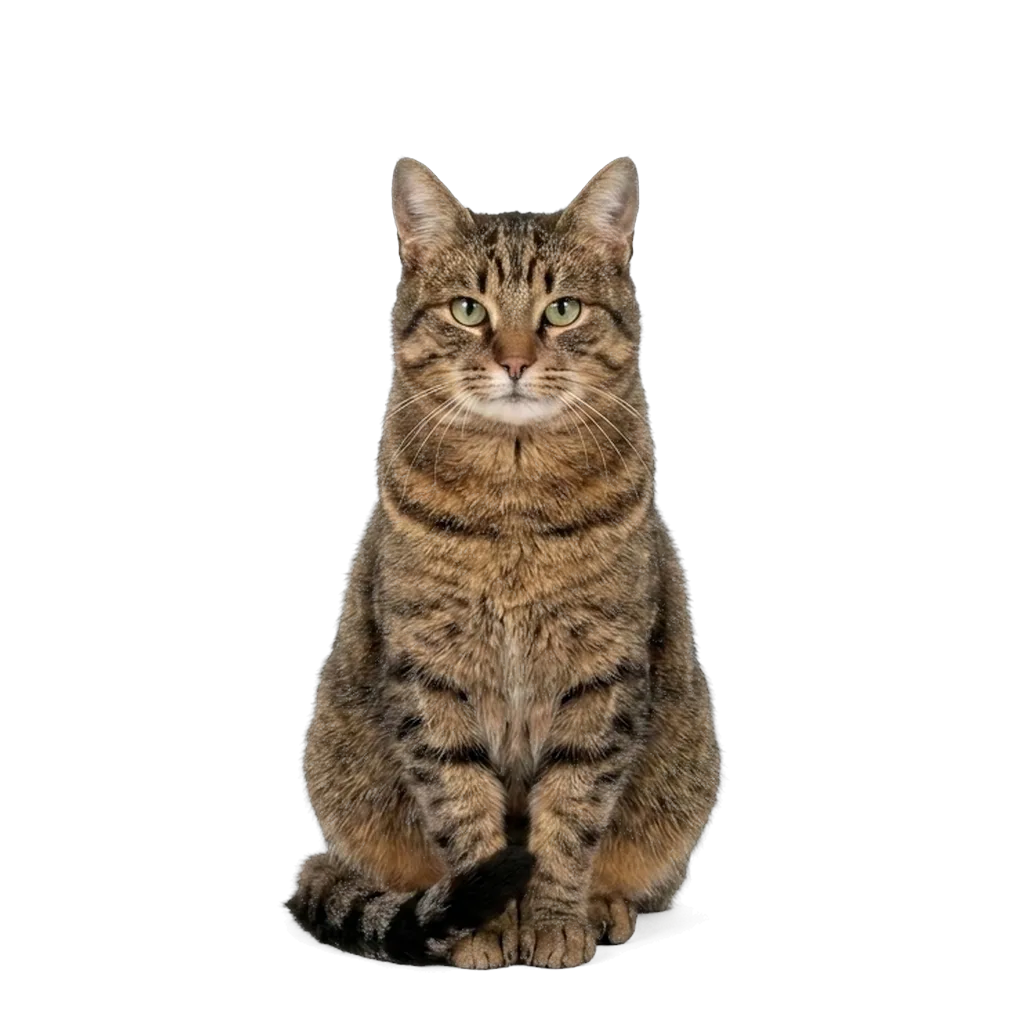
The Ussuri is one of the rarest and least-documented cat breeds, a natural breed from the Amur river region of far eastern Russia. Some Russian sources describe it as tracing back to old crosses between local domestic tabbies and wild forest cats, though no genetic study confirms this. Either way it looks the part: a compact, muscular tabby of roughly average domestic size with a short, dense coat built for cold winters. This is not a lap cat. Ussuris are independent, athletic and playful hunters that bond closely with one or two people and keep polite distance from everyone else. With good care they are thought to live around 12 to 15 years, though the breed is too scarce for reliable figures, and finding one outside Russia is close to impossible.
Temperament & personality
Think of the Ussuri as a cat that never fully signed the domestication contract. It is watchful, self-possessed and quiet, more interested in patrolling its territory than in following you from room to room. Owners in Russia describe cats that choose one or two people, greet them warmly, and treat visitors like weather: something to be tolerated from a high shelf.
The hunting drive is serious. An Ussuri left without an outlet will invent one, and your household may not enjoy its choices. Rodents, birds, insects, a sock dragged behind a door, all of it registers as prey. Daily interactive play with wand toys, a rotating box of puzzle feeders and safe outdoor access or a large catio go a long way toward keeping this cat settled.
This is the wrong breed for a busy family home with toddlers, frequent guests and a dog underfoot. It is the right cat for a calm household, ideally with land or secure outdoor space, and an owner who respects a cat that shows affection on its own schedule. Once that trust exists, an Ussuri is loyal in a way few breeds match.
Vaccination schedule
Rare breed or not, the Ussuri needs the same core protection as every cat. Kittens start the FVRCP vaccine (feline viral rhinotracheitis, calicivirus and panleukopenia) at 6 to 8 weeks of age, with boosters every 3 to 4 weeks until they are at least 16 weeks old. That final booster matters: maternal antibodies can block earlier doses, so stopping the series too soon leaves a gap.
Rabies is given once between 12 and 16 weeks, then boosted per your vet's schedule and local law. In Russia, where most Ussuris live and where wildlife rabies is a genuine concern, this vaccine is not optional for a cat with any outdoor access.
FeLV (feline leukemia) vaccination is recommended for all kittens and for any adult that goes outdoors or meets other cats. Given how strongly Ussuris push for outdoor time, most will qualify. Adults then move to boosters every one to three years depending on the product used and the cat's exposure risk. Keep a written record of each dose so a booster does not slip past its due date.
Best food & diet
Feed the Ussuri like the athlete it is: a high-protein, meat-first diet, either a complete commercial food formulated for active adult cats or a vet-supervised raw or cooked plan. A working cat that actually uses its muscles will need noticeably more calories than a sedentary house cat of the same weight, so feed to body condition rather than to the bag's chart.
Kittens should stay on a growth formula until roughly 12 months, since this is a slow-maturing natural breed. Watch males in particular; they can look lean while quietly filling out through the second year.
Cats that hunt outdoors will supplement themselves whether you approve or not, which is one more reason parasite prevention has to be consistent. Fresh water should always be available, and many Ussuris drink better from a moving source like a fountain. Skip cow's milk entirely; most adult cats digest it poorly.
Common health problems
Here the news is good. The Ussuri is a landrace-style natural breed shaped by climate rather than by a narrow show-ring gene pool, and no breed-specific hereditary diseases have been documented. Because the breed is so rare, that clean record also reflects how few cats have been formally studied.
Practical care therefore looks like solid general cat medicine. Annual vet exams, dental checks, since tartar and gingivitis affect every breed, weight monitoring and up-to-date vaccines and parasite control cover most of the risk. Outdoor-roaming cats face additional hazards: bite wounds and abscesses from territorial fights, road traffic, and infectious diseases such as FIV and FeLV picked up from strange cats.
Neutering is worth discussing early with your vet unless you are working with a Russian registry on a breeding program. Intact Ussuri males roam hard and fight harder, and both behaviors shorten lives. Expect a healthy, well-managed cat to reach 12 to 15 years, sometimes more.
Allergies & skin
The Ussuri is not hypoallergenic. Its short double coat sheds moderately year-round with heavier spring and autumn molts, and like all cats it produces the Fel d 1 protein in saliva and skin oils that triggers most human cat allergies. Allergy sufferers should spend real time with the breed before committing, which given its rarity is a challenge in itself.
The cat's own skin is generally sound. The dense, weatherproof coat evolved for Amur winters and resists matting and minor scrapes well. When skin trouble does appear, flea allergy dermatitis is the usual suspect, especially in cats with outdoor access; a single flea bite can set off weeks of itching in a sensitized cat, so year-round prevention doubles as skin care.
Check an outdoor Ussuri over weekly. Run your hands along the spine, tail base, chin and ears feeling for scabs, crusts or thin patches, and part the fur to look for flea dirt. Persistent scratching, overgrooming a patch bald, or circular hairless lesions (a ringworm signature) all warrant a vet visit rather than a wait-and-see approach.
Flea, tick & worm prevention
An outdoor-loving hunter in a forested region is a parasite magnet, so prevention needs to be year-round and non-negotiable. Use a cat-licensed product only: spot-ons or chews containing fipronil, selamectin, fluralaner or similar actives, dosed by weight. Never apply a dog flea or tick product containing permethrin to a cat. Permethrin is severely toxic to cats and exposure is a veterinary emergency.
Ticks deserve special attention with this breed. The Amur region, like most temperate forest zones, carries tick-borne disease, and an Ussuri working the undergrowth will collect passengers. Choose a preventive with proven tick efficacy and still do a fingertip check after outdoor days, paying attention to the head, neck, armpits and between the toes. Remove any tick with a twisting tick hook, not bare fingers.
Worming has to match the lifestyle. A cat that eats rodents and birds is recycling tapeworm and roundworm on a schedule of its own, so hunters typically need deworming every one to three months rather than the twice-yearly rhythm that suits indoor cats. Ask your vet to build the protocol, and consider an annual fecal test to confirm it is working. With monthly products, memory is the weak link, so keep the treatment dates written down somewhere you will check.
Medications & dosing
Every medication an Ussuri receives should be dosed by current body weight and directed by a vet. A larger male needs a meaningfully different dose than a smaller female, and guessing splits the difference badly in both directions. Weigh the cat before starting anything new; kitchen-scale-plus-carrier works fine at home.
Never give human painkillers. Paracetamol (acetaminophen) is lethal to cats at tiny doses, ibuprofen and aspirin are dangerous, and cats lack the liver enzymes to clear many drugs that are routine in dogs and people. If your Ussuri seems in pain, call the vet; feline-licensed options exist and work well when dosed correctly.
Actually getting a pill into an independent, semi-wild-tempered cat is its own project. Ussuris rarely tolerate being pinned, so favor low-conflict routes: palatable formulations, pill pockets, compounded liquids, or long-acting injections given at the clinic. Whatever the vet prescribes, finish the full course even when the cat looks recovered, and keep track of the doses so a twice-daily antibiotic does not quietly become a once-daily one.
Grooming & coat care
This is one of the lowest-maintenance coats in the cat world. The Ussuri's short, dense, slightly coarse fur essentially manages itself, needing only a once-weekly session with a rubber brush or grooming mitt to lift dead hair and spread skin oils. During the spring and autumn molts, step up to two or three sessions a week and expect visibly more undercoat in the brush.
Baths are almost never needed and most Ussuris will register a strong opinion about them. Reserve washing for genuine contamination, something oily or toxic on the coat, and use a mild cat shampoo when you must. Between times, the weekly brushing also serves as a health scan: use it to find ticks, wounds, lumps and weight change early, which matters for a cat that spends time outdoors.
Round out the routine with the basics. Check ears monthly and clean only visible wax from the outer ear, keep an eye on claws (outdoor cats usually wear their own down), and start dental care young. Even a few tooth-brushing sessions a week with feline toothpaste, or dental treats if brushing loses the negotiation, will slow the tartar that ends up costing cats teeth in middle age.
How the Ussuri compares
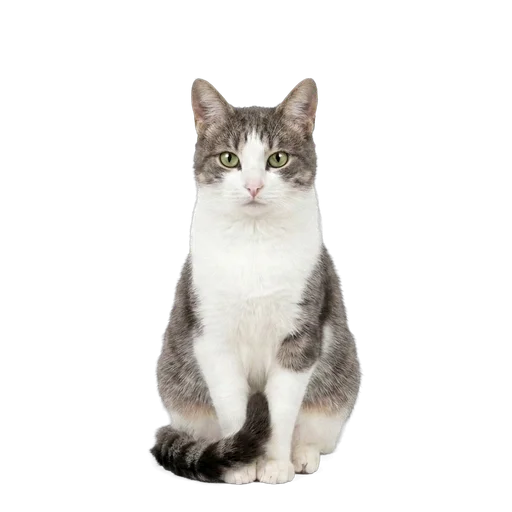
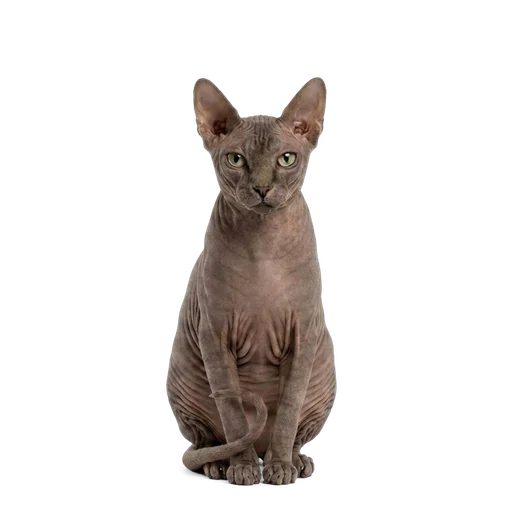
Deciding between similar breeds? Here is the Ussuri next to Aegean and Donskoy.
| Ussuri | Aegean | Donskoy | |
|---|---|---|---|
| Size | Medium | Medium | Medium |
| Weight | 5-7 kg | 3-4.5 kg | 3.5-7 kg |
| Lifespan | 12-15 yrs | 9-12 yrs | 12-15 yrs |
| Activity | Active | Active | Active |
| Shedding | Medium | Medium | Low |
| Good with kids | No | Yes | Yes |
| Apartment-friendly | No | Yes | Yes |
Frequently asked questions
How rare is the Ussuri cat, really?
Extremely rare, even by rare-breed standards. The Ussuri is a natural breed from the Amur river region recognized by some Russian registries, with very small numbers and no established breeding programs abroad. Finding one outside Russia is close to impossible, and most cats sold internationally under the name are simply wild-looking tabbies.
Is the Ussuri part wild cat?
It is believed to descend from historical crosses between local domestic cats and small wild forest cats of the region, which would help explain the athletic build and independent temperament. There is no formal genetic study confirming the exact ancestry, but the breed behaves closer to the wild end of the domestic spectrum than most.
Can an Ussuri live in an apartment?
It is a poor fit. This is a high-drive hunter that needs territory, climbing height and prey-like play. In a small flat without serious enrichment or safe outdoor access, that energy tends to convert into destruction, night activity and stress. A house with a garden, catio or secure land suits the breed far better.
Is the Ussuri good with children and other pets?
Generally no. Ussuris bond with one or two adults and tolerate rather than enjoy busy households. They may coexist with a calm resident cat if introduced slowly, but their strong prey drive makes birds, rodents and other small pets unsafe housemates, and most Ussuris have little patience for grabby young children.
What health problems does the Ussuri breed have?
None that are documented as breed-specific. As a hardy natural breed it is considered generally healthy, with a typical lifespan of 12 to 15 years. Care focuses on the universals: dental hygiene, weight checks, core FVRCP and rabies vaccination, FeLV protection for outdoor cats, and rigorous flea, tick and worm prevention for a cat that hunts.
Related breeds
Health and care information is drawn from established veterinary sources and is general guidance, not veterinary advice. See our sources
Keep records for your Ussuri
Vaccinations, food and treat safety, allergy alerts and parasite reminders - all tracked for your Ussuri in the Pethls app.