

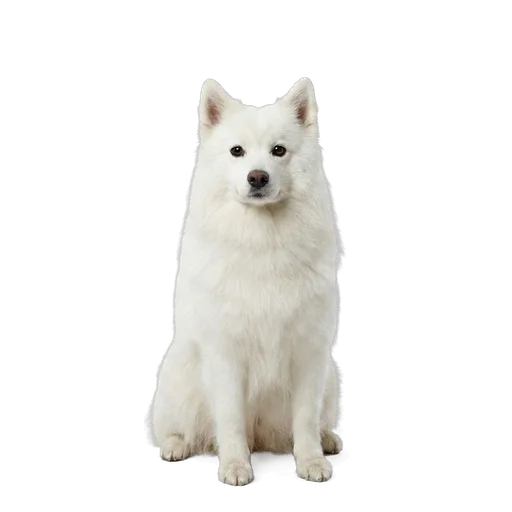
Origin: United States
American Eskimo Dog
Get reminders for your American Eskimo Dog's vaccines
Vaccination and parasite reminders, food-safety scans and health records — free to start in the Pethls app.


Good for
The American Eskimo Dog is a bright white spitz that comes in three sizes, from a 4.5kg toy to a 16kg standard. Despite the name, the breed developed in the United States, bred down from German Spitz stock and once a fixture of traveling circuses. These are sharp, playful, quick-witted dogs that bond hard to their families and stay alert to everything happening around them. They are also vocal, so a bored Eskie will tell you all about it. With daily activity and a job for their brain, they make a wonderful family companion. They can adapt to apartment life, though the barking means close neighbors and shared walls call for extra work on a reliable quiet cue.
Temperament & personality
Eskies are people dogs first and foremost. They want to be in the room with you and involved in whatever the household is doing. Left alone too long or under-stimulated, they get anxious and noisy, and that barking is one of the most common complaints owners raise. It is not a flaw so much as an unmet need for company and something to do.
Intelligence is the defining trait here. These dogs learn tricks fast, pick up routines quickly, and thrive on training games, puzzle feeders, and structured play. That brainpower cuts both ways: a clever dog with nothing to occupy it will invent its own entertainment, usually something you would rather it did not.
With strangers, Eskies tend to be watchful and reserved rather than aggressive. They make excellent little watchdogs and will announce every visitor. Early, steady socialization helps them settle into a confident, friendly adult instead of a suspicious or yappy one. Around children and other pets they usually do well, especially when raised together.
Vaccination schedule
Puppies start their core vaccine series at around 6 to 8 weeks of age. The main one is DHPP, which covers distemper, hepatitis (adenovirus), parvovirus, and parainfluenza. Boosters follow every 3 to 4 weeks until the puppy is about 16 weeks old, because immunity from the mother fades on its own timeline and you want coverage to carry through.
Rabies is given separately, usually between 12 and 16 weeks depending on where you live and local law. After the puppy series, DHPP and rabies are boosted at roughly one year, then every 1 to 3 years based on your vet's protocol and regional requirements.
Leptospirosis is now recommended as a core vaccine for every dog, so plan on it for your Eskie: puppies get a 2-dose series a few weeks apart, followed by an annual booster (unlike the every-1-to-3-year DHPP and rabias boosters). Time around standing water, rural areas, and wildlife raises the risk and is a good reason to stay current on that annual booster, but lepto is advised regardless of lifestyle. Other non-core vaccines are worth a conversation with your vet. Bordetella (kennel cough), Lyme, and canine influenza make sense for dogs that board, visit groomers often, go to daycare, or spend a lot of time outdoors. Your vet will tailor the plan to your Eskie's actual lifestyle and risk.
Best food & diet
Feed a complete, balanced dog food matched to your Eskie's size category and life stage. A toy or miniature has very different calorie needs from a standard, so portion to the individual dog rather than a generic cup count. Puppies do well on a quality puppy formula until they finish growing, then transition to adult food.
Weight control matters here. Eskies are food-motivated and that thick coat hides the waistline, so it is easy to let one get heavy without noticing. You should be able to feel the ribs with light pressure and see a tuck at the waist from above. Extra weight adds strain to knees and hips and raises diabetes risk, so keeping your Eskie lean is worth the effort.
Keep treats to about ten percent of daily calories and use part of the regular ration for training rewards. Keep fresh water available at all times. If you ever consider a home-cooked or raw diet, run it past your vet or a veterinary nutritionist first so it stays properly balanced.
Common health problems
The American Eskimo Dog is generally hardy, but a handful of conditions show up often enough to know about. Progressive retinal atrophy is an inherited eye disease that gradually damages the retina and can lead to vision loss, responsible breeders screen for it, and DNA testing can flag carriers before breeding.
Orthopedic issues to watch for include hip dysplasia and patellar luxation, where the kneecap slips out of its groove. It shows up more in the smaller Eskies and ranges from a mild occasional skip in the step to a problem that needs surgical correction. Signs include a hopping gait or a leg held up briefly during a run.
Diabetes mellitus turns up too, so watch for increased thirst, more frequent urination, and unexplained weight change. Dental disease is another to catch early, and in the toy and miniature sizes crowded teeth can trap plaque. Regular brushing and professional cleanings keep it in check.
Allergies & skin
That dense double coat sits over sensitive skin, and Eskies may develop allergies to environmental triggers like pollen, dust mites, and grasses, as well as to certain foods. Itching, licking at the paws, recurring ear infections, and red or flaky skin are the usual signs. Because the coat is so thick, irritation can hide until the dog is scratching in earnest.
Food allergies typically show as itchy skin or digestive upset. If your vet suspects one, they may recommend an elimination diet using a novel or hydrolyzed protein for eight to twelve weeks to pin down the culprit. Environmental allergies are managed rather than cured, often with a mix of medication, medicated shampoos, and omega-3 fatty acid supplements.
Good coat hygiene helps a lot. Keeping the fur clean and free of mats, drying thoroughly after baths, and checking the skin during grooming all reduce flare-ups. If you notice a persistent hot spot or a smell from the ears, get it looked at early before it turns into a deeper infection.
Flea, tick & worm prevention
A thick white coat is a comfortable place for fleas and ticks to hide, so year-round parasite prevention is worth staying on top of. Your vet will recommend a flea and tick product suited to your Eskie's size, whether that is a monthly chew, a topical spot-on, or a long-acting collar. Dose is always by weight, which matters a great deal across the toy-to-standard range.
Intestinal worms like roundworms, hookworms, and whipworms are handled with regular deworming. Tapeworm is a bit different, since it usually comes from swallowed fleas, so keeping flea control tight is what prevents it and it needs a dewormer that specifically targets it. Puppies need worming every couple of weeks through the early months, then adults are treated on a schedule your vet sets based on lifestyle and risk. Many monthly preventives combine worm and flea control in one product.
Heartworm prevention deserves its own mention because heartworm is spread by mosquitoes and is far easier to prevent than to treat. A monthly preventive keeps your dog protected. Check the coat and skin after walks in tall grass or woods, and remove any attached ticks promptly with fine-tipped tweezers.
Medications & dosing
Because the American Eskimo Dog spans such a wide weight range, accurate dosing depends entirely on knowing your dog's current weight. A medication amount that suits a 15kg standard could be far too much for a 5kg toy. Weigh your dog before starting any new preventive or treatment, and reweigh growing puppies often since they move through dose brackets quickly.
Never give human medications without veterinary direction. Common painkillers like ibuprofen and paracetamol are toxic to dogs, and even some over-the-counter items can cause serious harm. If your Eskie needs pain relief, your vet will prescribe a dog-specific NSAID at the correct dose.
Give the full course of any prescribed medication, even if your dog seems better partway through, and follow storage instructions on the label. Keep a simple record of what your dog takes and when, so refills and vet visits stay accurate. When in doubt about a dose, call the clinic rather than guessing.
Grooming & coat care
The Eskie's showpiece coat is also its biggest maintenance job. It is a double coat with a dense undercoat and a longer, stand-off outer layer, and it sheds year-round with two heavy blowouts a year, usually spring and autumn. During those seasons you will find white fur everywhere, and daily brushing becomes the reality rather than the ideal.
Brush at least two to three times a week normally, more during shedding season, using a slicker brush and an undercoat rake to reach down to the skin. Regular brushing prevents mats, spreads skin oils, and dramatically cuts the amount of loose hair around the house. Pay attention to friction spots behind the ears, under the legs, and around the collar where tangles form.
Never shave an Eskie. The double coat insulates against both heat and cold and protects the skin from sun, and once shaved it often grows back patchy and loses its texture. Bathe only when needed, since over-bathing strips natural oils. Round out the routine with regular nail trims, ear checks, and tooth brushing, which is especially important in the smaller sizes prone to dental disease.
How the American Eskimo Dog compares
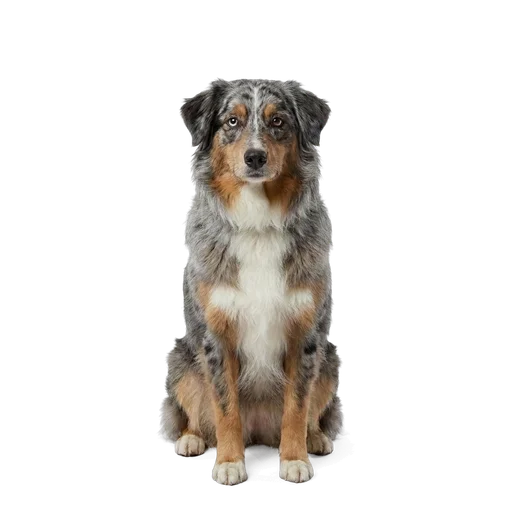
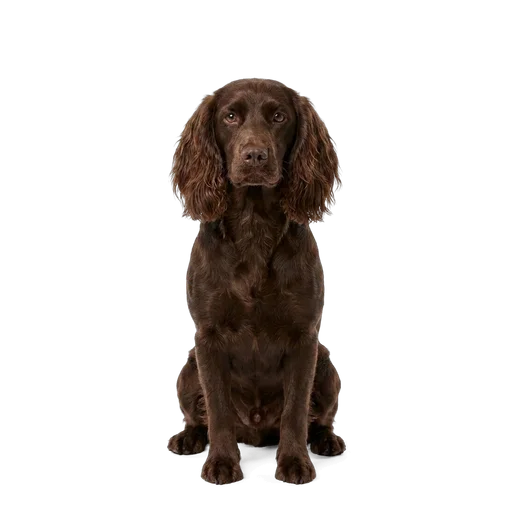
Deciding between similar breeds? Here is the American Eskimo Dog next to Australian Shepherd and Boykin Spaniel.
| American Eskimo Dog | Australian Shepherd | Boykin Spaniel | |
|---|---|---|---|
| Size | Medium | Medium | Medium |
| Weight | 4.5-16 kg | 16-32 kg | 11-18 kg |
| Lifespan | 13-15 yrs | 12-15 yrs | 10-15 yrs |
| Activity | Active | Active | Active |
| Shedding | High | High | Medium |
| Good with kids | Yes | Yes | Yes |
| Apartment-friendly | Yes | No | No |
Frequently asked questions
Do American Eskimo Dogs bark a lot?
Yes, they are naturally vocal and alert, which makes them good watchdogs but prone to nuisance barking when bored or left alone. Consistent training, plenty of mental stimulation, and teaching a reliable quiet cue all help keep the noise manageable.
Are American Eskimo Dogs hypoallergenic?
No. They have a thick double coat that sheds heavily year-round with two big seasonal blowouts, releasing plenty of dander and loose fur. They are not a good match for allergy sufferers.
How much exercise does an Eskie need?
Plan on at least 30 to 60 minutes of activity a day, split between physical exercise and brain work. These are smart dogs that need training games, puzzles, and interaction, not just a walk, or they become anxious and noisy.
Are American Eskimo Dogs good with children and other pets?
Generally yes, especially when raised with them and properly socialized. They are playful and affectionate with family. As with any dog, supervise interactions with young children and introduce new pets gradually.
How long do American Eskimo Dogs live?
Typically 13 to 15 years. Keeping your dog at a healthy weight, staying current on dental care, and screening for eye and knee problems all support a long, comfortable life.
Related breeds
Health and care information is drawn from established veterinary sources and is general guidance, not veterinary advice. See our sources
Keep records for your American Eskimo Dog
Vaccinations, food and treat safety, allergy alerts and parasite reminders - all tracked for your American Eskimo Dog in the Pethls app.