

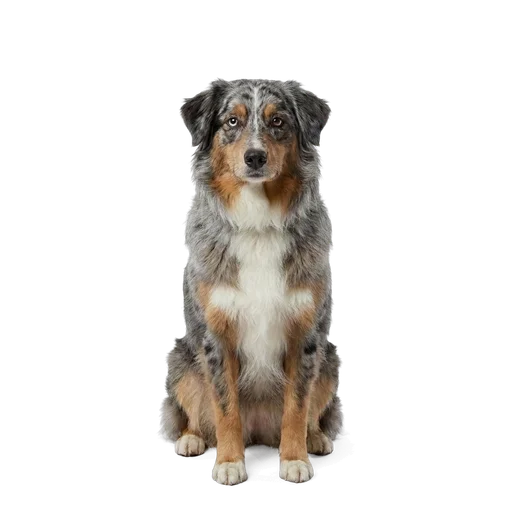
Origin: United States
Australian Shepherd
Get reminders for your Australian Shepherd's vaccines
Vaccination and parasite reminders, food-safety scans and health records — free to start in the Pethls app.


Good for
Despite the name, the Australian Shepherd was developed in the western United States as a ranch dog, and it still thinks like one. This is a medium-sized, 16 to 32 kg bundle of brains and stamina bred to work livestock all day and then some. An Aussie that gets a real job (herding, agility, long runs, scent games, obedience) is a joyful, loyal, biddable partner. An Aussie that gets a suburban stroll and a squeaky toy invents its own job, usually one that involves your furniture or your ankles. This breed rewards experienced, active owners and frustrates almost everyone else.
Temperament & personality
Aussies are among the smartest dogs you will meet, and that intelligence cuts both ways. They learn commands in a handful of repetitions, read your body language, and thrive on training. They also get bored fast, and a bored Aussie problem-solves in ways you will not enjoy: digging, barking, escaping, and chewing. Mental work is not optional for this breed, it is maintenance.
They bond hard with their family and can be reserved or aloof with strangers. Early, broad socialization keeps that natural watchfulness from tipping into suspicion. A well-raised Aussie is friendly and confident. An under-socialized one can be nervy and reactive, which is a problem in a dog wired to move fast and think faster.
The herding instinct is baked in. Aussies will circle, chase, and sometimes nip at the heels of running children, other dogs, joggers, and cyclists. It is not aggression, it is the herding instinct surfacing where it isn't wanted. Supervise them around young kids, redirect the behavior early, and give it a legitimate outlet like herding balls or a formal herding class.
With enough exercise and structure they are wonderful: affectionate, eager, endlessly trainable, and genuinely fun. The whole equation depends on meeting their needs. Underemployed, this is one of the most commonly surrendered breeds precisely because owners underestimated the energy.
Vaccination schedule
Aussie puppies get the same core vaccine series as any dog. The DHPP combination (distemper, hepatitis/adenovirus, parvovirus, parainfluenza) begins at 6 to 8 weeks and repeats every 3 to 4 weeks until at least 16 weeks of age, so typically around 8, 12, and 16 weeks. The dose after 16 weeks is the one that reliably takes once maternal antibodies have faded.
Rabies is given once between 12 and 16 weeks, boosted at one year, then every 1 to 3 years depending on local law and the vaccine used. Keep the certificate handy, since travel, boarding, and daycare all ask for it.
Non-core vaccines suit this active outdoor breed well. Leptospirosis is sensible for a dog that swims, works fields, or drinks from puddles. Bordetella and canine influenza are worth it if your Aussie boards, competes, or attends group classes, all of which are common for this breed. Lyme vaccination may be advised in tick-heavy regions.
There is no evidence that the MDR1 mutation makes routine vaccines unsafe, so vaccinate on the normal schedule. The MDR1 caution applies to specific drugs, not to core vaccination. Adults continue DHPP boosters every 1 to 3 years alongside yearly wellness exams.
Best food & diet
Match the food to the workload. A herding-active Aussie or a canine athlete burns real calories and needs a quality diet with enough protein and fat to support muscle and stamina. A pet Aussie that gets moderate exercise needs noticeably less, and it is easy to overfeed a food-motivated dog. Portion to the dog in front of you and adjust with the seasons and activity level.
Feed a growing puppy a formula appropriate for a medium breed, split across three to four meals a day, then drop to two meals as an adult. Keeping the dog lean reduces the load on the hips and joints, which eases the arthritis and wear that hip dysplasia brings on rather than preventing the condition itself. You want to feel the ribs easily under a light layer.
Aussies can run into food sensitivities, most often to beef, chicken, and dairy. If you see chronic itching, ear infections, or digestive upset, your vet may suggest an 8 to 12 week elimination trial on a novel or hydrolyzed protein to pin down the trigger. Go easy on dairy treats too, since most adult dogs, Aussies included, digest milk poorly.
These dogs are clever enough to train through their stomachs, so budget treats into the daily calorie count rather than adding them on top. Use part of the meal kibble for training rewards. It keeps the weight in check and turns feeding time into mental work, which this breed always needs more of.
Common health problems
The standout issue in this breed is the MDR1 (ABCB1) gene mutation, which a large share of Aussies carry. It makes affected dogs dangerously sensitive to certain drugs because their brains cannot pump those medicines back out. High-dose ivermectin (found in some livestock dewormers), certain other antiparasitics, some sedatives and anesthetic agents, the anti-diarrheal loperamide, and several chemotherapy drugs can cause severe neurological reactions or death at doses a normal dog shrugs off. A simple cheek-swab or blood test tells you your dog's MDR1 status. Test your Aussie, and make sure it is written on the file at every vet and emergency clinic.
Eye disease runs in the breed. Cataracts are the eye issue you are most likely to meet, often appearing in middle age, and progressive retinal atrophy (PRA) also shows up in the breed. Collie eye anomaly, a congenital condition that affects the choroid and retina, turns up less often in Aussies than in Collies or Border Collies but is still screened for and can range from mild to sight-threatening. Yearly eye checks, and buying from breeders who screen their stock, both help.
Hip dysplasia causes arthritis and pain as the dog ages. Keeping the dog lean, providing good nutrition during growth, and avoiding repetitive high-impact work on hard surfaces all reduce the toll. Screening breeding dogs lowers the odds in puppies.
Epilepsy typically emerges between one and five years of age. Seizures are frightening to witness but are often well controlled with medication. Any dog that has a seizure needs a veterinary workup to rule out other causes and to decide whether daily treatment is warranted.
Allergies & skin
Aussies are prone to both food and environmental allergies. Food-related itching, recurrent ear infections, and loose stools point most often to beef, chicken, or dairy in this breed. Confirming a food allergy takes an 8 to 12 week elimination diet with a novel or hydrolyzed protein, guided by your vet, because blood and saliva allergy tests are unreliable for food.
Environmental atopy flares with grass pollen and dust mites, often seasonally at first. Watch for paw-licking, face-rubbing, belly redness, and repeat ear trouble. Rinsing or wiping the coat after walks, washing bedding weekly in hot water, and running an air filter indoors all lower the allergen load the dog lives in.
The thick double coat can hide skin problems, so allergies sometimes go unnoticed until an infection sets in. Part the fur and check the skin during grooming, especially around the belly, armpits, and base of the tail. Hot spots (moist, inflamed patches) can appear fast in a dense coat that stays damp after swimming or rain.
For ongoing itching, work with your vet rather than cycling through shampoos alone. Omega-3 supplements, medicated washes, modern anti-itch medications, and in stubborn cases allergy testing with immunotherapy all have a place. One note of caution: some sedatives used during skin testing interact with the MDR1 mutation, so remind the vet of your dog's status first.
Flea, tick & worm prevention
A working, outdoorsy breed like the Aussie meets plenty of fleas and ticks, and ticks in particular spread Lyme, ehrlichiosis, and anaplasmosis. Keep the dog on a year-round preventive suited to its weight, whether a monthly chew, a topical, or a long-acting collar. The dense double coat hides ticks well, so run your fingers down to the skin after country walks and check the ears, armpits, and between the toes.
The MDR1 mutation changes how you approach worming. Standard, correctly dosed heartworm preventives that contain ivermectin or milbemycin are safe, because the amount used for parasite prevention is far below the level that causes trouble. The danger is high-dose ivermectin, especially livestock or horse dewormer pastes, which must never be given to an Aussie. Use only dog-labeled products at label doses, and if in doubt, ask your vet to choose an MDR1-safe option.
Puppies are dewormed for intestinal worms every 2 weeks from about 2 weeks old until 12 weeks, then monthly to 6 months. Many monthly heartworm products also cover common roundworms and hookworms, which keeps the routine simple. Heartworm itself is spread by mosquitoes and is far easier to prevent than to treat.
Because good flea control also prevents the tapeworm that fleas carry, staying consistent with a single well-chosen product covers several parasites at once. Record every dose and date so you never double up, and reweigh the dog periodically since the correct product bracket depends on current weight.
Medications & dosing
The MDR1 (ABCB1) mutation is the single most important thing to know before giving your Aussie any drug. Affected dogs can react badly to medicines that are perfectly safe for other breeds. High-dose ivermectin and related antiparasitics, the anti-diarrheal loperamide, and some chemotherapy drugs are the ones that cause the most severe reactions, up to and including death, at doses a normal dog handles without trouble. Several sedatives and anesthetic agents, such as acepromazine and butorphanol, are a milder but still real concern: they tend to work more strongly and last longer in MDR1 dogs, so they call for reduced doses rather than posing a fatal risk. Test your dog's MDR1 status, put it on the medical record, and mention it every single time a vet reaches for a syringe or a prescription pad.
Beyond MDR1, medications are dosed by body weight, so keep an accurate current weight and dose to it. For pain and arthritis, vets use dog-specific NSAIDs like carprofen or meloxicam. Never give human painkillers such as ibuprofen or paracetamol, which are toxic to dogs regardless of breed.
If your Aussie needs sedation, anesthesia, or dental work, raise the MDR1 status during the pre-op conversation, not after. A vet who knows can pick alternative drugs and lower doses that keep the procedure safe. This one conversation prevents the most serious breed-specific risk the Aussie carries.
Keep a written log of every medication, dose, and date, including flea, tick, and worm products, and store the MDR1 test result with it. In an emergency, especially at an unfamiliar clinic, that record lets staff avoid a dangerous drug fast. When any dose or new medicine is uncertain, call your vet before giving it.
Grooming & coat care
The Aussie wears a medium-length double coat that sheds a lot, and grooming is about staying ahead of it. Brush two or three times a week normally, and daily during the spring and autumn coat blows when the undercoat lets go in clumps. An undercoat rake plus a slicker brush is the workhorse combination for reaching down through the top coat and pulling out the loose undercoat before it lands on your floor.
Never shave a double coat. The two layers regulate temperature and protect against sun and cold, and shaving can damage how the coat grows back and leaves the skin exposed. If the dog is too warm, thorough de-shedding and clean, dry fur do far more than clippers ever will.
Bathe every 6 to 8 weeks or when genuinely dirty. Dry the dense coat all the way to the skin afterward, because trapped moisture near the skin invites hot spots and infection in a coat this thick. Pay attention to the feathering on the legs and behind the ears, which mats easily and needs gentle combing.
Round out the routine with nails, ears, and teeth. Trim nails so they do not click on the floor, check and clean the ears weekly since the coat can trap debris, and brush the teeth several times a week. Use grooming time to run your hands over the skin for lumps and to check the eyes, given the breed's eye and skin tendencies.
How the Australian Shepherd compares
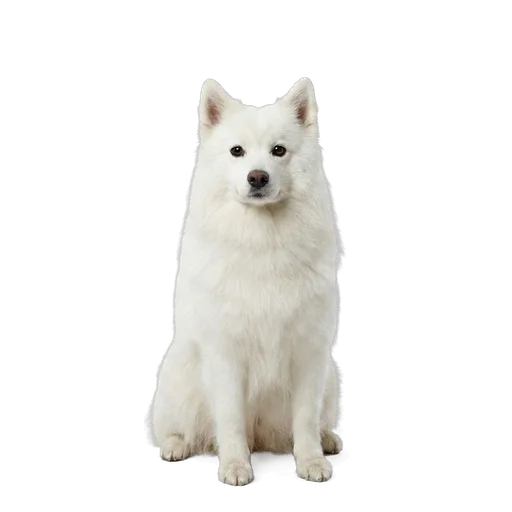
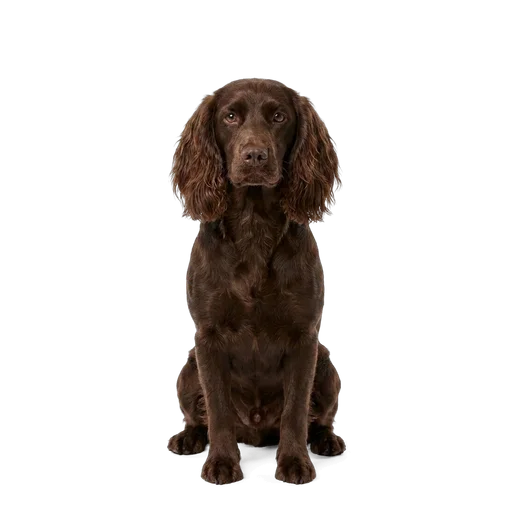
Deciding between similar breeds? Here is the Australian Shepherd next to American Eskimo Dog and Boykin Spaniel.
| Australian Shepherd | American Eskimo Dog | Boykin Spaniel | |
|---|---|---|---|
| Size | Medium | Medium | Medium |
| Weight | 16-32 kg | 4.5-16 kg | 11-18 kg |
| Lifespan | 12-15 yrs | 13-15 yrs | 10-15 yrs |
| Activity | Active | Active | Active |
| Shedding | High | High | Medium |
| Good with kids | Yes | Yes | Yes |
| Apartment-friendly | No | Yes | No |
Frequently asked questions
Are Australian Shepherds good for first-time owners?
Usually not. Their intelligence and stamina overwhelm owners who underestimate them, and an under-exercised Aussie becomes destructive, vocal, and hard to live with. They suit active, experienced homes that can give daily hard exercise plus real mental work. First-time owners who are genuinely committed to that level of engagement can succeed, but it is a demanding place to start.
What is the MDR1 gene and why does it matter?
MDR1 (also called ABCB1) is a gene mutation common in Aussies that makes affected dogs dangerously sensitive to certain drugs, including high-dose ivermectin dewormers, some sedatives and anesthetics, loperamide, and several chemotherapy agents. These can cause severe neurological reactions or death. A cheap cheek-swab test reveals your dog's status. Test your Aussie and tell every vet, so they avoid the risky drugs or adjust the dose.
How much exercise does an Australian Shepherd need?
A lot. Plan on one to two hours of real activity a day, and it must combine physical exertion with mental work. A walk alone will not cut it. Running, hiking, fetch, agility, herding, obedience drills, and puzzle or scent games all help. Without an outlet for the body and the brain, this breed gets bored and destructive.
Do Australian Shepherds shed a lot?
Yes. The double coat sheds year-round and blows heavily twice a year in spring and autumn. Expect to brush two or three times a week, and daily during the seasonal blows, using an undercoat rake and slicker brush. They are not hypoallergenic. Never shave the coat, since it protects against both heat and cold and can grow back poorly.
Can Australian Shepherds live in apartments?
It is a poor fit. Their energy and herding drive want space and a job, and confinement without enough exercise leads to barking, chewing, and frustration. An apartment can work only with an exceptionally dedicated owner delivering serious daily exercise and mental stimulation outside the home. A house with a secure yard and an active routine suits the breed far better.
Related breeds
Health and care information is drawn from established veterinary sources and is general guidance, not veterinary advice. See our sources
Keep records for your Australian Shepherd
Vaccinations, food and treat safety, allergy alerts and parasite reminders - all tracked for your Australian Shepherd in the Pethls app.