

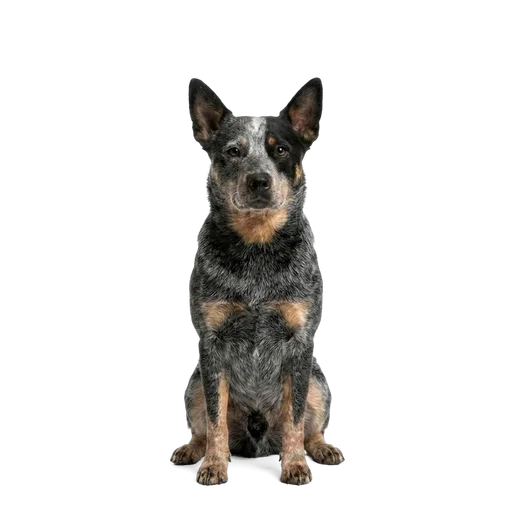
Origin: Australia
Australian Cattle Dog
Get reminders for your Australian Cattle Dog's vaccines
Vaccination and parasite reminders, food-safety scans and health records — free to start in the Pethls app.


The Australian Cattle Dog, better known as the Blue Heeler, is a tough, whip-smart working breed developed to drive cattle across the vast Australian outback. Medium-sized at 15 to 22kg and long-lived at 13 to 15 years, it is one of the most intelligent and physically capable dogs you can own. That's both the appeal and the warning. This is a dog bred to work all day, and without a real job it will invent one, usually herding and nipping at whatever moves, including children and heels. Blue Heelers bond intensely, often to one person, and thrive with an experienced, active owner who can give them structure, exercise, and a purpose. They are not a fit for a calm home, a flat, or a first-time dog owner.
Temperament & personality
The Australian Cattle Dog is intelligent, driven, and intensely loyal. It typically attaches strongly to one person and likes to keep that person in sight, following from room to room. This devotion is one of the breed's best qualities and part of why it can be wary or aloof with strangers.
The herding instinct is powerful and hardwired. Blue Heelers were bred to move stubborn cattle by nipping at their heels, which is where the name comes from, and that same behavior surfaces at home as chasing and nipping at running children, cyclists, other pets, and anything fast-moving. It isn't aggression; it's a working drive that needs a proper outlet. Without one, it becomes a genuine problem.
This is a high-energy dog with an off switch that's hard to find. To stay balanced it needs vigorous daily exercise plus mental work: herding, agility, scent work, advanced obedience, or a real job on a farm. A bored Cattle Dog becomes destructive, vocal, and difficult.
They can be dog-selective and don't always tolerate other animals, and their nipping instinct makes them a poor match for homes with young children. In the right hands, with a firm, fair, experienced owner, they are one of the most capable and rewarding working companions there is.
Vaccination schedule
Australian Cattle Dog puppies follow the same core UK schedule as any breed. The DHPP vaccine covers distemper, hepatitis (adenovirus), parvovirus, and parainfluenza, typically starting at 6 to 8 weeks, with a second dose at 10 to 12 weeks and often a final dose around 16 weeks.
Rabies vaccination isn't needed for a dog staying in the UK but is required for travel abroad under the Animal Health Certificate scheme. It can be given from 12 weeks, followed by the mandatory waiting period before travel.
Leptospirosis is a core vaccine recommended for every dog, and it matters even more for this breed given how much time an active working dog spends outdoors near water, livestock, and wildlife. If your dog boards, trains, or competes alongside other dogs, your vet may also recommend the non-core kennel cough vaccine.
Once the puppy series is complete, your dog moves onto a booster schedule: leptospirosis is boosted yearly, while the core distemper, hepatitis and parvovirus components run on a three-year cycle. Your vet keeps the records and lets you know when each is due.
Best food & diet
A working breed with a fast metabolism, the Australian Cattle Dog does well on a good-quality complete diet matched to its life stage and activity level. Puppies need a growth formula for roughly the first 12 months before switching to adult food.
Match the amount to the individual dog. A Cattle Dog putting in hours of hard exercise or genuine farm work needs more calories than a pet doing a couple of walks a day, so adjust portions to keep body condition steady rather than following the bag blindly. You should be able to feel the ribs easily and see a clear waist from above.
Because this is such an active breed, splitting food into two meals helps maintain energy through the day and steadies digestion. Keep fresh water available at all times, particularly for a dog exercising hard in warm weather.
Treats are useful currency for such a food- and work-motivated dog, so use part of the daily ration for training rewards rather than adding extra calories on top. Any diet change should be made gradually over about a week.
Common health problems
The Australian Cattle Dog is generally healthy and famously long-lived, but a few inherited conditions run in the breed. Congenital deafness, present from birth in one or both ears, is worth being aware of, as it can be linked to coat coloring genetics in some dogs. A BAER hearing test in puppies confirms whether a dog can hear normally in each ear, and responsible breeders test their litters.
Eye conditions matter too. Progressive retinal atrophy is a gradual degeneration of the retina that eventually leads to blindness, and primary lens luxation is a painful condition where the lens slips from its normal position and can cause glaucoma and sight loss if not treated quickly. Both have genetic tests available, so ask the breeder what screening they've done.
Hip dysplasia, a malformation of the hip joint that leads to arthritis, occurs in many active breeds, which is why breeding dogs should be hip-scored. Keeping your dog lean and fit through life eases the load on the joints.
Buying from a breeder who BAER-tests for hearing, DNA-tests for the eye conditions, and hip-scores the parents dramatically lowers your risk. Regular vet check-ups keep any developing issue on the radar.
Allergies & skin
The Australian Cattle Dog's short, dense, weather-resistant coat is relatively low-maintenance and less prone to hiding skin trouble than a heavy-coated breed, but skin issues still occur. Atopic dermatitis, an allergic response to environmental triggers like pollen, dust mites, or grass, can cause itching, licking, and recurrent ear or paw infections in some dogs.
Because these dogs work and play in long grass, scrub, and rough terrain, minor scrapes, grass-seed injuries, and localised irritation are common. Grass seeds in particular can burrow into paws, ears, and skin, so check your dog over after outings in dry, seedy conditions.
Food sensitivities are less frequent than environmental allergies and usually trace to a specific protein. If your dog is itchy all year with no seasonal pattern, your vet can guide an exclusion diet to pin down the trigger.
Flea allergy is a leading cause of itching in any dog, so consistent flea control is the first thing to rule out when a Cattle Dog starts scratching. The short coat makes it easier to spot fleas and check the skin directly during grooming.
Flea, tick & worm prevention
An active outdoor dog like the Australian Cattle Dog needs year-round flea and tick prevention as standard. Time in fields, woodland, and long grass raises tick exposure, so a reliable vet-recommended preventive, whether spot-on, tablet, or collar, is a sensible baseline.
Check for ticks after any walk through long grass or scrub, running your hands over the body and paying attention to the ears, face, armpits, and between the toes. Remove any tick promptly with a proper tick tool to reduce the chance of disease transmission.
Worming should cover roundworms and tapeworms, plus lungworm where it's a local risk, since lungworm is carried by slugs and snails and can be serious. Puppies need frequent worming, often every two weeks until 12 weeks old, then monthly to six months, while adults are usually treated every one to three months depending on their lifestyle.
All parasite treatments are dosed by body weight, so weigh your dog and use the correct dose band rather than estimating. A working dog's weight can shift with the seasons, so recheck it periodically.
Medications & dosing
Any medication for an Australian Cattle Dog should be dosed by current body weight and directed by your vet. Across the 15 to 22kg range, and given how a working dog's condition can change through the year, an accurate weight is the foundation of safe dosing.
This is a stoic, high-drive breed that tends to hide pain and keep working through injury, so watch for subtle changes in movement, appetite, or willingness to exercise, and let your vet assess rather than treating at home. Give the vet a full list of anything your dog already takes, including supplements.
Never give human medicines such as ibuprofen or paracetamol, which are toxic to dogs, and don't use leftover or borrowed prescriptions. What's safe for one dog at one weight can harm another.
Finish any prescribed course fully, particularly antibiotics, even if your dog seems back to normal, and store all medication securely out of reach of an intelligent, determined dog that's more than capable of getting into things.
Grooming & coat care
Grooming is one area where the Australian Cattle Dog is refreshingly easy. The short, dense double coat is naturally weather-resistant and needs only a weekly brush most of the year to remove loose hair and keep it in good condition. A rubber curry brush or a bristle brush does the job well.
Shedding is moderate day to day, but the breed blows its coat once or twice a year, usually in spring and autumn, when loose hair comes out in quantity. During those weeks, brushing several times a week keeps on top of it. The coat doesn't mat, which is a real advantage over the heavier-coated herders.
Baths are only needed occasionally, when the dog is genuinely dirty, using a dog shampoo. The coat's natural oils help it shed dirt, and over-bathing strips them, so less is more here.
The rest of the routine is standard but important for an active dog: keep nails trimmed so they don't catch or split, check and clean ears after muddy or wet outings, and keep up regular dental care. Inspect paws and the coat for grass seeds and small injuries after work or rough walks.
How the Australian Cattle Dog compares
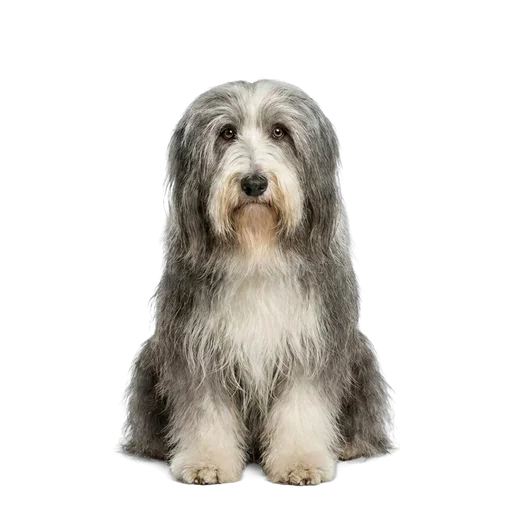
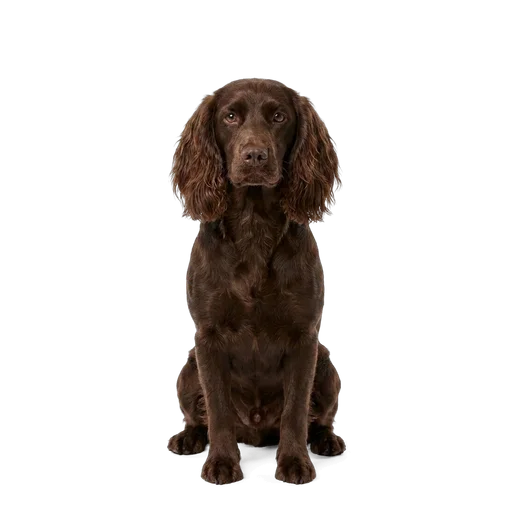
Deciding between similar breeds? Here is the Australian Cattle Dog next to Bearded Collie and Boykin Spaniel.
| Australian Cattle Dog | Bearded Collie | Boykin Spaniel | |
|---|---|---|---|
| Size | Medium | Medium | Medium |
| Weight | 15-22 kg | 20-25 kg | 11-18 kg |
| Lifespan | 13-15 yrs | 12-14 yrs | 10-15 yrs |
| Activity | Active | Active | Active |
| Shedding | Medium | Medium | Medium |
| Good with kids | No | Yes | Yes |
| Apartment-friendly | No | No | No |
Frequently asked questions
Are Australian Cattle Dogs good for first-time owners?
No. They're highly intelligent, intensely energetic, and driven by a strong herding instinct that leads to nipping and chasing without proper outlets. They need an experienced, active owner who can provide serious exercise, training, and a job. First-timers usually find them overwhelming.
Why does my Blue Heeler nip at people's heels?
It's the breed's original job. Australian Cattle Dogs were bred to move cattle by nipping their heels, and that instinct surfaces at home as nipping at running children, cyclists, and moving pets. It isn't aggression, but it needs to be redirected early through training and given a proper outlet.
How much exercise does an Australian Cattle Dog need?
A great deal. This is a working breed that needs vigorous daily physical exercise plus real mental stimulation, such as herding, agility, scent work, or advanced obedience. Without enough of both, they become bored, destructive, and difficult to live with. They aren't suited to a calm, low-activity home or a flat.
Are Blue Heelers good with children and other pets?
They can be, but with caution. Their herding and nipping instinct makes them a poor match for homes with young children, and they can be selective with other dogs and pets. Early socialization helps, but supervision and realistic expectations are essential.
Do Australian Cattle Dogs shed a lot?
They shed moderately most of the year and need only a weekly brush, but they blow their coat once or twice a year in spring and autumn, when shedding is heavy for a few weeks. The short coat is low-maintenance and doesn't mat.
Related breeds
Health and care information is drawn from established veterinary sources and is general guidance, not veterinary advice. See our sources
Keep records for your Australian Cattle Dog
Vaccinations, food and treat safety, allergy alerts and parasite reminders - all tracked for your Australian Cattle Dog in the Pethls app.