

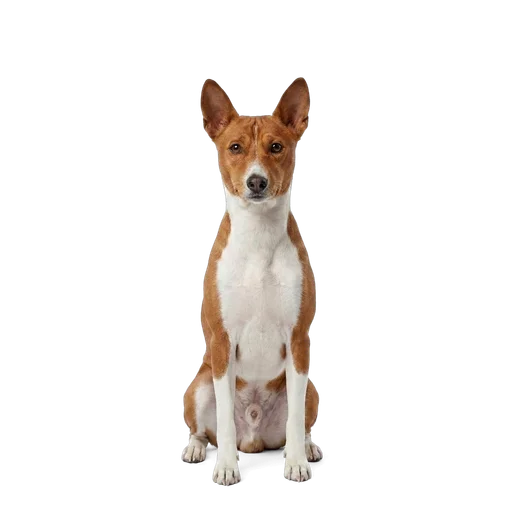
Origin: Democratic Republic of the Congo
Basenji
Get reminders for your Basenji's vaccines
Vaccination and parasite reminders, food-safety scans and health records — free to start in the Pethls app.


Good for
The Basenji is an ancient hunting dog from Central Africa, best known as the "barkless dog" because its unusual voice box produces a yodel rather than a bark. Independent, aloof, and clever in a decidedly cat-like way, it grooms itself fastidiously and carries almost no doggy odor. This is a small, athletic primitive hound with a powerful prey drive and a mind of its own, which makes it charming and frustrating in equal measure. Basenjis are not built for owners who want an eager-to-please pet; they are for people who appreciate a self-possessed, mischievous dog and can meet stubbornness with patience and humor. First-time owners usually find them a handful.
Temperament & personality
Basenjis are often described as feline, and it fits. They are curious, dignified, and reserved with strangers, forming strong bonds with their own people while keeping the world at arm's length. They are alert and expressive, wrinkling their foreheads into worried-looking frowns, and they clean themselves like cats. Do not expect a dog that lives to obey. This breed decides whether your request is worth its time.
The lack of a bark does not mean silence. Basenjis yodel, whine, chortle, and produce a range of odd sounds, so they are quirky rather than quiet. When something interests them, they let you know in their own vocabulary.
The prey drive is strong and hardwired. A Basenji will chase cats, squirrels, and small running animals with speed and focus, so a securely fenced yard and a reliable leash are non-negotiable. Their recall is unreliable at best because a dog bred to hunt independently makes its own decisions once something bolts.
They are intelligent and easily bored, which shows up as escaping, climbing, and inventive destruction. Training works best in short, upbeat, reward-based sessions that respect the dog's low tolerance for repetition. Harsh methods backfire. This is not a first-timer's breed, and a Basenji that does not get enough exercise and mental engagement will find its own outlets.
Vaccination schedule
Basenji puppies get the same core vaccines as any dog. The DHPP combination, protecting against distemper, hepatitis (adenovirus), parvovirus, and parainfluenza, begins at 6 to 8 weeks and repeats every 3 to 4 weeks until at least 16 weeks of age. Completing the full puppy series before wide exposure to other dogs and public spaces is what builds solid protection.
Rabies is given once around 12 to 16 weeks depending on where you live, boostered at one year, then every one to three years according to the vaccine used and local law.
Non-core vaccines depend on lifestyle. A Basenji that visits dog parks, boarding, or grooming may benefit from Bordetella (kennel cough); dogs in tick-heavy or leptospirosis regions may need those too. Discuss the dog's actual exposure with your vet rather than defaulting to every optional shot.
Basenjis have no unusual vaccine sensitivities as a breed, so the standard plan applies. Keep a written record of dates and boosters, which is especially handy for a breed whose owners often travel with them to shows or sports.
Best food & diet
Feed a complete, balanced food sized for a small, active dog. Puppies do well on small-breed puppy formula split into three to four meals a day, tapering to two meals in adulthood. Basenjis are athletic and lean by nature, so match the amount to the dog's activity rather than free-feeding.
This breed can be a surprisingly discerning eater, sometimes leaving food when uninterested, which alarms owners used to greedy dogs. Still, a Basenji that suddenly refuses food, drinks and urinates more than usual, or loses weight should be seen promptly, because those can be signs of the kidney and gut problems the breed is prone to rather than mere pickiness.
Keep them trim. You should feel the ribs easily and see a defined waist. Because Fanconi syndrome, a kidney disorder in the breed, causes excess sugar and nutrients to be lost in the urine, affected dogs may lose weight despite eating, so any unexplained change deserves attention.
There is no special breed diet, but consistency helps a sensitive stomach. Change foods gradually over a week, keep treats modest, and make sure fresh water is always available, particularly given the breed's kidney concerns.
Common health problems
Fanconi syndrome is the signature Basenji health issue. It is a kidney tubule disorder in which the kidneys leak sugar, proteins, and electrolytes that should be reabsorbed, leading to excessive drinking and urination, weight loss, and if untreated, serious decline. There is a DNA test for the main genetic form, and affected dogs need lifelong monitoring and a specific supplement protocol. With early diagnosis and diligent management, many dogs do well for years, so home urine glucose testing is often recommended for the breed.
Progressive retinal atrophy causes gradual, painless vision loss ending in blindness. A genetic test is available, and reputable breeders screen breeding stock. Watch for night-vision trouble or hesitancy in dim light as early clues.
Pyruvate kinase deficiency is an inherited enzyme defect in red blood cells that causes hemolytic anemia. It also has a DNA test. Affected dogs may show weakness, pale gums, and poor stamina, and severity varies, so screening parents is the way to avoid it.
Immunoproliferative enteropathy is a breed-associated inflammatory bowel disease that causes chronic diarrhea and weight loss, often flaring with stress. It needs veterinary diagnosis and long-term dietary and medical management. Any Basenji with persistent digestive trouble should be worked up rather than treated at home.
Allergies & skin
Basenjis have short, fine coats and clean skin, and they are not especially prone to skin allergies compared with many breeds. When problems do occur, environmental allergens like pollen, grass, and dust mites are the usual culprits, showing as itchy skin, paw licking, or ear irritation.
The breed dislikes cold and damp weather, and the thin coat offers little insulation, so cold-weather skin dryness and flaking are worth watching. A coat for winter walks is practical rather than pampering for this breed.
Because Basenjis groom themselves and rarely smell, a bad odor, greasy coat, or persistent scratching is a signal that something is off, whether allergy, infection, or a sign of internal illness. Given the breed's gut and kidney tendencies, a sudden change in grooming habits or coat quality is worth a vet visit rather than being written off as cosmetic.
Flea, tick & worm prevention
Even a fastidious self-cleaner needs parasite prevention, because fleas and ticks are picked up outdoors regardless of how tidy the dog is. Use a year-round or seasonal program suited to your climate and the dog's exposure. Fleas cause itching and can trigger allergic dermatitis; ticks transmit diseases such as Lyme and anaplasmosis.
Pick a vet-recommended product matched to the Basenji's small weight, roughly 9 to 11 kilograms in adulthood. Options include monthly oral chews, spot-on topicals, and collars. Small dogs need the correctly sized dose, so do not use a large-dog product and split it.
Worming addresses internal parasites. Puppies are dewormed early and repeatedly on a set schedule, and adults need routine intestinal worm control plus heartworm prevention in areas where mosquitoes spread it. Heartworm prevention is monthly and far cheaper and safer than treating an established infection. Many combination products cover fleas, ticks, and worms together; your vet can recommend one that keeps dosing simple.
Medications & dosing
Basenjis are small dogs, so precise weight-based dosing is essential; a little goes a long way in a 9 to 11 kilogram body. Always have your veterinarian set doses rather than estimating, and never give a medication prescribed for a larger dog.
The breed's kidney vulnerability changes the medication picture. Because the kidneys filter and clear many drugs, a Basenji with Fanconi syndrome or reduced kidney function may need dose adjustments or alternatives to certain medications. Make sure any vet treating your dog knows its kidney status.
Dogs diagnosed with Fanconi syndrome follow a lifelong supplement and monitoring protocol, often the established bicarbonate-based regimen, with doses tuned to regular blood and urine testing. This is not a set-and-forget prescription; it needs ongoing veterinary oversight.
Never give human medicines such as ibuprofen or paracetamol, which are toxic to dogs and especially risky for a breed with kidney concerns. When in doubt about any drug, dose, or supplement, call your clinic before giving it.
Grooming & coat care
Grooming a Basenji is close to effortless, one of the breed's genuine perks. The short, fine coat and the dog's cat-like self-cleaning habit mean a weekly once-over with a rubber curry brush or grooming mitt is usually enough to keep it sleek and remove the little loose hair there is.
Shedding is low. Basenjis do shed, but the short coat and small size mean far less hair around the home than most breeds, and they carry almost no odor, so frequent bathing is unnecessary. Bathe only when the dog is actually dirty, which is rarely.
The rest is routine maintenance. Trim nails every few weeks since active dogs can still need it, check and clean the ears, and brush the teeth regularly to prevent dental disease, which small breeds are prone to. In cold weather, the thin coat offers little warmth, so a sweater or coat for winter outings helps keep the dog comfortable.
How the Basenji compares
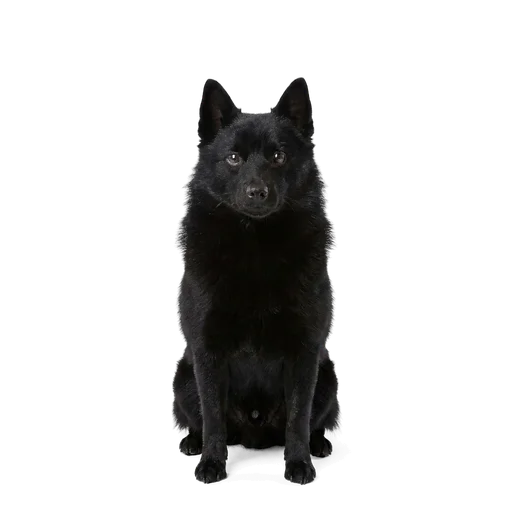
Deciding between similar breeds? Here is the Basenji next to Schipperke and Border Terrier.
| Basenji | Schipperke | Border Terrier | |
|---|---|---|---|
| Size | Small | Small | Small |
| Weight | 9-11 kg | 4-8 kg | 5-7 kg |
| Lifespan | 13-14 yrs | 12-14 yrs | 12-15 yrs |
| Activity | Active | Active | Active |
| Shedding | Low | Medium | Low |
| Good with kids | Yes | Yes | Yes |
| Apartment-friendly | Yes | Yes | Yes |
Frequently asked questions
Do Basenjis really not bark?
They rarely bark because of the unusual shape of their voice box, which is why they are called the barkless dog. They are far from silent, though. Basenjis yodel, chortle, whine, and make a range of odd, expressive sounds when they are excited or want attention.
Are Basenjis good for first-time owners?
Generally not. They are independent, stubborn, and cat-like, with a strong prey drive and a low tolerance for repetitive training. An owner who enjoys a clever, self-directed dog and can stay patient and consistent will fare much better than someone expecting an eager, obedient pet.
What is Fanconi syndrome and why does it matter for Basenjis?
Fanconi syndrome is a kidney disorder that runs in the breed, where the kidneys leak sugar and nutrients into the urine instead of reabsorbing them. It causes heavy drinking, frequent urination, and weight loss. A DNA test exists, and affected dogs need lifelong monitoring and a specific supplement protocol, so early detection is key.
Can Basenjis live with cats or small pets?
It is risky. Basenjis have a powerful hunting instinct and will chase cats and small animals. Some raised alongside a cat from puppyhood can coexist, but the prey drive is strong and unpredictable, so households with small pets should be cautious and never leave them unsupervised together.
Do Basenjis need a lot of grooming?
No. Their short coat and cat-like self-cleaning make them one of the lowest-maintenance breeds to groom. A quick weekly brush, occasional nail trims, ear checks, and regular tooth brushing cover it, and they seldom need baths because they carry almost no odor.
Related breeds

Health and care information is drawn from established veterinary sources and is general guidance, not veterinary advice. See our sources
Keep records for your Basenji
Vaccinations, food and treat safety, allergy alerts and parasite reminders - all tracked for your Basenji in the Pethls app.