

Origin: Belgium
Schipperke
Get reminders for your Schipperke's vaccines
Vaccination and parasite reminders, food-safety scans and health records — free to start in the Pethls app.


Good for
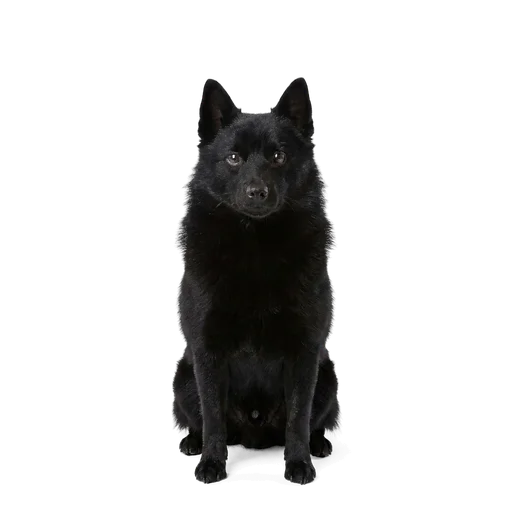
The Schipperke is Belgium's little black barge dog, bred to guard canal boats and keep them free of rats. The name, traditionally glossed as 'little skipper' or 'little boatman' in Flemish, suits it: this is a confident, opinionated dog in a 4 to 8 kg package, with a fox-like face and a permanently curious expression. Schipperkes live 12 to 14 years on average and stay busy for most of them, patrolling windows, investigating cupboards, and announcing visitors with enthusiasm. They suit owners who enjoy a clever, slightly mischievous dog and can offer real mental work, not just a daily stroll.
Temperament & personality
A Schipperke is small but never thinks of itself that way. These dogs were working watchdogs on Belgian canal barges, and the job description survives intact: alert to every sound, suspicious of anything new on the property, and quick to bark about it. Expect a dog that notices the delivery van three houses away before you hear it.
Behind the guarding instinct sits a genuinely funny, curious character. Schipperkes open cabinets, steal socks, and invent games when bored. That mischief is charming when the dog gets enough exercise and mental stimulation, and destructive when it does not. Puzzle feeders, scent games, trick training, and dog sports like agility or barn hunt channel the energy well.
They bond closely with their family and are usually good with respectful children, though they have little patience for rough handling. With other dogs they generally do fine when socialized early. Cats raised alongside them are usually accepted, but the ratting heritage means small pets like hamsters and rabbits are safer kept apart. Recall around wildlife is a lifelong project.
Barking is the main downside. A Schipperke can live happily in an apartment, but only if you train a quiet cue from puppyhood and keep the dog occupied. A bored Schipperke will bark at everything that moves outside.
Vaccination schedule
Schipperke puppies follow the standard core schedule. The DHPP combination vaccine, which covers distemper, hepatitis (adenovirus), parainfluenza, and parvovirus, starts at six to eight weeks of age and repeats every three to four weeks until the puppy is at least sixteen weeks old. That usually works out to three or four visits. The series matters because maternal antibodies fade at unpredictable times, and a single early shot can be blocked entirely.
Rabies is given once between twelve and sixteen weeks, depending on local law, then boosted a year later. After that, most regions allow rabies boosters every one to three years. DHPP is typically boosted at one year and then every three years, though your vet may run titer tests instead if you prefer.
Non-core vaccines depend on lifestyle. A Schipperke that visits daycare, grooming salons, or dog sports events is a good candidate for Bordetella and canine influenza. Leptospirosis is now a core vaccine recommended for every dog, so plan on it for your Schipperke regardless of lifestyle or location. It needs a two-dose puppy series and then an annual booster, unlike the every-three-years DHPP boosters. The risk is higher for dogs with water, rural, or wildlife exposure, and even city dogs encounter rodent urine, which is part of why that yearly booster matters, especially for a breed literally designed to hunt rats. Keep the record somewhere you can find it; boarding kennels and trainers will ask.
Best food & diet
At 4 to 8 kg, a Schipperke needs a small-breed formula with kibble sized for a small jaw and calorie density that matches a genuinely active dog. Most adults do well on roughly 300 to 480 kcal per day split into two meals, with the lower end suiting a smaller 4 kg dog and the upper end an active 8 kg one. Portions should track body condition rather than the bag label. You should feel ribs easily under a thin fat layer and see a clear waist under all that coat.
Puppies should eat a small-breed puppy food until around ten to twelve months. Small-breed puppy diets are formulated against hypoglycemia in tiny young dogs and support the fast growth curve without the joint risks of large-breed overfeeding.
Watch the treats. Schipperkes are food-motivated and excellent at looking starved, and extra weight loads the same knees and hips that patellar luxation and Legg-Calve-Perthes already threaten in this breed. Use part of the daily kibble ration for training rewards. Because hypothyroidism appears in the breed, mention any unexplained weight gain on a stable diet to your vet rather than simply cutting food further.
Common health problems
The condition every Schipperke buyer must know about is mucopolysaccharidosis type IIIB, usually shortened to MPS IIIB. It is a fatal storage disease found almost exclusively in this breed: affected dogs seem normal early on, then, typically between two and four years of age, develop tremors, balance problems, and progressive difficulty walking. There is no treatment. There is, however, a reliable DNA test, so the disease is entirely avoidable. Buy only from breeders who show you test results for both parents, and if you have an untested Schipperke, a cheek swab settles the question.
Orthopedic issues are the everyday concern. Patellar luxation, where the kneecap slips out of its groove, shows up as skipping steps or a sudden three-legged hop that resolves on its own. Mild cases need only monitoring and weight control; severe ones need surgery. Legg-Calve-Perthes disease, a degeneration of the hip's femoral head in young dogs, causes hindlimb lameness usually before one year of age and is treated surgically with generally good outcomes.
Hypothyroidism tends to appear in middle age. The signs are easy to write off: weight gain, a dull or thinning coat, lethargy, skin infections that keep returning. A blood panel confirms it, and daily thyroid medication is inexpensive and effective. Epilepsy can occur in any breed; a first seizure always warrants a vet visit, and many epileptic dogs live full lives on anticonvulsants.
A well-bred Schipperke from MPS-tested lines is a sturdy little dog. Annual exams, weight control, and attention to gait changes cover most of what this breed needs.
Allergies & skin
Schipperkes are not a hypoallergenic breed. The dense black double coat sheds year round and blows out heavily in season, carrying dander with it. Allergy sufferers who react to dogs will usually react to a Schipperke.
The breed itself has fairly resilient skin. When problems appear, environmental allergy (atopy) is the usual suspect, showing up as paw licking, ear infections, and belly redness, often seasonal at first. Flea allergy dermatitis is another common cause, and in a dog with such a dense black coat a single bite can set off intense chewing at the tail base, where the thick coat hides the damage until a bald patch appears.
Two management points help. First, keep flea prevention truly year round, since flea-allergic dogs react to bites you never see. Second, do not skip the skin check under the coat during weekly brushing; black dense fur conceals hot spots, scabs, and parasites remarkably well. Skin problems that keep returning alongside weight gain are also worth flagging to your vet, since hypothyroidism (covered under health problems) can mimic ordinary allergy in this breed.
Flea, tick & worm prevention
Year-round parasite prevention is non-negotiable for a dog built like a Schipperke: low to the ground, thickly coated, and interested in every hedge and rodent hole on the walk. Finding a tick in that black ruff by eye is close to impossible, so rely on medication rather than inspection. Monthly oral chews or spot-on treatments covering fleas and ticks both work; your vet will match the product to your region's parasite pressure.
Worming follows the standard small-dog pattern. Puppies are dewormed every two weeks from two weeks of age until twelve weeks, then monthly until six months. Adults typically get a broad-spectrum wormer every three months, or monthly if the dog hunts rodents, which many Schipperkes do given their ratting heritage. Rodent contact raises the tapeworm risk specifically, so make sure the product used actually covers tapeworms; many routine wormers do not.
In heartworm regions, monthly heartworm prevention is essential and requires a negative test before starting. Dosing for all of these products is weight-based, and a 4 kg Schipperke and an 8 kg one may fall into different dose bands of the same product, so weigh the dog rather than guessing.
Medications & dosing
Every medication a Schipperke takes is dosed by body weight, and the breed's 4 to 8 kg range spans a twofold difference. Never estimate. A current weight from a proper scale, checked at least twice a year, keeps parasite preventives and prescriptions in the correct band. Small dogs have narrow margins: a dose that is trivial for a Labrador can be an overdose here.
Never give human medications without explicit veterinary direction. Ibuprofen is dangerous to dogs at almost any dose, paracetamol dosing in dogs is nothing like human dosing, and even 'safe' drugs like certain antihistamines need weight-based calculation for a dog this size. If your vet approves something over the counter, get the exact milligram dose in writing.
Two breed-specific notes. Schipperkes on thyroid medication need periodic blood tests to confirm the dose still fits, since requirements drift with age and weight. And if your Schipperke is ever on anticonvulsants for epilepsy, consistency is everything: doses given at the same times daily, no skipped days, and any change made only under veterinary supervision. Keeping a written record of each dose makes it much easier to spot a missed tablet before it becomes a problem.
Grooming & coat care
The Schipperke coat is a maintenance bargain most of the year. The black double coat, with its distinctive ruff, cape, and culottes, is naturally weather resistant and dirt tends to fall out of it once dry. A thorough brush once or twice a week with a slicker or medium-tooth comb keeps the undercoat moving and the skin visible.
Then comes the blow. Once or twice a year, typically spring and autumn, a Schipperke drops its undercoat in alarming quantities over two to four weeks. During a blow, daily brushing and a warm bath followed by a good blow-dry will strip out loose undercoat far faster than waiting it out. An undercoat rake earns its keep in these weeks. Intact females often blow coat after each season as well.
Never shave a Schipperke. Clipping the double coat ruins its insulation against both cold and heat and it may grow back patchy or with a changed texture. Beyond brushing, the routine is ordinary: nails every three to four weeks, ears checked weekly, and daily tooth brushing if you can manage it, since small breeds accumulate tartar quickly. No trimming or professional grooming is required, which is part of this breed's charm.
How the Schipperke compares
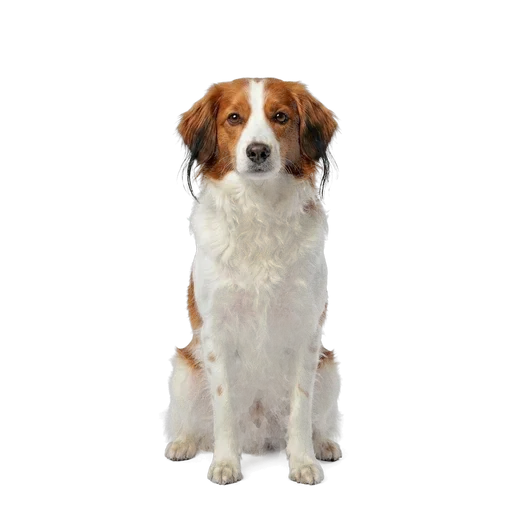
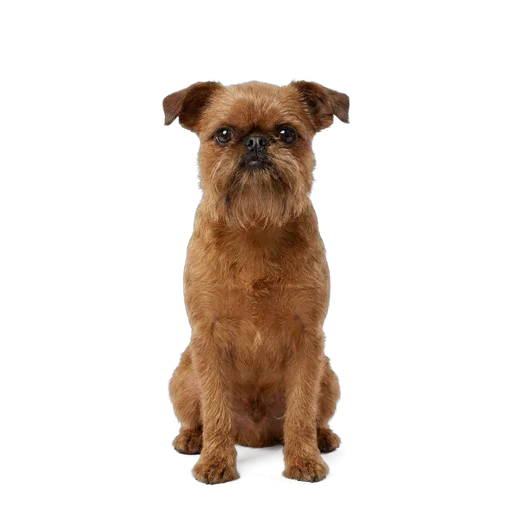
Deciding between similar breeds? Here is the Schipperke next to Nederlandse Kooikerhondje and Brussels Griffon.
| Schipperke | Nederlandse Kooikerhondje | Brussels Griffon | |
|---|---|---|---|
| Size | Small | Small | Small |
| Weight | 4-8 kg | 9-16 kg | 4-5 kg |
| Lifespan | 12-14 yrs | 12-15 yrs | 12-15 yrs |
| Activity | Active | Active | Moderate |
| Shedding | Medium | Medium | Low |
| Good with kids | Yes | Yes | No |
| Apartment-friendly | Yes | Yes | Yes |
Frequently asked questions
Do Schipperkes bark a lot?
Yes, more than most breeds. They were bred as watchdogs and treat alerting as a core duty. You can reduce it substantially with early training, a taught quiet cue, and plenty of mental stimulation, but a silent Schipperke is not a realistic goal. Consider this before choosing one for a noise-sensitive building.
What is MPS IIIB and should I worry about it?
Mucopolysaccharidosis IIIB is a fatal inherited storage disease specific to Schipperkes, causing progressive tremors and loss of coordination starting around two to four years of age. There is no cure, but a DNA test identifies carriers, so puppies from tested parents cannot be affected. Only buy from breeders who show test results for both parents.
Are Schipperkes good apartment dogs?
They fit apartments physically and adapt well to city life, with two conditions: the barking needs early training, and the dog needs daily exercise plus mental work. A bored Schipperke in a small flat will be loud and inventive in ways you will not enjoy. An occupied one is a compact, tidy housemate.
How much exercise does a Schipperke need?
Plan on about an hour a day, split between walks and active play, plus genuine mental stimulation such as training sessions, puzzle feeders, or nosework. They are athletic for their size and enjoy dog sports. Physical exercise alone is not enough; this breed needs its brain used.
Do Schipperkes shed badly?
Moderately for most of the year, then heavily during seasonal coat blows once or twice annually, when the undercoat comes out in clumps for several weeks. Weekly brushing handles normal shedding; daily brushing and a bath with a thorough blow-dry speed the seasonal blow along. They are not hypoallergenic.
Related breeds
Health and care information is drawn from established veterinary sources and is general guidance, not veterinary advice. See our sources
Keep records for your Schipperke
Vaccinations, food and treat safety, allergy alerts and parasite reminders - all tracked for your Schipperke in the Pethls app.