

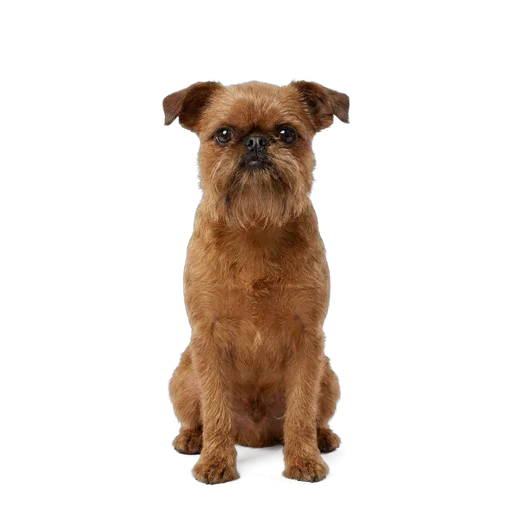
Origin: Belgium
Brussels Griffon
Get reminders for your Brussels Griffon's vaccines
Vaccination and parasite reminders, food-safety scans and health records — free to start in the Pethls app.


Good for
The Brussels Griffon is a small Belgian breed with one of the most expressive faces in the dog world, a whiskered, almost human look that fans often compare to an Ewok. Weighing 4 to 5 kg and living 12 to 15 years, it is a toy dog with an outsized personality. Griffons are famously velcro-like, shadowing their chosen person from room to room and demanding to be part of everything. They are curious, alert, and endlessly expressive, quick to sulk if ignored and quick to charm when they want something. Their intensity and delicacy make them best suited to adult homes or households with gentle, older children.
Temperament & personality
Brussels Griffons form an unusually tight bond with their people. Owners often use the word velcro, and it is accurate: a Griffon wants to sit on you, follow you to the bathroom, and supervise every household task. That loyal devotion makes them wonderful companions for someone who is home often and a poor match for anyone away for long days.
These are sensitive, emotionally aware dogs with a real flair for the dramatic. A Griffon reads your tone instantly and can sulk when scolded or left out. They are clever and can learn a lot, but the sensitivity means training has to stay gentle and positive; harsh handling shuts them down fast. Early socialization helps temper a tendency toward shyness or wariness with strangers.
Because they are small, delicate, and intense, Griffons do best in adult homes or with calm, considerate older children. Rough play or unpredictable toddlers can frighten or injure them. With other pets they are usually fine, though their bold, terrier-flavored attitude means they do not always realize how small they are.
Vaccination schedule
A Griffon puppy gets the standard core vaccine series, beginning at 6 to 8 weeks and repeating every 3 to 4 weeks until about 16 weeks of age. Core protection is the DHPP vaccine against distemper, hepatitis (adenovirus), parvovirus, and parainfluenza. Vaccine doses are the same regardless of body size, so a small Griffon receives the full dose; the vet simply handles the small dog gently.
Rabies is given once at 12 to 16 weeks, boosted a year later, then repeated every 1 to 3 years depending on where you live.
Non-core vaccines are chosen by lifestyle. Griffons that go to groomers, daycare, or boarding should be covered for Bordetella, the main cause of kennel cough, and canine influenza is worth adding where outbreaks occur. Leptospirosis may be advised in some regions. Because the breed is brachycephalic, flag any breathing concerns to your vet before any visit that might involve sedation, and keep the dog cool and calm throughout.
Best food & diet
Feed a complete, balanced small- or toy-breed food. The smaller kibble suits a Griffon's little mouth, and some flat-faced dogs pick up specially shaped pieces more easily. Pick a recipe with a named meat protein first that meets AAFCO or FEDIAF standards for the appropriate life stage.
Keeping a Griffon lean is important for both its joints and its breathing. As a brachycephalic breed, extra weight makes airway problems worse and adds strain on the heart and joints, so measure meals carefully. At 4 to 5 kg the daily portion is small, treats add up quickly, and it is easy to overfeed a dog that begs as persuasively as a Griffon does.
Split food into two meals a day for an adult, and feed young puppies three to four small meals since very small toy-breed puppies are prone to low blood sugar (hypoglycemia). A short muzzle can make some Griffons gulp air while eating, so an unhurried pace and a shallow bowl help. Keep fresh water available at all times.
Common health problems
The Brussels Griffon's flat face brings brachycephalic obstructive airway syndrome, where narrowed nostrils and excess soft tissue make breathing harder. Watch for snoring, noisy or labored breathing, and trouble in heat, and keep the dog cool and unstressed; severe cases can be improved with surgery.
The breed's most serious concern is neurological. Chiari-like malformation, where the skull is too small for the brain, can lead to syringomyelia, a painful condition in which fluid-filled cavities form in the spinal cord. Signs include scratching at the neck and shoulder (often without making contact), yelping, sensitivity to touch, and weakness. It is diagnosed by MRI and managed with medication or, in some cases, surgery. Unexplained scratching or pain in this breed is a reason to investigate rather than dismiss.
Two more to know: patellar luxation, a slipping kneecap, causes a skipping gait and ranges from mild to surgical. And the Griffon's large, prominent eyes sit exposed, so like many flat-faced toy breeds they are prone to corneal ulcers and even proptosis, where the eye bulges from the socket after trauma. Treat any squinting, redness, or tearing as urgent.
Allergies & skin
Brussels Griffons can sometimes develop allergies like any breed. Environmental allergies (atopy) to pollen, dust, and mold usually appear as itching, paw licking, and repeat ear infections, while flea allergy dermatitis can flare from a single bite. Both cause the same frustrating itch-scratch cycle.
The face still needs attention, though for different reasons than a heavily wrinkled breed. The Griffon has a short muzzle and prominent chin rather than deep facial folds, but the area under the chin and around the mouth can trap moisture, so wipe and dry it as part of routine care. On the rough-coated variety, which carries the beard and facial furnishings, keep the beard clean too, since food and moisture collect there. The large, exposed eyes also sit close to this area, so watch for any discharge or irritation.
Food allergies are less common but do happen, typically as year-round itching or digestive upset; your vet can confirm one with a supervised elimination diet. Because a Griffon's coat can hide skin trouble, check the skin regularly and get any persistent scratching, redness, or odor checked early.
Flea, tick & worm prevention
Year-round flea and tick prevention keeps a Griffon comfortable and healthy, and dosing must match its small weight precisely. At 4 to 5 kg the dog falls into the smaller weight bands for most products, so always use the preventive sized for its current weight rather than dividing a large-dog dose.
Choose from monthly chewables, topical spot-ons, or long-acting collars, several of which combine flea, tick, heartworm, and worm protection in one dose. Your vet will suggest the right product for your area's parasite pressure.
Worming has its own schedule. Puppies are dewormed every two weeks starting at about 2 weeks of age and continuing to 12 weeks, then once a month until 6 months. Adults are usually wormed every three months, more often if they scavenge or live with children, and heartworm prevention should run all year in regions where the parasite is present.
Medications & dosing
With a body of only 4 to 5 kg, a Brussels Griffon needs weight-based dosing and careful math. Weigh your dog before any dose is calculated and have your vet do the calculation; a small rounding error matters far more in a tiny dog than a large one.
Anesthesia and sedation carry extra risk in this brachycephalic breed because the airway is more fragile. Always tell your vet about any breathing problems before a procedure that needs sedation, and choose a clinic comfortable with flat-faced dogs so recovery is monitored closely. Griffons with suspected syringomyelia may also be on long-term pain or nerve medication, which needs regular veterinary review.
Do not give human painkillers. Ibuprofen and paracetamol (acetaminophen) are toxic to dogs, and a Griffon's small size makes even a modest amount dangerous. Use only medicines your vet prescribes, follow the timing exactly, finish the course, and call the clinic if you notice vomiting, lethargy, or loss of appetite.
Grooming & coat care
Brussels Griffons come in two coat types, and grooming depends on which one you have. The smooth coat is short and easy: a weekly brush and the occasional bath keep it in good order, and shedding is low. The rough coat is wiry and needs more work, including regular brushing to prevent tangles in the beard and legs.
The rough coat should be hand-stripped, a technique that pulls out dead wiry hairs by the root to keep the texture and color correct. Clipping is an option for pet dogs but softens the coat over time, so many owners have a groomer hand-strip a few times a year. On the rough coat, keep the beard and facial furnishings clean, since they trap food and moisture.
Neither variety is hypoallergenic; both shed and produce dander, so a Griffon is not the best pick for allergy sufferers. Complete grooming with routine cleaning around the muzzle and beard, weekly ear checks, regular nail trims, and tooth brushing, since dental disease is common in small brachycephalic breeds with crowded jaws.
How the Brussels Griffon compares
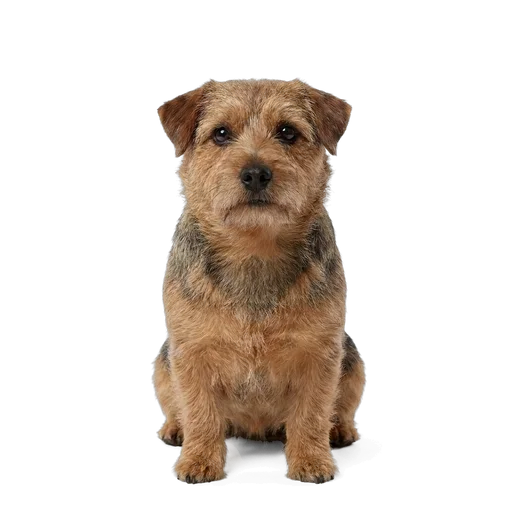
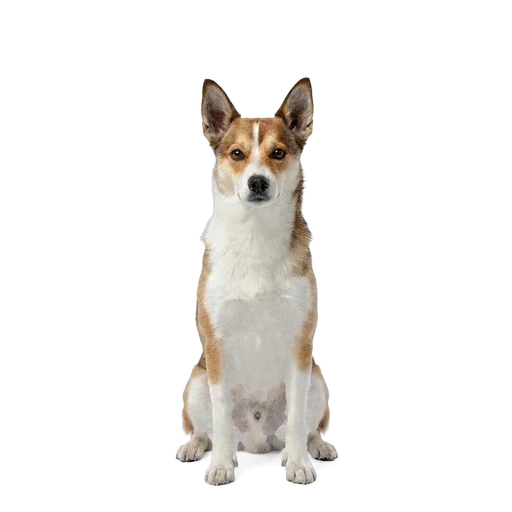
Deciding between similar breeds? Here is the Brussels Griffon next to Norfolk Terrier and Norwegian Lundehund.
| Brussels Griffon | Norfolk Terrier | Norwegian Lundehund | |
|---|---|---|---|
| Size | Small | Small | Small |
| Weight | 4-5 kg | 5-5 kg | 6-7 kg |
| Lifespan | 12-15 yrs | 12-15 yrs | 12-15 yrs |
| Activity | Moderate | Moderate | Moderate |
| Shedding | Low | Low | High |
| Good with kids | No | Yes | Yes |
| Apartment-friendly | Yes | Yes | Yes |
Frequently asked questions
Why is the Brussels Griffon's face so distinctive?
The Griffon has a short muzzle, a domed head, a prominent chin, and large forward-facing eyes, along with whiskery furnishings on the rough-coated variety. The result is an expressive, almost human look that people often compare to an Ewok. That same flat-faced structure is why the breed is brachycephalic and heat sensitive.
Are Brussels Griffons good with children?
They are better suited to adult homes or families with gentle, older children. Griffons are small, delicate, and sensitive, and rough or unpredictable handling can frighten or injure them. In a calm household they are devoted, entertaining companions.
Do Brussels Griffons shed?
Not much. Both the smooth and rough coats are low-shedding. The rough coat needs periodic hand-stripping to keep its wiry texture, and both types need routine cleaning around the muzzle and beard. Low shedding does not make the breed hypoallergenic, since it still produces dander.
What is syringomyelia and should I worry about it?
Syringomyelia is a painful neurological condition, linked to Chiari-like malformation, where fluid-filled cavities form in the spinal cord. Watch for scratching at the neck or shoulder without contact, yelping, and sensitivity to touch. It is diagnosed by MRI and managed by a vet, so raise any unexplained scratching or pain early.
Are Brussels Griffons easy to train?
They are clever and capable, but sensitive and sometimes stubborn, so training must stay gentle, patient, and reward-based. Harsh corrections make a Griffon shut down. Their velcro-like attachment means they are motivated to work with you, which helps once you find what they enjoy.
Related breeds
Health and care information is drawn from established veterinary sources and is general guidance, not veterinary advice. See our sources
Keep records for your Brussels Griffon
Vaccinations, food and treat safety, allergy alerts and parasite reminders - all tracked for your Brussels Griffon in the Pethls app.