

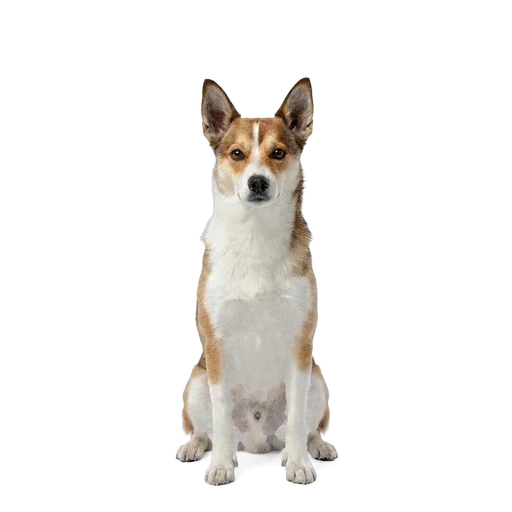
Origin: Norway
Norwegian Lundehund
Get reminders for your Norwegian Lundehund's vaccines
Vaccination and parasite reminders, food-safety scans and health records — free to start in the Pethls app.


Good for
The Norwegian Lundehund was bred to climb sea cliffs and pull puffins out of narrow rock crevices, and its body still shows it: six toes on each foot, a neck flexible enough to bend backward toward the spine, and shoulders that rotate outward so the dog can flatten itself into tight spaces. No other breed is built quite like this. At 6 to 7 kg it is a small, agile, curious dog that lives 12 to 15 years, friendly with its family but often reserved with strangers. The catch is Lundehund syndrome, a breed-wide complex of digestive diseases that every prospective owner needs to understand before bringing one home. With the right diet, a vet who knows the breed, and patience for its famously slow housetraining, the Lundehund is a fascinating and rewarding companion.
Temperament & personality
Lundehunds are alert, cheerful and endlessly curious. Centuries of independent cliff work in Norway produced a dog that solves problems on its own rather than waiting for instructions, so expect a pet that opens cupboards, squeezes behind furniture and finds the one gap in your fence. They are agile to a degree that surprises new owners: a Lundehund can climb, wedge itself into spaces a cat would consider tight, and fold its ears shut at will.
With family, they are affectionate and playful without being clingy. With strangers, most are reserved and take time to warm up, which makes early and ongoing socialization important. They are not typically aggressive, just watchful. Other dogs and cats are usually fine, especially when raised together, and their prey drive is milder than you might expect from a hunting breed since their historical quarry was birds pulled from burrows, not chased game.
Housetraining is the breed's honest weak point. Lundehunds are notoriously difficult to housetrain, and many owners never achieve complete reliability. Crate routines, frequent scheduled outings, and realistic expectations help. Training in general works best with short, upbeat sessions and food rewards; heavy-handed methods shut this sensitive, independent-minded breed down fast.
Vaccination schedule
Lundehund puppies follow the standard core schedule. The DHPP combination vaccine, which covers distemper, hepatitis (adenovirus), parvovirus and parainfluenza, is given as a series starting at 6 to 8 weeks of age and repeated every 3 to 4 weeks until at least 16 weeks. A booster follows at around one year, then every one to three years depending on the vaccine used and your vet's protocol.
Rabies vaccination is given once between 12 and 16 weeks (timing depends on local law), boosted at one year, and then every one to three years as required in your region. Rabies is legally mandated in most places, so keep the certificate with your dog's records.
Because so many Lundehunds develop digestive disease, tell your vet if your puppy has any diarrhea, vomiting or appetite loss around vaccination time. It is almost always unrelated, but this breed earns closer attention to gut signs from day one. Leptospirosis is now a core vaccine recommended for every dog, given as a 2-dose puppy series and then boosted annually, unlike the DHPP core boosters that can run every three years. A Lundehund that hikes, swims in lakes or spends time around wildlife faces higher exposure, which is part of why that yearly booster matters. Other non-core vaccines such as Bordetella (kennel cough), Lyme and canine influenza depend on lifestyle: a Lundehund that boards regularly or lives in a tick-heavy area is a reasonable candidate. Confirm the full plan with your vet.
Best food & diet
Diet is the single most important management tool for this breed. Because of Lundehund syndrome, most breeders and vets familiar with the breed recommend a low-fat diet from early adulthood, often before any symptoms appear. High dietary fat aggravates intestinal lymphangiectasia, one of the core components of the syndrome, so look for foods in roughly the 8 to 12 percent fat range on a dry matter basis and discuss the exact target with your vet.
Protein quality matters as much as fat quantity. Dogs with protein-losing enteropathy leak protein through the gut wall, so they need highly digestible protein sources to compensate. Many affected Lundehunds do well on veterinary gastrointestinal diets or hydrolyzed protein formulas. Some owners feed several small meals per day instead of one or two large ones, which many gut-sensitive dogs tolerate better.
For a healthy 6 to 7 kg adult, daily intake usually lands somewhere between 400 and 550 kcal depending on activity, but body condition is the real guide. Weigh your Lundehund monthly. Unexplained weight loss in this breed is never something to watch and wait on; it is the classic early sign of the syndrome. Avoid rich table scraps, fatty treats and abrupt food changes entirely.
Common health problems
Lundehund syndrome dominates the health picture. It is a breed-wide complex of digestive diseases that includes protein-losing enteropathy, intestinal lymphangiectasia and chronic gastroenteropathy. Research suggests most Lundehunds carry some degree of risk, and there is no genetic test that clears an individual dog. Signs range from intermittent soft stool and gurgly guts to weight loss, vomiting, fluid buildup in the belly or limbs, and lethargy. Severity varies enormously: some dogs live full lives with only occasional flares, while others need lifelong management from a young age.
Protein-losing enteropathy means the intestine leaks albumin and other proteins into the gut faster than the body can replace them. Lymphangiectasia, a dilation of the lymph vessels in the intestinal wall, drives much of that loss. Diagnosis involves blood work (low albumin and low total protein are the red flags), faecal tests, ultrasound and sometimes intestinal biopsy. Management combines a strict low-fat diet, medications such as steroids or immunosuppressives during flares, and B12 supplementation when levels drop.
It helps to line up a vet who has treated the breed, or is at least willing to read up on it, rather than waiting for a crisis. Baseline blood work at 12 months, then annual protein and albumin checks, catches trouble early when diet changes alone may control it.
Beyond the gut, the breed is fairly sturdy. Polydactyly, the famous six toes, is a breed standard feature rather than a defect, though the extra toes and their nails need routine trimming since they never touch the ground and do not wear down.
Allergies & skin
The Lundehund is not hypoallergenic. It carries a dense double coat that sheds year-round and blows heavily in spring and autumn, distributing dander throughout the home. Allergy sufferers should spend time with an adult dog before committing.
The breed's own skin is generally healthy and low-drama. The weatherproof coat evolved for Norwegian sea cliffs and handles rain and cold well. When skin problems do appear, they are more often secondary to the digestive syndrome than primary: dogs losing protein through the gut can run into a dull, brittle coat, slow hair regrowth and poor skin healing. A sudden decline in coat quality is worth a vet visit and a protein check rather than a new shampoo.
Food sensitivities can overlap confusingly with early Lundehund syndrome, since both cause soft stool and itchy skin in some dogs. If your vet suspects a dietary trigger, an elimination trial with a hydrolyzed diet does double duty, testing for food allergy while also being gentle on a syndrome-prone gut. Environmental allergies (pollen, dust mites) show up as paw licking and ear irritation and are managed the same way as in any breed.
Flea, tick & worm prevention
Year-round flea and tick prevention is standard advice for the breed, with one Lundehund-specific caveat: choose products with your vet rather than off the shelf. Dogs with active gut disease absorb oral medications unpredictably, so a vet may prefer a topical or collar-based product for a dog in a syndrome flare. For healthy Lundehunds, monthly oral isoxazoline chews or topical spot-ons both work well; the dense double coat means topicals must be parted down to the skin to be effective.
Ticks matter if your dog hikes, works in vegetation or lives in a Lyme or babesiosis region. Check the coat after outdoor time, paying attention to the ears (which the dog can fold shut, hiding hitchhikers), armpits and between all those toes. Six toes per foot means more crevices than usual.
Worming follows the standard pattern: puppies every 2 weeks from 2 weeks of age until 12 weeks, then monthly until 6 months, then adult dogs typically every 3 months or monthly via combination preventives. Faecal exams once or twice a year are especially worthwhile in this breed, because intestinal parasites can mimic or worsen syndrome symptoms. Never assume chronic diarrhea in a Lundehund is worms without ruling out the bigger picture.
Medications & dosing
All medication dosing for a Lundehund is weight-based and should be directed by your vet. At 6 to 7 kg the breed sits at the small end of dosing charts, where rounding errors matter: a dose calculated for a 10 kg dog is a meaningful overdose for a 6 kg one. Confirm your dog's current weight before any new prescription, and reweigh during illness, since syndrome flares can strip weight quickly.
The digestive syndrome adds a genuine pharmacological wrinkle. A gut that leaks protein and absorbs fat poorly can also absorb oral drugs inconsistently, so vets managing affected dogs sometimes adjust doses, split them across the day or switch to injectable forms during bad flares. Common syndrome medications include corticosteroids, immunosuppressives such as chlorambucil, antibiotics for bacterial overgrowth, and cobalamin (B12) injections. None of these are ever DIY territory.
Never give human medications without veterinary guidance. Ibuprofen, naproxen and paracetamol are toxic to dogs at small-dog doses, and a Lundehund's compromised gut raises the stakes of NSAID injury further. Keep a written medication record with dates, doses and your dog's weight; it makes every future vet visit faster and safer.
Grooming & coat care
For such an unusual dog, the grooming routine is refreshingly ordinary. The Lundehund wears a harsh, dense outer coat over a soft undercoat that largely takes care of itself. A weekly once-over with a slicker brush or comb keeps loose hair under control most of the year. During the spring and autumn coat blows, step up to several sessions a week with an undercoat rake, because the shed is substantial and the hair will find your furniture otherwise.
Bathing is needed only occasionally, perhaps every couple of months or when the dog finds something disgusting to roll in. The coat is naturally weather-resistant and over-washing strips the oils that make it so. Never shave a double-coated breed; the coat insulates against heat as well as cold and does not always regrow correctly.
The feet deserve special mention. Six toes per foot means six nails per foot, and several of the extra toes never contact the ground. Trim every 2 to 3 weeks or they curl into the pads. Check between the toes for debris and mats while you are there. Round out the routine with weekly ear checks (easy to forget on a dog that can close its own ears) and tooth brushing several times a week, since small breeds accumulate tartar early.
How the Norwegian Lundehund compares
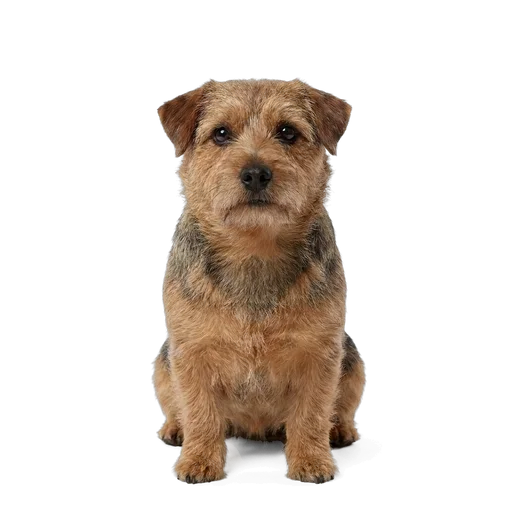
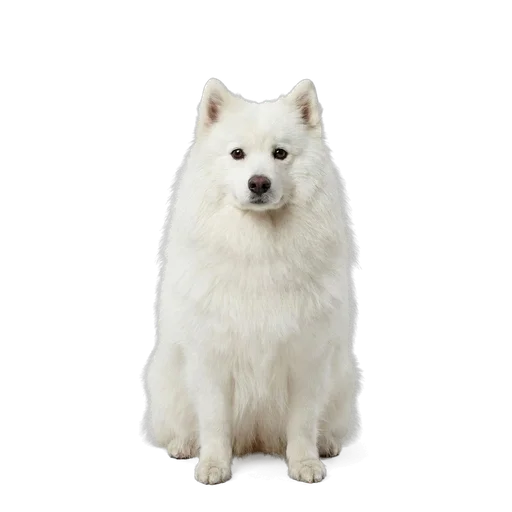
Deciding between similar breeds? Here is the Norwegian Lundehund next to Norfolk Terrier and Japanese Spitz.
| Norwegian Lundehund | Norfolk Terrier | Japanese Spitz | |
|---|---|---|---|
| Size | Small | Small | Small |
| Weight | 6-7 kg | 5-5 kg | 5-10 kg |
| Lifespan | 12-15 yrs | 12-15 yrs | 10-16 yrs |
| Activity | Moderate | Moderate | Moderate |
| Shedding | High | Low | High |
| Good with kids | Yes | Yes | Yes |
| Apartment-friendly | Yes | Yes | Yes |
Frequently asked questions
What is Lundehund syndrome and will my dog definitely get it?
Lundehund syndrome is a complex of digestive diseases, including protein-losing enteropathy and intestinal lymphangiectasia, found throughout the breed. Most Lundehunds carry some risk, but severity varies from lifelong mild sensitivity to serious chronic illness, and some dogs never show meaningful symptoms. There is no test that clears an individual dog, so the practical approach is a low-fat diet, annual blood protein checks and quick vet attention for weight loss or persistent diarrhea.
Why does the Norwegian Lundehund have six toes?
The extra toes are functional, not decorative. Lundehunds were bred to climb steep sea cliffs on Norwegian islands and pull puffins from rock crevices, and six fully muscled toes per foot gave them grip on wet rock. The same job explains their backward-bending neck, outward-flexing shoulders and closeable ears, which kept dirt out while the dog burrowed.
Are Norwegian Lundehunds hard to housetrain?
Yes, and it is fair to say this is the breed's best-known behavioral challenge. Many take far longer than average and some are never fully reliable indoors. Strict routines, crate training, frequent outings and generous rewards get most dogs to an acceptable standard, but new owners should go in with realistic expectations.
What should I feed a Norwegian Lundehund?
A highly digestible, low-fat diet is the breed-standard recommendation, often starting before any digestive symptoms appear. Many owners use veterinary gastrointestinal or hydrolyzed diets, fed as several small meals a day. Work out the exact fat target with a vet who knows the breed, avoid fatty treats and table scraps, and weigh your dog monthly so any loss is caught early.
Are Norwegian Lundehunds good family dogs?
For the right family, yes. They are playful, agile and devoted to their own people, and they generally get along with respectful children and other pets. They are reserved with strangers, need patient training, and their health management asks more of an owner than most small breeds do, so they suit experienced homes better than first-time ones.
Related breeds
Health and care information is drawn from established veterinary sources and is general guidance, not veterinary advice. See our sources
Keep records for your Norwegian Lundehund
Vaccinations, food and treat safety, allergy alerts and parasite reminders - all tracked for your Norwegian Lundehund in the Pethls app.