

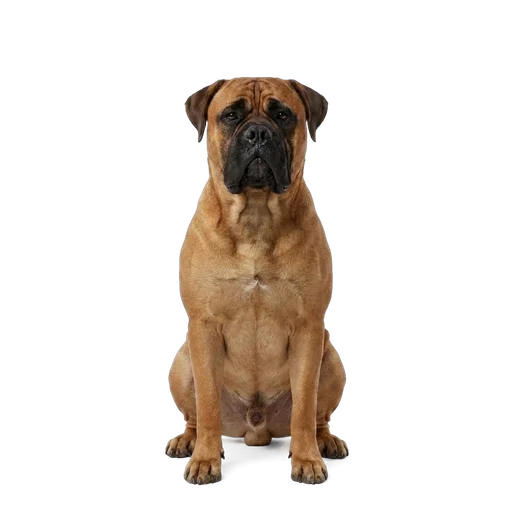
Origin: United Kingdom
Bullmastiff
Get reminders for your Bullmastiff's vaccines
Vaccination and parasite reminders, food-safety scans and health records — free to start in the Pethls app.


Good for
The Bullmastiff was created in nineteenth-century England by crossing the Mastiff with the Bulldog, bred to be a fast, silent guardian who could track down and pin poachers without mauling them. That heritage produced a giant, powerful dog with a surprisingly gentle heart. At home the Bullmastiff is affectionate, calm and deeply devoted to its family, happy to be a large, warm presence leaning against your legs. The protective instinct is still there, quiet and dependable rather than noisy, which is exactly what makes early training and socialization so important in a dog this strong. Owners also sign up for two realities of the breed: they drool, and their lifespan is sadly short at around seven to nine years.
Temperament & personality
Bullmastiffs are affectionate, loyal and brave. With their family they are gentle, patient and steady, often forming a close bond and wanting to be wherever their people are, despite their size. They are not high-energy or hyperactive; a couple of moderate walks and some play usually satisfy an adult, and much of the day is spent lounging. That laid-back nature is part of what makes them good companions for the right household.
The guarding instinct is natural and does not need encouraging. A Bullmastiff is protective of its family and territory, typically without excessive barking, which is why it makes such an effective deterrent. In a dog this powerful, that instinct has to be shaped by firm, kind, consistent training and broad socialization from puppyhood, so the adult learns to tell a welcome guest from a genuine problem and to respond to its owner.
This is not a beginner's breed. The Bullmastiff is strong, can be stubborn, and needs an owner who leads confidently without harsh methods, which backfire badly with a sensitive giant. They are usually good with children in their own family thanks to their tolerant nature, though their sheer size means small children should be supervised to avoid accidental knocks. With other dogs they can be selective, particularly same-sex, so early socialization and thoughtful introductions matter.
Vaccination schedule
Bullmastiff puppies follow the standard core vaccine schedule. DHPP guards against distemper, hepatitis (adenovirus), parvovirus and parainfluenza, given every three to four weeks from around six to eight weeks of age through to roughly sixteen weeks. Because parvovirus is especially dangerous in unvaccinated puppies, the full series should be completed before your puppy socializes with dogs of unknown vaccination status.
Rabies is given once at about twelve to sixteen weeks depending on local requirements, then boosted at the first annual visit. After the puppy course, core vaccines are boosted every one to three years according to your vet's protocol and regional law.
Leptospirosis is now a core vaccine recommended for every dog, given as a two-dose puppy series and then boosted annually rather than on the every one to three year schedule used for DHPP. Dogs with water, rural or wildlife exposure face higher risk, which is part of why the yearly booster matters, but all dogs should be covered. Other non-core vaccines are chosen by lifestyle. Bordetella, canine influenza and Lyme cover may be advised for dogs that board, attend classes or shows, or live where ticks are common. Discuss your Bullmastiff's routine with your vet so the plan fits, and because giant breeds grow fast, keep those early visits as a chance to track weight and development too.
Best food & diet
Feeding a Bullmastiff well starts in puppyhood, and it starts with restraint. Giant-breed puppies must grow slowly and steadily on a large or giant breed puppy formula with correctly balanced calcium and phosphorus, because growing too fast overloads developing joints and worsens the risk of hip and elbow problems. Overfeeding a giant puppy does real, lasting harm, so follow feeding guides and your vet's advice rather than free-feeding.
Adults need a complete, balanced diet fed in measured portions to keep them lean. Excess weight is punishing on a giant frame, straining joints and the heart and shortening an already brief life. You should be able to feel the ribs without a thick fat layer. Given the breed's risk of bloat, feed two or three smaller meals across the day rather than one large one, use a slow-feeder if your dog eats fast, and avoid vigorous exercise for an hour before and after meals (the full picture on bloat is under Common health problems).
Fresh water should always be available, though it is worth not letting a Bullmastiff gulp a huge volume in one go around mealtimes, as that can feed into bloat risk.
Common health problems
Hip and elbow dysplasia are common in the breed, where the joints form abnormally and lead to pain and arthritis. Good breeders screen the parents, so ask to see hip and elbow scores. Slow, controlled growth in puppyhood, a lean bodyweight and sensible exercise all help protect the joints across a Bullmastiff's life.
Gastric dilatation-volvulus, better known as bloat, is a true emergency in this deep-chested breed. The stomach fills with gas and can twist, cutting off blood supply, and without immediate surgery it is quickly fatal. Signs include a swollen or hard belly, unproductive retching, restlessness, drooling and obvious distress. Every Bullmastiff owner should know these signs and be prepared to get to an emergency vet at once. Some owners discuss a preventive gastropexy with their vet.
Cancer is a leading cause of death in the breed, with lymphoma among the more common types, so any unexplained lumps, weight loss or lethargy should be checked promptly. Entropion, an inward-rolling eyelid that irritates the eye, can affect some dogs and may need surgical correction. Because of their sheer size and mass, along with the dark mask, Bullmastiffs tolerate heat poorly and are at real risk of heatstroke, so heat management is part of routine care.
Allergies & skin
Bullmastiffs sometimes run into allergic skin disease, showing the usual signs of itching, redness, recurrent ear infections and hair loss. Triggers may be environmental, such as pollen, mold and dust mites, or dietary. If your dog is persistently itchy or keeps getting ear or skin infections, your vet can help work out whether the cause is a food or something in the environment, sometimes with an elimination diet.
The breed's facial wrinkles and the folds around the muzzle need attention. Moisture and food can collect in those folds and lead to skin fold dermatitis, so wipe the folds clean and dry them as part of a routine. The drool that Bullmastiffs are famous for keeps the muzzle and lip area damp, which adds to the need for regular cleaning there.
Their short coat makes it easy to spot skin problems early if you look, so run your hands over your dog regularly and check the skin, folds and ears. Keep the skin dry after baths, deal with any hot spot or sore promptly, and don't ignore a smell or persistent redness in a fold, as those are early signs of infection worth catching before they deepen.
Flea, tick & worm prevention
Year-round flea and tick prevention is important for a Bullmastiff. Fleas can trigger allergic skin flares, and ticks carry diseases such as Lyme and ehrlichiosis. Because dosing is by weight and this is a giant breed, make sure any product is rated for your dog's full adult size; products for small or medium dogs will not protect a dog this heavy. Your vet can recommend a suitable spot-on, oral or collar product.
Worming covers the internal parasites: roundworms, hookworms, whipworms and tapeworms. Puppies are wormed every two weeks until around twelve weeks, then monthly until six months, then on an adult routine, commonly every three months. Many owners prefer a combination product covering fleas, worms and heartworm to keep the schedule simple.
Where heartworm occurs, monthly prevention is essential, because treating an established infection is difficult and hard on the dog. Match the plan to your climate and travel, weigh your dog so the dose is right, and check for ticks after walks, running your hands through the coat and around the neck and ears.
Medications & dosing
For a giant breed, correct dosing by body weight is not optional. Adult Bullmastiffs typically weigh between forty-five and fifty-nine kilograms, and many standard-sized products stop well short of that, so a medication or preventive must be prescribed by your vet for your dog's actual weight. Weigh your dog regularly, since even small percentage errors add up on a body this large.
Never give human medications such as ibuprofen or paracetamol, which are toxic to dogs. For the joint pain common in older Bullmastiffs, your vet can prescribe canine-safe anti-inflammatories and monitor organ function during long-term use. As with any large dog, always make sure any vet treating your Bullmastiff knows the breed and your dog's full weight, so anaesthesia and medication doses can be chosen appropriately.
Finish prescribed courses fully, especially antibiotics for skin or ear infections, and keep a written record of any medication reactions to share with every vet. Given the breed's bloat risk, act immediately on the emergency signs (listed under Common health problems) rather than dosing at home. If you suspect a poisoning or a dosing mistake, contact your vet or an animal poison line without delay.
Grooming & coat care
Grooming a Bullmastiff is refreshingly simple. The short, dense coat needs only a weekly brush with a rubber mitt or bristle brush to remove loose hair and keep it healthy, with a little more attention during seasonal molts. They are moderate shedders, not heavy ones, and baths are needed only occasionally when the dog is genuinely dirty.
The care that does take effort is the face and the drool. Bullmastiffs slobber, especially after eating and drinking, so keeping a cloth handy and wiping the muzzle and lip folds is a daily reality. The wrinkles around the face need cleaning and drying to prevent the folds from becoming sore or infected. Clean the ears regularly and check them for redness or odor, since their folded ears can trap moisture.
Keep the nails trimmed, as a heavy dog with overgrown nails puts extra strain on the joints, and stay on top of dental care. Look at the eyes during grooming, and since a dog can run into entropion, flag any squinting or discharge to your vet. Never rely on trimming the short coat to cool a Bullmastiff; manage heat through shade, water and timing of exercise instead.
How the Bullmastiff compares
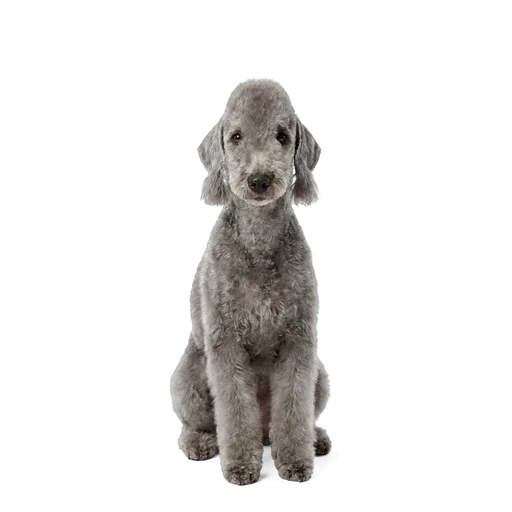
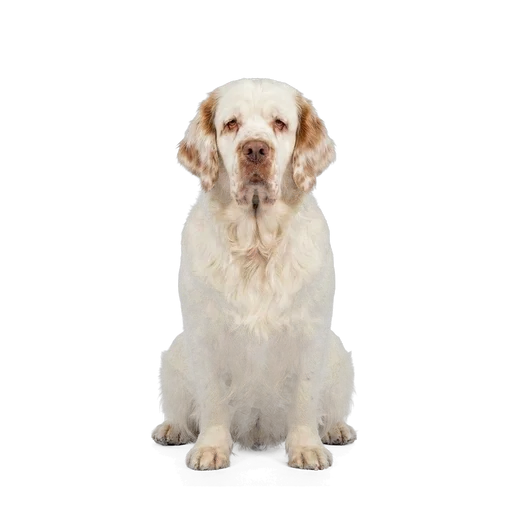
Deciding between similar breeds? Here is the Bullmastiff next to Bedlington Terrier and Clumber Spaniel.
| Bullmastiff | Bedlington Terrier | Clumber Spaniel | |
|---|---|---|---|
| Size | Large | Medium | Medium |
| Weight | 45-59 kg | 8-10 kg | 25-39 kg |
| Lifespan | 7-9 yrs | 11-16 yrs | 10-12 yrs |
| Activity | Moderate | Moderate | Moderate |
| Shedding | Medium | Low | Medium |
| Good with kids | Yes | Yes | Yes |
| Apartment-friendly | Yes | Yes | Yes |
Frequently asked questions
How long do Bullmastiffs live?
Sadly, not long. The breed's average lifespan is around seven to nine years, which is typical for giant dogs. Keeping your Bullmastiff lean, feeding a correct diet from puppyhood, staying on top of joint health and watching for early signs of bloat and cancer all give the best chance of a full, comfortable life within that span.
Do Bullmastiffs drool a lot?
Yes. Drooling is a normal breed trait, most noticeable after eating and drinking and in warm weather. Owners keep a cloth handy and wipe the muzzle and lip folds regularly, both to manage the mess and to keep the skin folds clean and dry. If you cannot live with slobber, this is not the breed for you.
What is bloat and why does it matter for Bullmastiffs?
Bloat, or gastric dilatation-volvulus, is a life-threatening emergency where the stomach fills with gas and can twist. Deep-chested giant breeds like the Bullmastiff are at particular risk. Signs include a swollen or hard belly, unproductive retching, restlessness and drooling, and it needs immediate emergency surgery. Feeding smaller meals, slowing fast eaters and avoiding hard exercise around meals help reduce the risk.
Are Bullmastiffs good family dogs?
They can be excellent family companions. With their own family they are affectionate, calm and patient, and typically good with children they are raised alongside. Their size means small children should be supervised to avoid accidental knocks, and their protective nature and strength make early training and socialization essential. They are not a good choice for a first-time dog owner.
How much exercise does a Bullmastiff need?
Less than you might expect for such a big dog. A couple of moderate daily walks plus some play usually keeps an adult happy and fit; they are calm, fairly low-energy dogs indoors. Avoid over-exercising puppies, whose growing joints are vulnerable, and exercise in the cooler parts of the day, since the breed tolerates heat poorly.
Related breeds
Health and care information is drawn from established veterinary sources and is general guidance, not veterinary advice. See our sources
Keep records for your Bullmastiff
Vaccinations, food and treat safety, allergy alerts and parasite reminders - all tracked for your Bullmastiff in the Pethls app.