


Origin: United Kingdom
Bedlington Terrier
Get reminders for your Bedlington Terrier's vaccines
Vaccination and parasite reminders, food-safety scans and health records — free to start in the Pethls app.


Good for
The Bedlington Terrier is instantly recognisable, a graceful dog with a curly, lamb-like coat, a pear-shaped head and an arched back that hint at the whippet somewhere in its make-up. Bred in the mining towns of Northumberland to catch vermin and course small game, it pairs terrier grit with a gentler, milder temperament than most of its group. Bedlingtons weigh around 8 to 10kg, live a good long 11 to 16 years, and make warm, loyal family companions. Their low-shedding coat makes them a popular choice for allergy-conscious homes. The breed's standout health matter, a liver condition called copper-associated hepatopathy, is manageable with the right knowledge and screening.
Temperament & personality
For a terrier, the Bedlington is notably soft-natured. At home it tends to be calm, affectionate and devoted, happy to curl up beside its family and content with a relaxed pace of life. That mildness makes it easier company than many terriers and well suited to households wanting a gentler dog with real character. It bonds closely with its people and is usually good-natured with children.
Under that lamb-like exterior, though, the working dog is intact. Bedlingtons are quick, athletic and capable of surprising bursts of speed, a legacy of the sighthound in their ancestry, and they retain a strong prey drive toward rabbits, squirrels and other small animals. They love a good run and enjoy games that let them stretch out. A secure garden and careful management around wildlife and small pets are sensible.
The breed is intelligent and trainable, responding well to kind, consistent methods. Bedlingtons can show a stubborn or determined streak, and historically they had a reputation for standing their ground with other dogs if pushed, so early socialization pays off. Give one enough exercise, company and gentle structure, and you get a loyal, easygoing and affectionate companion.
Vaccination schedule
Bedlington puppies follow the UK core vaccination program. The primary DHPP course, protecting against distemper, hepatitis, parvovirus and parainfluenza, typically starts around 8 weeks with a second injection at 10 to 12 weeks, and sometimes a third at 16 weeks depending on the vaccine and circumstances. Your vet will confirm the exact timing.
Rabies vaccination is not needed for dogs remaining in the UK, but it is required for foreign travel under pet travel rules. It must be given after microchipping and no sooner than 12 weeks of age, with the mandatory waiting period observed before any trip abroad.
Leptospirosis is now a core vaccine recommended for every dog, and it is usually rolled into the puppy course, with a 2-dose puppy series followed by an annual booster. Wet, rural or wildlife-heavy environments raise the exposure risk, which is part of why that yearly booster matters. Kennel cough vaccination is sensible if your Bedlington will attend classes, shows or boarding. The first booster comes around 12 months after the puppy course, after which your vet sets an individual schedule with some components boosted yearly and others every three years.
Best food & diet
Diet carries extra weight for a Bedlington because of the breed's link to copper-associated hepatopathy, a liver disorder involving the storage of excess copper. For an affected dog, or one identified as at risk through DNA testing, your vet may recommend a diet that is controlled in copper and avoids high-copper ingredients such as liver, shellfish and certain organ meats. This is a genuine medical measure, so any dietary plan for a diagnosed dog should be guided by your vet rather than assembled from general advice.
For a healthy Bedlington without liver concerns, a good-quality complete food suited to a small-to-medium active breed works well, with a named protein source and balanced nutrients. Feed to maintain a lean body condition, since the breed's athletic frame is meant to look trim, and you should be able to feel the ribs easily. Weigh portions and account for treats within the daily total.
Feed puppies a growth diet across several small meals a day, settling to two meals daily in adulthood, with fresh water always available. Whatever the diet, keeping tabs on liver health through your vet, and following any prescribed feeding plan closely, is one of the most important things you can do for this particular breed.
Common health problems
The defining health issue in the Bedlington is copper-associated hepatopathy, a serious inherited liver disease in which copper builds up in the liver and damages it over time. Signs can be vague early on, including lethargy, poor appetite, vomiting, weight loss and eventually jaundice, and the disease can be advanced before it becomes obvious. The good news is that a DNA test exists for the main genetic cause, so breeders can screen and owners can know their dog's status. Diagnosed dogs are managed with a combination of copper-controlled diet, medication to help remove copper, and regular monitoring, and many do well when caught early.
Distichiasis is another breed concern, where extra eyelashes grow from an abnormal position along the eyelid. Depending on how the lashes sit, they can rub on the surface of the eye and cause irritation, watering, squinting or, in worse cases, damage to the cornea. Mild cases may just need monitoring, while more troublesome ones can be treated to remove the offending lashes.
Patellar luxation, a slipping kneecap, is also seen and can cause an intermittent skipping gait, ranging from mild to needing surgical repair. As with any breed, staying on top of routine veterinary checks, keeping the eyes comfortable and the weight lean, and having your dog DNA-tested so you know its copper status all help you stay ahead of problems rather than reacting to them.
Allergies & skin
The Bedlington's curly, low-shedding coat is one of its charms, and the breed is not especially prone to skin allergies. Even so, any dog can occasionally develop atopic dermatitis, an allergic reaction to environmental triggers such as pollen or house dust mites. Look out for persistent itching, paw licking, red skin, ear irritation and repeated scratching, and get it assessed if it does not settle, rather than assuming it will pass.
Food allergies are uncommon but can occur, usually as itchy skin or digestive upset, and diagnosing them properly means a vet-led elimination diet rather than trial and error. Fleas are a classic and easily overlooked cause of itching, and flea allergy dermatitis can flare from very few bites, which is why steady parasite control matters for coat and skin comfort.
The curly coat itself needs attention to stay healthy. Because it does not shed much, dead hair and moisture can get trapped close to the skin if the coat is neglected, so regular grooming and keeping the dog dry after wet walks help prevent problems. Keep the ears clean, check the skin while you groom, and mention any bald patches, scabs, lumps or hot spots to your vet.
Flea, tick & worm prevention
Parasite prevention is a year-round commitment in the UK, and at 8 to 10kg your Bedlington should be dosed to its correct weight band. Flea and tick products, available as spot-ons, tablets or collars, are all weight-based, so pick the right bracket and re-check it as a puppy grows. Ticks are common in grass and woodland and can carry Lyme disease, so a product with tick cover suits most Bedlingtons, particularly active ones that roam through undergrowth.
Worming covers roundworms and tapeworms. Puppies are wormed frequently, about every two weeks until 12 weeks of age, then monthly until six months. Adult dogs are usually treated every three months, more often if they hunt, scavenge or eat raw food. Lungworm, spread through slugs and snails, is a serious and sometimes fatal risk across much of Britain, so most Bedlingtons are best on a product that covers it, and your vet can confirm the risk in your area.
A single prescription treatment that combines flea, tick and worm protection often makes the routine easier to keep up. Your vet can tailor a plan to your Bedlington's weight, lifestyle and local parasite risks, and will adjust dosing as the dog matures. If your dog is on liver medication, always tell your vet so any parasite products are chosen with that in mind.
Medications & dosing
All medications for a Bedlington are dosed by body weight, so keep track of your dog's current weight and never share medicines between dogs or reach for human products without veterinary guidance. At only 8 to 10kg, a small dosing error becomes a large one in proportion, so accuracy matters.
This point carries extra importance for the breed because dogs with copper-associated hepatopathy often take long-term medication to help remove copper from the liver, sometimes alongside supplements and a special diet. These treatments need exact, consistent dosing and regular monitoring blood tests, and doses should only be changed on your vet's instruction. Because the liver processes many drugs, some medications need to be used with extra care in a Bedlington with liver disease, which is another reason to keep your vet fully informed.
Human painkillers like paracetamol and ibuprofen are toxic to dogs and must never be given. Always complete a prescribed course, measure doses with the tool provided, and store medicines safely out of reach. If a dose is missed or you suspect your dog has swallowed something dangerous, contact your vet or a pet poison line straight away rather than waiting.
Grooming & coat care
The Bedlington's coat is its signature, a mix of soft and harder hair that forms tight curls and gives the breed its lamb-like look. It is low-shedding, which is part of why the breed suits many allergy-conscious households. That coat comes with real commitment, because it keeps growing and needs professional clipping and trimming roughly every six to eight weeks to maintain the distinctive outline and stop it becoming unruly.
Between grooming appointments, brush and comb the coat regularly, ideally a few times a week, to prevent the curls from matting, especially in the softer areas behind the legs and around the face. Skipping this leads to knots that are uncomfortable and hard to remove. Many owners learn basic tidying at home and rely on a groomer for the full trim and the characteristic shaping of the head and ears.
Complete the routine with regular nail trimming, ear cleaning, and attention to the eyes given the breed's tendency toward extra eyelashes, wiping away discharge and watching for signs of irritation. Tooth brushing helps ward off dental disease. Start grooming young so your Bedlington grows up comfortable being handled, since this is a high-maintenance coat and cooperation makes every session easier for both of you.
How the Bedlington Terrier compares
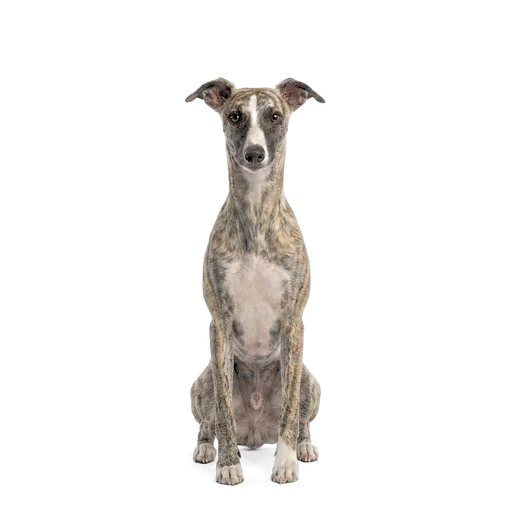
Deciding between similar breeds? Here is the Bedlington Terrier next to Whippet and Norfolk Terrier.
| Bedlington Terrier | Whippet | Norfolk Terrier | |
|---|---|---|---|
| Size | Medium | Medium | Small |
| Weight | 8-10 kg | 11-19 kg | 5-5 kg |
| Lifespan | 11-16 yrs | 12-15 yrs | 12-15 yrs |
| Activity | Moderate | Moderate | Moderate |
| Shedding | Low | Low | Low |
| Good with kids | Yes | Yes | Yes |
| Apartment-friendly | Yes | Yes | Yes |
Frequently asked questions
Are Bedlington Terriers hypoallergenic?
Their curly, low-shedding coat makes them one of the better breed choices for allergy-conscious homes, though no dog is truly hypoallergenic. So anyone with allergies should spend time around the breed before bringing one home. The trade-off is a coat that needs regular professional grooming.
What is copper toxicosis in Bedlington Terriers?
It is an inherited liver disease, also called copper-associated hepatopathy, in which copper accumulates in the liver and causes damage over time. A DNA test is available for the main genetic cause, so dogs can be screened. Affected dogs are managed with a copper-controlled diet, medication and regular monitoring, and early detection greatly improves the outlook.
Are Bedlington Terriers good with children and other pets?
Yes, they are generally gentler and milder than most terriers, and they tend to be affectionate and good-natured with family, including children. They can live well with other pets when socialized early, though their strong prey drive means care is needed around small animals like rabbits and rodents.
How much grooming does a Bedlington Terrier need?
A fair amount. The coat needs professional clipping and trimming every six to eight weeks to keep its shape, plus regular brushing at home several times a week to prevent matting. It is a high-maintenance coat, so factor the ongoing time and grooming costs into your decision.
How long do Bedlington Terriers live?
They are a long-lived breed, typically reaching 11 to 16 years. Screening for the copper liver condition, keeping the eyes comfortable, maintaining a lean weight and staying current with veterinary care all support a long and healthy life.
Related breeds


Health and care information is drawn from established veterinary sources and is general guidance, not veterinary advice. See our sources
Keep records for your Bedlington Terrier
Vaccinations, food and treat safety, allergy alerts and parasite reminders - all tracked for your Bedlington Terrier in the Pethls app.