

Origin: United Kingdom
Curly-Coated Retriever
Get reminders for your Curly-Coated Retriever's vaccines
Vaccination and parasite reminders, food-safety scans and health records — free to start in the Pethls app.


Good for
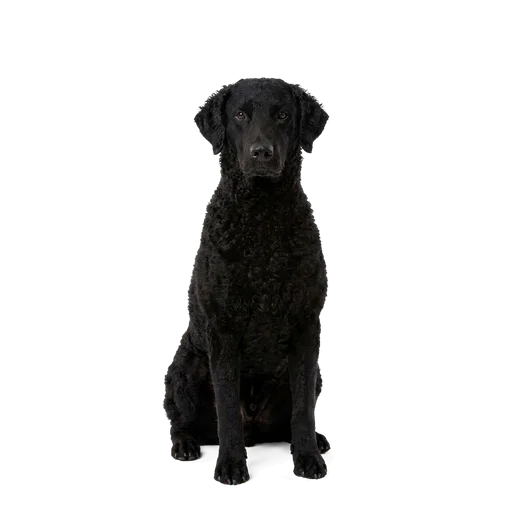
The Curly-Coated Retriever is the tallest of the retriever breeds, and you can spot one across a field by the tight mass of curls that covers its body from head to tail. This is an old British gundog, bred to work all day in cold water and rough cover, and that working history still shapes the dog you get today. Curlies are confident and independent, a little reserved with strangers, and warmly affectionate with the people they live with. They think for themselves, which makes them rewarding but not always easy. Give one enough exercise and a real job to do, and you get a steady, good-humored companion who is happy to be part of family life.
Temperament & personality
Curly-Coated Retrievers carry themselves with a kind of quiet self-assurance. They are not the bouncy, everyone-is-my-best-friend type that some retrievers are known for. A Curly tends to size up new people and new situations before committing, which reads as aloofness but is really just a thoughtful, independent mind at work. With family, that reserve melts and you see an affectionate dog who wants to be near you.
The independence cuts both ways during training. These dogs are genuinely clever and learn fast, but they get bored with drilling the same command and will start asking, in their own way, why they should bother. Short, varied, reward-based sessions work far better than repetition. Keep them guessing and keep it fun.
Bred as a versatile hunter that retrieves on land and in water, the Curly needs both a physical outlet and a mental one. A dog that gets a long run but no thinking to do can turn restless and mischievous. Scent games, retrieving drills, gundog training, or dog sports all scratch that itch. They are generally good with children and other dogs when raised with them, though their size and enthusiasm mean supervision around small kids is sensible.
Vaccination schedule
Curly puppies start their core vaccination course at around 8 weeks of age, with a second dose at roughly 10 to 12 weeks. The core vaccine is DHPP, which covers distemper, hepatitis (adenovirus), parvovirus, and parainfluenza. Parvovirus in particular is a serious threat to unvaccinated pups, so keep your puppy away from unknown dogs and public ground until your vet confirms the course is complete.
Rabies vaccination is given separately and is required if you plan to travel abroad with your dog under pet travel rules. In the UK, rabies is not part of the routine core schedule for dogs that stay home, so talk to your vet about whether your Curly needs it based on your plans.
After the puppy series, your vet will set a booster schedule, typically a first booster at around 12 months and then core boosters every 1 to 3 years depending on the vaccine. Leptospirosis is now recommended as a core vaccine for all dogs, given as a 2-dose puppy series followed by an annual booster (unlike the DHPP core boosters, which can run every 1 to 3 years). The annual booster matters even more for a water-loving working dog that swims in lakes and rivers, where lepto risk is higher. Non-core vaccines such as kennel cough are also worth discussing with your vet.
Best food & diet
A large, athletic dog weighing anywhere from 27 to 41 kilograms needs a complete, balanced diet built for its size and activity level. Look for a good-quality food where a named meat or fish is the first ingredient, with protein and fat levels that match how hard your dog actually works. A Curly competing in field trials burns far more than one that gets a couple of walks a day, and the bowl should reflect that.
Large-breed puppies need controlled growth. Feeding a large-breed puppy formula with appropriate calcium and calorie levels helps the skeleton develop steadily and reduces stress on developing joints, which matters in a breed prone to hip dysplasia. Do not overfeed a growing Curly in the hope of a bigger dog; slow and steady is healthier.
As with any large, deep-chested dog, sensible feeding habits reduce the risk of bloat and gastric torsion (GDV), so how you feed matters as much as what you feed. Split the daily ration into two meals rather than one large one, avoid vigorous exercise for an hour or so either side of eating, and do not let a stressed or panting dog gulp a big meal. Keep fresh water available at all times, and monitor body condition so your dog stays lean and muscular rather than heavy.
Common health problems
The Curly-Coated Retriever is a fairly hardy breed, but it carries several conditions that responsible breeders screen for. Hip dysplasia is the most common orthopaedic concern, a malformation of the hip joint that leads to arthritis and pain over time. Breeding dogs should be hip scored, and you can ask to see the parents' results before buying a puppy.
Glycogen storage disease type IIIa is a breed-specific inherited disorder in Curlies. It affects how the body stores and releases energy from glycogen, and affected dogs can show weakness, exercise intolerance, and low blood sugar. A DNA test exists, so reputable breeders test their stock and pair dogs so that no puppy is affected. Ask specifically whether both parents were tested.
Exercise-induced collapse is another concern to be aware of, where a dog that is fit and keen can suddenly become weak in the hindquarters and collapse after intense activity, then recover after rest. Epilepsy, causing recurrent seizures, is also seen in the breed and is usually managed with lifelong medication. And as with any large, deep-chested dog, it is worth knowing the signs of bloat and gastric torsion (GDV), a general emergency in big dogs rather than a breed-specific trait.
Allergies & skin
That distinctive curly coat is more than good looks; it is a working coat designed to shed water and resist thorns. Underneath the curls, Curlies may develop the same skin issues as other dogs, including allergic reactions to fleas, pollens, grasses, and certain foods. Because the coat is dense, it can hide problems, so part the curls now and then and check the skin for redness, scabs, or thinning.
Flea allergy dermatitis is one of the most common triggers, where a single flea bite sets off intense itching. Consistent year-round parasite control prevents a lot of misery. Environmental allergies, or atopy, tend to show up as itchy paws, ears, belly, and face, often flaring seasonally.
If your Curly is scratching, chewing its feet, losing patches of curl, or getting recurrent ear infections, get it checked early, when skin problems are far easier to control. Your vet can help work out whether the cause is parasites, food, or environmental allergens, and can suggest a management plan that might include diet trials, medicated washes, or modern anti-itch medication.
Flea, tick & worm prevention
A dog that spends its life in fields, woodland, and water is going to meet plenty of parasites, so year-round prevention is the sensible approach for a Curly. Fleas cause itching and can trigger allergic skin disease, while ticks in UK grassland and woods can transmit Lyme disease and other infections. Check your dog over after country walks, paying attention to the ears, armpits, and between the toes where ticks like to attach.
Worming covers a range of internal parasites, including roundworm, tapeworm, and, in dogs that eat slugs or snails or swim in certain areas, lungworm, which can be serious. The right product and frequency depend on your dog's lifestyle and where you live, so let your vet tailor a plan rather than picking something off a shelf.
Many owners use a combined regime that handles fleas, ticks, and worms through a mix of spot-on treatments, tablets, and collars. Whatever you choose, dose to your dog's current weight, keep to the schedule, and never split or share products between pets. Consistency is what keeps the parasites off.
Medications & dosing
Almost every medication a dog receives is dosed by body weight, and in a breed that ranges from 27 to 41 kilograms, that range is wide. A dose that suits a small female Curly could be well short for a big male, so accurate, up-to-date weight matters. Weigh your dog before starting any new treatment and let your vet do the calculating.
Never give human medicines to your dog without veterinary advice. Common painkillers such as ibuprofen and paracetamol are toxic to dogs, and even veterinary anti-inflammatories need the correct dose and monitoring. If your Curly is on long-term medication for a condition like epilepsy, follow the vet's instructions precisely, keep to consistent timing, and do not stop suddenly.
For any dog on lifelong treatment, keep a simple record of doses and any side effects, and stick to the recommended blood tests so your vet can check the medication is working and the liver and kidneys are coping. If you ever miss a dose or think your dog has swallowed something it should not have, phone your vet rather than adjusting things yourself.
Grooming & coat care
One of the pleasant surprises of the breed is how low-maintenance the coat is. Unlike a Golden or a Labrador, the Curly does not carry a heavy layer of loose fur, and the curls mean it sheds a modest amount, mostly at seasonal turns. A quick check and comb every week or so is usually enough for day-to-day upkeep.
Interestingly, brushing a curly coat too much can actually spoil the curl and leave it frizzy. Many owners find the coat looks best when it is simply wetted down and allowed to dry naturally, which lets the curls reset. When the dog is shedding, a thorough bath helps loosen and remove dead hair. Some owners lightly trim the tail, ears, and feet to keep a tidy outline, but the body coat is generally left as nature intended.
Round out the routine with the basics: check and clean the ears regularly, especially in a dog that swims often, since trapped water invites infection. Keep the nails trimmed, brush the teeth several times a week, and use bath time to run your hands over the skin and feel for any lumps, sore spots, or embedded ticks.
How the Curly-Coated Retriever compares
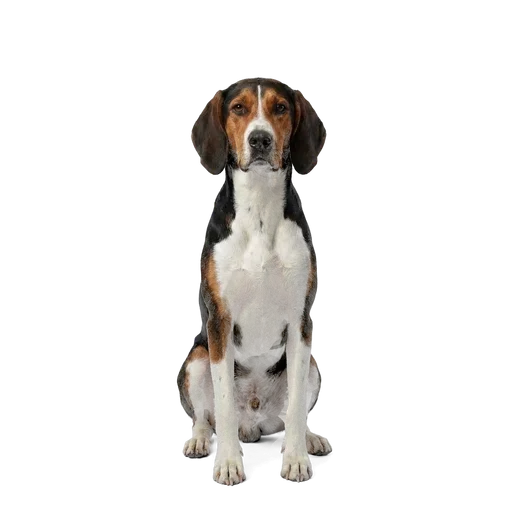
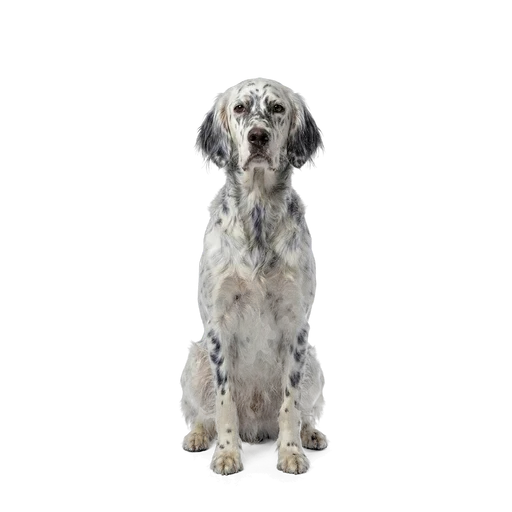
Deciding between similar breeds? Here is the Curly-Coated Retriever next to English Foxhound and English Setter.
| Curly-Coated Retriever | English Foxhound | English Setter | |
|---|---|---|---|
| Size | Large | Large | Large |
| Weight | 27-41 kg | 29-34 kg | 20-36 kg |
| Lifespan | 10-12 yrs | 10-13 yrs | 12-14 yrs |
| Activity | Active | Active | Active |
| Shedding | Medium | Medium | Medium |
| Good with kids | Yes | Yes | Yes |
| Apartment-friendly | No | No | No |
Frequently asked questions
Are Curly-Coated Retrievers hypoallergenic?
No. Although the curly coat sheds less than a straight retriever coat, the breed still sheds and produces the dander and saliva proteins that cause allergic reactions. No dog is truly hypoallergenic, and allergy sufferers should spend time around the breed before committing.
How much exercise does a Curly-Coated Retriever need?
Plenty. This is an athletic working gundog that needs at least an hour or two of real activity a day, ideally including free running, swimming, and retrieving. Just as important is mental work; without a job to occupy that clever, independent mind, a Curly can become bored and destructive.
Are Curly-Coated Retrievers good family dogs?
Yes, for the right family. They are affectionate and loyal with their own people and generally good with children and other dogs when raised with them. They suit an active household that can meet their exercise needs and appreciate a dog that is a little more independent and reserved than the typical retriever.
Do Curly-Coated Retrievers shed a lot?
They shed a moderate amount, less than many other retrievers thanks to the curly coat. Shedding tends to increase at seasonal changes. A weekly check and the occasional bath during heavy sheds keep things manageable, and over-brushing is actually discouraged because it frizzes the curls.
What health tests should a Curly-Coated Retriever breeder do?
Look for hip scoring plus a DNA test for glycogen storage disease type IIIa. An eye examination is a sensible addition too. Responsible breeders test both parents and will happily share the results. Ask about exercise-induced collapse and any family history of epilepsy as well.
Related breeds
Health and care information is drawn from established veterinary sources and is general guidance, not veterinary advice. See our sources
Keep records for your Curly-Coated Retriever
Vaccinations, food and treat safety, allergy alerts and parasite reminders - all tracked for your Curly-Coated Retriever in the Pethls app.