

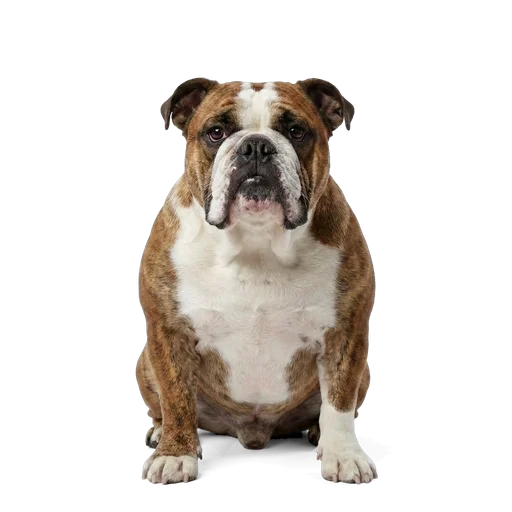
Origin: United Kingdom
English Bulldog
Get reminders for your English Bulldog's vaccines
Vaccination and parasite reminders, food-safety scans and health records — free to start in the Pethls app.


Good for
The English Bulldog is a thickset, low-slung dog with a wrinkled face, an undershot jaw, and a personality far more couch potato than its fighting ancestry would suggest. Bred in the United Kingdom, it now weighs roughly 18 to 25 kg and stands about 31 to 40 cm at the shoulder. Owners love the breed for its calm, affectionate nature and its ease in a small flat. The trade-off is a long list of health problems tied to that flat face and stocky build, and a short lifespan of about 8 to 10 years. Anyone taking one on should go in with clear eyes about the breathing, skin, and heat issues that come as standard.
Temperament & personality
Bulldogs are steady, easygoing, and deeply attached to their people. They are not busy dogs. A typical adult wants a short walk, a good meal, and then several hours flat out on the coolest floor in the house. That low drive makes them a genuinely good fit for apartment living and for owners who do not want a dog that needs a job.
They are gentle with children and tend to tolerate a lot of clumsy handling without snapping. Most get along with other pets, especially if raised alongside them, though some males can be stubborn about sharing space. Stubborn is the key word overall. A Bulldog will hear your command, think about it, and decide on its own timeline.
Training works best in very short sessions with food and patience. Harsh correction gets you a dog that digs in and does nothing. They are smart enough to learn the house rules quickly but not eager to perform, so temper your expectations and reward the wins.
Vaccination schedule
Bulldog puppies follow the same core vaccine plan as any dog. The DHPP combination covers distemper, hepatitis (adenovirus), parvovirus, and parainfluenza. Puppies start the series at 6 to 8 weeks, with boosters every 3 to 4 weeks until they are at least 16 weeks old. That usually means shots at about 8, 12, and 16 weeks.
Rabies is given once at 12 to 16 weeks depending on local law, then boosted at the one-year mark. After that, rabies and DHPP run on a 1 to 3 year cycle based on the vaccine product and your vet's protocol.
Leptospirosis is now recommended as a core vaccine for every dog. It uses a 2-dose puppy series followed by an annual booster, unlike the DHPP core shots that run on a 1 to 3 year cycle, and the yearly booster matters more if your Bulldog has water, rural, or wildlife exposure. Non-core vaccines such as Bordetella (kennel cough), Lyme, and canine influenza are worth discussing with your vet if your dog goes to daycare, boarding, or grooming often. One breed-specific caution: sedation and anesthesia carry extra risk in brachycephalic dogs, so make sure any clinic handling your Bulldog knows how to manage a flat-faced airway before, during, and after a procedure.
Best food & diet
Bulldogs gain weight easily and carry it badly. Extra fat presses on an already compromised airway and loads the joints, aggravating the hip and elbow dysplasia the breed is already prone to, so keeping a Bulldog lean is one of the most useful things an owner can do. Feed measured meals, not free-choice bowls, and adjust the amount to the dog in front of you rather than the bag's chart.
This breed is prone to food-related skin flare-ups and digestive upset. Common trigger ingredients include chicken, beef, wheat, soy, and dairy. If your dog has itchy skin or loose stools, a vet-guided elimination diet using a novel protein or hydrolyzed food is the way to pin down the culprit.
The flat face and undershot jaw make eating messy. A shallow or slightly raised bowl helps them pick up kibble, and slowing a fast eater with a puzzle feeder cuts down on the gulped air that leads to gas and discomfort. Fresh water should always be within easy reach, especially in warm weather.
Common health problems
The defining issue is brachycephalic obstructive airway syndrome, or BOAS. The shortened skull crams normal amounts of soft tissue into too little space, so many Bulldogs snort, snore, gag, and struggle to move air. Severe cases benefit from surgery to widen the nostrils and trim the soft palate. If your dog tires fast, brings up foam, or turns blue-gummed, treat it as an emergency.
Heat intolerance follows directly from that airway. Bulldogs cool themselves by panting, and a blocked airway pants poorly, so they overheat frighteningly fast. Heat stroke is a real and common cause of death in this breed. Many airlines refuse to fly them in cargo for exactly this reason. Never leave one in a warm car or exercise it in the midday sun.
Bulldogs commonly develop skin fold dermatitis in the facial wrinkles and tail pocket, so it is worth keeping an eye on those areas and discussing any redness or odor with your vet. Atopic dermatitis and hip dysplasia are also worth keeping an eye on, and are good topics to raise with a vet who knows the breed. Cherry eye (a prolapsed tear gland that often needs surgical repair) is another one your vet can check for. None of this means a Bulldog cannot have a good life, but it does mean a relationship with a vet who knows the breed and a budget for the care it will need.
Allergies & skin
Atopic dermatitis is common in Bulldogs. These dogs can react to environmental allergens like dust mites, pollens, and mold, and the result is itching, red skin, ear infections, and paw licking. It often shows up in the first two years and tends to be lifelong, managed rather than cured. Modern options include anti-itch medications, allergen immunotherapy, and medicated washes.
Food allergy overlaps and confuses the picture. The common culprits are chicken, beef, wheat, soy, and dairy, and only an elimination trial confirms them. Many Bulldogs have both environmental and food triggers at once, which is why a methodical approach beats switching foods every few weeks.
The wrinkles are their own project. Warm, moist skin folds trap yeast and bacteria and turn sore and smelly if ignored. Wipe the facial folds and the tail pocket a few times a week with a vet-approved cleanser, then dry them completely. A damp fold is where the trouble starts.
Flea, tick & worm prevention
Fleas and ticks hit Bulldogs the same way they hit any dog, and flea bites are a frequent trigger for the skin flare-ups this breed already struggles with. Keep a year-round prevention product going, chosen with your vet and dosed to your dog's body weight. Options include monthly chewables and spot-on treatments, plus longer-acting collars.
Ticks carry Lyme disease, anaplasmosis, and other infections, so in tick country pick a product that covers ticks specifically and check the dog over after walks in long grass. The deep folds can hide an attached tick, so run your fingers through the wrinkles and around the neck.
Worming covers roundworms, hookworms, tapeworms, and whipworms. Puppies are wormed roughly every 2 weeks until 12 weeks of age, then monthly to 6 months. Adults are typically wormed every 3 months, more often if they hunt or scavenge. Heartworm prevention is essential in endemic regions and is usually a monthly chew that doubles as intestinal worm cover.
Medications & dosing
Almost every dose a Bulldog gets is set by body weight, so an accurate current weight matters. Parasite preventives, antibiotics, and anti-inflammatories are all banded by kilograms, and a Bulldog's compact, muscular frame can carry more weight than you would guess by eye. Always dose to the number on the scale, and reweigh a growing puppy often.
Never give human medicines without veterinary direction. Human painkillers such as ibuprofen and paracetamol are toxic to dogs. For pain and inflammation, vets use dog-specific NSAIDs like meloxicam or carprofen, and these need the correct weight-based dose plus monitoring.
The breed-specific caution is anesthesia and sedation. Brachycephalic dogs can be harder to intubate and may desaturate quickly, so discuss careful recovery with your vet and have the airway watched until they are fully awake. Flag the flat face for any procedure, from a dental to a cherry eye repair, and use a clinic comfortable managing that risk. Keep skin and ear medications on hand too, since flare-ups are a when-not-if event in this breed.
Grooming & coat care
The coat itself is easy. Short, fine, and close-lying, it needs a quick brush once or twice a week to lift dead hair and spread skin oils. Bulldogs are moderate shedders, so expect some hair on dark clothes but nothing like a double-coated breed. A rubber curry mitt does the job in a couple of minutes.
The real grooming work is the skin, not the fur. Clean the facial folds and the tail pocket regularly, dry them fully, and watch for redness or odor that signals infection starting. Check and clean the ears, keep the nails short since a heavy dog on long nails walks badly, and brush the teeth given the crowded, undershot jaw.
Bath only when needed with a gentle, skin-friendly shampoo, and rinse thoroughly so nothing sits trapped in the wrinkles. Overbathing strips the coat and worsens dryness. After any bath or a wet walk, the folds are the first place to dry.
How the English Bulldog compares
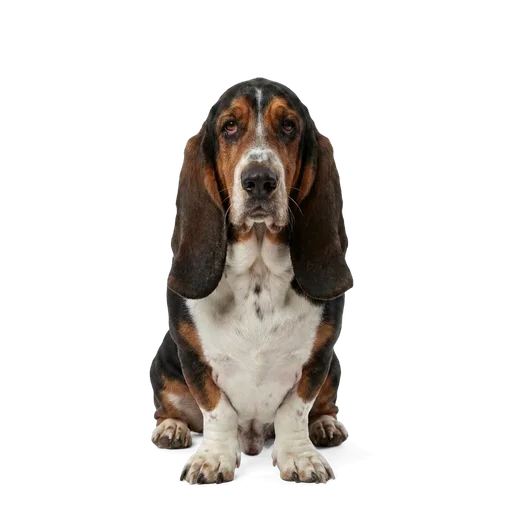
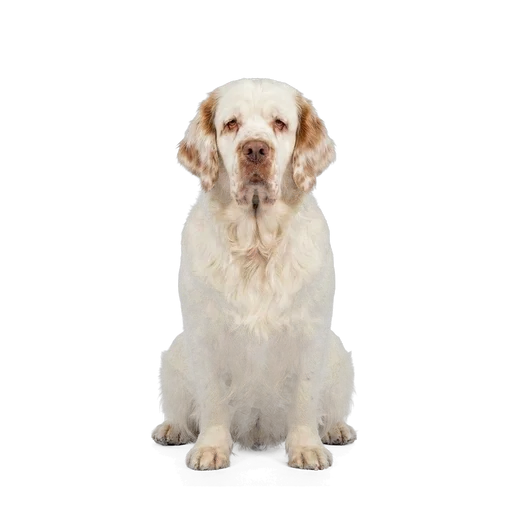
Deciding between similar breeds? Here is the English Bulldog next to Basset Hound and Clumber Spaniel.
| English Bulldog | Basset Hound | Clumber Spaniel | |
|---|---|---|---|
| Size | Medium | Medium | Medium |
| Weight | 18-25 kg | 20-30 kg | 25-39 kg |
| Lifespan | 8-10 yrs | 10-12 yrs | 10-12 yrs |
| Activity | Calm | Calm | Moderate |
| Shedding | Medium | Medium | Medium |
| Good with kids | Yes | Yes | Yes |
| Apartment-friendly | Yes | Yes | Yes |
Frequently asked questions
Why do English Bulldogs snore and breathe so loudly?
Their shortened skull packs a normal amount of soft tissue into a small space, narrowing the airway. That is brachycephalic obstructive airway syndrome, and it causes the snorting, snoring, and gagging. Mild cases are managed with weight control and heat avoidance; severe cases often improve with airway surgery.
Can English Bulldogs fly on planes?
Often not. Many airlines ban brachycephalic breeds from cargo holds because the stress and warmth can trigger fatal breathing crises. If travel is unavoidable, look for cabin options on short routes and get your vet's sign-off first. For most Bulldogs, car travel in a cool, ventilated space is the safer choice.
How much exercise does an English Bulldog need?
Not much, and never in the heat. Two short, gentle walks a day in cool parts of the morning and evening are plenty. Watch for heavy panting or slowing down and stop immediately. Overexertion in a warm climate can bring on heat stroke quickly, which is one of the leading causes of death in the breed.
Are English Bulldogs good with children?
Yes. They are calm, affectionate, and patient, and they tolerate a lot of handling without getting snappy. As with any dog, supervise interactions with small children and teach kids to respect the dog's rest. A sleeping Bulldog that needs to cool down should be left alone.
Why does my Bulldog's face smell, and how do I clean the wrinkles?
Warm, moist skin folds trap yeast and bacteria, which causes odor and soreness. Wipe the facial folds and tail pocket a few times a week with a vet-approved cleanser, then dry them completely since moisture is what feeds the problem. If the skin is red, raw, or persistently smelly, have your vet check for infection.
Related breeds
Health and care information is drawn from established veterinary sources and is general guidance, not veterinary advice. See our sources
Keep records for your English Bulldog
Vaccinations, food and treat safety, allergy alerts and parasite reminders - all tracked for your English Bulldog in the Pethls app.