

Origin: France
Basset Hound
Get reminders for your Basset Hound's vaccines
Vaccination and parasite reminders, food-safety scans and health records — free to start in the Pethls app.


Good for
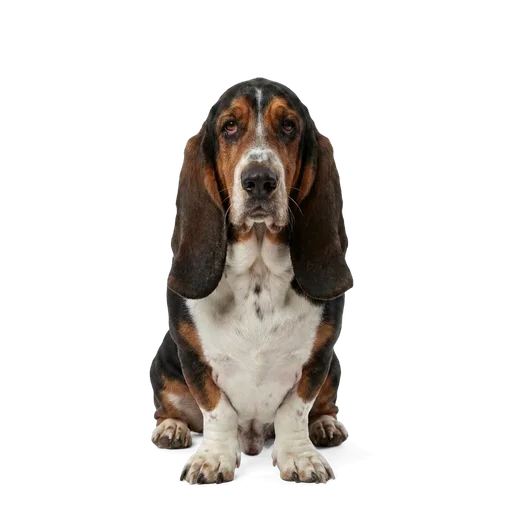
The Basset Hound is instantly recognisable: long body, short crooked legs, huge velvety ears, and a soulful, droopy face. Developed in France as a scent hound to trail rabbits and hares at a walking pace, it was built low so hunters on foot could keep up. That heritage shows in the personality, a mellow, friendly, and famously stubborn dog led firmly by its nose. They weigh a surprising 20 to 30 kilograms despite the low profile, live around 10 to 12 years, and drool a great deal. Easygoing at home and brilliant with children and other pets, a Basset comes with a short list of body-shape health quirks worth understanding.
Temperament & personality
Laid-back is the word owners use most. A Basset Hound is happy to lounge for much of the day, greeting the household with a wagging tail and a low rumble of contentment. They are affectionate, gentle, and endlessly tolerant, which is why they earn such high marks with children and rarely pick fights with other animals.
The stubbornness is real and it comes from the nose. Bred to lock onto a scent and follow it for hours, a Basset on a trail simply stops hearing you. That is not defiance so much as instinct, but it means recall is unreliable and training takes patience, short sessions, and a lot of food rewards. Harsh methods get you nowhere with a hound.
Because that nose can override everything, a Basset needs a securely fenced garden and stays on a lead in open spaces, or it will wander off after a rabbit trail and keep going. They are pack animals at heart and hate being alone, often voicing their displeasure with a distinctive mournful bay. Good with kids and good with other pets, a Basset can suit a patient owner who is prepared for slow, food-led training, provides a securely fenced space to snuffle in, has time for company since the breed hates being alone, and does not mind the drool and the stubborn streak.
Vaccination schedule
Basset puppies follow the standard core schedule, beginning DHPP at 6 to 8 weeks to cover distemper, hepatitis (adenovirus), parvovirus, and parainfluenza. Boosters continue every 2 to 4 weeks until around 16 weeks so immunity takes over as the mother's antibodies fade.
Rabies is a single dose given between 12 and 16 weeks according to local law, with a booster a year later. From then, core vaccines generally move onto a three-year cycle, with your vet adjusting for your dog's individual risk.
Non-core vaccines depend on lifestyle. Kennel cough (Bordetella) is sensible if your Basset boards, visits groomers, or mixes with other dogs, while leptospirosis and Lyme matter more for a hound that snuffles through long grass and damp ground, which is exactly where this breed likes to be. Talk the options through with your vet based on where you walk and travel.
Best food & diet
Weight control is the whole game with a Basset Hound. They love their food, they are built low with a long back, and every extra kilo piles pressure onto a spine and joints that are already vulnerable. Feed measured meals of a complete, good-quality food and resist the pleading eyes, because obesity in this breed is common and genuinely harmful.
Use body condition rather than the bag's generous guidelines. You should be able to feel the ribs without a fat layer over them, and the dog should show some tuck at the waist even under all that loose skin. If the waist disappears, cut the portion and swap treats for low-calorie options or part of the daily ration.
This breed can react to certain foods, with beef, chicken, and dairy among the more common culprits for itchy skin or digestive upset. If you suspect a food issue, run a proper elimination diet with your vet rather than guessing.
Common health problems
The long back and short legs that make a Basset so distinctive mean intervertebral disc disease, or IVDD, is a real concern in the breed. With this condition the discs between the vertebrae can bulge or rupture, causing pain, weakness, and in bad cases paralysis. Keeping the dog lean, discouraging jumping on and off furniture, and using ramps for the car all reduce the load on that spine.
The famous long ears and skin folds bring their own trouble. Ears that hang low and trap warmth and moisture can lead to chronic ear infections, and the loose facial and body folds can harbour skin infection if left damp. Both are manageable with routine cleaning, covered in the grooming section.
A few other conditions deserve watching. Bloat, or gastric dilatation-volvulus, is a life-threatening emergency where the stomach swells and can twist, so as with any dog it is worth knowing the signs of a distended belly, retching without producing anything, and distress. Two eye conditions show up in the breed: glaucoma, a painful rise in eye pressure, and cherry eye, which happens when the third eyelid gland pops out of place and may need surgical repair. And because the breed loves to eat and hates to exercise hard, plain obesity underlies and worsens many of these issues.
Allergies & skin
Those luxurious skin folds are lovely to look at and a maintenance job in practice. The folds around the face, mouth, and body stay warm and often damp, which lets yeast and bacteria build up and cause redness, smell, and soreness. Wiping the folds clean and drying them thoroughly, especially after meals and drinks, helps prevent skin fold dermatitis.
Bassets can be allergic to both food and the environment. On the food side, beef, chicken, and dairy are frequent triggers, showing as itchy skin, ear flare-ups, or loose stools. Environmental allergens for this breed include dust mites and grass pollen, which tend to cause seasonal itching, paw licking, and yet more ear trouble.
The ears deserve their own mention because they sit at the center of the skin picture. Long, heavy, and poorly ventilated, they trap moisture and are a constant target for infection, and an allergic Basset almost always has ear problems too. Managing allergies with your vet, through diet trials or medication, usually calms the ears and skin together rather than treating each flare in isolation.
Flea, tick & worm prevention
A low-slung dog that pushes its nose and belly through grass and undergrowth collects fleas and ticks readily, so keep parasite cover consistent all year in most climates. Monthly spot-on treatments or oral chews both work, and ticks in particular hide well in this breed under the long ears and in the loose folds, so check those spots by hand after country walks.
Fleas do more than itch on a Basset, because flea bites can set off the very skin and allergy problems the breed is already prone to, and fleas carry tapeworm. Staying on top of flea control therefore does double duty, protecting the skin and cutting the worm burden at the same time.
Worm the puppy every 2 weeks until 12 weeks, then monthly to 6 months, then roughly every 3 months as an adult against roundworm and hookworm, with whipworm and tapeworm covered as your vet advises for your dog's risk. Add heartworm prevention as a monthly chew or long-acting injection if you live in a heartworm area. Your vet can combine heartworm, intestinal worming, and flea and tick control into a single routine so nothing is missed.
Medications & dosing
Doses are worked out by body weight, and Bassets fool people here. They look small and low, but a solid adult weighs 20 to 30 kilograms, so guessing by appearance leads to underdosing parasite products and medicines. Weigh your dog properly and choose the correct weight band, rechecking as the dog ages or if weight creeps up.
For a breed at real risk of IVDD, pain and inflammation control comes up often, and it must be veterinary anti-inflammatories at the prescribed weight-based dose. Never give human painkillers such as ibuprofen or paracetamol, which are toxic to dogs. If your Basset shows back pain or sudden weakness, that is a same-day veterinary matter, and strict rest is often part of the treatment alongside the medication.
Ear and skin infections usually mean courses of drops, tablets, or medicated washes, and the common mistake is stopping early once the dog looks better, which lets the infection rebound. Finish every course as directed, give medicines at consistent times, and keep a simple record of what was given so repeat problems are easier for your vet to track.
Grooming & coat care
The coat itself is the easy bit. A Basset's short, dense coat needs only a weekly brush with a rubber mitt or bristle brush to lift loose hair and keep it healthy. Shedding is moderate and constant rather than dramatic, so regular brushing keeps most of the hair off your sofa. The coat is not hypoallergenic.
The real grooming work is the ears and folds, not the fur. Those long ears need checking and gently cleaning about once a week with a vet-approved ear cleaner, more often if your dog is prone to infections, because the lack of airflow inside them invites trouble. Lift them and look for redness, wax, or a yeasty smell.
Wipe and dry the skin folds around the face and body on a similar schedule to stop moisture and food building up in the creases. Manage the drool with a cloth kept handy, since this is a breed that flings slobber when it shakes. Round out the routine with nail trims every few weeks and regular teeth brushing, and the grooming session becomes a good moment to run your hands down the back and check for any sign of pain.
How the Basset Hound compares
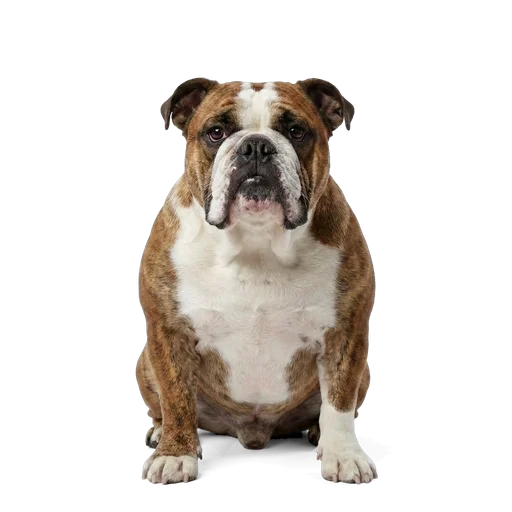
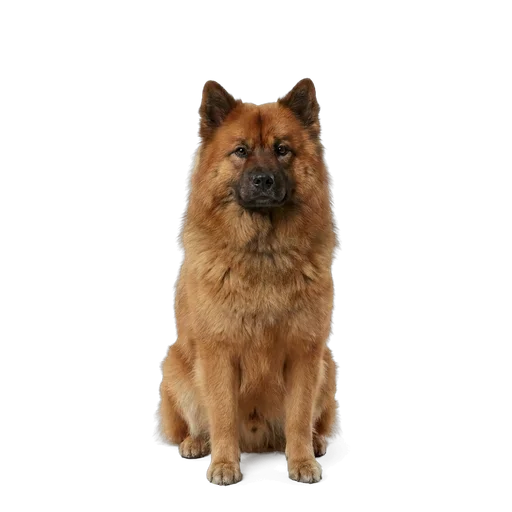
Deciding between similar breeds? Here is the Basset Hound next to English Bulldog and Eurasier.
| Basset Hound | English Bulldog | Eurasier | |
|---|---|---|---|
| Size | Medium | Medium | Medium |
| Weight | 20-30 kg | 18-25 kg | 18-32 kg |
| Lifespan | 10-12 yrs | 8-10 yrs | 12-16 yrs |
| Activity | Calm | Calm | Calm |
| Shedding | Medium | Medium | High |
| Good with kids | Yes | Yes | Yes |
| Apartment-friendly | Yes | Yes | Yes |
Frequently asked questions
Why does my Basset Hound ignore me on walks?
It is following its nose, not being naughty. Bassets were bred to lock onto a scent trail and pursue it single-mindedly, which drowns out recall. Keep them on a lead in open areas and use a securely fenced garden, because a Basset on a scent will happily wander off and keep going.
Do Basset Hounds have a lot of health problems?
They have a few linked to their shape and lifestyle. The long back makes intervertebral disc disease a real risk, the long ears and skin folds invite infections, and they gain weight easily, which worsens everything. Keeping them lean, limiting jumping, and cleaning ears and folds routinely prevents most of the trouble.
Are Basset Hounds good with children and other pets?
Very much so. Bassets are gentle, tolerant, and pack-oriented, which makes them patient with children and sociable with other dogs and cats. They dislike being left alone and enjoy company, so a busy household with other pets often suits them well.
How much do Basset Hounds drool?
A fair amount. The loose lips and jowls that give the breed its expression also collect and fling saliva, especially after drinking or when the dog shakes its head. Keeping a cloth handy and wiping the mouth folds is part of daily life with a Basset.
How often should I clean my Basset Hound's ears?
About once a week for most dogs, and more often if yours is prone to infections. The long, heavy ears trap warmth and moisture with little airflow, which is why chronic ear infections are common in the breed. Use a vet-approved cleaner and check for redness, wax, or a yeasty smell each time.
Related breeds
Health and care information is drawn from established veterinary sources and is general guidance, not veterinary advice. See our sources
Keep records for your Basset Hound
Vaccinations, food and treat safety, allergy alerts and parasite reminders - all tracked for your Basset Hound in the Pethls app.