

Origin: Germany
Eurasier
Get reminders for your Eurasier's vaccines
Vaccination and parasite reminders, food-safety scans and health records — free to start in the Pethls app.


Good for
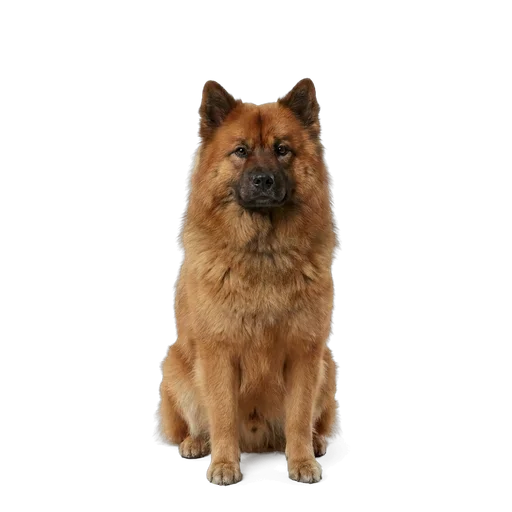
The Eurasier is a calm, dignified family spitz developed in Germany from the Chow Chow, Wolfspitz, and Samoyed, and bred for exactly one job: living closely with its people. Medium-sized at 18 to 32 kg and wrapped in a thick double coat, the breed combines a wolf-like beauty with an unusually even temperament. Eurasiers are quietly devoted at home and politely reserved with strangers, never aggressive and never shy. They cope poorly with kennels and long separation, so this is a breed for households where someone is usually around. With a lifespan of 12 to 16 years, a well-bred Eurasier is a long-term companion in the truest sense.
Temperament & personality
The Eurasier's founding breeder, Julius Wipfel, set out to create a family dog with the Chow's dignity, the Wolfspitz's watchfulness, and the Samoyed's friendliness. He began in the 1960s by crossing the Wolfspitz with the Chow Chow to make the Wolf-Chow, then introduced the Samoyed later in the decade; the breed was renamed Eurasier and recognized under that name in 1973, and the result is remarkably true to the recipe. At home a Eurasier is calm, observant, and deeply attached to every member of the household. They rarely pick a single favorite; the whole family is the pack, and they like to be in the same room as it, preferably where they can watch the door and the kitchen at once.
With strangers the breed standard asks for reserve without shyness or aggression, and good breeding delivers exactly that. A Eurasier will not fawn over your guests, but it will not hide behind you or posture at them either. It watches, decides the newcomer is acceptable, and goes back to its spot. That self-contained quality means they make quiet, undemanding housemates and passable watchdogs who bark with purpose rather than habit.
Two things this breed cannot tolerate: harsh handling and being warehoused. Eurasiers were bred purely as companions, and boarding kennels, garden-only living, or a family that is out twelve hours a day will genuinely damage their wellbeing. Training works best through warmth and consistency; they are intelligent and cooperative but see no point in pointless repetition, so keep sessions short and meaningful. Exercise needs are moderate: an hour or so of daily walking with some off-leash sniffing time keeps most Eurasiers content, and they are generally excellent with children and accepting of other household pets.
Vaccination schedule
Eurasier puppies need the standard core series regardless of how homebound the breed's lifestyle is, because parvovirus and distemper travel on shoes and pavement, not just on other dogs. The DHPP vaccine, covering distemper, hepatitis, parvovirus, and parainfluenza, begins at six to eight weeks and repeats every three to four weeks until at least sixteen weeks of age, usually three to four doses in total.
Rabies is a single dose given between twelve and sixteen weeks depending on the law where you live, boosted at one year, then continued on a one-year or three-year cycle according to the licensed vaccine. DHPP typically moves to a three-year schedule after the first adult booster. Your vet will tailor the plan, but do not stretch the puppy series; gaps at this age are when parvo kills.
Non-core vaccines depend on lifestyle. A Eurasier that attends puppy class or the groomer benefits from Bordetella cover, and leptospirosis vaccination is sensible anywhere the dog encounters standing water or wildlife. Since Eurasiers so often live indoors with families, owners sometimes underestimate exposure; a daily park walk is exposure enough. Track the whole schedule in a health log and set booster reminders a month ahead.
Best food & diet
Feed a complete, balanced diet for medium breeds and watch the portions closely, because the Eurasier's calm temperament and moderate exercise needs make weight gain easy. That thick coat hides body condition beautifully, so judge shape by touch rather than by eye: you should feel ribs under a light layer without pressing hard, and feel a tuck at the waist. Weighing the dog every couple of months gives you an objective check the coat cannot fool.
Puppies should grow on a medium-breed growth formula until around twelve months, kept lean throughout because hip and elbow dysplasia occur in the breed and excess weight during growth makes both worse. Three meals daily until six months, then two, suits most pups. Avoid calcium supplements on top of a complete puppy food; more is not better for joints and can actively harm them.
Adults do well on two meals a day of a food with moderate fat and quality protein. Because hypothyroidism is a known breed issue and its first sign is often unexplained weight gain, mention any creeping weight to your vet before simply cutting rations; a cheap blood test distinguishes an overfed dog from an underactive thyroid. Some Eurasiers are picky, fussy eaters by nature rather than illness, so resist the urge to escalate to hand-feeding roast chicken every time a meal is refused.
Common health problems
The Eurasier benefits from a health-focused breeding culture; the breed clubs in Germany and elsewhere require screening before dogs are bred, which keeps problem rates lower than in many popular breeds. Still, four issues deserve attention. Hip dysplasia and elbow dysplasia both involve malformed joints that wear abnormally and lead to arthritis. Signs include stiffness after rest, a rolling or bunny-hopping gait, and reluctance on stairs. Both parents of a well-bred litter will have official hip and elbow scores; ask to see them.
Patellar luxation, where the kneecap slips out of its groove, shows up as a characteristic skipping step: the dog trots, holds a back leg up for a few strides, then carries on as if nothing happened. Mild cases need only weight control and muscle-building exercise, while higher grades may need surgery. It is worth having your vet grade the knees at routine visits.
Hypothyroidism is the breed's most common internal issue. An underactive thyroid slows the whole metabolism, producing weight gain, lethargy, a dull or thinning coat, and sometimes cold intolerance, usually appearing in middle age. It is easily confirmed with blood tests and managed well with an inexpensive daily tablet. A Dandy-Walker-like malformation, a congenital cerebellar defect that causes wobbly, uncoordinated movement in affected puppies, is worth asking your breeder about; a DNA test exists, and responsible breeders use it, which is one more reason to buy through the breed club rather than the open market.
Allergies & skin
Under all that coat, the Eurasier has fairly unremarkable, healthy skin, and the breed is not especially allergy-prone. When itching does occur, the usual suspects apply: environmental allergies causing licked paws and itchy ears, flea allergy causing chewed backs and tail bases, and, less often, food allergy causing year-round itch or gut upset. The diagnostic path is the same as any breed, with flea control first, then an elimination diet, then allergy testing if needed.
The practical challenge is that a dense double coat hides skin problems until they are advanced. Hot spots, those rapidly spreading moist sores, can bloom under matted or damp fur within a day, especially after swimming or a rainy week. Part the coat to the skin during weekly brushing and check anywhere that stays damp: behind the ears, under the collar, around the tail.
Coat quality is also a window into the thyroid. A Eurasier whose coat turns dull, thins along the flanks, or fails to regrow after seasonal shedding may be showing early hypothyroidism rather than a skin disease, so persistent coat changes justify blood work. And to be clear for allergic households: the Eurasier is not hypoallergenic. It sheds heavily in season and carries plenty of dander in that undercoat.
Flea, tick & worm prevention
A thick double coat is a five-star hotel for parasites, and it makes them hard to spot. Fleas can sustain a large population on a Eurasier before you ever see one, so year-round preventive treatment beats waiting for scratching. Choose between monthly spot-ons, oral chews, or a long-acting collar with your vet; whatever you pick, apply spot-ons to skin at the parting, not onto the fur, or the dose is wasted.
Ticks embed deep in the ruff and trousers where fingers rarely wander. After woodland or long-grass walks, work through the coat with a slicker brush or your fingertips down to skin level, paying attention to the ears, neck, armpits, and groin. Tick-borne diseases such as Lyme and anaplasmosis are regional but expanding, so a preventive with tick cover is worthwhile for most owners.
Deworm puppies every two weeks from about two to three weeks of age until twelve weeks, then monthly to six months. Adults are commonly wormed every three months, or you can run fecal tests and treat only when needed, a reasonable approach for a homebody breed with limited scavenging habits. Families with small children should stay on the routine schedule because roundworm eggs are a human health issue. In heartworm areas, add monthly prevention after a negative test, and log every treatment in a health log so nothing lapses.
Medications & dosing
Eurasiers span a wide adult range, roughly 18 kg for a small female to 32 kg for a large male, and that spread crosses several dosing brackets for wormers, flea products, and prescription drugs. Keep an up-to-date weight in a health log and recheck it after any illness or diet change; dosing a 30 kg male on a weight recorded when he was a 20 kg adolescent means every product underperforms.
All medication should be weight-based and vet-directed. Do not borrow another dog's leftovers, and never reach for human painkillers; ibuprofen and paracetamol cause ulcers, kidney damage, and liver failure in dogs at small doses. If your Eurasier is diagnosed with hypothyroidism, expect lifelong daily levothyroxine dosed by weight and adjusted against blood levels, with rechecks a few weeks after any dose change. The tablets are cheap, but consistency matters: give them at the same time daily and keep the same relationship to meals each day, since a consistent routine matters more than the exact timing.
As with any dog, discuss the sedation and anesthesia plan with your vet before a procedure. Modern anesthetics are safe across breeds when properly monitored, so talk through it at pre-surgical consults and make sure the clinic runs pre-anesthetic blood work on middle-aged and older dogs.
Grooming & coat care
The Eurasier wears a thick double coat: a soft, dense undercoat beneath a medium-length outer coat, with a generous ruff and feathered tail. For most of the year it is surprisingly low-maintenance, needing a thorough brush once or twice a week with a slicker brush and a long-toothed comb. The comb is the honest tool; if it will not glide to the skin, the undercoat is packing and needs work before mats form behind the ears, in the armpits, and in the trousers.
Twice a year the rules change. During the spring and autumn coat blow, the undercoat releases in astonishing quantities, and daily sessions with an undercoat rake for two to three weeks are the only way to stay ahead of it. A bath followed by a proper blow-dry mid-blow loosens huge amounts at once. Vacuum accordingly. Between blows, shedding is moderate, but it never truly stops.
Never shave a Eurasier. The double coat insulates against heat as well as cold, and clipping it ruins the texture and exposes the skin to sunburn while often growing back patchy. Beyond the coat, the routine is standard: nails every three to four weeks, ears checked weekly, teeth brushed several times a week. Most Eurasiers are naturally clean, almost cat-like, with little doggy odor; a few baths a year is genuinely enough.
How the Eurasier compares
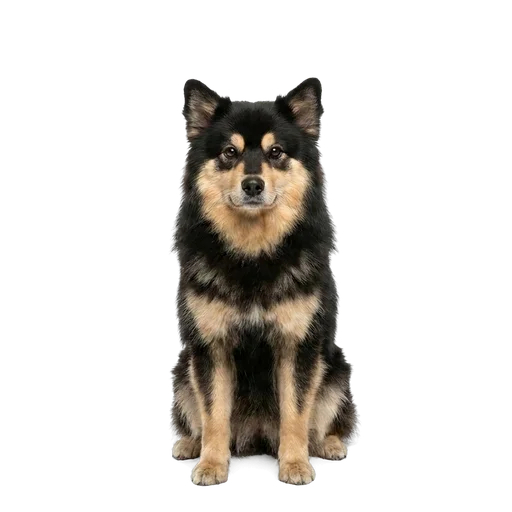
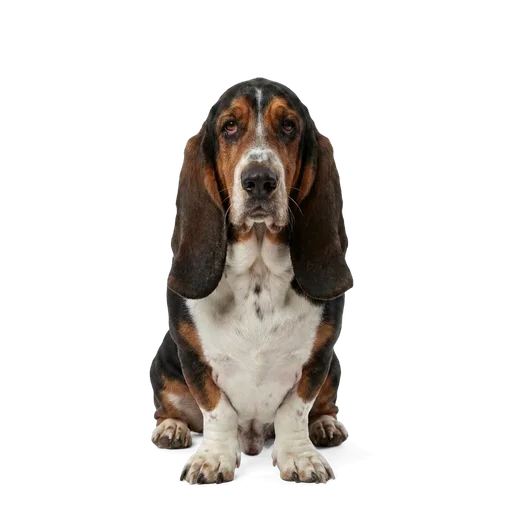
Deciding between similar breeds? Here is the Eurasier next to Finnish Lapphund and Basset Hound.
| Eurasier | Finnish Lapphund | Basset Hound | |
|---|---|---|---|
| Size | Medium | Medium | Medium |
| Weight | 18-32 kg | 15-24 kg | 20-30 kg |
| Lifespan | 12-16 yrs | 12-15 yrs | 10-12 yrs |
| Activity | Calm | Moderate | Calm |
| Shedding | High | High | Medium |
| Good with kids | Yes | Yes | Yes |
| Apartment-friendly | Yes | Yes | Yes |
Frequently asked questions
Are Eurasiers good family dogs?
They were designed for exactly that. Eurasiers are calm, patient, and quietly devoted to the whole household, and they are typically gentle and tolerant with children. The one condition is presence: this breed needs to live indoors with its people and does poorly when left alone for long workdays or boarded in kennels.
Can a Eurasier live in an apartment?
Yes, better than most spitz breeds. Eurasiers are calm indoors, bark with purpose rather than habit, and are content with an hour or so of daily walks plus sniffing time. What they cannot handle is isolation, so apartment life works when someone is home most of the day.
How bad is Eurasier shedding?
Moderate most of the year and heavy twice a year. During the spring and autumn coat blow, the undercoat sheds in handfuls for two to three weeks, and daily raking is the only realistic answer. Outside those periods, one or two weekly brushing sessions keeps hair manageable. They are not hypoallergenic.
Are Eurasiers aggressive with strangers?
No. The breed standard specifically calls for reserve without aggression or shyness. A typical Eurasier ignores strangers politely rather than greeting them like a Labrador, and it may take several visits before your friends earn tail wags. Aggression or fearfulness is a fault, and reputable breed clubs test temperament before breeding.
What health tests should Eurasier breeders do?
At minimum, official hip and elbow scores on both parents, patella evaluation, and thyroid checks, plus DNA testing for the Dandy-Walker-like malformation screened in some lines. Breed-club litters in Germany and affiliated clubs elsewhere require health screening before breeding, which is a strong reason to buy through a club breeder.
Related breeds
Health and care information is drawn from established veterinary sources and is general guidance, not veterinary advice. See our sources
Keep records for your Eurasier
Vaccinations, food and treat safety, allergy alerts and parasite reminders - all tracked for your Eurasier in the Pethls app.