

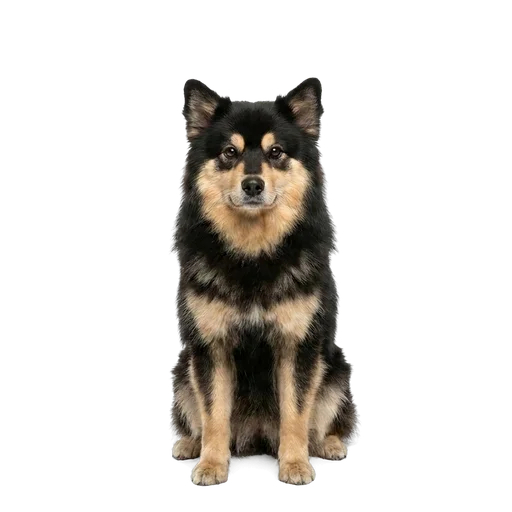
Origin: Finland
Finnish Lapphund
Get reminders for your Finnish Lapphund's vaccines
Vaccination and parasite reminders, food-safety scans and health records — free to start in the Pethls app.


Good for
The Finnish Lapphund spent centuries herding reindeer above the Arctic Circle, and it shows in everything from the weatherproof coat to the quick reflexes. This is the gentle one among the Nordic spitz breeds: soft with people, patient with children, and unusually easy to train for a dog with this much independence in its history. Expect a medium dog of 15 to 24 kilograms wrapped in a profuse double coat that molts heavily twice a year. Lappies bark, and they startle fast, a leftover from generations of dodging reindeer hooves, but they settle into family life better than almost any other spitz. Most live 12 to 15 years in good health.
Temperament & personality
Lapphund people will tell you the breed has an off switch, and they are right. Outdoors a Lappie is alert, quick and happy to work; indoors the same dog flattens out on the floor and watches the household go by. That soft, biddable streak with people is bred in. Reindeer herders needed dogs that took direction from anyone in the camp, so the modern Lappie tends to be sensitive, eager to please and forgiving of clumsy handling, though it keeps a mind of its own and can be reserved with strangers. That mix makes it one of the best spitz choices for a first-time owner.
Two quirks are worth planning around. First, the bark. Herding reindeer meant working at a distance and using voice constantly, and Lappies still announce visitors, squirrels and anything else that catches their attention. You can train a quiet cue, but you will never own a silent dog. Second, the startle reflex. The breed survived by leaping away from hooves, so a sudden grab or a loud crash right behind a Lappie produces a dramatic sideways jump. It fades to a flinch with a confident adult dog, but children should learn not to sneak up on one.
With kids, Lappies are famously tolerant. They are sturdy enough for family chaos, gentle enough for toddlers, and they usually prefer being in the middle of the noise to being left out of it. Most get along fine with other dogs and can live with cats they were raised alongside, though a fleeing cat may still trigger a short, hopeful chase.
Vaccination schedule
Lapphund puppies follow the standard canine core schedule. The DHPP combination, which covers distemper, hepatitis (adenovirus), parvovirus and parainfluenza, starts at 6 to 8 weeks of age and repeats every 3 to 4 weeks until at least 16 weeks. Most puppies end up with three or four doses. That last shot at 16 weeks or later matters most, because maternal antibodies can block earlier doses.
Rabies is given once between 12 and 16 weeks, depending on local law, with a booster one year later. After the first adult booster, most vets move both DHPP and rabies to a three-year cycle, though rabies intervals are set by regulation in many places, so check what applies where you live.
Beyond the core vaccines, ask your vet about leptospirosis and Bordetella. Lappies are outdoorsy dogs that drink from puddles and meet other dogs at training classes, which puts many of them squarely in the risk group for both. Neither vaccine is automatic; it is a lifestyle conversation worth having at the puppy visits.
Best food & diet
Feed a complete diet formulated for medium breeds, and pick a puppy food that supports controlled growth. Because hip and elbow dysplasia occur in the breed, you do not want a Lapphund puppy growing fast and heavy. Look for a food with balanced calcium and phosphorus and resist the urge to free-feed. Slow, lean growth is the single cheapest joint protection you can buy.
Adults weighing 15 to 24 kilograms usually land somewhere between about 800 and 1,200 calories a day, split into two meals, but treat that as a starting point rather than a target, because the real figure depends on the individual dog. A Lappie that hikes every weekend burns far more than one whose main sport is supervising the kitchen. Weigh the food rather than scooping by eye, and adjust monthly based on body condition. You should feel ribs easily under that thick coat without seeing them.
Watch the treats. Lappies are food-motivated, which makes training easy and waistlines hard. Keep treats under ten percent of daily calories and use part of the meal ration for training sessions. An omega-3 supplement (EPA and DHA from fish oil) is a reasonable addition for coat quality and joint support, especially in older dogs, but clear the dose with your vet first.
Common health problems
The Finnish Lapphund is a genuinely healthy breed by pedigree-dog standards, helped by a large working gene pool and decades of organized health testing in Finland. Most Lappies reach 12 to 15 years without major trouble. The conditions that do appear are well mapped, which means a careful breeder can screen for nearly all of them.
Joints come first. Hip dysplasia and elbow dysplasia both occur, so ask to see hip and elbow scores on both parents before you commit to a puppy. In an adult dog, watch for stiffness after rest, bunny-hopping in the rear, or reluctance on stairs. Caught early, dysplasia is often managed for years with weight control, fitness work and anti-inflammatories; severe cases have surgical options.
Eyes are the other focus. Progressive retinal atrophy (PRA) causes gradual vision loss starting with night blindness, and the prcd form seen in Lappies has a DNA test, so when both parents test clear for prcd-PRA their puppies are not expected to be affected by that form. Cataracts are also worth watching for and can range from tiny, harmless spots to vision-impairing opacities, so mention any cloudiness to your vet. Annual eye exams by a veterinary ophthalmologist are standard practice for breeding dogs and sensible for pets whose owners notice cloudiness or hesitation in dim light.
Allergies & skin
First, the question everyone asks: no, the Finnish Lapphund is not hypoallergenic. That dense double coat sheds heavily and carries plenty of dander, and no amount of grooming changes the allergen load enough to matter for a sensitive person. If dog allergies run in your family, spend real time around adult Lappies before bringing one home.
The breed's own skin is generally sound. The double coat evolved for Arctic weather and does a good job of protecting the skin underneath, so Lappies get fewer cuts, sunburns and contact irritations than thin-coated breeds. The flip side is that problems hide. A hot spot or tick can sit unnoticed under all that wool, which is one more argument for weekly hands-on grooming sessions.
Like any dog, a Lappie may develop environmental allergies (atopy) or food allergies. The signs are usually paw licking, ear infections that keep coming back, and scratching at the armpits and belly rather than sneezing. If that pattern shows up, see your vet rather than switching foods at random; a proper elimination diet or allergy workup saves months of guessing. Also, never shave a Lapphund to keep it cool. Clipping ruins the coat's insulating structure and exposes skin that has never seen direct sun.
Flea, tick & worm prevention
That profuse coat is a five-star hotel for parasites, and finding a flea or tick in it by eye is nearly impossible. Year-round preventives are the practical answer. Modern options include monthly spot-ons, oral chews lasting one to three months, and long-duration collars. For a dense-coated breed many vets lean toward oral products, since spot-ons need to reach skin, not sit on fur. Whatever you choose, dose by your dog's actual weight rather than the breed average, since two Lappies in one house can sit at opposite ends of the size range and need different product sizes.
Ticks deserve special attention if your Lappie hikes or works in long grass, because ticks transmit Lyme disease, anaplasmosis and other infections. After outdoor days, run your fingers through the coat against the grain, paying attention to ears, armpits, groin and between toes where the fur is thinner. Remove any tick promptly with a tick hook, twisting or pulling straight out without squeezing the body.
Worming follows the standard canine plan: puppies every two weeks from two weeks old until twelve weeks, then monthly to six months, then adults typically every three months or on a monthly preventive that covers intestinal worms. Dogs that scavenge, hunt or eat raw diets need more frequent treatment or regular fecal testing. In regions where heartworm or lungworm exists, monthly prevention is not optional; ask your vet what circulates locally.
Medications & dosing
Almost every canine drug is dosed in milligrams per kilogram, and the breed's spread in body weight is wide enough that guessing gets dangerous. A dose that suits a small female could shortchange a big male, and the reverse could cause an overdose. Have your dog weighed at least once a year, more often in seniors, and give your vet the current number whenever a prescription is written or refilled.
Never reach for the human medicine cabinet. Ibuprofen, naproxen and paracetamol (acetaminophen) are all toxic to dogs at surprisingly low doses, causing stomach ulcers, kidney failure or liver damage. If your Lappie seems sore after a long day, the safe answer is rest and a vet call, not half a human pill. Dogs with hip or elbow dysplasia often end up on veterinary NSAIDs such as carprofen or meloxicam long term, which work well but require periodic blood work to check liver and kidney values.
Finish antibiotic courses completely even when the dog looks fine, store chewable medications where a clever Lappie nose cannot reach them, and keep a simple log of what was given and when. Flavored chews smell like treats to a dog, and an entire month's supply eaten in one sitting is a genuine emergency.
Grooming & coat care
The Lapphund coat is profuse but surprisingly low-maintenance for its volume. The harsh outer guard hairs shrug off dirt and snow, and the coat does not mat easily except behind the ears, in the trousers and under the collar. A thorough brush-through once a week with a pin brush and a slicker, plus a long-toothed comb for the dense spots, keeps a pet Lappie in good shape most of the year.
Then the molt arrives. Twice a year, typically spring and autumn, a Lapphund drops its undercoat in handfuls, and for two to four weeks the weekly session becomes a near-daily one. An undercoat rake and a warm bath followed by a proper blow-dry will strip out loose wool dramatically faster than brushing alone. Unspayed females often blow coat a few weeks after a heat cycle too. During a molt, expect fur on everything you own; a robot vacuum earns its keep in a Lappie household.
Bathe only when actually dirty, every couple of months at most, because the coat's natural oils are part of its weatherproofing. Trim the fur between the paw pads, keep nails short, and check ears weekly. And to repeat the most important rule: never clip or shave the coat. It insulates against heat as well as cold, and shaved undercoat often regrows patchy and felted.
How the Finnish Lapphund compares
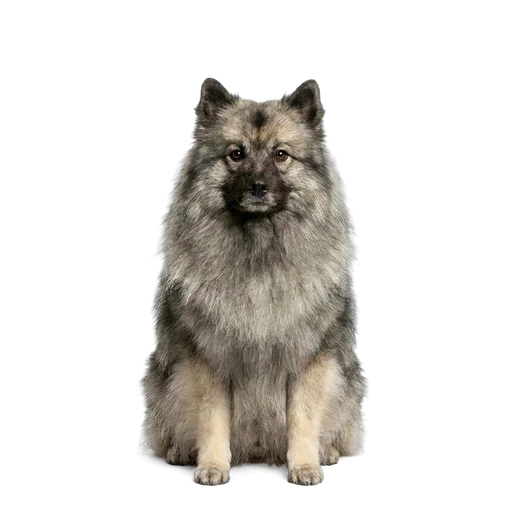
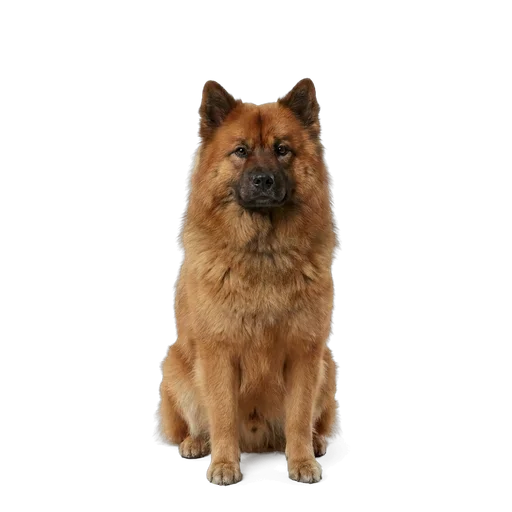
Deciding between similar breeds? Here is the Finnish Lapphund next to Keeshond and Eurasier.
| Finnish Lapphund | Keeshond | Eurasier | |
|---|---|---|---|
| Size | Medium | Medium | Medium |
| Weight | 15-24 kg | 16-20 kg | 18-32 kg |
| Lifespan | 12-15 yrs | 12-15 yrs | 12-16 yrs |
| Activity | Moderate | Moderate | Calm |
| Shedding | High | High | High |
| Good with kids | Yes | Yes | Yes |
| Apartment-friendly | Yes | Yes | Yes |
Frequently asked questions
Do Finnish Lapphunds bark a lot?
Yes. Barking was part of the job when herding reindeer, and modern Lappies still comment on visitors, wildlife and anything unusual. You can teach a reliable quiet cue and reduce nuisance barking with training and enough exercise, but a fully silent Lapphund does not exist. Factor this in if you have close neighbors.
Are Finnish Lapphunds good with children?
They are one of the best spitz breeds for families. Lappies are patient, soft-mouthed and genuinely fond of kids. The one caution is their strong startle reflex: teach children not to grab or surprise the dog from behind, since a startled Lappie jumps sideways first and thinks second.
How much exercise does a Finnish Lapphund need?
Around an hour a day keeps most adults happy, ideally a mix of walks, off-lead sniffing and some brain work like training games or nose work. They are calm indoors when their needs are met and are happy hiking all day when offered the chance. Puppies need less structured exercise while their joints develop.
Is the Finnish Lapphund hypoallergenic?
No. The breed sheds heavily, especially during its twice-yearly molts, and produces normal levels of dander. Allergy sufferers should spend time with adult Lapphunds before committing, ideally during shedding season, to test their reaction honestly.
What health tests should Finnish Lapphund breeders do?
Ask for hip and elbow dysplasia scores on both parents, a current eye exam by a veterinary ophthalmologist, and the DNA test for prcd-PRA (progressive retinal atrophy). If both parents test clear for prcd-PRA, puppies should not be affected by that form, though other PRA forms may not be covered by a single DNA test. A good breeder shows you these results without being asked twice.
Related breeds
Health and care information is drawn from established veterinary sources and is general guidance, not veterinary advice. See our sources
Keep records for your Finnish Lapphund
Vaccinations, food and treat safety, allergy alerts and parasite reminders - all tracked for your Finnish Lapphund in the Pethls app.