

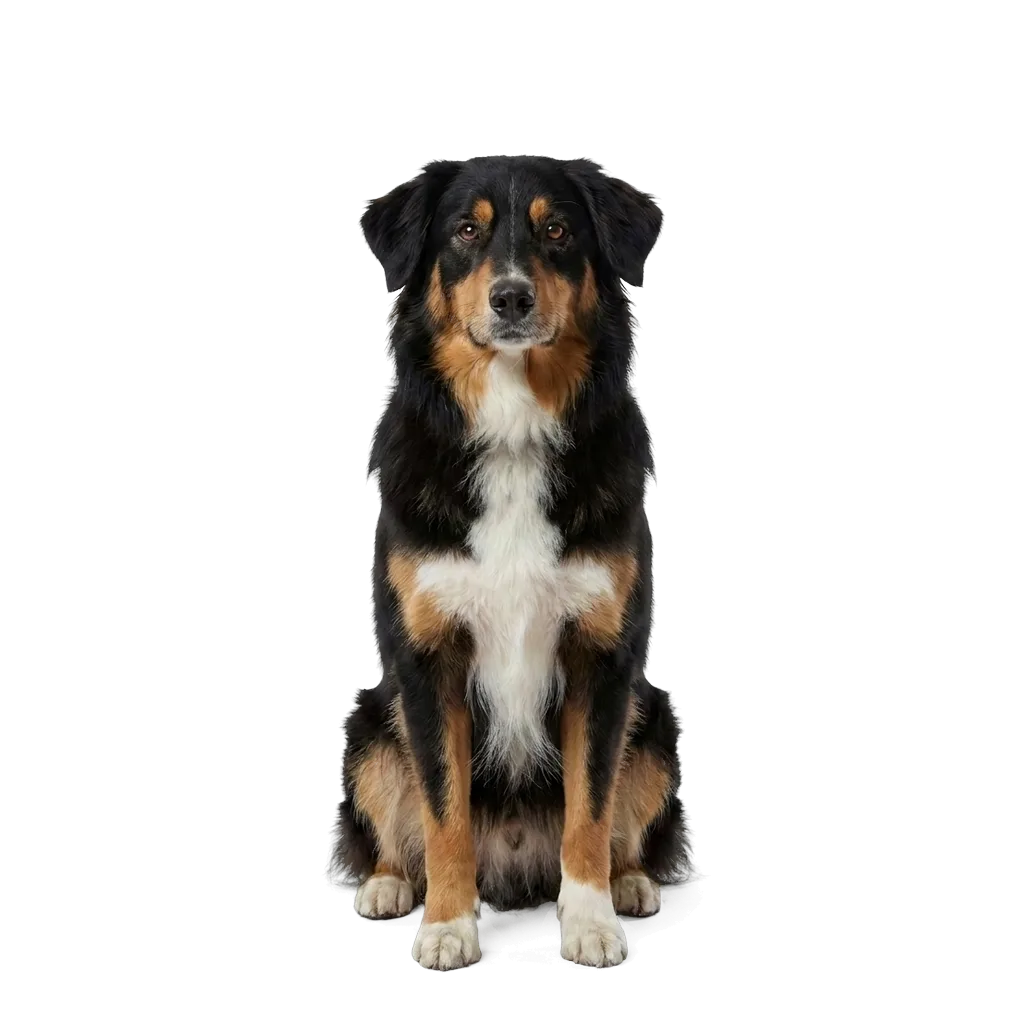
Origin: United States
English Shepherd
Get reminders for your English Shepherd's vaccines
Vaccination and parasite reminders, food-safety scans and health records — free to start in the Pethls app.


Good for
The English Shepherd is the old-fashioned American farm collie: a medium dog of 18 to 27 kg that herds stock in the morning, clears the barn of rats by noon, and watches the kids in the afternoon. Farmers kept these dogs for generations because they think for themselves and rarely need to be told twice. Expect a lifespan of 12 to 15 years, a weatherproof double coat, and a dog that is calm at home as long as it has real work or exercise. One medical detail matters from day one: as a collie-type breed, English Shepherds can carry the MDR1 (ABCB1) mutation, which changes how they handle certain common drugs.
Temperament & personality
English Shepherds were bred to run a small farm without much supervision, and it shows. They learn routines fast, enforce them, and notice anything out of place. Many owners describe a dog that appoints itself manager of the household: it knows when the school bus comes, which gate should be shut, and which cat is allowed in the yard. With family they are deeply loyal and often shadow one favorite person from room to room.
With strangers the breed is polite but reserved. A well-raised English Shepherd will not start trouble, but it will stand between its people and anything it distrusts until told to stand down. Early, steady socialization keeps that watchfulness from tipping into suspicion. Around other animals they are usually excellent, since a farm dog that harassed livestock or barn cats did not stay on the farm.
This is not a dog for a life of empty hours. Give it herding, hiking, obedience, scent work, or simply a fenced property to patrol and it settles into a calm, quiet housemate. Bored, it will invent jobs you did not assign, like herding children by the sleeve or digging inspection trenches along the fence line.
Vaccination schedule
Puppies need the core DHPP combination vaccine, which covers distemper, hepatitis (adenovirus), parainfluenza, and parvovirus. The standard series starts at 6 to 8 weeks of age, with boosters every 3 to 4 weeks until the pup is at least 16 weeks old. That usually works out to three or four visits. A DHPP booster follows at one year, then every one to three years depending on the vaccine your clinic uses.
Rabies vaccination is required by law across the United States. Most states allow the first rabies shot between 12 and 16 weeks, with a booster one year later and then every one or three years based on local rules and vaccine label. Keep the rabies certificate somewhere you can find it; you will need it for boarding, grooming, and any bite incident.
Because English Shepherds tend to live a rural, outdoorsy life, ask your vet about non-core vaccines. Leptospirosis is a strong candidate for farm dogs exposed to ponds, wildlife urine, and livestock, and Lyme vaccination makes sense in tick-heavy regions. Bordetella is worth adding if your dog attends herding trials, training classes, or boarding kennels.
Best food & diet
Feed a complete diet formulated for medium, active breeds. An adult English Shepherd in regular work does well on a food with quality animal protein around 25 to 30 percent and moderate fat. Most adults eat somewhere between 2 and 3.5 cups of dry food daily split into two meals, but appetite should follow workload: a dog moving sheep all day needs noticeably more than the same dog in winter downtime.
Puppies should eat a medium or large-breed puppy formula until 12 months. Controlled calcium and steady, lean growth matter in this breed because hip dysplasia runs in some lines, and a fat puppy loads developing joints. You should always be able to feel ribs under a light fat cover and see a waist from above.
Watch body condition closely in middle age. These dogs are efficient keepers, a trait that served farm dogs on scraps and table leavings but leads to quiet weight gain on modern kibble. Extra kilos can worsen joint issues such as hip dysplasia and patella problems, so keep the dog lean. Fish oil at a vet-recommended dose is a reasonable addition for joint and coat support in working adults.
Common health problems
The English Shepherd is a genuinely hardy working breed, and many live into their mid-teens with little more than routine care. Three issues deserve attention. First is the MDR1 (ABCB1) mutation, common across collie-type breeds, which makes affected dogs dangerously sensitive to specific drugs. It causes no symptoms on its own, so testing is the only way to know.
Hip dysplasia turns up in some lines, as it does across medium herding breeds. Reputable breeders screen hips through OFA or PennHIP, so ask to see scores on both parents. Signs in an affected dog include bunny-hopping, stiffness after rest, and reluctance to jump into the truck. Keeping the dog lean and well-muscled is the single best thing an owner controls.
Luxating patella, a kneecap that slips out of its groove, is the other orthopedic issue to know about. You might notice a skipping stride where the dog carries a back leg for a few steps, then trots on normally. Mild cases are managed with weight control and muscle conditioning; severe cases need surgery. Annual vet exams catch both joint issues early, when management is cheapest and most effective.
Allergies & skin
English Shepherds are not a notably allergic breed, but no dog is immune. Environmental allergies (atopy) are the most likely culprit if your dog licks its paws, rubs its face, or scratches through spring and fall. Common environmental triggers can include pollens, dust mites, and molds. Flea allergy is the other big one: a single bite can set off weeks of chewing at the tail base in a sensitized dog, which is one more reason year-round flea control pays off.
Food allergies are less common than owners assume, but they do happen, usually as itchy ears, recurrent ear infections, or an itchy rear end rather than digestive upset. The only reliable diagnosis is a strict 8 to 12 week elimination diet run with your vet. Over-the-counter allergy tests are not worth the money.
The dense double coat can hide skin trouble until it is well established. Part the fur down to the skin during weekly brushing and look for redness, scabs, flakes, or hot spots, especially around the collar, tail base, and armpits. A dog that suddenly smells musty or yeasty needs a vet visit, not another bath. This breed is not hypoallergenic, and its shedding carries plenty of dander, so allergy-prone households should spend time with adult dogs before committing.
Flea, tick & worm prevention
A farm collie's lifestyle is a parasite buffet: tall grass, livestock, wildlife, ponds, and barn corners. Year-round flea and tick prevention is non-negotiable. Monthly oral chews (isoxazoline class) or vet-recommended topicals both work well; collars are a reasonable backup for dogs that swim off topicals. In tick country, run your hands over ears, armpits, and between toes after every outing, because ticks carry Lyme disease, anaplasmosis, and ehrlichiosis.
Heartworm prevention should also run twelve months a year in most of the US, with an annual blood test before refills. Intestinal worms need equal attention in a dog that hunts vermin. Rats and rabbits pass tapeworm and roundworm to the dogs that catch them, so many rural vets deworm working dogs quarterly rather than relying on annual fecal checks alone. Puppies follow their own schedule: deworming every two weeks from 2 to 8 weeks of age, then monthly prevention.
One important note for this breed: some heartworm preventives are ivermectin-based. At the low heartworm dose on the label these are considered safe for MDR1-affected dogs, but never use livestock ivermectin products or off-label doses on an English Shepherd. Farm dogs also get poisoned by cleaning up spilled cattle dewormer, so store those products locked away.
Medications & dosing
Every medication dose for a dog is calculated from body weight, and an English Shepherd's 18 to 27 kg range means two dogs of the same breed can need meaningfully different amounts. Never split, guess, or borrow doses from another pet, and never give human medications without a vet's explicit instruction. Ibuprofen and acetaminophen in particular send dogs to the emergency clinic every week.
The MDR1 (ABCB1) mutation is the headline issue here. As a collie-type breed, English Shepherds are known to carry it, and affected dogs cannot pump certain drugs out of the brain, so normal doses act like overdoses. The list of drugs to which affected dogs react as if overdosed includes high-dose ivermectin and related dewormers, the anti-diarrheal loperamide (Imodium), and several chemotherapy drugs including vincristine and doxorubicin. A separate group, including the tranquilizer acepromazine and the opioid analgesic butorphanol, is not toxic in the same pump-failure way but does produce heightened, longer-lasting effects in MDR1 dogs, so vets typically start these at a reduced dose.
Order a cheek-swab MDR1 test before your dog ever needs sedation or serious treatment; it costs little and takes minutes. Tell every vet, including emergency and relief vets, about the result or about untested status, and ask them to note it prominently in the chart. When status is unknown, a cautious vet will treat an English Shepherd as affected and choose alternative drugs or reduced doses.
For routine care, stick to the schedule your vet writes: finish antibiotic courses completely, give NSAIDs with food, and report vomiting, lethargy, wobbliness, or appetite loss on any new drug the same day. Keep a simple medication log with dates and doses; it is the fastest way to give an emergency vet a useful history.
Grooming & coat care
The English Shepherd wears a medium-length double coat, straight or slightly wavy, built to shrug off rain, snow, and burrs. It needs no trimming and very little fuss: a thorough brushing once or twice a week with a slicker brush and an undercoat rake keeps it clean and separated. During the two big seasonal sheds in spring and fall, expect serious hair and step up to daily raking for a couple of weeks.
Bathe only when the dog is genuinely dirty, perhaps every couple of months, using a mild dog shampoo. Overbathing strips the natural oils that keep the coat water-resistant, protection a working farm dog genuinely relies on. After wet, muddy work, letting the coat dry and then brushing the dirt out often beats a bath entirely. Never shave a double-coated dog for summer; the coat insulates against heat as well as cold and regrows badly.
Round out the routine with nail trims every three to four weeks, weekly ear checks (especially after swimming or tall-grass work), and tooth brushing several times a week. Working dogs wear nails down naturally on hard ground, but dewclaws still need clipping. Grooming sessions double as health checks: hands-on time is when you find the tick, the grass awn between the toes, or the new lump while each is still a small problem.
How the English Shepherd compares
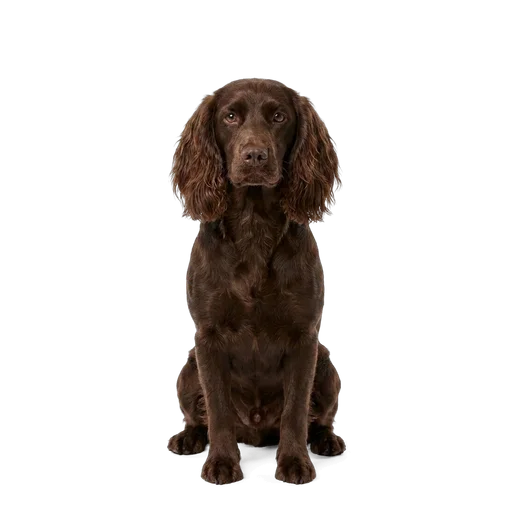
Deciding between similar breeds? Here is the English Shepherd next to Boykin Spaniel and American Eskimo Dog.
| English Shepherd | Boykin Spaniel | American Eskimo Dog | |
|---|---|---|---|
| Size | Medium | Medium | Medium |
| Weight | 18-27 kg | 11-18 kg | 4.5-16 kg |
| Lifespan | 12-15 yrs | 10-15 yrs | 13-15 yrs |
| Activity | Active | Active | Active |
| Shedding | Medium | Medium | High |
| Good with kids | Yes | Yes | Yes |
| Apartment-friendly | No | No | Yes |
Frequently asked questions
Is the English Shepherd a good family dog?
Yes, for an active household. The breed is devoted, gentle with its own children, and naturally protective without being aggressive. It does best with a yard or acreage and daily work or exercise. Supervise play with toddlers, since some dogs herd small kids by nudging or grabbing sleeves until trained out of it.
What is MDR1 and does my English Shepherd need the test?
MDR1 (ABCB1) is a gene mutation common in collie-type breeds that makes certain drugs toxic at normal doses, including high-dose ivermectin, loperamide, some sedatives, and several chemotherapy agents. A simple cheek-swab DNA test settles it. Test every English Shepherd once, ideally as a puppy, and make sure the result is in your vet's records.
How much exercise does an English Shepherd need?
Plan on at least one to two hours of real activity daily: hiking, fetch, herding, training games, or free running on a fenced property. Mental work matters as much as mileage for this breed. A well-exercised English Shepherd is famously calm indoors; an under-exercised one becomes bossy, barky, and destructive.
Do English Shepherds shed a lot?
Moderately most of the year, heavily twice a year when the undercoat blows in spring and fall. Weekly brushing manages the baseline; daily raking gets you through shedding season. The breed is not hypoallergenic, so people with dog allergies should meet adults before committing.
How long do English Shepherds live?
Typically 12 to 15 years, which is excellent for a dog of 18 to 27 kg. The breed's main health watch-points are MDR1 drug sensitivity, hip dysplasia, and luxating patella. Buying from health-tested parents, keeping the dog lean, and staying current on parasite prevention give you the best odds of a long working life.
Related breeds

Health and care information is drawn from established veterinary sources and is general guidance, not veterinary advice. See our sources
Keep records for your English Shepherd
Vaccinations, food and treat safety, allergy alerts and parasite reminders - all tracked for your English Shepherd in the Pethls app.