

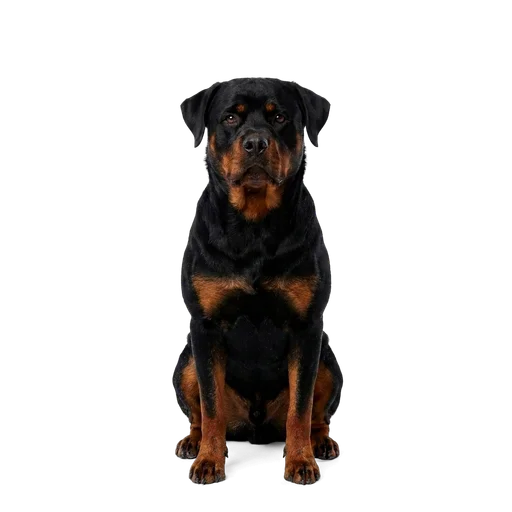
Origin: Germany
Rottweiler
Get reminders for your Rottweiler's vaccines
Vaccination and parasite reminders, food-safety scans and health records — free to start in the Pethls app.


Good for
The Rottweiler is a large, powerful working breed from Germany, known for a steady head and a deep loyalty to its people. Adults weigh roughly 35 to 60 kg and live about 8 to 10 years. Good Rottweiler temperament comes from early socialization and consistent training, not luck. This guide covers care basics: feeding, vaccination schedule, common health problems, exercise, grooming, and safe medication so you can keep a strong dog healthy for life.
Temperament & personality
A well-raised Rottweiler is calm, confident, and deeply loyal. This is a guardian breed at heart. They tend to be affectionate and playful with their own family, and naturally aloof or watchful with strangers until they decide someone is safe.
That confidence cuts both ways. A Rottie that is bored, under-exercised, or left to make its own rules can become pushy or reactive. These dogs read your energy closely and do best with an owner who is calm, clear, and consistent.
This is not a breed for passive or first-time owners who want a hands-off pet. Early socialization and steady training are essential, not optional. Put the work in during the first two years and you get a stable, trustworthy dog. Skip it and a 50 kg dog with poor manners becomes a real problem.
With kids, a properly socialized Rottweiler is often gentle and protective. Their size alone means supervision around small children is smart, since an excited dog can knock a toddler over without meaning any harm.
Vaccination schedule
Puppies get their core protection through the DHPP vaccine, which covers distemper, hepatitis, parvovirus, and parainfluenza. The series usually runs from about 6 to 16 weeks, given in a set of shots spaced 3 to 4 weeks apart.
Parvovirus deserves special attention. Parvo can hit any puppy hard and cause a fast decline, so do not cut the vaccine series short or let them roam public areas before it is complete.
Rabies is given separately, typically around 12 to 16 weeks depending on your state and local law. After the puppy series, your vet will set a booster schedule, often a year later and then every 1 to 3 years.
Leptospirosis is now recommended as a core vaccine for all dogs, given as a 2-dose puppy series and then an annual booster (unlike the DHPP core boosters that run every 1 to 3 years). Dogs with more water, rural, or wildlife exposure face a higher risk, which is part of why that yearly lepto booster matters. Non-core vaccines like Bordetella, Lyme, or canine influenza depend on where you live and how your dog spends its time. Your vet can tell you which ones actually matter for your area.
Best food & diet
For puppies, choose a large-breed puppy formula. These are built to slow down growth so bones and joints develop at a safe pace. Feeding a fast-growth diet to a big-breed pup raises the risk of hip and elbow problems later, so this choice is worth getting right.
The best food for a Rottweiler puppy has controlled calcium and calorie levels and names a real meat as the first ingredient. Feed to a lean body condition rather than free-feeding. You should be able to feel the ribs easily under a thin layer of fat.
Split the daily food into two meals instead of one large bowl. Rottweilers are a deep-chested breed, which puts them at higher risk of bloat, and two smaller meals help lower that risk. Avoid heavy exercise right before and after eating.
Adults do well on a quality large-breed maintenance food. Extra weight is hard on Rottie joints and shortens their already short lifespan, so keep treats modest and watch the scale.
Common health problems
Like many large breeds, Rottweilers may develop hip and elbow dysplasia, where the joints form poorly and lead to arthritis and pain over time. Buying from a breeder who screens the parents' hips and elbows lowers the odds. Keeping your dog lean protects those joints for life.
Heart disease is worth watching for. Aortic stenosis, a narrowing near the heart, is one condition to know about and can be caught early with a vet exam and, if needed, a cardiac ultrasound.
Cancer is a leading cause of death in Rottweilers. Osteosarcoma, an aggressive bone cancer, shows up more often in large breeds. Watch for limping that does not go away, or swelling on a leg, and get it checked promptly.
Two more to know: cruciate ligament tears in the knee, which can occur in heavy active dogs, and bloat or GDV, a fast, life-threatening twisting of the stomach that deep-chested dogs can be more vulnerable to. A hard swollen belly, drooling, and trying to vomit without bringing anything up is an emergency. Go to a vet immediately.
Allergies & skin
Rottweilers generally have tougher skin than many breeds, but they are not immune. They can sometimes develop atopic dermatitis from environmental allergens and food allergies to specific proteins. Because the signs are quieter under that dense black coat, Rottweiler skin problems are sometimes caught late, which is worth keeping in mind.
Like many dogs, they can occasionally develop dermatitis around the lips and muzzle (lip-fold or muzzle skin irritation), where the skin gets red, swollen and sore, sometimes with pustules along the lip folds. Rottweilers can also react to contact irritants, so certain shampoos, plastic food bowls, cleaning products or lawn treatments may leave the skin inflamed. Swap to stainless steel bowls and rinse well after bathing if you see redness on the chin and muzzle.
The thick coat hides trouble, so run your hands over the skin regularly. Part the fur and check for hot spots, those wet, angry, fast-spreading patches that flare in warm weather, along with red skin, dandruff, a musty smell or thinning hair. Rottweiler itching, foot chewing and repeated ear infections all deserve a vet visit rather than a wait-and-see.
Start by ruling out fleas with year-round prevention, since flea allergy dermatitis hits hard. For a suspected Rottweiler food allergy, run a vet-guided elimination diet for eight to twelve weeks. Environmental atopy is controlled with oclacitinib (Apoquel), Cytopoint injections, antihistamines in milder cases, and medicated shampoos that treat both the itch and any secondary infection. Rottweilers are not hypoallergenic. They shed more than the short coat suggests and produce dander, so they are not a fit for allergic households.
Flea, tick & worm prevention
Fleas and ticks are more than an itch. Ticks can carry Lyme disease and other infections, and a thick Rottweiler coat can hide them, so run a parasite prevention plan year round in most climates.
Monthly chews or spot-on treatments handle fleas and ticks, and many products cover several parasites at once. After walks in tall grass or wooded areas, run your hands over your dog and check the ears, neck, and between the toes.
Worms need their own plan. Puppies are usually dewormed several times in their first months, and adults get routine intestinal worm control plus year-round heartworm prevention, which is spread by mosquitoes and is far easier to prevent than to treat.
Dosing for all of these is based on your dog's weight, and a big adult Rottweiler needs the large-dog dose to actually work. Your vet will match the right products and schedule to your region and lifestyle.
Medications & dosing
For joint pain and arthritis, vets often prescribe NSAIDs made for dogs, such as carprofen. These ease inflammation and keep an aging Rottie comfortable and moving. If heart disease is diagnosed, your vet may add specific cardiac medications that need regular monitoring.
Every dose is set by your vet based on your dog's weight and health, and a Rottweiler's large size means the numbers matter. Never guess or adjust a dose on your own, and give the full course as directed.
Never give human painkillers. Ibuprofen, acetaminophen, naproxen, and aspirin can be toxic to dogs and cause stomach ulcers, kidney damage, or worse. If your dog is in pain, call your vet rather than reaching for the medicine cabinet.
Keep a written record of every medication, dose, and date, which matters most for a large breed on long-term joint or heart drugs. Keeping a written log of medications makes it easy to track doses and share an accurate history at vet visits.
Grooming & shedding
The Rottweiler wears a short, dense double coat that looks low-maintenance and mostly is. It sheds a moderate amount all year, with two heavier seasonal peaks in spring and fall when the undercoat blows out.
A weekly brush with a bristle brush or rubber curry mitt keeps loose hair under control and spreads healthy skin oils. During the shedding peaks, brushing a few times a week makes a real difference to how much fur ends up on your floor and clothes.
Bathe only every couple of months or when your dog is genuinely dirty, since over-bathing strips the coat. Round out the routine with regular nail trims, teeth brushing, and ear checks, especially after swimming or muddy walks.
How the Rottweiler compares
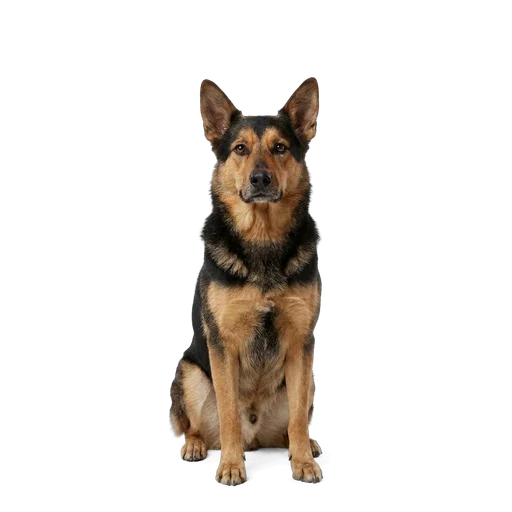
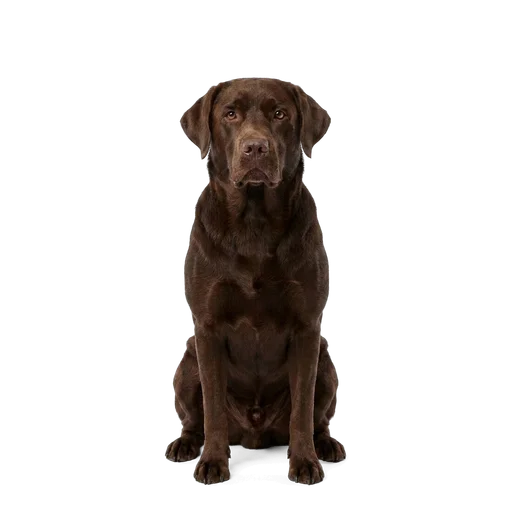
Deciding between similar breeds? Here is the Rottweiler next to German Shepherd and Labrador Retriever.
| Rottweiler | German Shepherd | Labrador Retriever | |
|---|---|---|---|
| Size | Large | Large | Large |
| Weight | 35-60 kg | 22-40 kg | 25-36 kg |
| Lifespan | 8-10 yrs | 9-13 yrs | 10-12 yrs |
| Activity | Active | Active | Active |
| Shedding | Medium | High | High |
| Good with kids | Yes | Yes | Yes |
| Apartment-friendly | No | No | No |
Frequently asked questions
Is a Rottweiler a good family dog?
Yes, a well-socialized Rottweiler can be a loving, protective family dog that bonds closely with its people. They are usually gentle with children they are raised alongside. Because of their size and strength, supervise them around small kids and commit to early training so that loyalty comes with good manners.
Are Rottweilers aggressive?
Rottweilers are not naturally aggressive, but they are confident guardians that are protective by instinct. Poor breeding, no socialization, or harsh handling can create real problems in a dog this powerful. Raised with early socialization and consistent, reward-based training, most Rottweilers are calm, stable, and trustworthy.
How much exercise and training does a Rottweiler need?
Plan on at least an hour or two of activity a day, split between walks, play, and mental work like obedience or scent games. This is a smart working breed that needs a job to stay balanced. Start training and socialization in puppyhood and keep it consistent, since a strong, well-trained dog is far easier to live with.
What is the lifespan of a Rottweiler?
Rottweilers typically live about 8 to 10 years, which is on the shorter side, as it often is for large breeds. Keeping your dog at a lean weight, staying current on vet checkups, and catching heart or joint issues early all help your Rottie live a full, comfortable life.
What health problems are Rottweilers prone to?
Worth watching for are hip and elbow dysplasia, heart disease such as aortic stenosis, bone cancer (osteosarcoma), cruciate ligament tears, and bloat or GDV. Buying from a breeder who health-tests the parents, feeding a large-breed diet, keeping your dog lean, and seeing your vet regularly are your best defenses. Any lasting limp, swelling, or a hard bloated belly needs a vet right away.
Related breeds

Health and care information is drawn from established veterinary sources and is general guidance, not veterinary advice. See our sources
Keep records for your Rottweiler
Vaccinations, food and treat safety, allergy alerts and parasite reminders - all tracked for your Rottweiler in the Pethls app.