

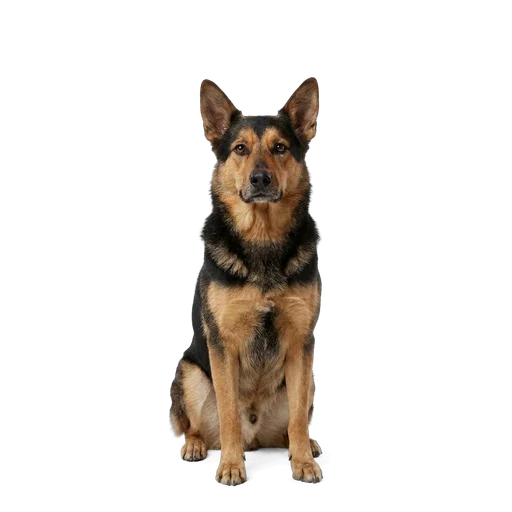
Origin: Germany
German Shepherd
Get reminders for your German Shepherd's vaccines
Vaccination and parasite reminders, food-safety scans and health records — free to start in the Pethls app.


Good for
The German Shepherd is a large working dog bred in Germany to herd and guard, and that working instinct still shapes how they behave. Expect a loyal, sharp, highly trainable dog that bonds closely with its family and needs a job to do. The breed suits active homes that can commit to training, exercise, and steady socialization. Adults stand tall, weigh 22 to 40 kg, and live 9 to 13 years. Here is what care really takes.
Temperament & personality
German Shepherds are confident, alert, and deeply attached to their family. They read your mood, learn routines fast, and thrive when given a purpose, whether that is obedience work, scent games, agility, or a structured job around the house. A Shepherd without something to do will invent its own project, and you rarely like the result.
With kids they tend to be patient and protective, especially when raised alongside them from puppyhood. Early, wide socialization matters more here than with most breeds. Puppies that meet many people, dogs, surfaces, and sounds before 16 weeks grow into stable adults; those that don't can turn wary or reactive toward strangers.
This is a one-family dog at heart. Shepherds can be aloof with outsiders and naturally watchful, which makes them excellent guardians but poor candidates for being left alone all day. They want to be near their people and do best when included in daily life rather than parked in a yard.
Vaccination schedule
Puppies start their core DHPP series (distemper, hepatitis/adenovirus, parvovirus, parainfluenza) around 6 to 8 weeks, with boosters every 3 to 4 weeks until at least 16 weeks of age. Parvo hits Shepherd puppies hard, so finishing the full series on schedule is not optional, even if your pup seems bulletproof.
Rabies is given once at 12 to 16 weeks depending on local law, boosted a year later, then every 1 to 3 years based on the vaccine and local law. Core vaccines usually get a booster at around 12 months, then move to a 3-year cycle for most adults.
Non-core vaccines depend on lifestyle. Dogs that board, hike, visit dog parks, or live near water may need bordetella, leptospirosis, canine influenza, or Lyme coverage. Your vet will match the schedule to your dog's real exposure. Keep a written record of each shot and due date so boosters don't slip.
Best food & diet
Feed a large-breed puppy formula until 12 to 18 months. These diets control calcium and calories to slow bone growth, which protects developing hips and elbows, the joints that large breeds like this one can strain if they grow too fast. Skip adult or all-life-stages food during this window.
Split the day into two meals rather than one large bowl. Big, gulping meals raise the risk of bloat (GDV), a real threat in deep-chested breeds like this one. Two smaller feedings, slow-feeder bowls, and no hard exercise for an hour before and after eating all help lower that risk.
Adults do well on a quality diet with real animal protein and moderate fat. Joint support (glucosamine, chondroitin, omega-3 fatty acids) is worth adding for a breed this hard on its joints. Watch portions closely, since extra weight punishes Shepherd hips and shortens the years they stay active. Ask your vet before switching diets or adding supplements.
Common health problems
Hip and elbow dysplasia are common in German Shepherds, so both are worth watching for from an early age. These malformed joints cause pain and arthritis over time. Buy from breeders who screen parents with OFA or PennHIP scores, keep your dog lean, and mention any limping, bunny-hopping, or trouble on stairs to your vet early, when management works best.
Degenerative myelopathy is a progressive spinal cord disease seen in the breed, usually striking older dogs. It starts with weakness and dragging in the hind legs and slowly worsens. There is a DNA test for the risk gene; there is no cure, but physical therapy and supportive care help maintain quality of life.
Bloat, or gastric dilatation-volvulus, is a true emergency where the stomach twists and cuts off blood flow. A dog that is retching without producing anything, has a swollen belly, and is pacing or collapsing needs a vet immediately, minutes matter. Some owners of deep-chested dogs choose a preventive gastropexy. Ask your vet whether it fits your dog.
Allergies & skin
German Shepherds have their own pattern of skin trouble, and it can be stubborn. Flea allergy dermatitis and environmental allergies (atopy) are both common, with pollen and dust mites among the usual triggers. Watch for pyoderma, a deep bacterial skin infection that can sit on top of an underlying allergy and make everything worse. These skin problems frequently start as an allergy and then get complicated by infection, which is why they can be frustrating to clear up.
Owners tend to notice the itching around the flanks, elbows, belly and paws, with plenty of scratching, licking and rubbing. As pyoderma sets in you may see red bumps, pustules, crusting, a bad smell and patches of thinning hair, sometimes forming rings on the skin. Some German Shepherds can also develop problems around the rear, including perianal irritation and fistulas, so scooting, licking under the tail and soreness in that area deserve a vet check rather than being brushed off. Food allergy is less common than atopy here but does happen, and it can show up as itchy skin, ear trouble or a sensitive stomach.
Treatment starts with a firm diagnosis and rarely relies on a single thing. Strict flea control is the baseline, and a course of antibiotics or antibacterial washes is often needed to knock back the pyoderma before the itch will settle. Medicated shampoos with chlorhexidine help both the infection and the skin barrier. For the underlying allergy, vets use oclacitinib (Apoquel), Cytopoint injections or antihistamines to control the itch, and a proper eight to twelve week elimination diet if food is on the suspect list. Because German Shepherds relapse easily, most do best on a long-term plan rather than one-off treatment.
Are German Shepherds hypoallergenic? No. That thick double coat sheds constantly, and the breed is famous for leaving hair everywhere, along with the dander that people actually react to. If anyone in the household has a dog allergy, a German Shepherd is a poor match. Managing the dog's own skin is very doable, but this is not a low-shed or low-allergen breed for humans.
Exercise & training needs
Plan on 1 to 2 hours of activity a day. A Shepherd needs both a body workout and a brain workout: brisk walks, running, fetch, or a hike, paired with training drills, puzzle feeders, or scent work. Physical exercise alone leaves this breed restless; the mental side is what actually settles them.
Training should start the week your puppy comes home and never really stop. Shepherds are eager, quick studies that respond best to reward-based methods and clear, consistent rules. They love learning, so obedience, tricks, and dog sports channel that drive into something useful.
A bored Shepherd is a destructive Shepherd. Chewed baseboards, dug-up yards, barking, and pacing usually trace back to too little to do. Build a daily rhythm of exercise and jobs, and you get a calm, focused companion instead of a frustrated one.
Flea, tick & worm prevention
Keep your Shepherd on year-round flea and tick prevention. This breed's outdoor, active life means more exposure to ticks that carry Lyme, anaplasmosis, and ehrlichiosis. Monthly chews, topicals, or a long-acting collar all work; your vet can recommend the best fit for your climate and dog.
Heartworm prevention is a monthly must, since the disease is spread by mosquitoes and is far easier to prevent than to treat. Most heartworm preventives also cover common intestinal worms like roundworms and hookworms in the same dose.
Puppies need deworming on a set early schedule, and adults should have a fecal check at least once a year. If your dog hunts, scavenges, or spends time around other animals, ask about more frequent testing and tapeworm coverage.
Medications & dosing
Few breeds are as tied to orthopedic trouble as the German Shepherd. Hip and elbow dysplasia are widespread, and arthritis tends to show up early. The standard tools are dog-approved NSAIDs, carprofen and meloxicam are the two you will hear most often, to control the inflammation and keep your Shepherd moving. Both are effective and both are hard on the kidneys and liver over time, so expect your vet to check bloodwork before and during long-term use. Stick to the exact dose and duration prescribed. Do not top it up with anything from your own medicine cabinet: ibuprofen, aspirin, and paracetamol (acetaminophen) are poisonous to dogs.
For pain that an NSAID alone cannot handle, or for the nerve pain and weakness that come with degenerative myelopathy (a disease this breed is prone to), vets often add gabapentin. It targets a different kind of pain and can be combined with an anti-inflammatory when one drug is not enough. Dosing varies a lot between dogs, and the drowsiness in the first few days can be strong, so this is one to start and adjust only under vet guidance rather than guessing on your own.
Shepherds are big, active dogs that often stay on medication for years, which makes accurate records worth the effort. Track each drug, the exact dose, and every refill date so nothing slips and no two prescriptions overlap by accident. Keeping a written log of all of it, with a reminder on your phone before a refill runs out, keeps things on track.
Grooming & shedding
German Shedder is the affectionate nickname, and it is earned. The dense double coat drops hair year-round and blows out heavily twice a year in spring and fall. Brush several times a week normally, and daily during those seasonal blowouts, using an undercoat rake and slicker to pull loose fluff before it coats your house.
Never shave a Shepherd down. The double coat insulates against both heat and cold and shields the skin from sun; shaving disrupts that system and the coat often grows back patchy or with a changed texture. Manage the fur by brushing, not cutting.
Bathe only every few months or when genuinely dirty, since over-washing strips the coat's natural oils. Round out grooming with regular nail trims, ear checks, and tooth brushing. Staying on top of the coat also lets you catch lumps, hot spots, or fleas early.
How the German Shepherd compares
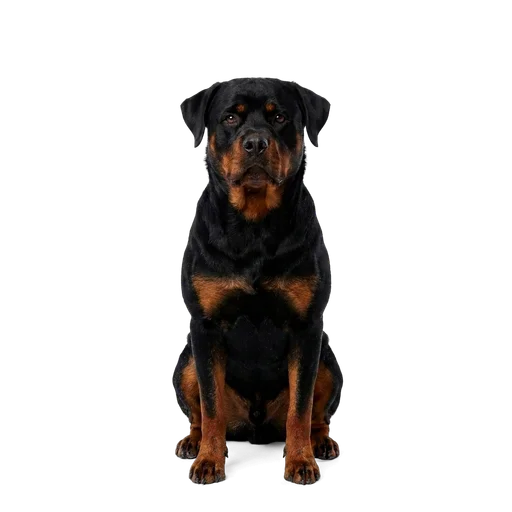
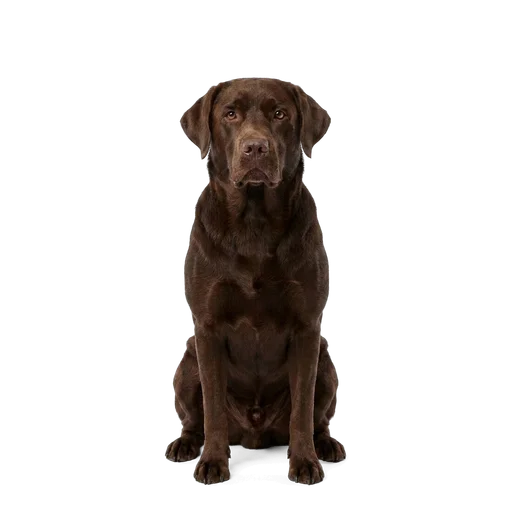
Deciding between similar breeds? Here is the German Shepherd next to Rottweiler and Labrador Retriever.
| German Shepherd | Rottweiler | Labrador Retriever | |
|---|---|---|---|
| Size | Large | Large | Large |
| Weight | 22-40 kg | 35-60 kg | 25-36 kg |
| Lifespan | 9-13 yrs | 8-10 yrs | 10-12 yrs |
| Activity | Active | Active | Active |
| Shedding | High | Medium | High |
| Good with kids | Yes | Yes | Yes |
| Apartment-friendly | No | No | No |
Frequently asked questions
Are German Shepherds good family dogs?
Yes, for the right family. Raised with kids and properly socialized, they are loyal, patient, and protective. They need an active household that can commit to daily exercise and training, and they don't do well left alone for long stretches.
How much exercise does a German Shepherd need?
About 1 to 2 hours a day, split between physical activity and mental work. Walks, running, and fetch cover the body; training, puzzle toys, and scent games cover the mind. Skimp on either and you'll likely see boredom-driven chewing, digging, or barking.
Do German Shepherds shed a lot?
A lot. The double coat sheds year-round and blows out heavily twice a year. Brush several times a week, daily during seasonal blowouts, with an undercoat rake. Never shave the coat, since it regulates temperature and protects the skin.
How long do German Shepherds live?
Typically 9 to 13 years. Keeping your dog lean, staying current on vet care, and screening for breed conditions like hip dysplasia and degenerative myelopathy give the best shot at the upper end of that range.
What health problems are German Shepherds prone to?
Most notably hip and elbow dysplasia, degenerative myelopathy, and bloat (GDV). Choose a breeder who health-tests the parents, feed two smaller meals a day to lower bloat risk, and see a vet promptly for any limping, hind-leg weakness, or a swollen, retching belly.
Related breeds
Health and care information is drawn from established veterinary sources and is general guidance, not veterinary advice. See our sources
Keep records for your German Shepherd
Vaccinations, food and treat safety, allergy alerts and parasite reminders - all tracked for your German Shepherd in the Pethls app.