

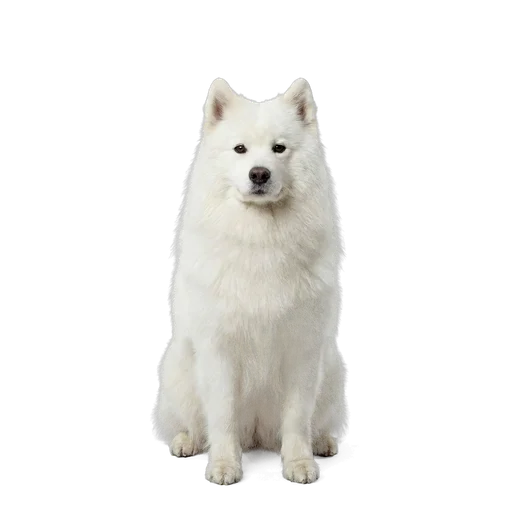
Origin: Russia
Samoyed
Get reminders for your Samoyed's vaccines
Vaccination and parasite reminders, food-safety scans and health records — free to start in the Pethls app.


Good for
The Samoyed is a fluffy white working dog bred by the Samoyedic peoples of Siberia to herd reindeer, pull sleds, and sleep alongside the family for warmth. That history shows in the modern dog: Samoyeds are friendly, people-loving, and famously prone to the upturned mouth known as the Sammy smile. They are social to the core and do not cope well with being left alone for long stretches. Behind the show-stopping coat is an active dog that needs real daily exercise and a serious grooming commitment. For an owner ready to keep up with both, the Samoyed is a gentle, sociable, and genuinely joyful companion.
Temperament & personality
Samoyeds are one of the most sociable of the northern breeds. They were bred to live in close contact with people, and it shows in how much they crave company. A Samoyed left alone in a yard or crate for hours a day tends to become bored, noisy, and destructive, not out of stubbornness but because the breed genuinely needs to be part of family life. Their friendly nature also makes them poor guard dogs; a Samoyed is more likely to greet a stranger than warn you about one.
This is a gentle, patient breed that generally does very well with children and with other dogs and pets. That easygoing temperament, combined with a willingness to please, makes the Samoyed one of the more beginner-friendly northern breeds, though the grooming and exercise demands mean no owner should call them low-maintenance.
Underneath the sweet expression is a smart, sometimes mischievous working dog. Samoyeds can be vocal, enjoy digging, and have a herding heritage that occasionally shows up as gentle nudging or chasing. They respond well to positive, reward-based training and lots of mental engagement. Bored Samoyeds invent their own entertainment, so keeping their minds busy is as important as tiring their legs.
Vaccination schedule
Samoyed puppies get the core DHPP vaccine, which protects against distemper, hepatitis (adenovirus), parvovirus, and parainfluenza. The series starts around 6 to 8 weeks and repeats every 3 to 4 weeks until the puppy is at least 16 weeks old. Completing the full series matters because early doses can be neutralized by antibodies passed on from the mother.
Rabies vaccination is given once between 12 and 16 weeks, with the exact timing set by local law, then boostered at around one year and every one to three years afterward depending on your region. Keeping a written record of dates makes boarding, travel, and vet visits much simpler down the line.
Leptospirosis is now considered a core vaccine recommended for every dog, given as a 2-dose puppy series and then boostered annually, unlike the every-3-years DHPP core boosters. Beyond the core vaccines, your vet may also recommend Bordetella or canine influenza based on your dog's lifestyle. A social breed like the Samoyed that visits parks, groomers, and boarding kennels often benefits from the kennel cough vaccine in particular. Discuss the right combination with your vet.
Best food & diet
As an active working breed, a Samoyed does best on a complete, balanced diet matched to its age, weight, and activity level. A well-exercised adult may need a moderately higher energy intake than a couch-bound dog of the same size, but portions should still be measured. Two meals a day for adults is a sensible default, and large-breed puppy food supports steadier growth during the first year.
Some Samoyeds are sensitive to particular ingredients, with beef, chicken, and wheat among the more common triggers. Environmental allergies to things like grass pollen and dust mites are also seen and can make itchy skin worse. If your dog develops chronic itching or digestive upset, a vet-guided elimination diet using a single novel protein is the reliable way to pin down a food trigger.
Keeping your Samoyed lean protects against weight-linked problems like diabetes, and it also makes it easier to spot early signs of inherited kidney disease. Keep him lean, avoid feeding sugary treats and table scraps, and mention any increase in thirst, urination, or appetite changes to your vet promptly. For a dog with diagnosed kidney disease, your vet may prescribe a specific therapeutic diet.
Common health problems
Like many larger dogs, Samoyeds may develop hip dysplasia, which is best managed by buying from health-screened parents and keeping your dog at a healthy weight throughout life. Progressive retinal atrophy, a gradual loss of vision, is another concern. Responsible breeders screen for it with eye testing, so ask to see current eye certificates when choosing a puppy.
The breed also carries Samoyed hereditary glomerulopathy, an inherited kidney disease that damages the filtering units of the kidneys and can lead to kidney failure. It is more severe in male dogs, and DNA testing of breeding stock helps reduce its spread. Watch for increased thirst, increased urination, weight loss, or protein in the urine, and have any of these checked out.
Samoyeds can also develop diabetes mellitus and subvalvular aortic stenosis, a heart defect where a narrowing below the aortic valve strains the heart. Regular veterinary checkups, including listening for heart murmurs and monitoring urine and blood values as your dog ages, give the best chance of catching these problems early.
Allergies & skin
That thick white coat sits over skin that can be sensitive. Food ingredients such as beef, chicken, and wheat are possible allergy triggers, and environmental allergens including grass pollen and dust mites can cause seasonal or year-round itching. Because the coat is so dense, an owner often notices paw licking, recurring ear infections, or scratching well before spotting any problem on the skin itself.
Keeping the coat clean and well-brushed is the first line of skin defense. Trapped moisture and dead undercoat can lead to hot spots, so drying the coat thoroughly after baths or wet walks is important. If your Samoyed scratches persistently, rule out fleas first, then work with your vet on whether the cause is dietary or environmental.
For confirmed allergies, management usually combines strict parasite control, a controlled diet, and sometimes medication or medicated shampoos to settle the skin. Note that a Samoyed's white coat can stain or discolor around the eyes and mouth, which is usually cosmetic but occasionally signals irritation worth checking.
Flea, tick & worm prevention
Year-round flea and tick prevention is essential, and the Samoyed's dense coat makes it more so, because parasites are easy to miss in all that fur. Monthly or long-acting products, whether a chewable tablet or a spot-on treatment, stop infestations before they start and lower the risk of tick-borne illness in areas where ticks are active.
Worming covers the internal parasites: roundworms, hookworms, tapeworms, and whipworms. Puppies are wormed frequently in their early weeks, and adults typically continue on a schedule set by the vet, often every 3 months. In regions where heartworm is present, a monthly heartworm preventive is also part of the routine.
All of these products are dosed by body weight, so weigh growing puppies before each treatment and confirm that adult doses still match your dog's current weight. Many owners find a single combination product that covers fleas, ticks, and worms the easiest way to stay consistent, and your vet can advise which one fits your area.
Medications & dosing
Medication for a Samoyed is dosed by body weight, which for this breed usually falls somewhere between 16 and 30 kg. Accurate weighing is the starting point for any drug, from a parasite preventive to a course of antibiotics, because giving too little may not work and too much can harm. Re-weigh puppies as they grow and check adult weight before repeat doses.
Never reach for human medicines to treat your dog. Common painkillers like ibuprofen and paracetamol are dangerous to dogs, and even veterinary anti-inflammatories need the correct dose and monitoring. If your Samoyed is ever diagnosed with kidney disease, some medications are processed differently or may need dose adjustment, so your vet should always know the full health picture.
For a dog managing a chronic condition such as diabetes, medication becomes a daily commitment. Insulin dosing in particular has to be precise and consistent, given with meals at set times, and adjusted only under veterinary supervision. Keep a clear log of what your dog receives and when, and never change or stop a prescribed medication without talking to your vet first.
Grooming & coat care
The Samoyed coat is the breed's signature and its biggest commitment. It is a thick double coat with a harsh, weather-resistant outer layer over a soft, dense undercoat. This needs brushing several times a week, and daily during heavy sheds, to prevent the fine undercoat from matting close to the skin. A line-brushing technique, working down to the skin in sections, is the only way to reach the base of such a full coat.
Twice a year the Samoyed blows its coat, shedding the undercoat in large quantities over a few weeks. During these periods, plan on daily grooming with an undercoat rake to keep on top of the loose fur. Despite all that white, the coat has a self-cleaning quality and dirt often brushes out once dry, so Samoyeds do not need frequent bathing. A bath every couple of months, or when the coat is genuinely dirty, is usually enough.
Never shave a Samoyed. The double coat insulates against both cold and heat and protects the skin from sun, and shaving can permanently damage how it regrows. Finish the routine with regular nail trims, ear checks, and tooth brushing, and use each grooming session to check the skin hidden beneath the coat for redness, hot spots, or parasites.
How the Samoyed compares
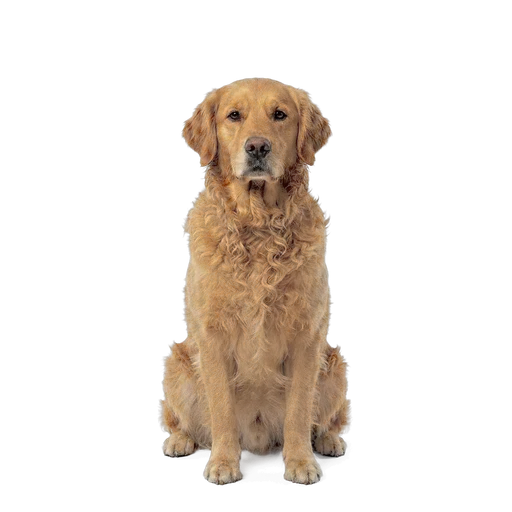
Deciding between similar breeds? Here is the Samoyed next to Golden Retriever and Labrador Retriever.
| Samoyed | Golden Retriever | Labrador Retriever | |
|---|---|---|---|
| Size | Large | Large | Large |
| Weight | 16-30 kg | 25-34 kg | 25-36 kg |
| Lifespan | 12-14 yrs | 10-12 yrs | 10-12 yrs |
| Activity | Active | Active | Active |
| Shedding | High | High | High |
| Good with kids | Yes | Yes | Yes |
| Apartment-friendly | No | No | No |
Frequently asked questions
Are Samoyeds good family dogs?
Yes. Samoyeds are gentle, friendly, and highly social, and they generally do very well with children and with other dogs and pets. They thrive on being part of family activity and do not cope well with being left alone for long periods. Their sweet nature makes them poor guard dogs but excellent companions.
Are Samoyeds hypoallergenic?
No. Despite the myth, Samoyeds are not hypoallergenic. They carry a heavy double coat that sheds year round and blows out completely twice a year. They produce plenty of dander and loose fur, so they are not a good match for allergy sufferers looking for a low-shedding dog.
How much grooming does a Samoyed need?
A lot. The thick double coat needs brushing several times a week, and daily during the twice-yearly coat blows, to prevent matting of the dense undercoat. Samoyeds should never be shaved, as the coat protects against both heat and cold. Plan on regular baths, nail trims, and ear checks alongside the brushing.
What health problems do Samoyeds have?
Key concerns include hip dysplasia, Samoyed hereditary glomerulopathy (an inherited kidney disease that is more severe in males), progressive retinal atrophy, diabetes, and subvalvular aortic stenosis, a heart defect. Buying from health-screened parents and keeping up with regular vet checks helps catch these early.
How much exercise does a Samoyed need?
Samoyeds are active working dogs that need substantial daily exercise, ideally a mix of walks, running, and mentally engaging activity. A bored or under-exercised Samoyed often becomes vocal, digs, and finds its own trouble. They enjoy having a job to do and do best with an owner who can keep them busy in body and mind.
Related breeds

Health and care information is drawn from established veterinary sources and is general guidance, not veterinary advice. See our sources
Keep records for your Samoyed
Vaccinations, food and treat safety, allergy alerts and parasite reminders - all tracked for your Samoyed in the Pethls app.