

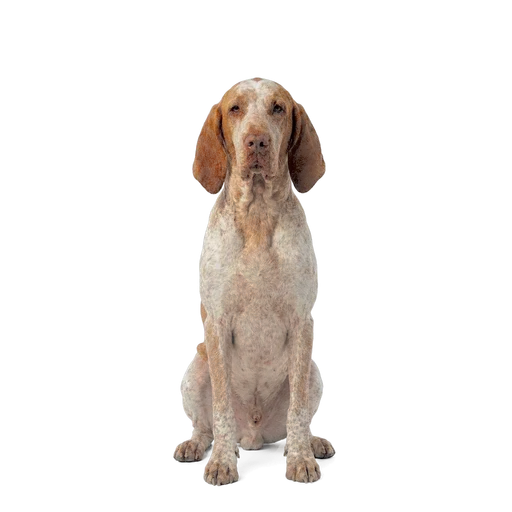
Origin: Italy
Bracco Italiano
Get reminders for your Bracco Italiano's vaccines
Vaccination and parasite reminders, food-safety scans and health records — free to start in the Pethls app.


Good for
The Bracco Italiano is one of Europe's oldest pointing breeds, developed in northern Italy centuries before most modern gundogs existed. It looks part hound, part pointer: long ears, loose lips, soulful eyes and a loping, ground-eating trot. Underneath the wrinkles is a gentle, affectionate dog that bonds hard to its family and works with real enthusiasm in the field. Expect 25 to 40 kg of dog, a lifespan of 12 to 13 years, and a little drool on your trousers.
Temperament & personality
The Bracco has a reputation among Italian hunters as a thinking dog, and it shows at home. This is a sensitive, willing breed that reads your tone of voice and wilts under harsh correction. Train with patience and food rewards and you get a cooperative partner; shout at one and it will shut down on you for the rest of the session.
With family, Braccos are openly affectionate, often leaning against legs or draping a heavy head across a lap. They tend to be gentle with children and generally get along with other dogs, though a strong pointing instinct means cats and small pets need careful, early introductions.
Give a Bracco an hour or more of proper exercise, ideally with some sniffing and searching built in, and it settles into a calm, almost lazy housemate. Skip the exercise and you get a restless 35 kg dog pacing the kitchen.
Vaccination schedule
Bracco puppies follow the standard canine core schedule. The DHPP combination vaccine, covering distemper, hepatitis (adenovirus), parvovirus and parainfluenza, starts at 6 to 8 weeks of age and repeats every 3 to 4 weeks until the pup is at least 16 weeks old. That final dose matters most, because maternal antibodies can block earlier shots.
Rabies is given once between 12 and 16 weeks depending on where you live, then boosted a year later. After the first adult booster, your vet will move DHPP and rabies to a 1 to 3 year cycle based on local law and the vaccine brand used.
Because many Braccos work in the field or train around other gundogs, ask your vet about leptospirosis and kennel cough (Bordetella) vaccines. Lepto in particular is a sensible add-on for a dog that swims in ditches and drinks from puddles.
Best food & diet
Feed Bracco puppies a large-breed growth formula, not a regular puppy food. These diets limit calcium and calories so the skeleton grows at a controlled rate, which lowers the odds that a genetic tendency toward hip dysplasia turns into a clinical problem. Keep pups lean; you should feel ribs easily under a light fat cover.
Adults do well on a quality complete diet fed to condition rather than to the bag's chart. A working Bracco in shooting season may need 30 to 40 percent more calories than the same dog lounging through summer, so adjust portions with the workload.
The critical rule for this breed is bloat management. Braccos are deep-chested and at real risk of gastric dilatation-volvulus. Split the daily ration into two or three meals, use a slow-feeder bowl if your dog inhales food, and enforce a quiet hour before and after eating. No hard running on a full stomach, ever.
Common health problems
Hip dysplasia is the headline orthopaedic issue. Buy only from parents with formal hip scores, keep the dog lean for life, and mention any stiffness after rest or reluctance to jump to your vet early, when management options are widest.
The Bracco's loose facial skin brings ectropion, an outward-rolling lower eyelid that exposes the pink conjunctiva. Mild cases just need lubricating drops and monitoring; dogs with chronic redness, discharge or repeated eye infections may need a minor surgical tuck.
Those long, heavy ears trap warmth and moisture, so otitis externa (outer ear infection) is common. A dog that shakes its head, scratches an ear or smells yeasty needs a vet check, not a pharmacy guess, because treatment depends on what is actually growing in there.
Gastric dilatation-volvulus is the true emergency of the breed. A swollen, tight belly, unproductive retching and sudden distress mean you drive to the nearest vet immediately, at any hour. Some owners of at-risk breeds discuss a preventive gastropexy (stomach tack) with their vet at the time of neutering; it is worth the conversation.
Allergies & skin
The Bracco is not hypoallergenic. It sheds a moderate amount of short hair year-round, and it produces the normal dander and saliva proteins that trigger human allergies. The drool adds saliva to soft furnishings, which allergy-prone households should factor in honestly before committing.
The dogs themselves can sometimes develop allergies too. Environmental allergy (atopy) and food sensitivities usually show up as itchy paws, a rash on the belly or recurring ear infections. If your Bracco's ears flare up again and again, treat each infection but also ask your vet about allergy testing or a diet trial, since the ears may just be the visible end of an allergy problem.
Check the lip folds every few days. Drool sitting in skin folds can ferment into a smelly, inflamed fold dermatitis. A quick wipe with a damp cloth and thorough drying keeps the area healthy.
Flea, tick & worm prevention
A dog that spends its weekends pushing through cover and marsh grass collects ticks. Use a year-round flea and tick preventive, either a monthly chewable or a long-acting spot-on, and still run your hands over ears, armpits and groin after every field outing. Ticks in much of Europe carry Lyme disease, anaplasmosis and, increasingly, babesiosis.
Worming follows lifestyle. Puppies are wormed every 2 weeks until 12 weeks old, then monthly to 6 months. Adults that hunt, scavenge or eat anything they point at should be on monthly worming or have faecal tests every 3 months; lower-risk pets can stretch to quarterly treatment.
If you live in or travel to a heartworm region, which includes the Bracco's native Po Valley, monthly heartworm prevention is not optional. Ask your vet about lungworm too if slugs and snails are common where you walk.
Medications & dosing
Almost every canine drug is dosed in milligrams per kilogram, and the Bracco's 25 to 40 kg spread means two dogs of the same breed can need very different amounts. Weigh your dog rather than estimating; being a few kilograms off in either direction changes doses meaningfully.
Never dose from a human medicine cabinet. Ibuprofen and paracetamol cause kidney and liver damage in dogs at doses people consider tiny. If your Bracco is stiff after a hard day in the field, the safe options are rest and a vet-prescribed canine anti-inflammatory, not half a tablet from your own supply.
Keep parasite preventives matched to current weight as well. A dose bought for a 28 kg youngster underprotects the same dog at a mature 38 kg. Recheck the weight band at each annual visit and whenever body condition changes.
Grooming & coat care
The coat is short, dense and glossy, and it needs very little: a once-weekly going over with a rubber grooming mitt lifts dead hair and spreads skin oils. Bathing is an occasional job, reserved for genuine dirt or a roll in something unspeakable, since frequent shampooing dries the skin.
Ears are the real grooming workload. Lift and check them twice a week, and clean with a vet-approved ear cleaner whenever you see wax building up. Dry the ear canals after every swim. Ten minutes a week here prevents most of the infections this breed is known for.
Round out the routine with nail trims every 3 to 4 weeks, a weekly look at the lip folds, and tooth brushing as often as you can manage. Keep a drool towel by the door; you will use it.
How the Bracco Italiano compares
Deciding between similar breeds? Here is the Bracco Italiano next to Large Munsterlander and English Setter.
| Bracco Italiano | Large Munsterlander | English Setter | |
|---|---|---|---|
| Size | Large | Large | Large |
| Weight | 25-40 kg | 25-32 kg | 20-36 kg |
| Lifespan | 12-13 yrs | 11-13 yrs | 12-14 yrs |
| Activity | Active | Active | Active |
| Shedding | Medium | Medium | Medium |
| Good with kids | Yes | Yes | Yes |
| Apartment-friendly | No | No | No |
Frequently asked questions
Is the Bracco Italiano a good family dog?
Yes, for active families. Braccos are gentle, patient with children and deeply attached to their people. They need an hour or more of daily exercise to earn their famous calm indoors, so they suit households that walk, run or train regularly.
Do Bracco Italianos drool a lot?
They are moderate droolers, not heavy ones. The loose lips mean regular slobber after drinking, eating or excitement, enough that most owners keep a towel handy, but it is nothing like a Mastiff or St. Bernard. A quick wipe of the muzzle handles it.
How much exercise does a Bracco Italiano need?
Plan on at least 60 to 90 minutes daily, with some of it off-lead or scent-based if possible. This is a working pointer bred to trot all day, and sniffing games tire the brain as effectively as running tires the legs.
Are Bracco Italianos easy to train?
They are willing and intelligent but sensitive. Reward-based training works beautifully; harsh handling makes them shut down. First-time owners who commit to positive methods and a puppy class generally do well with the breed.
What health problems affect the Bracco Italiano?
The main concerns are hip dysplasia, ectropion (a drooping lower eyelid), ear infections linked to the long ear flaps, and bloat (GDV). Buying from health-tested parents and feeding several smaller meals a day reduces the biggest risks.
Related breeds
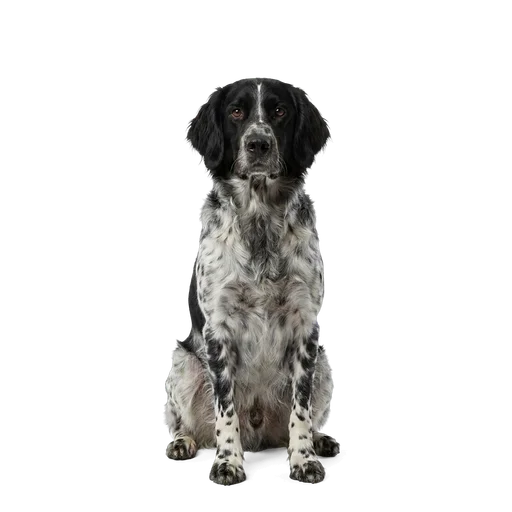
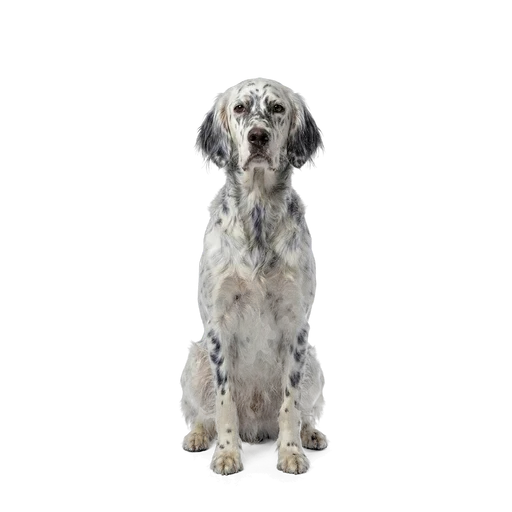
Health and care information is drawn from established veterinary sources and is general guidance, not veterinary advice. See our sources
Keep records for your Bracco Italiano
Vaccinations, food and treat safety, allergy alerts and parasite reminders - all tracked for your Bracco Italiano in the Pethls app.