

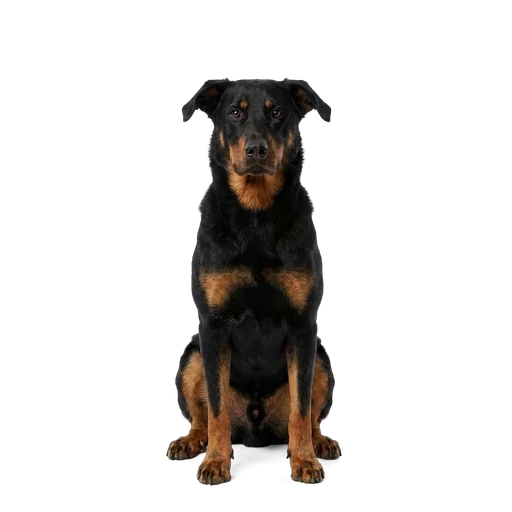
Origin: France
Beauceron
Get reminders for your Beauceron's vaccines
Vaccination and parasite reminders, food-safety scans and health records — free to start in the Pethls app.


Good for
The Beauceron is France's largest sheepdog, a black-and-tan powerhouse of 32 to 50 kilograms that once moved flocks of hundreds and stood guard against wolves. Look at the rear legs and you will find the breed's hallmark: double dewclaws, required by the standard and a nod to its ancient working roots. This is a confident, fearless, intensely intelligent dog that respects a firm, consistent handler and quietly takes over a household that lacks one. With a lifespan of 10 to 12 years and drive to spare, the Beauceron belongs with experienced, active owners who can give it a genuine job.
Temperament & personality
French shepherds wanted one dog that could do everything: drive sheep, guard the farm, protect the family. The result is a breed with striking self-assurance. A well-raised Beauceron is calm, observant and steady, affectionate with its people without being clingy, and naturally suspicious of strangers until introductions are made. The guarding instinct is real, not decorative, and it is part of why the breed was taken up as a military and police dog, most famously as a messenger and mine-detection dog from the First World War onward.
Dominance is part of the package. A Beauceron tests boundaries throughout adolescence, which in this slow-maturing breed lasts until about three years of age. It needs a handler who sets rules early, enforces them every single time and never resorts to harsh physical corrections, which this proud breed neither forgets nor forgives. Consistency, structure and reward-based training produce a superb companion; inconsistency produces a 45 kilogram dog that makes its own decisions.
With children of its own family the Beauceron is typically patient and protective, though its size and herding habit of nudging and body-checking mean supervision with small kids is sensible. Same-sex dog aggression is not rare, and cats or small pets may trigger chase instinct unless the dog grows up with them. Give the breed daily work: protection sport, herding, tracking, cani-cross, serious obedience. Ninety minutes of activity a day is a realistic floor, and mental work counts double.
Vaccination schedule
Beauceron puppies need the standard core series. DHPP, the combination shot against distemper, adenovirus, parvovirus and parainfluenza, begins at six to eight weeks and repeats every three to four weeks until at least 16 weeks of age, usually three or four doses total. Do not cut the series short because the puppy seems healthy; the last dose at 16 weeks is the one most likely to work once maternal antibodies have faded.
Rabies vaccination follows at 12 to 16 weeks depending on your country's law, with a booster at one year. From adulthood, DHPP and rabies are repeated every one to three years according to the product and local regulations. Working and sporting Beaucerons that travel to trials should keep an EU pet passport or equivalent up to date, since rabies validity dates are checked at borders.
Ask your vet about leptospirosis in particular. Beaucerons are outdoor, water-loving farm dogs by heritage, and lepto spreads through rodent urine in ponds, ditches and wet fields, exactly where this breed likes to be. Bordetella makes sense for dogs attending training clubs and boarding kennels. Until the puppy series is finished, socialize on clean ground with known, vaccinated dogs.
Best food & diet
Feed a large-breed formula from day one. A Beauceron puppy grows from a few kilograms at eight weeks to its adult size somewhere in the 32 to 50 kilogram range over about 18 months, and rapid growth on calcium-heavy or over-rich food raises the risk of hip and elbow problems. A large-breed puppy diet with controlled calcium and moderate calories, fed to a lean body condition, does more to protect this breed's joints than any supplement. You should always be able to feel ribs under a light fat cover.
As with all deep-chested breeds, feeding routine is bloat prevention. Divide food into at least two meals a day, use a slow feeder if the dog inhales its ration, and enforce a quiet hour before and after meals, no ball games, no sprinting. Learn the emergency signs of gastric dilatation-volvulus: a tight swollen belly, retching that produces nothing, pacing and drooling. That combination means the nearest surgical clinic, immediately.
Adult working dogs may need 2,000 to 3,000 calories a day depending on workload, while a neutered companion needs far less, so set portions by the dog's actual body condition rather than the number printed on the bag. Diets containing around 22 to 28 percent protein suit most active adults. Given the breed's heart disease risk, be cautious with grain-free diets: certain poorly formulated ones have been investigated for links to dilated cardiomyopathy. A well-established brand with full nutritional testing is the safer bet.
Common health problems
Gastric dilatation-volvulus tops the list of emergencies. The Beauceron's deep chest lets the stomach twist on its axis, cutting off blood supply, and an affected dog can go from normal to critical in under two hours. Prevention is management: multiple smaller meals, no exercise around feeding, and a conversation with your vet about preventive gastropexy, a stomach-tacking procedure often done during neutering in high-risk breeds.
Hip and elbow dysplasia are the breed's orthopedic concerns. Both are inherited malformations of the joint that lead to early arthritis, and both are screened by X-ray schemes such as FCI grading or OFA. Buy from breeders who publish scores for both parents, keep the puppy lean, avoid repeated stair-running and hard-surface fetch during growth, and build muscle with swimming and walking. Signs like bunny-hopping, stiffness after rest or front-leg lameness in a young dog deserve X-rays, not wait-and-see.
Dilated cardiomyopathy, a disease in which the heart muscle weakens and the chambers enlarge, appears in the breed. Early DCM is silent, which is the danger; by the time coughing, exercise intolerance or fainting show up, the disease is advanced. An annual heart check with your vet, adding an echocardiogram for breeding animals or middle-aged dogs with a murmur or arrhythmia, catches it earlier. Drugs such as pimobendan meaningfully extend both lifespan and quality of life when started at the right stage.
Allergies & skin
The Beauceron is not hypoallergenic. Its short double coat sheds moderately all year and heavily during spring and autumn coat changes, distributing dander-carrying hair through the house. People with dog allergies react to skin proteins and saliva, not hair length, so the short coat offers no protection. Spend time with adult Beaucerons before committing if allergies are a concern in the household.
The breed's skin is generally robust, a benefit of its no-nonsense farm heritage. Problems that do appear are usually the common canine ones: flea allergy dermatitis, environmental atopy showing up as itchy paws, ears and belly, and occasional food allergies. A Beauceron that licks its paws constantly, rubs its face on furniture or gets repeated ear infections needs a diagnostic workup, and a proper eight-week elimination diet trial if food is suspected, not casual brand hopping.
Practical skin care is simple. Year-round flea prevention removes the most common itch trigger. Rinse and dry the dog after swimming in ponds, since stagnant water can irritate skin and carry bacteria. During seasonal shedding, extra brushing pulls out dead undercoat that would otherwise trap moisture against the skin. Persistent bald patches, crusting or a dull coat in a middle-aged dog point to something systemic and warrant bloodwork rather than a new shampoo.
Flea, tick & worm prevention
A Beauceron lives outdoors as much as you let it, which means steady exposure to fleas and ticks. Year-round prevention with a vet-recommended product, either monthly spot-ons or chewable isoxazolines lasting one to three months, beats treating infestations after the fact. The short coat makes tick checks easy: after field work or forest walks, sweep your hands over the ears, neck, armpits, groin and between the toes.
European ticks transmit babesiosis, ehrlichiosis, anaplasmosis and Lyme disease, and a sporting dog covering ground in tall grass meets more ticks in a weekend than a city pet does in a year. Remove attached ticks promptly with a tick hook, twisting rather than pulling, and watch for lethargy, fever or lameness in the following weeks. Dark tan markings can camouflage engorged ticks, so check by feel as well as sight.
Deworm puppies every two weeks from two weeks of age until 12 weeks, then monthly until six months. Adults should be wormed or have faecal tests every three months, and more frequently for dogs that catch rodents or scavenge, which many Beaucerons will given the chance. Tapeworm treatment matters for farm dogs with any access to livestock carcasses. In heartworm areas of southern Europe, add a monthly preventive on your vet's advice, and remember heartworm range is moving north.
Medications & dosing
Weight drives every dose, and Beaucerons cover a wide band from a 32 kilogram female to a 50 kilogram male. Guessing splits the difference and gets the dose wrong in both directions, so weigh the dog before starting any medication and update the number at each vet visit. Adolescents can put on two to three kilograms a month, enough to leave a spring prescription underdosed by summer.
All medication in this breed should be vet-directed. Canine NSAIDs like carprofen or meloxicam are the usual tools for dysplasia-related arthritis and are dosed strictly to weight, with periodic liver and kidney bloodwork during long-term use. Human painkillers, ibuprofen above all, are poisonous to dogs and cause ulcers and kidney failure at doses people consider small. If dilated cardiomyopathy is ever diagnosed, drugs such as pimobendan and anti-arrhythmics are weight-based and adjusted against repeat echocardiograms, so follow-up appointments are part of the treatment, not optional extras.
Keep practical numbers handy: your dog's current weight in kilograms, the regular clinic's phone number and the nearest 24-hour emergency hospital with surgical capability, because bloat in this breed is a race against the clock. Store medications out of reach; a dog this clever and this tall can open cupboards and counter-surf, and an entire month's supply of chewable tablets eaten at once is an emergency.
Grooming & coat care
Here the Beauceron rewards you for all the training effort: grooming is genuinely easy. The outer coat is short, dense and slightly coarse, about three to four centimetres, over a soft mousy undercoat. A weekly once-over with a rubber curry brush or medium bristle brush lifts dead hair and spreads skin oils, and that is the whole routine for most of the year. The coat is weatherproof and self-cleaning to a degree; dried mud brushes out.
Twice a year the undercoat lets go, and for two to three weeks in spring and autumn you will be brushing every day or two with an undercoat rake to keep drifts of hair off the floor. A warm bath followed by a thorough blow-dry mid-molt speeds the process considerably. Outside these periods, bathe only every couple of months or when the dog finds something disgusting to roll in, which it will. Overbathing strips the protective oils from a working coat.
The one breed-specific chore is the double rear dewclaws. They never contact the ground, so their nails do not wear and can curl into the leg if ignored; trim them every three to four weeks along with the other nails, and check them for snags after fieldwork. Weekly ear checks, teeth brushing several times a week and a glance at the paw pads after hard exercise complete a routine that takes minutes, not hours.
How the Beauceron compares
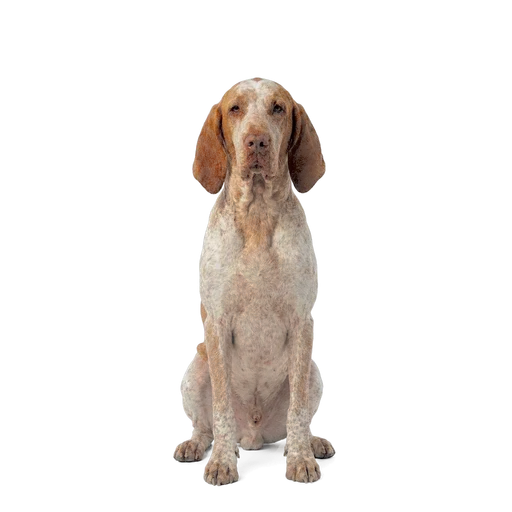
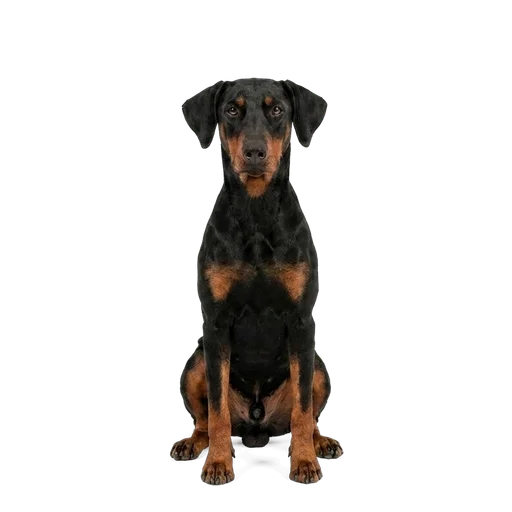
Deciding between similar breeds? Here is the Beauceron next to Bracco Italiano and Doberman Pinscher.
| Beauceron | Bracco Italiano | Doberman Pinscher | |
|---|---|---|---|
| Size | Large | Large | Large |
| Weight | 32-50 kg | 25-40 kg | 30-45 kg |
| Lifespan | 10-12 yrs | 12-13 yrs | 10-13 yrs |
| Activity | Active | Active | Active |
| Shedding | Medium | Medium | Medium |
| Good with kids | Yes | Yes | Yes |
| Apartment-friendly | No | No | No |
Frequently asked questions
Is a Beauceron a good first dog?
No. The breed is large, powerful, dominant by nature and slow to mature, and it systematically tests inconsistent handlers. It needs firm, fair, experienced leadership plus 90 or more minutes of daily activity and a real job. In experienced hands it is a superb dog; in novice hands it becomes a serious problem.
Why do Beaucerons have double dewclaws on their back legs?
Double rear dewclaws are a breed hallmark required by the standard, a trait preserved from the breed's ancient shepherd ancestors. They serve no modern function and never touch the ground, so their nails need trimming every three to four weeks and checking for snags after fieldwork, since loosely attached dewclaws can tear during rough work.
Are Beaucerons good with children and other pets?
With their own family's children, a well-socialized Beauceron is typically patient and protective, though its size and herding habit of nudging call for supervision with small kids. Other pets are trickier: same-sex dog aggression occurs, and cats or small animals can trigger chase instinct unless the dog is raised with them from puppyhood.
What health problems are common in Beaucerons?
The main concerns are bloat (gastric dilatation-volvulus), hip and elbow dysplasia, and dilated cardiomyopathy. Buy from breeders who X-ray hips and elbows on both parents, feed multiple smaller meals with rest around feeding, and schedule annual heart checks. Ask your vet about preventive gastropexy, often done during neutering in high-risk breeds.
How much exercise does a Beauceron need?
Plan on 90 minutes to two hours of genuine activity daily, combining physical exercise with mental work. The breed excels at herding, protection sport, tracking, cani-cross and advanced obedience. A walk around the block does not come close, and an under-worked Beauceron invents its own jobs, usually ones involving your furniture or your fence.
Related breeds
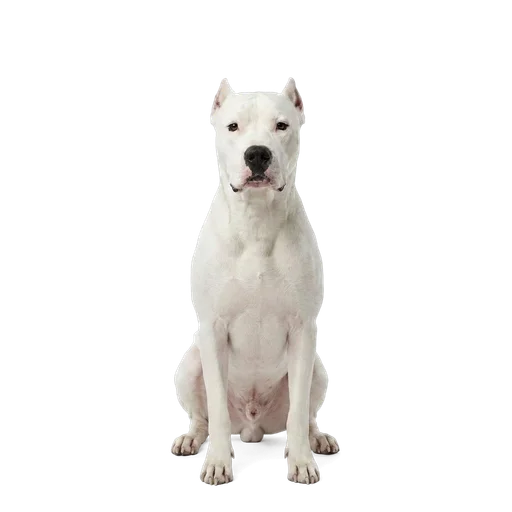
Health and care information is drawn from established veterinary sources and is general guidance, not veterinary advice. See our sources
Keep records for your Beauceron
Vaccinations, food and treat safety, allergy alerts and parasite reminders - all tracked for your Beauceron in the Pethls app.