

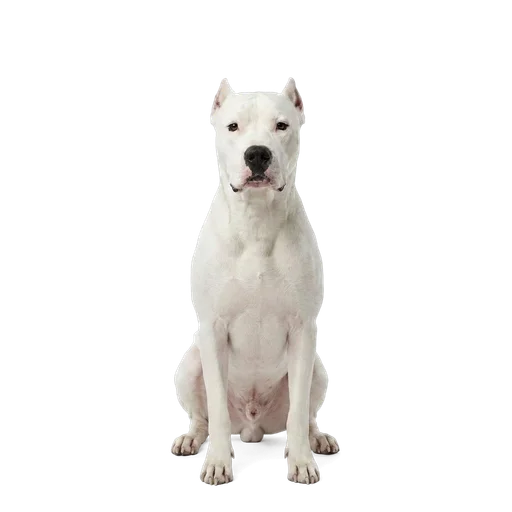
Origin: Argentina
Dogo Argentino
Get reminders for your Dogo Argentino's vaccines
Vaccination and parasite reminders, food-safety scans and health records — free to start in the Pethls app.


Good for
The Dogo Argentino is a big, muscular white dog developed in Argentina for hunting large game like wild boar, and later valued as a family guardian. Behind the athletic frame and short white coat is a dog that is loyal, brave and genuinely affectionate with its own people, often wanting to be right in the middle of family life. That warmth sits alongside a powerful prey drive and a strong protective streak, which is why the breed needs an experienced owner, serious socialization and consistent training from day one. This is not a first-time dog and not an apartment dog. The Dogo is also banned or restricted in a number of countries, so anyone considering one needs to check local law before going any further.
Temperament & personality
With their family, Dogos are warm, loyal and surprisingly cuddly for such a physically imposing dog. They bond hard, thrive on being included, and are typically good and patient with children they have grown up around. That devotion comes wrapped in courage: the breed was built to face down wild boar, so a Dogo does not spook easily and will step in to protect its people without hesitation.
The traits that make a great hunting dog also demand responsible ownership. Dogos have a strong prey drive and can be assertive with other dogs, particularly same-sex dogs, which means cats, small pets and unfamiliar dogs can trigger a chase or a challenge. That is manageable with the right setup: secure high fencing, tight leash discipline around other dogs, and careful introductions to any cats or small pets already in the home.
Heavy, positive socialization from puppyhood is the single most important thing you can do for a Dogo Argentino. They are intelligent and trainable, but they are also independent and will test a soft or inconsistent owner. Firm, fair, reward-based training that starts early and never really stops is what shapes a Dogo into the steady, confident companion the breed can be. Skimp on that, and you have a very strong dog making its own decisions.
Vaccination schedule
Dogo Argentino puppies need the standard core vaccinations, starting with DHPP, which covers distemper, hepatitis (adenovirus), parvovirus and parainfluenza. The series usually begins at 6 to 8 weeks, with boosters every 2 to 4 weeks until the puppy is at least 16 weeks old. Completing the full course is critical, since parvovirus is deadly and highly contagious in unprotected puppies.
Rabies is the other essential vaccine and is legally mandated almost everywhere. It is generally given once at about 12 to 16 weeks of age, boosted a year later, then repeated every one to three years based on local law and the vaccine product. Your vet will confirm the exact schedule and keep a record you can carry, which matters if you ever travel or need to prove vaccination status.
Beyond the core shots, some Dogos benefit from non-core vaccines depending on where and how they live. A dog that hunts, hikes in tick country or spends time around other dogs may need protection against leptospirosis, Bordetella or canine influenza. Rather than defaulting to everything, talk through your dog's real exposure with your vet and vaccinate accordingly.
Best food & diet
The Dogo Argentino is a lean, powerful athlete, and its diet should support that muscle without piling on excess weight. A high-quality food with solid animal protein suits the breed well, whether you feed a large-breed formula, a well-balanced commercial diet or a vet-approved fresh diet. Puppies should grow on a large-breed puppy food with controlled calcium so their joints develop steadily rather than too fast.
Portion sizes depend on age, weight and how active the individual dog is, and a working or hunting Dogo will need considerably more fuel than a couch-companion Dogo. Because the breed can be prone to hypothyroidism, which slows metabolism, keep a close eye on body condition. If you see unexplained weight gain, a dull coat or low energy, book a thyroid check rather than just cutting food.
Like many deep-chested, athletic breeds, the Dogo can be at risk of bloat, so it is sensible to feed two smaller meals a day rather than one large one and to avoid intense exercise right around mealtimes. Fresh water should always be available, especially given how much these dogs like to run. If you plan any major diet change, transition over a week or so to avoid stomach upset.
Common health problems
The health issue most closely tied to the Dogo Argentino is pigment-related congenital deafness. Because the breed is almost entirely white, it carries genes linked to a lack of pigment in the inner ear, and some puppies are born deaf in one or both ears. Responsible breeders BAER-test their litters, an objective hearing test done on young puppies, so ask for results. A deaf or one-sided-deaf Dogo can still live a great life, but you need to know so you can train and manage safely.
Hip dysplasia is another concern, an inherited joint malformation that leads to arthritis, stiffness and pain over time. Ask breeders for hip screening on the parents, keep your dog lean to spare the joints, and watch for early signs like reluctance to jump or a change in gait. Hypothyroidism, an underactive thyroid gland, also shows up in the breed and can cause weight gain, lethargy and skin and coat changes; it is easily diagnosed with a blood test and well controlled with a daily tablet.
Eye disease matters too, particularly glaucoma, a painful rise in pressure inside the eye that can steal vision quickly if not treated. Red eye, cloudiness, squinting or a suddenly enlarged eye are veterinary emergencies. Demodectic mange is another skin condition worth watching for, caused by mites that flourish when the immune system is under par, often appearing in young dogs as patchy hair loss. Regular vet checks catch most of these problems before they become serious.
Allergies & skin
That short white coat comes with a specific vulnerability: sunburn. With little pigment in the skin, especially on the nose, ear tips and belly, Dogos can burn in strong sun and, over years, are at higher risk of sun-related skin damage. On bright days, limit midday sun exposure, provide shade, and ask your vet about a pet-safe sunscreen for the most exposed spots. Left unmanaged, repeated sunburn can progress to crusty sores and, in older dogs, skin cancers on the least-pigmented spots.
Dogos can also develop allergies like any dog, reacting to environmental triggers such as pollens, grasses and dust mites, or to food ingredients. The usual signs are itching, licking or chewing at the paws, red inflamed skin and recurrent ear infections. Because mange and allergy can look similar but need different treatment, patchy hair loss is one sign worth getting checked rather than guessing at.
Hypothyroidism can also show up through the skin, causing a dull, thinning coat, dryness and recurrent infections, so persistent skin trouble is another reason to check thyroid function. If your Dogo is itchy or its coat looks off, your vet can work out whether the cause is sun, parasites, allergy or hormones and treat the right problem instead of masking symptoms.
Flea, tick & worm prevention
Because many Dogos hunt, hike or spend real time outdoors, parasite prevention is especially important for the breed. Fleas cause itching and can set off allergic skin disease, while ticks carry serious illnesses such as Lyme disease, ehrlichiosis and babesiosis. Year-round flea and tick control, whether monthly chews, topical spot-ons or a long-acting collar, keeps these threats in check, and your vet will pick a product suited to your dog's weight and activity.
Worming handles the internal parasites: roundworms, hookworms, whipworms and tapeworms, along with heartworm in areas where mosquitoes spread it. Puppies need frequent worming early on, then settle into a regular adult schedule. Heartworm prevention is a simple monthly medication and is vastly preferable to treating an established infection, which is expensive and hard on the dog.
For an active hunting breed, check your dog over for ticks after every outing in long grass or woodland, and remove any you find promptly and correctly. Dose all parasite products by your dog's current weight, and reweigh a growing puppy regularly so the protection keeps up. A parasite calendar helps make sure nothing lapses through a busy season.
Medications & dosing
All medications for a Dogo Argentino should be weight-based and directed by your vet. At 36 to 45kg of dense muscle, this is a large dog, and getting an accurate current weight matters because most drugs, from antibiotics to pain relief to anesthesia, are dosed per kilogram. Have your vet weigh the dog rather than estimating, and never adapt a dose from a smaller or larger animal on your own.
Two breed issues often mean lifelong or long-term medication. Hypothyroidism is managed with a daily thyroid hormone tablet, and the dose is fine-tuned using follow-up blood tests, so consistency and rechecks are key. Glaucoma may require eye drops and urgent treatment to save vision, and any sudden eye change should be treated as an emergency. Never give human medicines like ibuprofen or paracetamol, which are toxic to dogs.
A deaf Dogo, which is not uncommon given the breed's deafness risk, needs careful handling around sedation and anesthesia, since it cannot hear a person approaching as it wakes and may startle or react while still groggy. Flag the deafness to your vet before any procedure so the recovery is managed calmly. Keep a written list of every drug and supplement your dog takes, share it at every vet visit, and call your vet before starting, stopping or changing any medication.
Grooming & coat care
The Dogo Argentino is about as low-maintenance as coats get. The short, single white coat sheds lightly most of the year, with heavier spells in seasonal changes, and a weekly brush with a rubber curry brush or grooming mitt lifts out loose hair and keeps the coat clean and shiny. Baths are only occasional, when the dog is actually dirty, because too much washing dries out the skin, and white coats can look grubby even when the skin underneath is perfectly healthy.
Sun protection is the one grooming-adjacent task unique to this breed. Because the skin has so little pigment, keep an eye on the nose, ear tips and belly for any redness, sores or changes, and use shade and vet-recommended sunscreen on bright days. Catching a small patch of sun damage early is far easier than treating a spreading sore later.
Round out the routine with the usual care: trim the nails regularly so they do not click or splay, brush the teeth several times a week to keep dental disease at bay, and check the ears for wax, redness or odor that could signal infection. For a deaf Dogo, get it comfortable with being touched and handled all over from a young age using gentle, visual cues, which makes grooming and vet visits far calmer for everyone.
How the Dogo Argentino compares
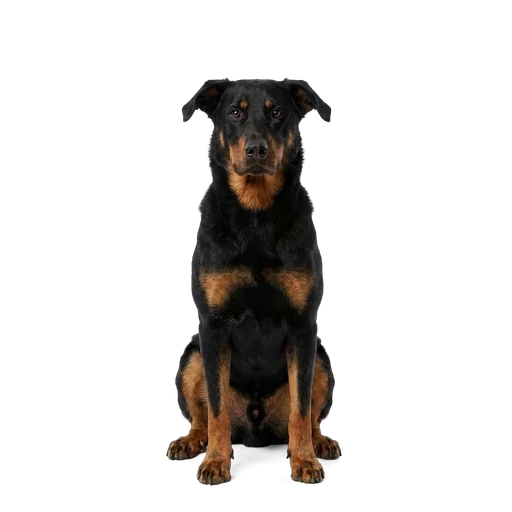
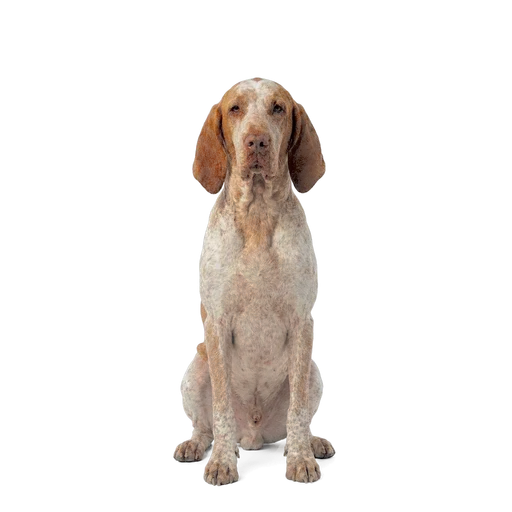
Deciding between similar breeds? Here is the Dogo Argentino next to Beauceron and Bracco Italiano.
| Dogo Argentino | Beauceron | Bracco Italiano | |
|---|---|---|---|
| Size | Large | Large | Large |
| Weight | 36-45 kg | 32-50 kg | 25-40 kg |
| Lifespan | 9-15 yrs | 10-12 yrs | 12-13 yrs |
| Activity | Active | Active | Active |
| Shedding | Medium | Medium | Medium |
| Good with kids | Yes | Yes | Yes |
| Apartment-friendly | No | No | No |
Frequently asked questions
Is the Dogo Argentino banned or restricted anywhere?
Yes. The Dogo Argentino is banned or restricted in several countries and local areas, and the rules vary and change. Before getting one, check the current laws where you live, including any rules on muzzling, insurance, licensing or secure containment. Ignoring these can lead to fines or the dog being seized, so it is the first thing to sort out.
Why do some Dogo Argentinos go deaf?
The breed's almost entirely white coat is linked to a lack of pigment cells, and those same cells are needed for normal hearing in the inner ear. As a result some Dogos are born deaf in one or both ears, a condition called pigment-related congenital deafness. Good breeders BAER-test puppies to identify it early. A deaf Dogo can still thrive with training that uses hand signals and vibration cues.
Are Dogo Argentinos good family dogs?
With the right owner, yes. Dogos are loyal, affectionate and typically good with children in their own family, and they bond deeply with their people. The caveats are real, though: they have a strong prey drive, can be assertive with other dogs and small pets, and need heavy socialization and firm training. They suit an experienced, active household rather than a first-time owner.
How much exercise does a Dogo Argentino need?
A lot. This is an athletic hunting breed that needs substantial daily exercise, well over an hour of vigorous activity plus mental stimulation, to stay balanced and content. Long walks, running, structured play and training games all help. A Dogo that is under-exercised and under-stimulated can become frustrated and hard to live with, which is a big reason the breed does not suit apartments or sedentary homes.
Do Dogo Argentinos need sun protection?
Yes, more than most dogs. Their short white coat and lightly pigmented skin make them prone to sunburn and, over time, to sun-related skin damage, especially on the nose, ear tips and belly. Provide shade, avoid the harshest midday sun, and use a vet-recommended pet-safe sunscreen on exposed areas. Keep an eye out for any new sores or changes to the skin and have them checked.
Related breeds
Health and care information is drawn from established veterinary sources and is general guidance, not veterinary advice. See our sources
Keep records for your Dogo Argentino
Vaccinations, food and treat safety, allergy alerts and parasite reminders - all tracked for your Dogo Argentino in the Pethls app.