

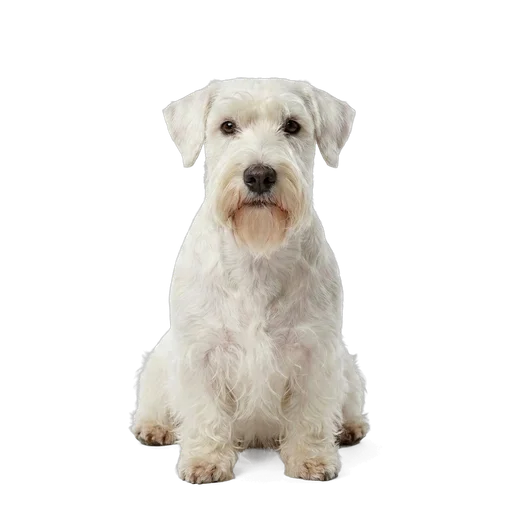
Origin: Wales
Sealyham Terrier
Get reminders for your Sealyham Terrier's vaccines
Vaccination and parasite reminders, food-safety scans and health records — free to start in the Pethls app.


Good for
The Sealyham Terrier is a small, mostly white Welsh breed developed in the late 1800s at Sealyham House in Pembrokeshire to work otter, badger, and fox. In the 1920s and 30s it became Hollywood's dog of choice, owned by Alfred Hitchcock, Cary Grant, and Bette Davis, before slipping into rarity; today it is listed among Britain's vulnerable native breeds. At 8 to 11 kilograms, a Sealyham is calm for a terrier, genuinely funny, brave when it matters, and happiest glued to its people. The wiry double coat sheds very little but demands real grooming commitment. Expect 12 to 14 good years from a well-bred one.
Temperament & personality
Sealyham people describe the breed as a terrier with the volume turned down. There is courage in there, this dog once faced badgers underground, but day to day a Sealyham is composed, droll, and content to supervise the household from the sofa. They have a comedian's timing and know exactly when a head tilt or a stolen sock will get a laugh.
The breed is companionable to its core. Sealyhams were bred to work alongside people rather than range independently, and they want to be in the room with you, ideally touching you. Left alone for long workdays they wilt, so they suit households where someone is usually around or where the dog can come along.
Training goes well if you keep it interesting. Sealyhams are clever and slightly self-satisfied; they learn fast, then decide whether your request is reasonable. Food and praise beat repetition and drilling every time. Their moderate energy and quiet, deep bark make them one of the best terriers for apartment living, provided they still get their two daily walks and a chance to sniff. With children they are sturdy and tolerant, and most get along with other dogs better than the average terrier, though small furry pets still read as prey to some individuals.
Vaccination schedule
Sealyham puppies need the core DHPP series, protecting against distemper, hepatitis (adenovirus), parvovirus, and parainfluenza. The first dose goes in at six to eight weeks, with repeats every three to four weeks until at least 16 weeks of age. Do not shortcut the final dose; maternal antibodies can block earlier vaccines, and the 16-week shot is often the one that actually confers protection.
Rabies vaccination is given once between 12 and 16 weeks, depending on the law where you live, boosted at one year, and then repeated every one to three years per local regulation. DHPP is boosted at one year and generally every three years after that.
Leptospirosis is now recommended as a core vaccine for every dog, given as a two-dose puppy series and then boosted annually, unlike the every-three-years DHPP boosters. The risk runs higher for a Sealyham that walks near ponds, rivers, or rat-frequented areas, which is part of why that yearly booster matters. Because Sealyhams are sociable dogs that do well at daycare, grooming salons, and training classes, kennel cough (Bordetella) vaccination is a practical add-on to discuss with your vet as well. Set booster reminders so a busy season never leaves your dog exposed.
Best food & diet
An adult Sealyham at 8 to 11 kilograms typically needs a modest amount of food, and the breed's calm indoor style makes weight gain the number one dietary risk. Feed two measured meals a day of a quality small-breed diet with named animal protein first, and measure every portion. A fat Sealyham loses its athletic outline quickly, and extra kilograms strain joints and shorten lives in small breeds.
Skin health deserves attention on the plate. Because allergies and skin issues run in the breed, choose a diet with a solid omega-3 content (fish oil or added EPA and DHA), which supports the skin barrier. If chronic itching or recurrent ear infections appear, a strict eight to twelve week elimination diet with a novel or hydrolyzed protein, run under veterinary supervision, is the only trustworthy way to confirm or rule out food allergy.
Puppies do well on a small-breed puppy formula fed three to four times daily until about six months, then twice daily. Keep training treats tiny; a Sealyham will negotiate hard, and calories from treats should stay under ten percent of the daily total. Check ingredient lists against your dog's known sensitivities before anything new goes in the bowl.
Common health problems
Primary lens luxation (PLL) is the breed's most important inherited condition. The fibers holding the lens inside the eye weaken and the lens shifts out of place, usually between three and eight years of age. A luxated lens is an emergency: it can block fluid drainage, spike eye pressure, and cause painful glaucoma and blindness within days. Sudden squinting, a red or cloudy eye, or pawing at the face means a same-day vet visit. The good news is a reliable DNA test exists, and responsible breeders test every breeding dog; ask for both parents' PLL results before buying a puppy.
Congenital deafness occurs in some Sealyhams, linked as in many predominantly white breeds to the genetics of coat color. Reputable breeders BAER-test puppies (a hearing test done from about five weeks) before placing them. A unilaterally deaf dog usually lives a normal life with only minor adjustments (sound localization can be affected); you just want to know what you have.
Allergic skin disease is the third recurring theme and is covered in detail in the next section. Beyond these, the breed is fairly sound. Keep an eye on the back: as with any long-and-low build, jumping off high furniture is worth discouraging, and maintain dental care from puppyhood since small terriers accumulate tartar early. Well-bred Sealyhams routinely reach 12 to 14 years, and plenty go beyond.
Allergies & skin
Under that crisp white jacket, Sealyham skin can be temperamental. Atopic dermatitis shows up as itching focused on the paws, belly, armpits, and ears, often starting between one and three years of age. On a white dog the evidence is easy to spot: pink-brown saliva staining on the feet is a classic early sign that licking has become a habit.
Ear trouble deserves its own mention. The Sealyham's drop ears plus allergy-prone skin create a warm, humid canal where yeast and bacteria thrive. A weekly sniff-and-look at each ear, and a vet-approved cleaner used after swimming or baths, prevents most infections. Recurrent ear infections in this breed are usually allergy driven, so treat the cause, not just the ears.
Management is very doable. Modern anti-itch medications, regular medicated or moisturizing shampoos, omega-3 supplementation, and flea control (a single flea bite can set off an allergic dog) keep most Sealyhams comfortable. For stubborn cases, allergy testing and immunotherapy are worth the investment in a breed this long-lived.
One honest note: the Sealyham sheds very little, which keeps homes clean, but low-shedding is not the same as hypoallergenic. Allergens live in dander and saliva, not just loose hair, so allergic households should spend time with an adult Sealyham before committing.
Flea, tick & worm prevention
Ten centimetres of ground clearance and a dense double coat make the Sealyham an efficient parasite collector on any grassy walk. Year-round prevention is simpler and cheaper than fighting infestations: choose a monthly chewable, a spot-on, or a long-acting collar with your vet. For allergy-prone Sealyhams, strict flea control is non-negotiable, because flea allergy dermatitis can undo months of careful skin management with one bite.
After walks in long grass or woodland, run your fingers against the coat over the head, ears, armpits, and groin. Ticks hide well in white wiry hair while they are small. Remove any tick promptly with a twisting tool, and note the date; if lethargy or lameness appears in the following weeks, tell your vet.
Worming runs on the standard schedule: puppies every two weeks from two weeks of age until twelve weeks, then monthly to six months, then adult dosing every three months for roundworm and tapeworm. Monthly lungworm-active products make sense where Angiostrongylus is established, since Sealyhams investigate slugs and snails at exactly nose height. Always dose to current weight; an 8 kilogram bitch and an 11 kilogram dog do not get the same tablet.
Medications & dosing
All dosing for a Sealyham is weight-based and belongs in your vet's hands. The breed's 8 to 11 kilogram range sounds narrow, but that is nearly a 40 percent difference between the smallest bitch and the biggest dog, enough to matter for anti-inflammatories, anaesthesia, and parasite products alike. Weigh your dog every six months and update prescriptions accordingly.
Keep human medicines locked away. Paracetamol, ibuprofen, and decongestants are dangerous to a dog this size in quantities as small as a single tablet. If your Sealyham seems sore or unwell, call the vet rather than the medicine cabinet.
Two breed-specific notes. First, if PLL is ever diagnosed, your vet may prescribe pressure-lowering eye drops as a bridge to surgery; the dosing schedule is strict and missed drops risk vision, so set alarms. Second, allergic Sealyhams often end up on long-term medication such as oclacitinib or lokivetmab, and these are dosed precisely to the kilogram. Track weights, doses, and refill dates so nothing slips.
Grooming & coat care
Be honest with yourself before you fall for that white beard: the Sealyham is a high-maintenance coat on a low-maintenance dog. The weather-resistant wiry jacket over soft undercoat mats readily if ignored. Plan on a thorough brush and comb three times a week, paying special attention to the beard, leg furnishings, and armpits where tangles start.
For the coat itself you have two routes. Hand-stripping every eight to twelve weeks preserves the harsh, dirt-shedding texture and rich white color; it is the show method, and some dedicated pet owners learn to do it themselves. Clipping every six to eight weeks is the practical alternative most pet homes choose, accepting that the coat becomes softer and slightly fluffier over time. Either way, budget for a professional groomer or the time to learn.
The famous face needs daily attention. Wipe the beard after meals and drinks, and clean under the eyes to prevent tear staining on white hair; a damp cloth and a dry towel take one minute and keep the head looking like a Sealyham rather than a mop. Check and clean ears weekly given the breed's infection tendency.
Nails every three to four weeks, teeth several times a week, and a bath roughly every four to six weeks with a gentle or medicated shampoo if skin is sensitive. Start all of this in puppyhood; an adult Sealyham that learned grooming at eight weeks treats the table as nap time.
How the Sealyham Terrier compares
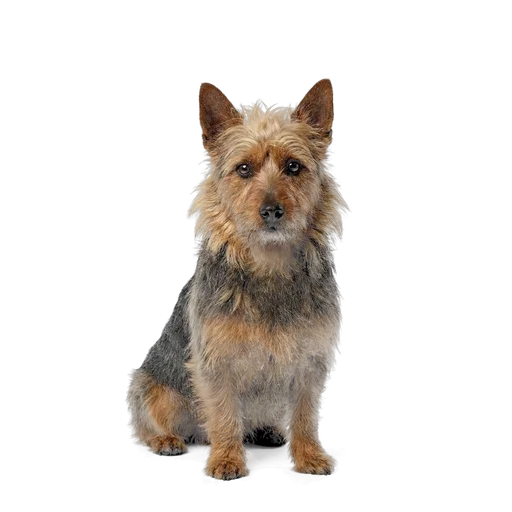
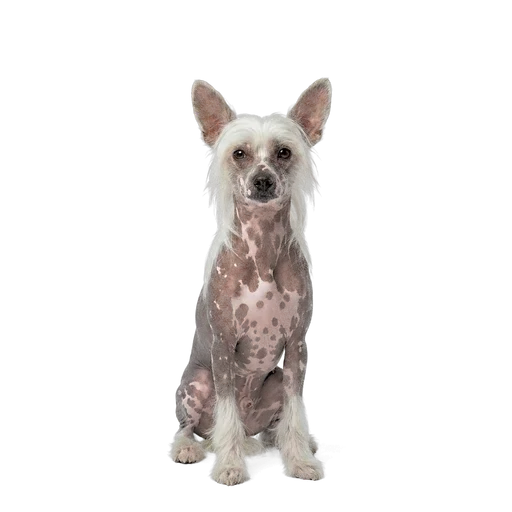
Deciding between similar breeds? Here is the Sealyham Terrier next to Australian Terrier and Chinese Crested.
| Sealyham Terrier | Australian Terrier | Chinese Crested | |
|---|---|---|---|
| Size | Small | Small | Small |
| Weight | 8-11 kg | 6-7 kg | 4-5 kg |
| Lifespan | 12-14 yrs | 11-15 yrs | 13-18 yrs |
| Activity | Moderate | Moderate | Moderate |
| Shedding | Low | Low | Low |
| Good with kids | Yes | Yes | Yes |
| Apartment-friendly | Yes | Yes | Yes |
Frequently asked questions
Are Sealyham Terriers good apartment dogs?
Yes, among the best of the terriers. Sealyhams are calm indoors, moderate in energy, and not given to nuisance barking, though they will announce the doorbell in a voice bigger than the dog. Two daily walks plus some indoor play meets their needs. What they cannot handle is long hours alone; this is a companion breed that wants its people nearby.
Why are Sealyham Terriers so rare now?
Fashion moved on. In the 1920s and 30s the Sealyham was a celebrity dog owned by Hollywood stars and royalty, but registrations collapsed after mid-century and the breed now sits on the UK Kennel Club's vulnerable native breeds list, with only a couple of hundred puppies registered in Britain most years. Finding one takes patience and a waiting list, but the small breed community is dedicated and health-testing rates are strong.
What is primary lens luxation and can it be prevented?
PLL is an inherited weakness of the fibers that hold the lens inside the eye. When the lens shifts, usually between three and eight years of age, it can cause painful glaucoma and rapid blindness, and it is a genuine veterinary emergency. Prevention happens at the breeding level: a DNA test identifies clear, carrier, and affected dogs, so always ask a breeder for both parents' PLL results. If you own a Sealyham of unknown status, the same cheek-swab test tells you whether to watch closely.
Are Sealyham Terriers hypoallergenic?
No. The breed sheds very little, which many allergy sufferers find easier to live with, but no dog is truly hypoallergenic because the allergens come from dander and saliva rather than the hair itself. If someone in the household has allergies, spend real time with adult Sealyhams before committing, ideally indoors and more than once.
How much grooming does a Sealyham actually need?
A lot, and it is the breed's main ownership cost. Expect brushing and combing about three times a week, professional hand-stripping every eight to twelve weeks or clipping every six to eight, daily beard wipes after meals, and weekly ear checks. Skip the routine and the soft undercoat mats close to the skin, which is uncomfortable for the dog and expensive to fix.
Related breeds

Health and care information is drawn from established veterinary sources and is general guidance, not veterinary advice. See our sources
Keep records for your Sealyham Terrier
Vaccinations, food and treat safety, allergy alerts and parasite reminders - all tracked for your Sealyham Terrier in the Pethls app.