

Origin: United Kingdom
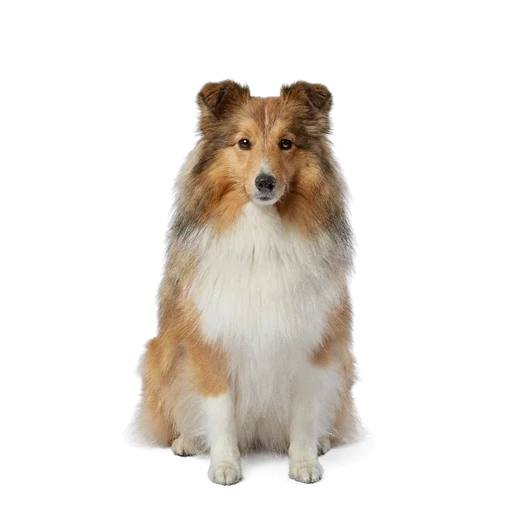
Shetland Sheepdog
Get reminders for your Shetland Sheepdog's vaccines
Vaccination and parasite reminders, food-safety scans and health records — free to start in the Pethls app.


Good for
The Shetland Sheepdog, or Sheltie, is a small herding breed from the rugged Shetland Islands off the north coast of Scotland. Weighing 5 to 11kg and living around 12 to 14 years, it packs the brains and drive of a working collie into a compact, family-sized frame. Shelties are famously bright and eager to please, which puts them near the top of every trainability ranking. They are also sensitive souls who bond hard with their people and tend to be vocal, so a busy doorbell will get plenty of commentary. For an owner who wants an affectionate, trainable dog and doesn't mind a bit of barking and a lot of brushing, the Sheltie is hard to beat.
Temperament & personality
Shelties are quick, watchful, and deeply attached to their families. They read a room well and often mirror the mood of the household, which is part of what makes them such rewarding companions and, at the same time, prone to anxiety if life gets chaotic. Most are gentle with children and get on with other dogs and cats, especially when raised alongside them.
The flip side of that sharp herding brain is a strong reaction to movement and sound. A Sheltie will often chase bikes, joggers, or the vacuum cleaner, and many will herd children or nip at heels if the instinct isn't channelled. Early training and a job to do, whether that's obedience, agility, or trick work, keeps that energy pointed somewhere useful.
Barking is the trait new owners underestimate. Shelties bark to alert, to play, and sometimes simply because something moved outside. It's manageable with consistent training from puppyhood, but it rarely disappears entirely, so this is not the ideal breed for a noise-sensitive flat with thin walls.
With strangers, most Shelties are reserved rather than aggressive. Good early socialization, meeting lots of people, surfaces, and situations before 16 weeks, helps a naturally cautious puppy grow into a confident adult.
Vaccination schedule
Sheltie puppies follow the standard UK vaccination course. The core DHPP combination protects against distemper, hepatitis (adenovirus), parvovirus, and parainfluenza. The primary series usually starts at 6 to 8 weeks, with a second dose at 10 to 12 weeks and often a final dose around 16 weeks to make sure maternal antibodies aren't blocking the response.
Rabies vaccination isn't legally required for dogs living in the UK, but it is mandatory if you want to take your dog abroad, where it is documented on an Animal Health Certificate. If you plan to take your Sheltie abroad, your dog must be microchipped before the rabies shot, which can be given from 12 weeks of age, followed by the required waiting period before travel.
Leptospirosis is now a core vaccine recommended for every dog, so your Sheltie should receive it regardless of lifestyle or location. The risk is higher for dogs who swim or walk near rivers, farmland, and wildlife, which is one reason the annual booster matters. Your vet may also suggest the kennel cough (Bordetella) vaccine if your dog boards, attends training classes, or visits daycare.
After the puppy series, most dogs move to a booster schedule where DHPP core components are given every three years, while leptospirosis needs a two-dose puppy series followed by an annual booster. Your vet will keep a record and remind you when each is due.
Best food & diet
Shelties do well on a good-quality complete diet formulated for small to medium breeds, matched to their life stage. Puppies need a growth formula until roughly 12 months, then a switch to adult food keeps their energy and weight steady.
Portion control matters more than owners expect. Under that thick coat it's easy to miss weight gain until it's significant, and Shelties will happily eat past what they need. Weigh out meals rather than free-feeding, and use part of the daily ration for training rewards so treats don't tip the balance.
This is an active breed, so working or agility Shelties may need slightly more calories, while a quieter house dog needs less. Check body condition every couple of weeks by feeling for the ribs, which should be easy to find under a light layer of fat, and watch for a visible waist from above.
Fresh water should always be available. If you ever change diets, do it gradually over about a week to avoid stomach upset.
Common health problems
Shelties are generally hardy, but as a collie relative they carry a few breed-specific risks worth knowing. Collie eye anomaly, an inherited condition affecting the development of the eye that is present from birth, can be picked up by a specialist eye exam in puppies, so ask your breeder whether the litter has been screened. Progressive retinal atrophy, a gradual degeneration of the retina that eventually causes blindness, is the other main eye concern. Responsible breeders screen their stock for both.
The most important thing every Sheltie owner should know is the MDR1 (ABCB1) gene mutation. Dogs carrying this mutation cannot properly clear certain drugs from the brain, which makes them dangerously sensitive to high-dose ivermectin, some worming and parasite products, and several sedatives and anaesthetics. A simple cheek-swab or blood test tells you your dog's MDR1 status, and it's information every vet treating your Sheltie needs before prescribing. Ask your vet or breeder about testing early.
A few other conditions turn up in the breed. Hip dysplasia and dermatomyositis (an inherited skin and muscle condition) can both affect Shelties, along with hypothyroidism. Hypothyroidism is an underactive thyroid that causes weight gain, lethargy, and coat changes; if it develops, it is usually easy to manage with a daily tablet. Von Willebrand disease, an inherited bleeding disorder, also occurs, though the risk is generally low.
Buying from a breeder who health-tests parents for eye disease, hips, and MDR1 status is the single best way to lower your odds of trouble. Keep up with annual vet check-ups so any issue is caught early.
Allergies & skin
Under all that fur, Sheltie skin is fairly sensitive. Some dogs can develop atopic dermatitis, an allergic skin reaction to environmental triggers like pollen, dust mites, or grass, which shows up as itching, licking, redness, and recurrent ear or paw infections.
Food sensitivities are less common but do happen, usually tied to a specific protein rather than grain. If your dog is itchy year-round with no seasonal pattern, your vet may suggest an exclusion diet to identify the trigger.
The thick double coat can hide skin problems until they're advanced. Part the fur regularly during grooming and look at the skin underneath for scabs, hot spots, flea dirt, or thinning. Because dermatomyositis affects the skin in this breed, any unusual crusting on the face, ears, or legs of a young Sheltie is worth getting checked by a vet promptly.
Keep on top of parasite control, since flea allergy is one of the most common causes of itching in any dog, and a single bite can set a sensitive Sheltie off.
Flea, tick & worm prevention
Year-round flea and tick prevention is the sensible baseline for a Sheltie who walks in parks, woodland, or the countryside. Products come as spot-on liquids, chewable tablets, and collars, and your vet will help you pick one that fits your dog's lifestyle.
The MDR1 question matters here too. Most modern flea and worming products are safe even for MDR1-affected dogs at standard doses, but this is exactly why knowing your dog's status and using vet-recommended products at the correct weight-based dose is so important. Don't improvise with livestock or high-dose parasite treatments.
Worming covers roundworms, tapeworms, and, depending on where you live and travel, lungworm, which is spread by slugs and snails and can be serious. Puppies need worming more frequently, often every two weeks until 12 weeks old, then monthly to six months. Adults are typically wormed every one to three months depending on risk.
Ticks are worth a special mention for a dog who spends time in long grass. Check the coat after country walks, paying attention to the ears, armpits, and between the toes, and remove any tick promptly with a proper tick tool.
Medications & dosing
All medication for a Sheltie should be dosed by body weight and directed by your vet. Because these dogs range from 5 to 11kg, the right dose for one Sheltie can be quite different from another, and guessing risks under- or over-dosing.
The MDR1 mutation makes this breed a genuine special case. An MDR1-affected Sheltie can react badly to standard doses of certain drugs, including some sedatives, anti-diarrheal medicines like loperamide, and high-dose ivermectin. Always tell any vet treating your dog if it is MDR1-affected or untested, and never give a leftover or borrowed medication without checking first.
Never share human painkillers with your dog. Ibuprofen and paracetamol are toxic to dogs, and even aspirin should only be given on veterinary advice.
Finish any prescribed course in full, especially antibiotics, even if your dog seems better partway through, and store all medicines out of reach of a curious, food-motivated Sheltie.
Grooming & coat care
The Sheltie's crowning glory is also its biggest commitment. The dense double coat, a soft insulating undercoat beneath a longer harsh topcoat, needs brushing two or three times a week to prevent mats, especially behind the ears, under the elbows, and around the trousers and tail.
Shedding is heavy. Shelties drop their coat steadily and then blow it out in bigger seasonal molts, usually spring and autumn, when daily brushing becomes necessary to keep the house and your clothes under control. A slicker brush plus an undercoat rake makes the job manageable.
Bath as needed rather than on a strict schedule, using a dog shampoo, and always brush the coat out fully before bathing so wet fur doesn't tighten existing tangles into solid mats. Never shave a Sheltie's double coat, since it protects against both heat and cold and can grow back patchy or with an altered texture.
Round out the routine with regular nail trims, dental care, and ear checks. Keep the fur between the paw pads trimmed for grip and comfort, and check ears for wax or odor during each grooming session.
How the Shetland Sheepdog compares
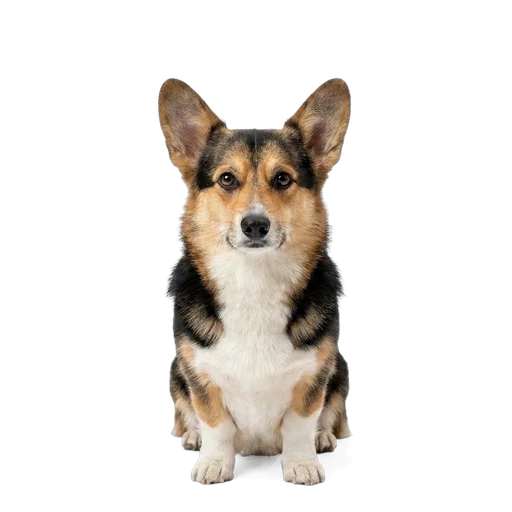
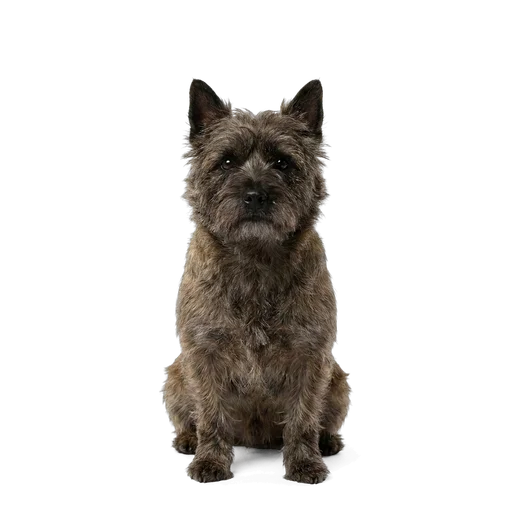
Deciding between similar breeds? Here is the Shetland Sheepdog next to Pembroke Welsh Corgi and Border Terrier.
| Shetland Sheepdog | Pembroke Welsh Corgi | Border Terrier | |
|---|---|---|---|
| Size | Small | Small | Small |
| Weight | 5-11 kg | 10-14 kg | 5-7 kg |
| Lifespan | 12-14 yrs | 12-13 yrs | 12-15 yrs |
| Activity | Active | Active | Active |
| Shedding | High | High | Low |
| Good with kids | Yes | Yes | Yes |
| Apartment-friendly | No | Yes | Yes |
Frequently asked questions
Do Shetland Sheepdogs bark a lot?
Yes, Shelties are naturally vocal and bark to alert, play, and react to movement or sound. Consistent training from puppyhood reduces it, but it rarely goes away completely, so they aren't the best fit for a noise-sensitive flat.
Are Shelties good family dogs?
They're excellent family dogs. Shelties are affectionate, gentle with children, and bond closely with their people. Their herding instinct means they may try to round up young kids, so early training helps channel that behavior.
What is the MDR1 gene and why does it matter for a Sheltie?
MDR1 (ABCB1) is a gene mutation common in collie-type breeds that stops the body clearing certain drugs from the brain. Affected dogs can react dangerously to high-dose ivermectin, some sedatives, and other medicines. A simple cheek swab tells you your dog's status, and every vet treating your Sheltie should know it.
How much grooming does a Shetland Sheepdog need?
A fair amount. The double coat needs brushing two or three times a week, rising to daily during the heavy spring and autumn molts. Never shave the coat, as it protects against heat and cold and may grow back poorly.
Are Shetland Sheepdogs easy to train?
Very. Shelties are among the most trainable breeds, quick to learn and eager to please, which is why they excel at obedience and agility. They respond best to positive, reward-based methods, since they're sensitive to harsh corrections.
Related breeds

Health and care information is drawn from established veterinary sources and is general guidance, not veterinary advice. See our sources
Keep records for your Shetland Sheepdog
Vaccinations, food and treat safety, allergy alerts and parasite reminders - all tracked for your Shetland Sheepdog in the Pethls app.