

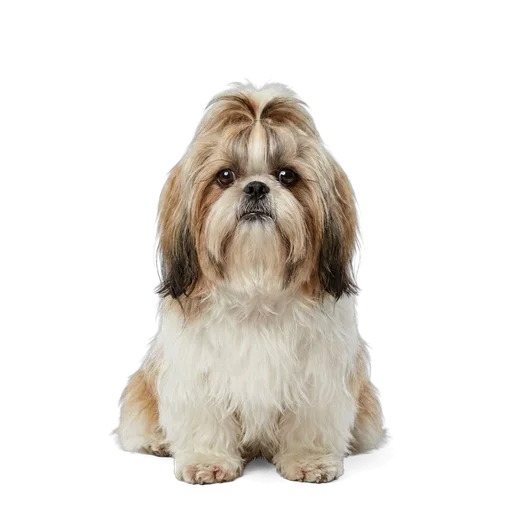
Origin: Tibet
Shih Tzu
Get reminders for your Shih Tzu's vaccines
Vaccination and parasite reminders, food-safety scans and health records — free to start in the Pethls app.


Good for
The Shih Tzu was bred in Tibet and refined in the Chinese imperial court for a single job: to be a companion. That heritage shows in every part of the dog, from the small sturdy frame to the friendly, people-focused temperament. They are lapdogs in the truest sense, happiest close to their humans and adaptable enough for a flat, a family home, or a quiet retirement household. The flowing coat is the headline feature and the biggest commitment, and the short muzzle means a bit of extra care in the heat. Give one steady attention and daily grooming, and you get an affectionate, unflappable little companion.
Temperament & personality
Shih Tzus are affectionate, cheerful, and genuinely sociable. Centuries as court companions left their mark: most greet strangers warmly, settle well with visitors, and want to be wherever their family is. This is not a dog that thrives left alone all day, and separation-related stress is common if they are isolated too long.
Energy stays low and even. A couple of short walks and some indoor play meet their needs, which makes them a natural fit for apartments and less active owners. They have a playful, slightly clownish streak and enjoy games, but they are just as content dozing beside you.
They tend to be excellent with children and other pets, forgiving and rarely aggressive. Their small size means play with young kids should be supervised so the dog isn't dropped or squeezed. A mild stubborn streak shows up in house-training, which takes patience and a consistent routine, but they respond well to gentle, reward-based methods and suit first-time owners.
Vaccination schedule
Shih Tzu puppies follow the same core vaccine plan as any breed. DHPP (distemper, hepatitis/adenovirus, parvovirus, parainfluenza) begins at 6 to 8 weeks and repeats every 3 to 4 weeks until the puppy is at least 16 weeks old. Keep a young, part-vaccinated puppy off communal ground and away from unknown dogs until the course is complete, since parvovirus is dangerous and easily picked up.
Rabies is given once between 12 and 16 weeks where required by law, boosted at one year, then every 1 to 3 years depending on the vaccine and local rules. The first DHPP booster falls at around 12 months, after which most healthy adults move to a three-yearly schedule confirmed by your vet.
Because Shih Tzus are often social little dogs who visit groomers, daycare, or boarding kennels, ask about Bordetella (kennel cough) cover. Leptospirosis is now recommended as a core vaccine for every dog, given as a 2-dose puppy series followed by an annual booster (unlike the three-yearly DHPP boosters); dogs with more outdoor, rural, or water exposure face higher risk, so confirm the timing with your vet. Other non-core vaccines like Lyme and canine influenza depend on where you live and how much time your dog spends outdoors.
Best food & diet
A complete small-breed diet suits a Shih Tzu well, fed in measured portions to hold a trim 4 to 7 kg. These dogs gain weight easily on a low-activity lifestyle, and extra kilos strain the knees and worsen breathing in a dog that already has a shortened muzzle. Keep an eye on the waistline and resist the pleading eyes at the table.
Small jaws and crowded teeth make kibble size and dental health worth thinking about. Small-breed kibble is shaped to be easier to pick up and chew, and some dogs manage better with slightly softened food. Whatever you feed, pair it with a real dental routine, since tartar and gum disease set in early in this breed.
Food sensitivities happen, with beef, chicken, dairy, and wheat among the usual triggers. If you see itchy skin, chronic ear infections, or digestive upset, work through a vet-guided elimination diet rather than swapping brands at random. Split the daily ration into two meals and count treats toward the total, since it takes very little to overfeed a dog this size.
Common health problems
The Shih Tzu is a brachycephalic breed, meaning the short, flat muzzle can restrict airflow. Most cope fine, but they struggle in heat and humidity and can snort, snore, and tire quickly in warm weather. Keep them cool, avoid midday exercise in summer, and treat heavy open-mouthed panting or blue-tinged gums as an emergency.
Eyes are a major watch point. Those large, prominent eyes sit in shallow sockets, which leaves them open to dry eye, corneal ulcers, and direct injury. Any squinting, pawing at the eye, cloudiness, or discharge needs prompt veterinary attention, because a scratched cornea can worsen fast. Keeping the facial hair trimmed away from the eyes helps prevent irritation.
Like many small toy breeds, they can also develop patellar luxation (slipping kneecaps). The warm, hairy ear canal encourages recurrent ear infections, and a small jaw leaves teeth crowded and prone to problems. Renal dysplasia, an inherited kidney malformation, is worth asking a breeder about and can cause excessive drinking, poor growth, or kidney failure in young dogs; reputable breeders screen for it.
Allergies & skin
Under all that coat, Shih Tzu skin can be sensitive and prone to allergy. Environmental triggers such as dust mites and mold are common, along with food ingredients like beef, chicken, dairy, and wheat. Allergic dogs typically itch at the paws, face, belly, and ears, and the dense coat can trap moisture and allergens against the skin.
Look for constant foot-licking, face-rubbing, head-shaking, and repeated ear infections, which are often the first sign of an underlying allergy in this breed. The folds and hair around the muzzle and eyes can also stay damp and grow yeast or bacteria, so those areas need regular drying and cleaning.
Because the coat hides skin changes, part the hair and check the skin during grooming rather than waiting for a visible problem. Management may combine a vet-directed food trial, medicated washes, ear care, and anti-itch medication. Keeping the coat clean, dry, and free of mats is itself part of good skin care in a Shih Tzu.
Flea, tick & worm prevention
A long, thick coat can hide fleas and ticks until an infestation is well underway, so year-round parasite prevention matters even for an indoor lapdog. Fleas trigger intense itching in an allergy-prone breed, and ticks picked up on walks can transmit disease, so don't skip cover just because your Shih Tzu stays close to home.
Use a preventive matched to your dog's weight band, which for a 4 to 7 kg Shih Tzu means one of the smallest dosing sizes. Options include monthly spot-ons and oral chews, several of which combine flea, tick, and worm control in one product. Your vet can advise on heartworm cover if it is relevant in your area.
For worming, puppies are treated every 2 weeks until 12 weeks old, then monthly until 6 months. Adults are usually wormed every 3 months, adjusted for lifestyle and whether young children share the home. Part the coat and run a flea comb through it regularly, since flea dirt is easy to miss on a densely coated dog.
Medications & dosing
Small dogs leave little margin for error, so dosing by accurate body weight is essential in a Shih Tzu. At 4 to 7 kg they sit in the lowest bands of most flea, worm, and medication charts, and a dose meant for a larger dog can easily be too much. Weigh your dog rather than guessing, and re-check the weight as puppies grow.
Keep all human painkillers well away from your dog. Paracetamol, ibuprofen, and aspirin are toxic to dogs and can cause serious internal damage even at small doses that a person would shrug off. For pain or inflammation, use only a canine medication prescribed for your specific dog at the exact dose given.
Give the full course of any antibiotic even once symptoms fade, and never split or share medication between pets. Because Shih Tzus often need eye drops or ointments for their prominent eyes, learn the correct technique from your vet and finish the full treatment. Report any vomiting, appetite loss, or unusual drowsiness after a new medication promptly.
Grooming & coat care
Grooming is the single biggest commitment with this breed. The Shih Tzu's long, flowing coat has a slow growth cycle, so hairs are shed gradually and tend to catch in the coat rather than drop, which is why they shed little and are often listed among the more allergy-friendly breeds. That same coat also mats quickly and needs daily attention if kept long.
For a full-length coat, brush and comb right down to the skin every day to prevent tangles from tightening into painful mats, especially behind the ears, under the legs, and around the rear. Many owners choose a short "puppy cut" from a groomer every 4 to 6 weeks, which keeps the dog comfortable and cuts daily brushing to a few minutes. Either way, professional grooming every month or two is the norm.
The face needs its own routine. Trim or tie back the hair around the eyes to protect them and reduce staining, wipe the eye area and facial folds daily to keep them dry, and clean the ears regularly since the hairy canal traps wax and moisture. Add routine nail trims and a consistent tooth-brushing habit, because this small-jawed breed is prone to dental disease.
How the Shih Tzu compares
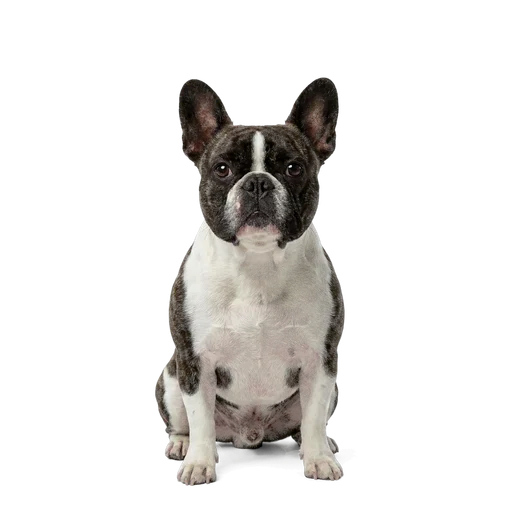
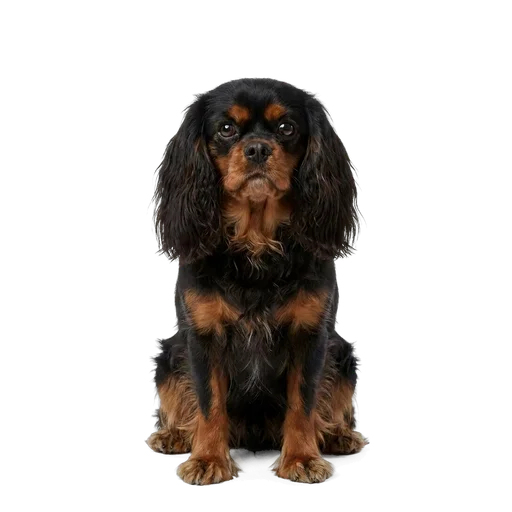
Deciding between similar breeds? Here is the Shih Tzu next to French Bulldog and English Toy Spaniel.
| Shih Tzu | French Bulldog | English Toy Spaniel | |
|---|---|---|---|
| Size | Small | Small | Small |
| Weight | 4-7 kg | 8-14 kg | 4-6 kg |
| Lifespan | 10-16 yrs | 10-12 yrs | 10-12 yrs |
| Activity | Calm | Calm | Calm |
| Shedding | Low | Low | Medium |
| Good with kids | Yes | Yes | Yes |
| Apartment-friendly | Yes | Yes | Yes |
Frequently asked questions
Are Shih Tzus hypoallergenic?
They are widely considered one of the more allergy-friendly breeds. Their coat grows slowly and sheds very little, so fewer loose hairs and less dander circulate around the home. No dog is truly 100 percent hypoallergenic, so anyone with allergies should spend time around the breed before committing.
How much grooming does a Shih Tzu need?
A great deal. A full-length coat needs brushing and combing to the skin every single day to prevent painful mats, plus professional grooming every 4 to 6 weeks. Many owners keep a short puppy cut to make daily care manageable, but even then the face, ears, and eyes need regular cleaning.
Are Shih Tzus good with children and other pets?
Yes, they are one of the friendlier companion breeds and generally do well with kids and other animals. They are affectionate and rarely aggressive, which makes them a good family dog. Because they are small, supervise play with young children so the dog isn't accidentally hurt.
Do Shih Tzus have breathing problems?
Yes, they are brachycephalic, so the shortened muzzle can make them snore, snort, and overheat more easily than a long-nosed dog. Most live comfortably with sensible care: keep them cool, avoid exercise in the heat of the day, and manage their weight. Heavy laboured breathing or blue-tinged gums needs urgent veterinary attention.
Why are my Shih Tzu's eyes always watering or getting infected?
Those large, prominent eyes sit in shallow sockets and are easily irritated by facial hair, dust, and dryness, which leads to tearing, staining, and sometimes ulcers. Keeping the hair trimmed back from the eyes, wiping the area daily, and seeing a vet promptly for any squinting or cloudiness all help protect them.
Related breeds
Health and care information is drawn from established veterinary sources and is general guidance, not veterinary advice. See our sources
Keep records for your Shih Tzu
Vaccinations, food and treat safety, allergy alerts and parasite reminders - all tracked for your Shih Tzu in the Pethls app.