


Origin: Ireland
Soft Coated Wheaten Terrier
Get reminders for your Soft Coated Wheaten Terrier's vaccines
Vaccination and parasite reminders, food-safety scans and health records — free to start in the Pethls app.


Good for
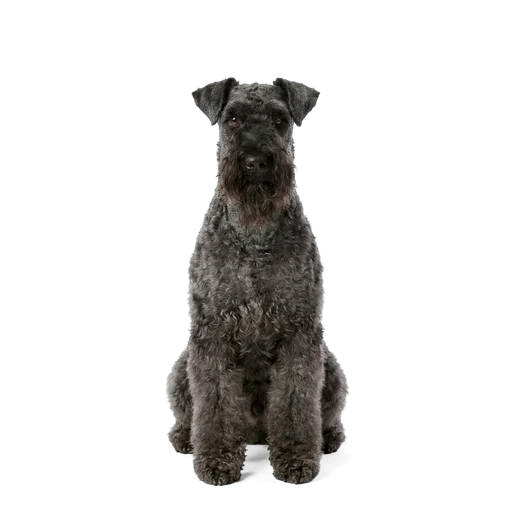
The Soft Coated Wheaten Terrier is a medium-sized Irish farm dog, bred as an all-purpose worker to herd, guard, and control vermin on smallholdings. What sets it apart is the coat, a soft, silky, single layer in shades of ripening wheat that falls in gentle waves and sheds very little, which is why the breed is often described as hypoallergenic, though no dog is truly allergen-free. In character the Wheaten is a happy, friendly terrier, less scrappy and more people-loving than many of its cousins, energetic when there is fun to be had and steady enough to settle at home. Weighing roughly 13 to 18 kg and living around 12 to 14 years, it makes a warm, sociable family dog. The trade-offs are a coat that needs real grooming commitment and a couple of serious breed-specific health conditions that make regular screening genuinely important.
Temperament & personality
Wheatens are famous for their upbeat, joyful nature, the breed even has its own trademark greeting, the Wheaten greetin', where the dog leaps up in sheer delight to say hello. They are affectionate, playful and love being with their people, thriving on company and doing poorly if left alone for long stretches. This is a dog that wants to be in the middle of family life.
They are usually good with children and enjoy a busy, sociable household, matching their energy and enthusiasm to it. Compared with harder-edged terriers, Wheatens tend to be friendlier with strangers and more tolerant of other dogs, though they still have terrier spirit and a fair prey drive toward small animals. Early socialization smooths off the bouncy edges and teaches them to keep four feet on the floor.
Bright and trainable but with an independent streak, Wheatens respond best to consistent, upbeat, reward-based training, they wilt under harsh handling. They can be exuberant to the point of clumsy, so patient work on manners pays off. Give them enough exercise and mental engagement and they are delightful. Fall short on either and their busy brains invent their own, less welcome, projects.
Vaccination schedule
Wheaten puppies follow the standard UK core vaccine schedule. The DHPP combination covers distemper, hepatitis (adenovirus), parvovirus and parainfluenza, given as a first dose at around 6 to 8 weeks and a second 2 to 4 weeks later. Most UK vets finish the primary course between 10 and 12 weeks, and full immunity develops a week or two after the final dose, so keep an unvaccinated puppy away from risky environments until then.
Rabies is not required for dogs living in the UK but is mandatory for travel abroad under the pet travel scheme. If you plan to take your Wheaten overseas, the rabies vaccine must be given at least 21 days before departure, so arrange it well in advance.
Leptospirosis is now a core vaccine recommended for every dog, and the risk is even higher for an active, outdoorsy breed that spends time in fields and near water. Kennel cough (Bordetella) protection is worth it if your dog boards or attends daycare and group classes. After the puppy course, talk to your vet about a modern tailored booster plan; the DHPP core vaccines are commonly boosted every three years, while leptospirosis is also core but needs a two-dose puppy series followed by an annual booster. Because Wheatens can have kidney-related conditions, keep every vaccination visit paired with a general health check so nothing is missed.
Best food & diet
Feed a complete, good-quality diet appropriate to the life stage, a puppy formula while growing and an adult medium-breed diet thereafter, split across two meals a day. Wheatens are active dogs that benefit from decent protein and steady energy, and keeping them lean protects their joints.
Diet takes on extra importance in this breed because of its kidney and gut conditions. Wheatens are prone to protein-losing nephropathy and protein-losing enteropathy, where protein is lost through the kidneys or the digestive tract. A dog diagnosed with either of these often needs a specific, vet-prescribed therapeutic diet, and the right protein level depends on whether the problem is in the kidneys or the gut. Do not adjust protein up or down on your own, let bloodwork and your vet guide it.
For a healthy Wheaten, feed to body condition, ribs easily felt and a clear waist, and keep fresh water available at all times. Report any lasting change in appetite, drinking, weight, or the appearance of the stools promptly, since these can be the first sign of the breed's protein-losing conditions.
Common health problems
The Wheaten's health story is dominated by two serious, breed-specific conditions that affect protein handling. Protein-losing nephropathy is a kidney disorder where the kidneys leak protein into the urine, and protein-losing enteropathy is a gut disorder where protein is lost through the intestinal wall. Some dogs have one, some have both together. Signs can be vague at first, weight loss, poor appetite, vomiting or diarrhea, swelling of the belly or limbs, and increased drinking, which is exactly why they are dangerous if not caught early.
Because these conditions can progress silently, annual screening is strongly advised in this breed. That typically means blood tests, a urine test to measure protein loss (the urine protein to creatinine ratio) and blood pressure checks, so problems are picked up before the dog is visibly unwell. If you own a Wheaten, put this yearly screen in the calendar and treat it as non-negotiable.
Two more conditions round out the breed's key risks. Addison's disease (hypoadrenocorticism) is a hormonal disorder where the adrenal glands underproduce, causing intermittent weakness, vomiting, poor appetite and, in a crisis, collapse. It is very treatable once diagnosed but easy to miss because the signs come and go. Renal dysplasia is an inherited condition where the kidneys do not develop normally, usually showing in young dogs as excessive drinking, poor growth and kidney failure. Regular vet care and prompt investigation of vague, ongoing symptoms give the best chance of catching all of these in time.
Allergies & skin
The Wheaten's single, silky coat is easier on allergy sufferers than a heavy shedding double coat, but the dogs themselves can still develop skin problems. Atopic dermatitis (allergy to pollens, dust mites, molds and grasses) is worth monitoring in any dog, as it causes itching, paw chewing, ear infections and reddened skin, and it often needs ongoing management once it appears, so discuss any signs with your vet.
Food sensitivities are relevant here for two reasons. As in other terriers, food allergy can drive itchy skin and ear trouble. On top of that, this breed's gut condition, protein-losing enteropathy, is itself linked to food and digestive upset, so any dog with chronic tummy problems alongside skin signs deserves a proper veterinary work-up, and diet changes for a Wheaten with gut disease should be planned with your vet.
The coat's density means skin issues can hide, so part the hair and check the skin regularly, watching for redness, greasiness, scabs or a smell, especially in the ears and around the muzzle where the long furnishings trap moisture and food. Keep up consistent flea control too, since flea allergy is a common, avoidable cause of itching. Any persistent scratching or sore skin warrants a vet visit before it becomes a secondary infection.
Flea, tick & worm prevention
An active Wheaten that spends time in gardens, fields and woodland needs steady, year-round parasite cover. Use a vet-recommended flea and tick treatment on a regular schedule, choosing from monthly spot-ons, tablets or longer-acting options to suit your dog and household. Ticks are widespread in grassy and wooded areas, and removing any you find promptly and correctly lowers the risk of Lyme disease and other tick-borne infections.
Worming needs to cover roundworms, tapeworms and lungworm. Lungworm, carried by slugs and snails, is a rising threat across the UK and can be fatal, so confirm your parasite plan includes specific lungworm protection. Most adult dogs are wormed around every three months, though your vet may suggest a different interval based on lifestyle and local risk.
Puppies are wormed more often, usually every two weeks until roughly 12 weeks old, then monthly until six months. Always dose to your dog's current weight, which matters more in a medium breed whose weight can shift, and never use a cat product on a dog. For any Wheaten with kidney or liver concerns, mention this to your vet so they can select parasite products that are gentle on those organs. If you travel abroad, tapeworm treatment before return to the UK is a legal requirement.
Medications & dosing
All medications for a Wheaten, from wormers and flea products to antibiotics and pain relief, are dosed by body weight, so keep an accurate, up-to-date weight and re-check it if your dog's condition changes. As a medium breed, dosing has a little more margin than in a tiny terrier, but precision still matters, especially for a dog with kidney disease.
This breed's health profile makes veterinary direction especially important. The kidneys clear many drugs from the body, so a Wheaten with protein-losing nephropathy or renal dysplasia may need adjusted doses, or different medicines altogether, to avoid overloading compromised kidneys. Anti-inflammatory painkillers in particular need careful thought in any dog with kidney concerns. Never give human medicines such as ibuprofen or paracetamol, they can be toxic, and always tell your vet about any known kidney, gut or adrenal condition before a new drug is prescribed.
If your Wheaten is on long-term medication, for Addison's disease for example, dosing must be consistent and paired with the monitoring blood tests your vet recommends. Keep a written log of every medicine, dose and time, finish prescribed courses fully, and store all tablets safely out of reach.
Grooming & coat care
The Wheaten's single, soft, silky coat is the breed's signature and its biggest grooming demand. Unlike wiry terriers, this coat has no harsh outer layer, it is fine and prone to matting, so it needs frequent attention. Brush and comb thoroughly several times a week, right down to the skin, since surface brushing alone leaves hidden mats forming underneath, especially behind the ears, in the armpits and around the rear.
On top of regular brushing, the coat needs trimming to keep it manageable, most owners visit a groomer every couple of months, or learn to trim at home. The coat is typically kept in a scissored, natural-looking style rather than stripped. Because the low-shedding coat holds onto dirt, debris and any loose hair rather than dropping it, keeping on top of grooming is what makes the hypoallergenic reputation hold true, a neglected coat quickly becomes a matted, uncomfortable mess.
Pay particular attention to the face and feet, where the long hair traps food, moisture and mud, keeping the beard clean helps avoid skin irritation. Round it off with the usual care, check and clean the ears regularly (the hairy ear canals trap moisture), trim nails when they click on the floor, and brush the teeth several times a week. Bathing every few weeks suits this coat better than most terriers, followed by thorough drying and combing to prevent mats setting in.
How the Soft Coated Wheaten Terrier compares
Deciding between similar breeds? Here is the Soft Coated Wheaten Terrier next to Standard Schnauzer and Irish Terrier.
| Soft Coated Wheaten Terrier | Standard Schnauzer | Irish Terrier | |
|---|---|---|---|
| Size | Medium | Medium | Medium |
| Weight | 13-18 kg | 14-20 kg | 11-12 kg |
| Lifespan | 12-14 yrs | 13-16 yrs | 13-15 yrs |
| Activity | Active | Active | Active |
| Shedding | Low | Low | Low |
| Good with kids | Yes | Yes | Yes |
| Apartment-friendly | No | Yes | Yes |
Frequently asked questions
Are Soft Coated Wheaten Terriers hypoallergenic?
They are often considered so. Their single, silky coat sheds very little and produces less loose dander than a shedding double coat, which many allergy sufferers tolerate better. No dog is guaranteed allergy-free, so spend time with the breed before committing, and keep the coat well groomed to hold down dander.
How much grooming does a Wheaten Terrier need?
A lot. The soft, silky coat mats easily and needs thorough brushing and combing several times a week plus regular trimming every couple of months. Skipping grooming leads quickly to painful mats, so this breed suits owners ready to commit real time or budget for a groomer.
What health tests should a Wheaten Terrier have?
Annual screening for the breed's protein-losing kidney and gut conditions is strongly advised, typically blood tests, a urine protein to creatinine ratio and blood pressure checks. Catching protein-losing nephropathy or enteropathy early makes a real difference, so treat the yearly screen as essential.
Are Wheaten Terriers good with children and other dogs?
Generally yes. They are friendly, playful and sociable, usually good with children and more tolerant of other dogs than many terriers. Their bouncy enthusiasm means supervision with small children is wise, and early socialization helps them settle around other pets.
How much exercise does a Wheaten Terrier need?
Around an hour or more a day of walks, play and mental stimulation. They are energetic, people-focused dogs that dislike being left alone and can get into mischief when bored. A good mix of physical exercise and training or games keeps them content.
Related breeds


Health and care information is drawn from established veterinary sources and is general guidance, not veterinary advice. See our sources
Keep records for your Soft Coated Wheaten Terrier
Vaccinations, food and treat safety, allergy alerts and parasite reminders - all tracked for your Soft Coated Wheaten Terrier in the Pethls app.