

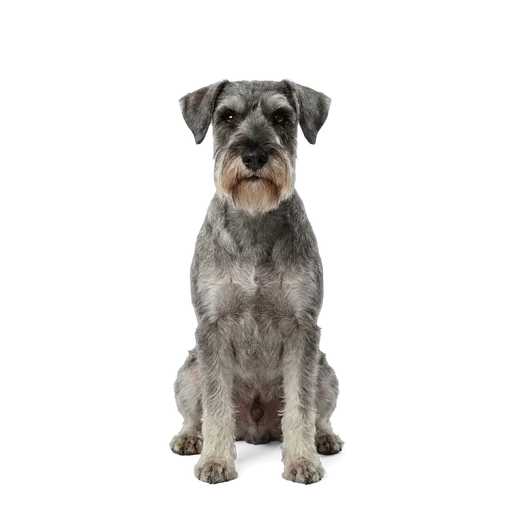
Origin: Germany
Standard Schnauzer
Get reminders for your Standard Schnauzer's vaccines
Vaccination and parasite reminders, food-safety scans and health records — free to start in the Pethls app.


Good for
The Standard Schnauzer is the original, the breed from which both the Giant and the Miniature were later developed. Bred in Germany as an all-purpose farm dog, ratter, and guardian, he is a medium-sized dog with an outsized personality: smart, spirited, versatile, and endlessly alert. He carries the classic schnauzer look, the bristling eyebrows and the trademark beard, on a compact, sturdy frame. Devoted to his family and naturally watchful, he makes a fine family companion who is playful with children and quick to announce a visitor. He hits a nice middle ground, big enough to be sound, small enough to fit almost any home.
Temperament & personality
Standard Schnauzers are lively, clever, and full of character. They form strong bonds with their people and want to be involved in everything the family does, from a walk to a car trip to simply following you room to room. That devotion, combined with a sharp mind, makes them responsive and fun to train, though they also have an independent, sometimes stubborn streak and will test a soft or inconsistent owner.
The breed's farm-dog roots show in a natural watchfulness. They are alert, quick to bark at anything unusual, and reserved with strangers until they decide a newcomer is welcome, which makes them excellent, non-aggressive watchdogs. Early socialization helps them tell a genuine concern from an ordinary visitor and keeps the barking in check.
With children they are typically playful, patient, and sturdy enough to keep up with family life, and with early exposure they mix well with other dogs and household cats. Their old job was killing rats, so the prey drive lingers, and small caged pets like rabbits, hamsters, and guinea pigs are best kept safely out of reach. Energetic and people-oriented, they suit an active household and, unlike their giant cousin, are manageable enough for a committed first-time owner willing to put in the training.
Vaccination schedule
Standard Schnauzer puppies get the same core vaccinations as any puppy. The DHPP combination, covering distemper, hepatitis (adenovirus), parvovirus, and parainfluenza, starts around 6 to 8 weeks and is repeated every 3 to 4 weeks until the puppy is at least 16 weeks old. Rabies is given once between about 12 and 16 weeks, depending on local requirements.
A booster follows roughly a year later, and core vaccines then typically shift to a three-year schedule. Leptospirosis is now recommended as a core vaccine for all dogs; it is given as a two-dose puppy series and then boosted every year, rather than on the three-year schedule of the DHPP core vaccines. Your vet may also suggest non-core vaccines such as Bordetella (kennel cough) for dogs that attend classes, daycare, or boarding, and canine influenza where it is a concern.
Because Standard Schnauzers are active, outdoorsy dogs who often join in family adventures and dog sports, their exposure to water, rural areas, and wildlife can raise the leptospirosis risk and makes that annual booster especially worthwhile, so it is worth talking through their specific exposure with your vet so the rest of the vaccine plan fits the life your dog actually leads.
Best food & diet
Feed a good quality complete diet matched to your dog's age, size, and activity level. A medium breed at 14 to 20 kilograms, the Standard Schnauzer does well on a standard adult maintenance food, with puppies raised on an appropriate puppy formula until they finish growing. Two measured meals a day suit most adults and help you keep tabs on appetite and portion size.
Some Schnauzers run high on blood fat (hyperlipidemia) and can be sensitive to very fatty foods, so it is sensible to go easy on rich, greasy table scraps and high-fat treats. A moderate-fat, balanced diet is the safer default, and it is worth mentioning to your vet if your dog has any history of pancreatitis or digestive upsets.
Watch body condition and keep your Schnauzer lean and muscular. This is an active breed that stays trim when properly exercised, but they enjoy their food and will accept every treat offered, so factor treats into the daily total rather than adding them on top.
Common health problems
The Standard Schnauzer is a generally healthy, hardy breed, but a few conditions are worth knowing. Hip dysplasia, in which the hip joint develops abnormally and can lead to arthritis and pain over time, occurs in the breed, so look for a breeder who hip-scores their breeding dogs and keep your own dog at a healthy weight to protect the joints.
Follicular dermatitis, better known as schnauzer comedo syndrome or schnauzer bumps, is a breed-specific skin condition. It shows up as small blackhead-like bumps and crusts along the back, caused by blocked and inflamed hair follicles. It is manageable with medicated shampoos and, in some cases, veterinary treatment, but it comes and goes rather than clearing up for good, so most owners settle into a steady coat-care routine.
Hypothyroidism, an underactive thyroid, can appear in middle age and cause weight gain, lethargy, and coat and skin changes. It is diagnosed with a simple blood test and managed with an inexpensive daily tablet, so it is very much treatable once identified.
With good breeding and routine care, Standard Schnauzers are among the longer-lived medium breeds, often reaching 13 to 16 years.
Allergies & skin
Skin is the area to pay closest attention to in a Standard Schnauzer. The signature issue is schnauzer comedo syndrome (follicular dermatitis), those blackhead-like bumps along the back and spine caused by plugged hair follicles. Regular grooming, gentle medicated or antiseborrheic shampoos as advised by your vet, and keeping the coat clean help control it.
The beard needs daily attention. It sits right in the food and water bowl and traps moisture and debris, which can lead to skin irritation and a persistent smell underneath if it is not wiped and dried. Keeping the muzzle clean is as much about skin health as tidiness.
Standard Schnauzers can also develop environmental allergies (atopy) and food sensitivities, showing up as itching, ear infections, and paw licking, and hypothyroidism can drive coat and skin problems too. If your dog is persistently itchy or breaking out, involve your vet early, since untreated skin problems slide quickly into secondary infection.
Flea, tick & worm prevention
Keep a Standard Schnauzer on year-round parasite control suited to their outdoor, active life. A dependable flea and tick preventive, in the form of a monthly chewable, a spot-on, or a long-acting collar, keeps them protected; your vet can advise on the products that cover the ticks and tick-borne diseases where you live. The wiry coat and beard can conceal ticks, so check the coat by hand after walks in grass or woodland.
Routine intestinal worming, usually every three months for adults and more frequently for puppies, keeps common worms in check. In regions where heartworm occurs, monthly heartworm prevention is essential, and it often comes combined with intestinal worm coverage in a single treatment.
These preventives are dosed by weight, so as a puppy grows toward its adult 14 to 20 kilograms, keep updating the dose band and always treat to current weight. Getting the dose right ensures full protection without gaps.
Medications & dosing
Any medication for your Standard Schnauzer should be prescribed and dosed by your vet according to your dog's current body weight. Never give human medicines such as ibuprofen or paracetamol/acetaminophen, which are toxic to dogs; the safe pain-relief and anti-inflammatory options are the dog-specific medications your vet prescribes at the right dose.
For the breed's recurring skin condition, treatment often means medicated shampoos and topical products, and sometimes a course of oral medication during flare-ups. Follow the full course your vet lays out rather than stopping when the bumps first improve, since the condition rebounds easily.
If your dog develops hypothyroidism, treatment is a simple daily thyroid tablet for life, with periodic blood tests to confirm the dose. Keeping a clear written record of medications, shampoo routines, doses, and test dates makes recheck visits easier and gives any vet the full picture.
Grooming & coat care
The Standard Schnauzer's harsh, wiry double coat sheds very little, which is part of what makes the breed popular with allergy sufferers, but low shedding means high grooming. The dead hair stays in the coat and has to be removed either by hand-stripping, which keeps the correct crisp texture and dark, peppery color, or by clipping, which is simpler and common for pets but gradually softens and fades the coat.
In between, the coat needs brushing several times a week to prevent matting, with special attention to the softer furnishings on the legs and belly and to the beard and eyebrows. The beard demands daily care, wiped clean and dried after meals and drinks, or it becomes a soggy, smelly trap for food. Regular grooming also helps you spot and manage the schnauzer bumps this breed is prone to along the back.
Most pet owners book professional grooming every 6 to 8 weeks, while dedicated owners learn to hand-strip at home to preserve the working coat. Finish with routine nail trims, ear checks and cleaning, and tooth brushing. It is a high-maintenance coat, so anyone drawn to the Standard Schnauzer should be ready to commit to the ongoing grooming it needs.
How the Standard Schnauzer compares
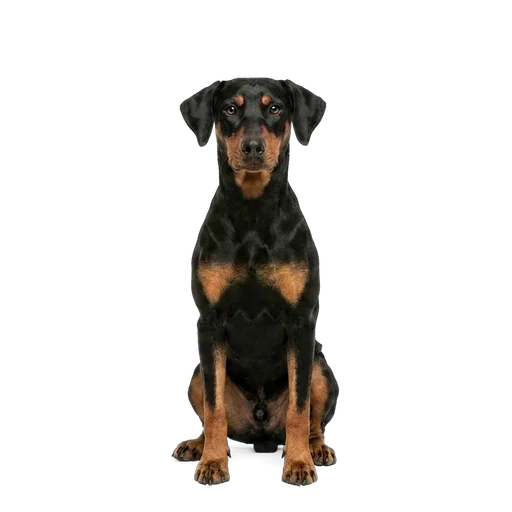
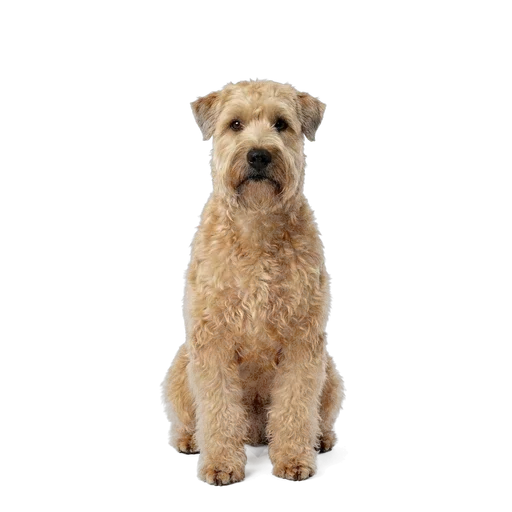
Deciding between similar breeds? Here is the Standard Schnauzer next to German Pinscher and Soft Coated Wheaten Terrier.
| Standard Schnauzer | German Pinscher | Soft Coated Wheaten Terrier | |
|---|---|---|---|
| Size | Medium | Medium | Medium |
| Weight | 14-20 kg | 11-20 kg | 13-18 kg |
| Lifespan | 13-16 yrs | 12-14 yrs | 12-14 yrs |
| Activity | Active | Active | Active |
| Shedding | Low | Low | Low |
| Good with kids | Yes | Yes | Yes |
| Apartment-friendly | Yes | No | No |
Frequently asked questions
Are Standard Schnauzers good family dogs?
Yes, they are excellent family dogs. They are affectionate, playful, and sturdy enough to keep up with active children, deeply loyal to their people, and naturally watchful without being aggressive. They do best in a household that gives them exercise, training, and company, since they hate being left out. With early socialization they get along well with kids and other pets alike.
Are Standard Schnauzers hypoallergenic?
They are considered one of the more allergy-friendly breeds. Their wiry double coat sheds very little and holds loose hair rather than scattering it, which many allergy sufferers tolerate well. No dog is completely hypoallergenic, since reactions also involve dander and saliva, but Standard Schnauzers are a frequent choice for allergy-sensitive homes. Meeting one in person first is always wise.
How much exercise does a Standard Schnauzer need?
They are energetic dogs that need a solid hour or more of activity a day, mixing physical exercise like brisk walks, running, or fetch with mental work such as training and games. Bred as working farm dogs, they have a busy, clever mind that needs occupying, and they excel at dog sports like agility and obedience. A bored Standard Schnauzer will find mischief, so keep both body and brain engaged.
Do Standard Schnauzers bark a lot?
They can be vocal. Their heritage as farm watchdogs makes them alert and quick to bark at anything unusual, which makes them good watchdogs but can become a nuisance if left unchecked. Early socialization and training to teach a quiet cue help them learn the difference between a real alert and everyday noise. They are announcers by nature, not constant barkers when well managed.
What health problems do Standard Schnauzers have?
They are a hardy, long-lived breed overall, often reaching 13 to 16 years, but they have a few conditions to watch. The main ones are hip dysplasia, hypothyroidism, and a skin condition called schnauzer comedo syndrome (follicular dermatitis) that causes blackhead-like bumps along the back. Buying from a breeder who screens hips, and staying on top of skin care and routine vet checks, keeps most Standard Schnauzers healthy.
Related breeds
Health and care information is drawn from established veterinary sources and is general guidance, not veterinary advice. See our sources
Keep records for your Standard Schnauzer
Vaccinations, food and treat safety, allergy alerts and parasite reminders - all tracked for your Standard Schnauzer in the Pethls app.