

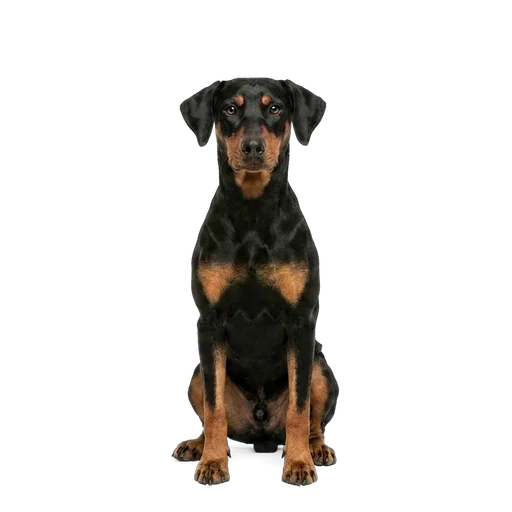
Origin: Germany
German Pinscher
Get reminders for your German Pinscher's vaccines
Vaccination and parasite reminders, food-safety scans and health records — free to start in the Pethls app.


Good for
The German Pinscher is the original: the sleek, athletic working dog that gave rise to both the Doberman and the Miniature Pinscher. Bred in Germany as a ratter and farm guardian, this medium-sized dog weighs 11 to 20 kg and typically lives 12 to 14 years. Expect intelligence, vigilance and a strong opinion about how the household should be run. Owners who provide daily exercise, consistent training and a real job get a devoted, entertaining companion. Owners who don't get a bored dog inventing its own projects.
Temperament & personality
German Pinschers are watchful, quick-thinking and confident. They were bred to kill vermin and guard the yard without instruction, so independent decision-making is baked in. That makes them brilliant problem solvers and, on a bad day, brilliant escape artists. They notice everything: a new car on the street, a bag moved to a different chair, a visitor's hesitation at the door.
With their family they are affectionate and often clownish, shadowing their favorite person from room to room. With strangers they tend to be reserved rather than friendly, and early socialization matters a great deal. A German Pinscher that meets a wide range of people, dogs and situations through its first few months, while the main socialization window is open, grows into a discerning adult; one raised in isolation can become suspicious or sharp.
This is not a breed that thrives on vague leadership. They test rules, remember every inconsistency and will happily take charge if nobody else does. Firm, fair, reward-based training from puppyhood works well. Harsh corrections backfire; this breed holds a grudge. Their prey drive is serious, so cats and small pets are a risky mix, and recall around squirrels is a lifelong project.
They suit active homes with a secure garden and older children who understand dog manners. First-time owners often find the combination of energy, intelligence and stubbornness overwhelming.
Vaccination schedule
German Pinscher puppies follow the standard core schedule. The DHPP combination vaccine (distemper, hepatitis or adenovirus, parvovirus, parainfluenza) is given as a series: the first dose at six to eight weeks, then repeats every three to four weeks until at least 16 weeks of age. The series matters because maternal antibodies fade at different rates in different puppies, and a single early shot can be neutralized before it takes effect.
Rabies vaccination is given once between 12 and 16 weeks, depending on local law, with a booster a year later and then every one to three years according to the licensed product and your region's rules. Leptospirosis is now a core vaccine recommended for every dog, given as a two-dose puppy series and then boosted annually, unlike the every-three-years DHPP boosters; a Pinscher that hikes, swims in ponds or roams rural land faces higher exposure, which is why the annual booster matters. Other non-core vaccines such as kennel cough (Bordetella), Lyme and canine influenza still depend on lifestyle, so confirm the plan with your vet.
As with any dog, tell your vet about any past reactions before the appointment, then watch for lethargy, swelling or stiffness in the days that follow. Many vets prefer to space vaccines out rather than stack several into one visit. Adult boosters are typically DHPP every three years after the one-year booster, though titre testing is an option if you prefer to vaccinate only when immunity has genuinely dropped.
Best food & diet
Feed a complete diet formulated for an active medium breed. At 11 to 20 kg with a fast, muscular build, most German Pinschers do well on a food with moderate to high protein (roughly 25 to 30 percent in dry food) and enough fat to keep them energetic without adding weight. Puppies should eat a medium-breed puppy formula until 12 months or so; large-breed formulas are unnecessary at this size.
Portion control is easier with this breed than with, say, a Labrador, because many Pinschers are moderate eaters. Still, weigh the food rather than eyeballing it, and adjust to body condition: you should feel ribs easily under a thin layer of muscle and see a clear waist from above. A lean Pinscher is also kinder to hips, which matters given the breed's hip dysplasia risk.
Split meals into two feeds a day for adults, three to four for young puppies. Avoid heavy exercise for an hour either side of meals. Joint supplements (omega-3 fish oil, glucosamine) are reasonable from middle age or earlier if the pedigree shows poor hip scores, but check doses with your vet first. Fresh water always, and go easy on training treats: they add up fast on a dog this size.
Common health problems
The German Pinscher is a generally hardy breed, but three inherited conditions deserve attention. Hereditary cataracts can appear well before old age, clouding the lens and gradually reducing vision. Reputable breeders have eyes tested annually; as an owner, watch for a bluish or milky look to the eye, bumping into furniture in dim light, or new hesitation on stairs. Cataract surgery has a high success rate when done early.
Hip dysplasia occurs in the breed despite its athletic frame. Poorly fitting hip joints wear cartilage and lead to arthritis, showing up as a bunny-hopping gait, stiffness after rest or reluctance to jump into the car. Buying from hip-scored parents lowers the risk; keeping your dog lean and avoiding repetitive high-impact exercise in puppyhood helps whatever the genetics.
Von Willebrand disease is the condition most worth understanding. It is an inherited clotting disorder: affected dogs lack a protein that helps blood platelets plug damaged vessels, so a routine spay, dental or even a torn nail can bleed far more than expected. A DNA test identifies carriers and affected dogs. If your dog has not been tested, ask your vet to run the test or a clotting screen before any surgery. The test is inexpensive and can prevent a life-threatening bleed during a routine procedure.
Beyond these, the breed's main enemies are the ordinary ones: obesity, dental disease and injuries earned at full sprint. A well-bred German Pinscher commonly reaches 12 to 14 years in good shape.
Allergies & skin
The German Pinscher's short, tight coat is refreshingly low-maintenance, but it offers little padding, so skin problems show quickly. The most common triggers are the same as for most short-coated breeds: flea allergy dermatitis, environmental allergies (pollens, dust mites) and, less often, food sensitivities. Signs include paw licking, belly redness, recurrent ear infections and scratching that outlasts any visible cause.
Flea allergy deserves first suspicion because a single bite can set off days of itching in a sensitized dog. Year-round flea prevention is the fix, not the shampoo aisle. For suspected environmental allergy, your vet may suggest antihistamine trials, medicated washes or newer targeted itch medications; for food sensitivity, only a strict eight-to-twelve-week elimination diet gives a real answer. Over-the-counter allergy tests are not reliable.
Because the coat is so short, German Pinschers can also get pressure calluses on elbows from lying on hard floors and minor abrasions from rough play. A padded bed and a quick weekly once-over of elbows, armpits and belly catch most issues early. The breed is not hypoallergenic: it sheds lightly but still produces the dander and saliva proteins that trigger human allergies.
Flea, tick & worm prevention
A dog bred to hunt rats through barns and hedgerows will find ticks, so treat parasite prevention as routine, not optional. Use a vet-recommended flea and tick product year-round; modern options include monthly spot-ons, chewable tablets lasting one to three months, and long-acting collars. Choose based on your dog's lifestyle and stick to the schedule, because gaps are where infestations start. After walks in long grass or woodland, run your hands over ears, armpits, groin and between toes, and remove any tick promptly with a twisting tick hook.
Worming follows a lifetime rhythm. Puppies are wormed every two weeks from two weeks of age until 12 weeks, then monthly until six months. Adults are typically treated every three months against roundworms and tapeworms, or monthly if your dog scavenges or hunts rodents, a habit this breed is prone to. Rodents can carry tapeworm, so a keen ratter needs more frequent worming, and that diligence matters even more in a home with young children, who are more exposed to any parasite eggs the dog sheds. Lungworm is a growing risk in many regions where dogs eat slugs and snails; ask your vet whether your area calls for a monthly preventative that covers it.
Dose by current weight, not by memory. A German Pinscher can sit anywhere between 11 and 20 kg, which spans two or three dosing bands for most products, so weigh your dog a couple of times a year and after any body-condition change. Faecal egg counts once or twice a year are a sensible check that your plan is actually working.
Medications & dosing
Almost every veterinary drug is dosed in milligrams per kilogram, and the German Pinscher's 11 to 20 kg range is wide enough that guessing gets dangerous. A dose right for a 19 kg male can overdose a 12 kg female. Have the vet team weigh your dog at each visit so dosing always uses a current figure.
Never give human medications without explicit veterinary direction. Ibuprofen and naproxen are toxic to dogs at any useful dose, paracetamol has a narrow safety margin, and even dog-safe drugs like some antihistamines need breed-appropriate weight-based dosing. Dog-specific anti-inflammatories (NSAIDs) are effective for injuries and arthritis but should be given with food and stopped at the first sign of vomiting, black stools or appetite loss.
One breed flag to raise with any prescribing vet: von Willebrand disease. Aspirin and certain other drugs impair platelet function further, and any medication plan around surgery should account for the dog's vWD status. Store all medications, including flea chews that smell like treats, well out of reach: this is a clever, athletic breed that can open more containers than you would expect.
Grooming & coat care
This is one of the easiest coats in the dog world. The German Pinscher wears a short, dense, glossy single coat with no undercoat to blow. A weekly rub-down with a rubber curry brush or hound glove lifts dead hair, spreads skin oils and keeps the shine that makes the breed look lacquered. Shedding is low but real; expect a light scattering of short hairs on dark clothing, slightly heavier in spring and autumn.
Bathing is needed only every couple of months or when the dog finds something disgusting to roll in, which a Pinscher considers a hobby. Use a mild dog shampoo; frequent washing strips oils from a coat this short and can leave skin flaky. Dry thoroughly in cold weather, because there is no undercoat holding warmth, and many Pinschers appreciate a coat on frosty walks for the same reason.
The rest is standard upkeep with a few breed twists. Nails grow fast on dogs that mostly run on grass, so trim every two to three weeks, and be careful with clipping given the vWD bleeding risk: a nicked quick can bleed longer than normal, so keep styptic powder on hand. Check ears weekly, brush teeth several times a week and start all of it in puppyhood, because an adult Pinscher who was never taught to tolerate handling will argue the point with vigour.
How the German Pinscher compares
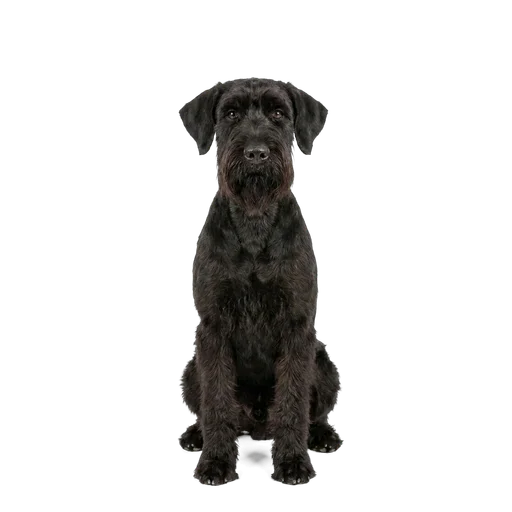
Deciding between similar breeds? Here is the German Pinscher next to Standard Schnauzer and Giant Schnauzer.
| German Pinscher | Standard Schnauzer | Giant Schnauzer | |
|---|---|---|---|
| Size | Medium | Medium | Large |
| Weight | 11-20 kg | 14-20 kg | 25-48 kg |
| Lifespan | 12-14 yrs | 13-16 yrs | 12-15 yrs |
| Activity | Active | Active | Active |
| Shedding | Low | Low | Low |
| Good with kids | Yes | Yes | Yes |
| Apartment-friendly | No | Yes | No |
Frequently asked questions
Is the German Pinscher the same as a Doberman or Miniature Pinscher?
No, and the family tree runs the other way round. The German Pinscher is the older breed and was used in developing the Doberman; the Miniature Pinscher shares ancestry too. The German Pinscher sits in the middle at 11 to 20 kg, with the same sleek outline but its own breed standard, history and temperament.
How much exercise does a German Pinscher need?
Plan for at least an hour of proper activity daily, split between brisk walks, off-lead running in a secure area and mental work like scent games or obedience. A bored Pinscher redirects that working-dog energy into barking, digging and dismantling household items, so the mental half is not optional.
Are German Pinschers good with children and other pets?
With respectful older children they are usually playful and loyal, though their intensity can overwhelm toddlers. Small pets are a genuine problem: the breed was created to kill rats, and that instinct does not distinguish between vermin and the family hamster. Cat cohabitation sometimes works if the dog is raised with cats from puppyhood, but it is never guaranteed.
What is von Willebrand disease and should I test my dog?
It is an inherited bleeding disorder found in the breed where blood does not clot normally, so surgery or injuries can cause excessive bleeding. A simple DNA test from a cheek swab tells you whether your dog is clear, a carrier or affected. Test before any planned surgery, including neutering, so your vet can prepare.
Do German Pinschers shed much?
Shedding is light. The short single coat drops small amounts of hair year-round with mild seasonal peaks, and a weekly brush keeps most of it off the furniture. The breed is not hypoallergenic, though: people with dog allergies react to dander and saliva, which every dog produces.
Related breeds

Health and care information is drawn from established veterinary sources and is general guidance, not veterinary advice. See our sources
Keep records for your German Pinscher
Vaccinations, food and treat safety, allergy alerts and parasite reminders - all tracked for your German Pinscher in the Pethls app.