

Origin: United States
American Curl
Get reminders for your American Curl's vaccines
Vaccination and parasite reminders, food-safety scans and health records — free to start in the Pethls app.


Good for
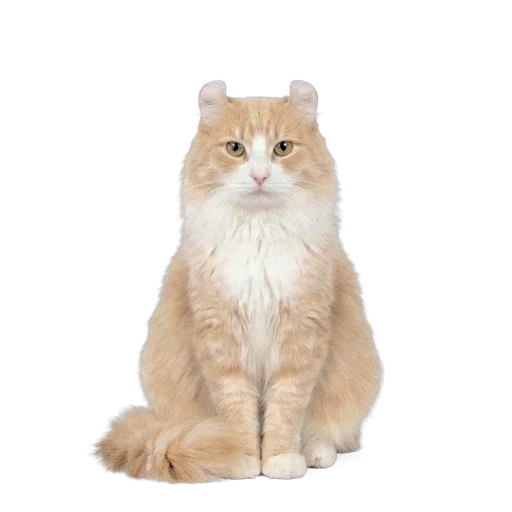
You spot an American Curl by the ears first. They curl backward in a smooth arc, giving the cat a permanently surprised, alert look. Beyond the signature ears, this is an easy cat to live with: people-oriented, gentle, and genuinely curious about whatever you are doing. American Curls tend to stay playful well into their senior years, which is why fans call them a Peter Pan breed. Weighing roughly 2.5 to 5 kg and living 12 to 16 years, they suit families, first-time owners, and multi-pet homes alike.
Temperament & personality
American Curls are affectionate without being clingy. They like to follow you from room to room, sit near your keyboard, and check in on what you are up to, but most are happy to entertain themselves for a while too. That balance makes them a good match for people who work from home as well as households that are busy during the day.
The playful streak is the thing owners mention most. A Curl in its double digits will still chase a feather wand or bat a crumpled receipt across the floor. This kitten-like energy is a big part of the breed's charm and one reason they earn the Peter Pan nickname.
They are social with children and other animals. Curls tend to greet visitors rather than hide from them, and they generally accept dogs and other cats when introductions are done slowly. For a first-time cat owner, the breed's easygoing, forgiving nature is a real advantage.
Vaccination schedule
Kittens start their core FVRCP vaccine (feline viral rhinotracheitis, calicivirus, and panleukopenia) at around 6 to 8 weeks, with boosters every 3 to 4 weeks until they are at least 16 weeks old. This series protects against the most common and serious feline viral diseases, so finishing every dose on schedule matters more than any single shot.
Rabies is given between 12 and 16 weeks depending on the vaccine your vet uses and local law. After the kitten series, your vet will set a booster interval, usually one year later and then every one to three years.
FeLV (feline leukemia) is recommended for any American Curl with outdoor access or contact with cats of unknown status. Indoor-only cats may not need it long term, but most vets suggest the initial kitten series for all kittens, then reassess based on lifestyle. Talk through your cat's real day-to-day exposure so the plan fits.
Best food & diet
American Curls do well on a complete, life-stage-appropriate cat food. Cats are obligate carnivores, so look for a diet built around named animal proteins rather than plant fillers. Kittens need a growth formula until about 12 months; adults move to a maintenance diet.
Portion control keeps a Curl trim. This breed is not especially prone to obesity, but free-feeding dry food all day can push any indoor cat over its ideal weight. Measure meals, and use the calorie guidance on the label as a starting point, adjusting to keep ribs easy to feel but not see.
A mix of wet and dry food helps with hydration and dental interest. Fresh water should always be available. If you ever change brands or formulas, transition over 7 to 10 days to avoid stomach upset.
Common health problems
The American Curl is a hardy, generally healthy breed with no widespread genetic disease tied to it. The one thing to watch relates directly to the ears. The cartilage that gives the ear its curl can also mean a narrower ear canal, which makes some Curls prone to wax buildup and ear infections (otitis externa).
Signs of an ear problem include head shaking, scratching at the ears, a bad smell, redness, or dark discharge. Because the canal can be tighter than usual, debris clears less easily on its own, so routine checks help you catch trouble early.
Aside from the ears, expect a sound cat. Keep up with annual wellness exams, dental checks, and weight monitoring, and most Curls sail through their 12 to 16 years without major issues.
Allergies & skin
The American Curl is not hypoallergenic. No cat truly is, since the Fel d 1 protein that triggers most people's allergies comes from saliva and skin, not coat length. If someone in the home is allergic, spend time with the breed before committing.
Skin itself is usually low-maintenance. Some cats can develop food-related or environmental (atopic) itching that shows up as over-grooming, scabs, or hair loss. If you see that pattern, a vet can help sort out food trials versus environmental triggers.
Because of the narrower ear canals, keep an eye on the skin inside and around the ears too. Redness or constant scratching there is a reason to have the ears looked at.
Flea, tick & worm prevention
Use only flea and tick products labeled for cats. This is not a small detail: dog spot-on treatments containing permethrin are highly toxic to cats and can cause tremors, seizures, and death. Never apply a dog product to your Curl, even a small amount.
Your vet can recommend a cat-safe monthly spot-on or oral preventive. Indoor cats still get exposed, since fleas hitch rides on shoes, other pets, and clothing. Outdoor-access Curls need year-round coverage that includes ticks in most regions.
Worming follows a similar logic. Kittens are dewormed on a set schedule, and adults are treated based on lifestyle and risk, typically every 3 to 12 months. Many modern cat-safe products cover fleas and several worm types in one dose, which simplifies things.
Medications & dosing
All medications for cats are dosed by body weight and should be vet-directed. Curls are a medium-sized breed, usually 2.5 to 5 kg, and at that weight even a few hundred grams up or down shifts the correct dose, so weigh your cat rather than guessing.
Cats process many drugs differently from dogs and humans. Common human painkillers like paracetamol (acetaminophen) and ibuprofen are dangerous, even fatal, to cats. Never give any human medicine unless your vet has specifically prescribed it for your cat.
For ear infections, which this breed can be prone to, your vet may prescribe medicated ear drops. Follow the full course even if symptoms clear early, and finish the exact number of days directed so the infection does not rebound.
Grooming & coat care
American Curls come in short and semi-long coats. Either way, grooming needs are low to medium. A weekly brush keeps the coat tidy and cuts down on loose hair; semi-long Curls benefit from a second session during heavier shedding periods in spring and autumn.
The ears deserve special, gentle attention. Clean them carefully with a vet-approved solution and cotton pad, wiping only the parts you can easily see. Never push into the canal or force the curled cartilage, which is more delicate than a normal cat's ear and can be damaged by rough handling.
Round out grooming with routine nail trims and dental care. Brushing your cat's teeth a few times a week, plus regular checkups, keeps the whole cat in good shape well into old age.
How the American Curl compares
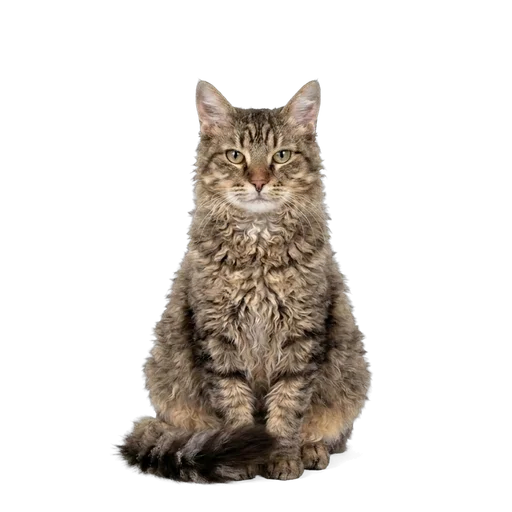
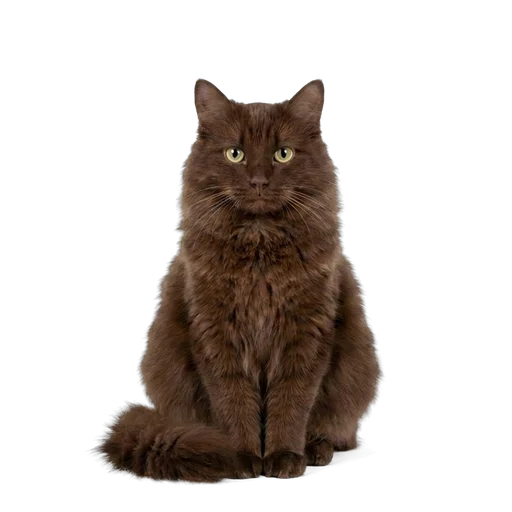
Deciding between similar breeds? Here is the American Curl next to LaPerm and Chantilly.
| American Curl | LaPerm | Chantilly | |
|---|---|---|---|
| Size | Medium | Medium | Medium |
| Weight | 2.5-5 kg | 2.5-5.5 kg | 3.5-7 kg |
| Lifespan | 12-16 yrs | 10-15 yrs | 11-15 yrs |
| Activity | Moderate | Moderate | Moderate |
| Shedding | Low | Low | Medium |
| Good with kids | Yes | Yes | Yes |
| Apartment-friendly | Yes | Yes | Yes |
Frequently asked questions
Are American Curls born with curled ears?
No. Kittens are born with straight ears that begin to curl back within the first week or so, then settle into their final shape by about four to six months. The degree of curl varies from cat to cat.
Are American Curls good for first-time owners?
Yes. Their gentle, people-oriented, forgiving nature and modest grooming needs make them one of the friendlier breeds for someone getting their first cat.
Do American Curls get along with children and other pets?
Generally very well. They are social and playful, tend to greet rather than hide, and accept dogs and other cats when introductions are done gradually and calmly.
Do their special ears need extra care?
Yes. The curled ears can have narrower canals that trap wax, so gentle regular cleaning of the visible area helps. Never force or bend the cartilage, and see a vet at the first sign of head shaking or discharge.
How long do American Curls live?
Typically 12 to 16 years. They are a hardy breed, and many stay playful and kitten-like well into their senior years.
Related breeds
Health and care information is drawn from established veterinary sources and is general guidance, not veterinary advice. See our sources
Keep records for your American Curl
Vaccinations, food and treat safety, allergy alerts and parasite reminders - all tracked for your American Curl in the Pethls app.