

Origin: United Kingdom
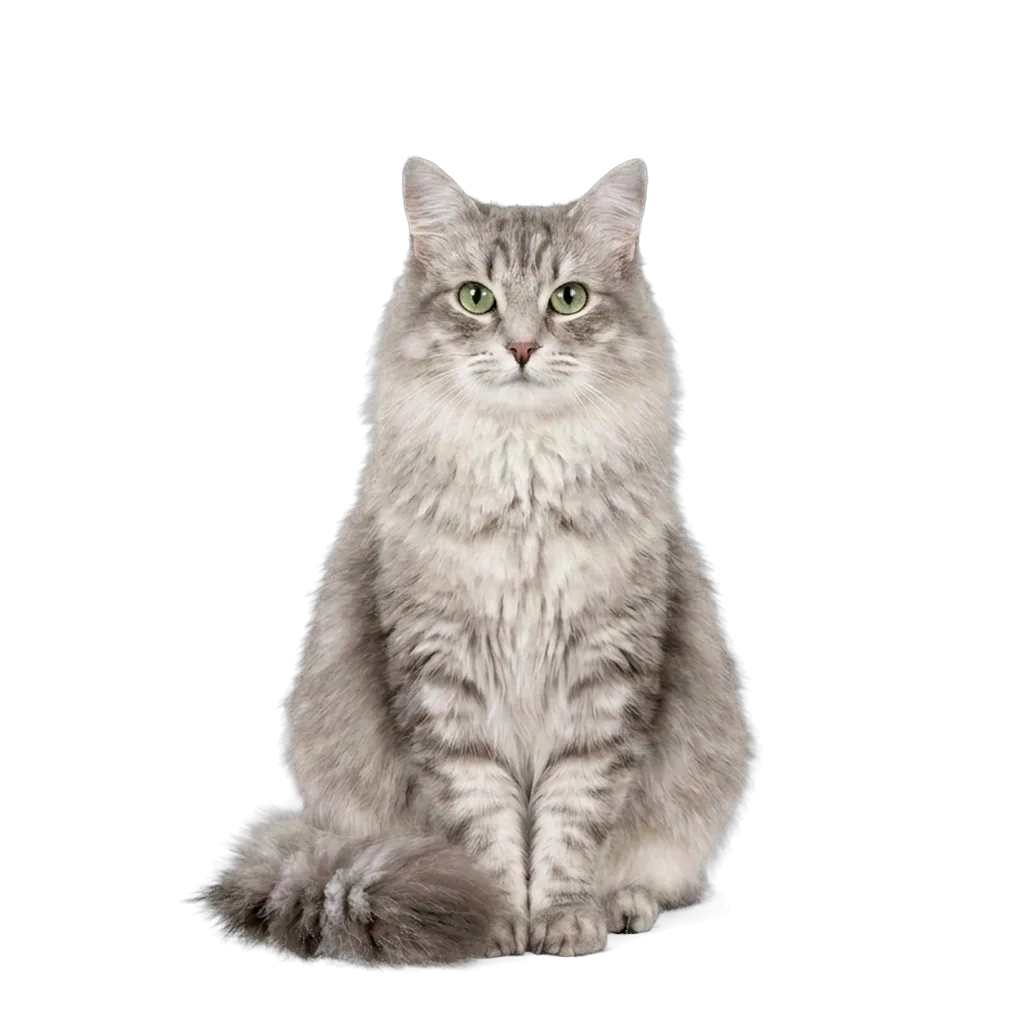
Asian Semi-Longhair
Get reminders for your Asian Semi-Longhair's vaccines
Vaccination and parasite reminders, food-safety scans and health records — free to start in the Pethls app.


Good for
The Asian Semi-Longhair, also known as the Tiffanie, belongs to the Asian group of breeds developed in the United Kingdom and closely related to the Burmese. It carries the Burmese personality in a longer, silkier coat: affectionate, chatty and thoroughly people-oriented. These cats crave company and thrive in busy family homes where they can involve themselves in daily life. The semi-long coat is silky rather than dense, so grooming is manageable and shedding stays low to moderate. Its Burmese ancestry does bring a few inherited health matters worth knowing about, which makes screening and weight control part of responsible ownership.
Temperament & personality
The Tiffanie is a warm, sociable cat that wants to be part of everything. It will follow you around the house, chatting away in a soft Burmese-style voice, and settle on your lap the moment you sit still. This is not a breed that does well ignored.
Playful and clever, these cats enjoy interactive toys, puzzle feeders and games that engage their minds. Their intelligence and people-focus make them responsive to gentle training, and many learn to fetch or respond to their name. They fit well into families and generally get along with children and other pets who respect them.
The flip side of all that sociability is a strong dislike of being left alone. An Asian Semi-Longhair left by itself for long working days can become stressed or unhappy. Households where someone is often home, or where a companion animal shares the space, suit this breed far better than an empty house.
Vaccination schedule
Kittens start the core FVRCP vaccine (feline viral rhinotracheitis, calicivirus and panleukopenia) at around 6 to 8 weeks, then receive boosters every 3 to 4 weeks until they are at least 16 weeks old. This schedule bridges the gap as protection inherited from the mother wears off.
Rabies vaccination is given between 12 and 16 weeks where required, with timing set by local law and the vaccine used. Your vet will confirm the rules for your area.
The Asian Semi-Longhair is typically kept as an indoor companion, and a strictly indoor cat with no contact with outdoor cats may not need the feline leukaemia (FeLV) vaccine. If your cat will have any outdoor access or lives alongside cats who go outside, FeLV is recommended after a negative test. Adult booster intervals, generally every 1 to 3 years, will be tailored by your vet to your cat's lifestyle and risk.
Best food & diet
As obligate carnivores, Asian Semi-Longhairs need a complete, protein-rich diet built on animal-based ingredients. A quality commercial food meeting AAFCO or FEDIAF standards for the appropriate life stage gives you a reliable foundation.
Weight control deserves particular attention in this breed, because excess weight raises the risk of diabetes mellitus. Feed to a target body condition, use two defined meals a day rather than an always-full bowl, and switch adults off calorie-dense kitten food by around 12 months. Keep fresh water available at all times.
If you ever notice increased thirst, more frequent urination or unexplained weight loss, get a check-up promptly, since those can be early warning signs and are far easier to manage when caught early.
Common health problems
The Asian Semi-Longhair's Burmese heritage brings a handful of inherited conditions worth understanding. Hypokalaemic polymyopathy is a muscle weakness caused by low blood potassium. Affected cats may show head-bobbing, a stiff or wobbly gait, or a reluctance to jump. It is manageable once diagnosed, so flag any of these signs to your vet early.
Diabetes mellitus can also develop, which is why keeping the cat at a healthy weight is so central to its care. Polycystic kidney disease (PKD), in which fluid-filled cysts develop in the kidneys, is inherited, and reputable breeders screen their breeding cats to keep it out of the line.
Ask any breeder about genetic testing and the health history of the parents before you take a kitten home. For the cat itself, routine wellness exams, periodic bloodwork and blood pressure checks help catch kidney, potassium or blood-sugar problems early, when treatment works best.
Allergies & skin
The silky semi-long coat is easy to part and inspect, making skin issues straightforward to spot. As with all cats, flea allergy dermatitis is the most common skin complaint, and a single flea can set off intense itching in a sensitive cat, so keep up flea prevention even for an indoor cat.
Environmental allergens such as pollen and household dust can cause overgrooming, small scabs or itchy patches, and food sensitivities occasionally show up the same way. Watch for bald spots, constant scratching or recurring ear infections, and see your vet rather than trying to diagnose it yourself.
If a food allergy is on the table, your vet will run a structured elimination diet to identify the culprit. The silky coat is generally healthy and does not need special products, so a good diet and consistent parasite control cover most of what the skin needs.
Flea, tick & worm prevention
Use flea and tick products formulated only for cats. Dog treatments containing permethrin are extremely toxic to cats and can kill them, so never put a dog product on your cat and keep freshly treated dogs separate until the product has dried.
Even a mostly indoor Asian Semi-Longhair benefits from routine flea prevention, because fleas travel indoors on shoes, clothing and other pets. A monthly or vet-recommended cat-safe product keeps the problem from taking hold. If your cat has any outdoor access, add tick checks during tick season.
Worming frequency depends on lifestyle, and indoor cats generally need deworming less often than those that go outside or hunt. Kittens are wormed frequently in their early months before moving to an adult schedule. Many combined products cover fleas, ticks and worms in one treatment, so ask your vet which suits an indoor companion cat.
Medications & dosing
All medications for an Asian Semi-Longhair must be weight-based and prescribed by your vet. This is doubly important for a breed prone to potassium and blood-sugar issues, where treatments like potassium supplements or insulin have to be dosed and monitored precisely.
Never give human medicines. Paracetamol (acetaminophen) is fatal to cats in small doses, and ibuprofen and other NSAIDs are dangerous as well. If your cat seems unwell or in pain, call your vet instead of using anything from your own cabinet.
For a cat managing a chronic condition such as diabetes or hypokalaemia, consistency is everything: give medication at the prescribed times, keep to your monitoring schedule, and do not adjust doses without veterinary guidance. Weigh your cat accurately for any home dosing, and clear all supplements and over-the-counter products with your vet first.
Grooming & coat care
Despite its length, the Tiffanie's coat is silky and fine rather than thick, with little undercoat, so it resists matting and sheds fairly modestly. A brush a couple of times a week keeps it smooth and removes loose hair, with a little extra during seasonal molts.
Give some attention to the longer fur around the neck, the britches on the hind legs and the plumed tail, where tangles are most likely to form. Regular combing keeps these areas neat and comfortable.
Fold grooming into a wider care routine: trim the claws every few weeks, brush the teeth as often as the cat tolerates, and check the ears and eyes. Because these cats love attention, most come to enjoy grooming sessions, which turns each session into both bonding time and a quick check on the cat's overall condition.
How the Asian Semi-Longhair compares
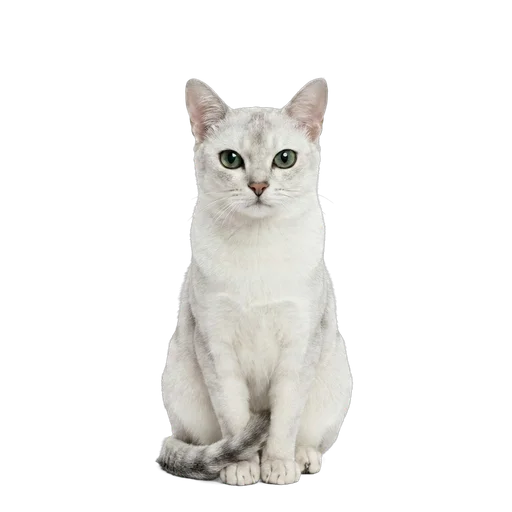
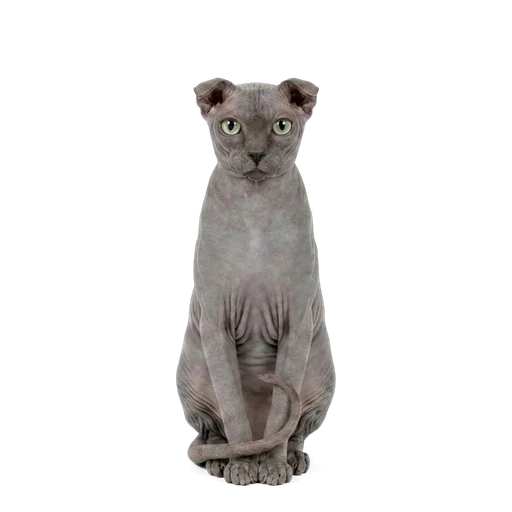
Deciding between similar breeds? Here is the Asian Semi-Longhair next to Burmilla and Ukrainian Levkoy.
| Asian Semi-Longhair | Burmilla | Ukrainian Levkoy | |
|---|---|---|---|
| Size | Medium | Medium | Medium |
| Weight | 3-7 kg | 3-6 kg | 5-7 kg |
| Lifespan | 12-16 yrs | 10-15 yrs | 15-20 yrs |
| Activity | Moderate | Moderate | Moderate |
| Shedding | Low | Low | Low |
| Good with kids | Yes | Yes | Yes |
| Apartment-friendly | Yes | Yes | Yes |
Frequently asked questions
Is the Asian Semi-Longhair the same as the Tiffanie?
Yes. The Asian Semi-Longhair and the Tiffanie are the same breed under different names. It belongs to the Asian group developed in the UK and is closely related to the Burmese, sharing that breed's affectionate, chatty personality in a longer coat.
What health problems should I watch for in this breed?
Conditions worth keeping an eye on and checking with your vet include hypokalaemic polymyopathy (low potassium), diabetes, and polycystic kidney disease. Ask breeders about genetic screening, keep the cat lean, and stay current with wellness exams and bloodwork.
Are Asian Semi-Longhairs good with children?
Yes. They are affectionate, playful and people-oriented, and they do well in family homes with children and other respectful pets. Their sociable nature means they enjoy the company and activity a family provides.
Do Asian Semi-Longhairs shed much?
Not heavily. The silky, fine coat has little undercoat, so shedding stays low to moderate and matting is uncommon. Brushing a couple of times a week keeps the coat in good order, with a bit more attention during seasonal molts.
Can I leave an Asian Semi-Longhair alone all day?
It is not ideal. This breed is highly social and dislikes being left alone for long, and it can become stressed or unhappy without company. A home where someone is often present, or a companion pet, suits it much better than long solo days.
Related breeds
Health and care information is drawn from established veterinary sources and is general guidance, not veterinary advice. See our sources
Keep records for your Asian Semi-Longhair
Vaccinations, food and treat safety, allergy alerts and parasite reminders - all tracked for your Asian Semi-Longhair in the Pethls app.