

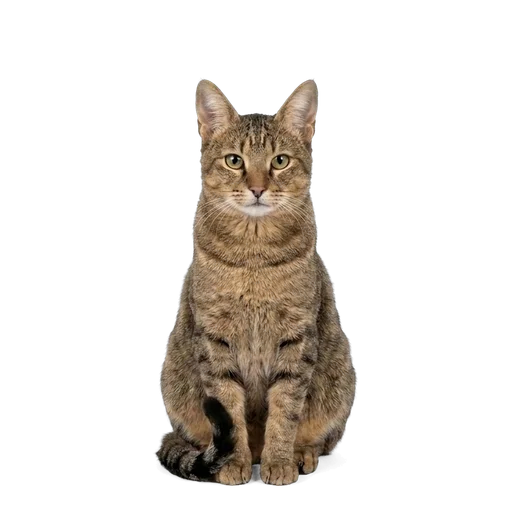
Origin: Egypt
Chausie
Get reminders for your Chausie's vaccines
Vaccination and parasite reminders, food-safety scans and health records — free to start in the Pethls app.


Good for
The Chausie is a tall, athletic hybrid, created by crossing the wild jungle cat (Felis chaus) with domestic cats, and it carries that heritage in both body and behavior. These are large cats, often 5.5 to 11.5 kilograms of lean muscle, with long legs, big ears, and enough spring to clear a doorframe. The breed was developed in the United States between the 1960s and 1990s and recognized by TICA; its name comes from the jungle cat's Latin species name, Felis chaus, not from any geographic origin. The wild ancestor ranges widely across Asia, the Middle East, and Egypt, but the Chausie itself is an American breed. Modern Chausies live around 10 to 15 years. In personality they are intelligent, loyal, endlessly active, and famously dog-like, but that comes with real demands: space, climbing, and enrichment are not optional. A calm home or a first-time owner is a poor match for one.
Temperament & personality
Chausies are high-octane cats with keen minds. They form strong bonds with their families, often fixating on one person, and they show affection in an active, involved way: following you around, riding on shoulders, and joining whatever you are doing. Many play fetch, learn their names, and respond to training like a dog would.
The flip side of that intelligence is a serious need for stimulation. A Chausie that is bored becomes destructive, vocal, or anxious. They want vertical space to climb, room to run, puzzle toys to solve, and a good chunk of your attention every day. Interactive play is not a nice extra for this breed; it is what keeps them balanced.
They can be wonderful with families and get along with other confident, cat-friendly pets, especially if raised together. But their energy and size make them a poor fit for a quiet apartment or an owner new to cats. They thrive with experienced people who can offer space, structure, and plenty of activity.
Vaccination schedule
Chausie kittens need the standard feline core protection. The FVRCP vaccine (feline viral rhinotracheitis, calicivirus, and panleukopenia) begins at 6 to 8 weeks, with boosters every 3 to 4 weeks until at least 16 weeks old. This is recommended for every Chausie whatever its lifestyle.
Rabies is given once between 12 and 16 weeks based on the vaccine and local requirements. Your vet then sets the ongoing schedule, typically a one-year booster and then every 3 years for FVRCP, while rabies is boosted every 1 or 3 years depending on the specific product and local law.
FeLV (feline leukemia) is a lifestyle vaccine and worth considering for the Chausie, since these active cats often use outdoor enclosures, harness walks, or large secure runs. Any Chausie with outdoor access or contact with unknown-status cats should be tested and vaccinated for FeLV; strictly indoor-only cats may not need it, so plan it with your vet.
Best food & diet
Digestion is the part of Chausie care that needs the most attention. The breed has a shorter-than-average intestinal tract, which can make plant matter and grain-heavy foods harder to process, so fillers and grains often sit poorly. A high-protein, often grain-free diet suits most Chausies better and cuts down on digestive upset.
Center meals on quality animal protein and keep carbohydrate fillers low. Introduce any new food gradually over a week or so to avoid loose stools. Some owners and breeders lean toward raw or fresh diets for this breed, which should always be formulated with veterinary guidance to stay complete and balanced.
These are big, muscular, energetic cats with real appetites, but they still need portion control to avoid weight gain. Feed measured meals, keep fresh water always available, and adjust amounts to match their heavy activity level and body condition.
Common health problems
The Chausie is a generally healthy hybrid, and much of keeping it well comes down to meeting its needs rather than managing specific diseases. The main thing to watch is the digestive system. Because of the breed's shortened intestinal tract, Chausies handle grains and plant-based fillers poorly and can struggle with food that other cats tolerate, so a high-protein diet and slow food changes matter more here than for most breeds.
Their extreme energy is also a health factor. A Chausie without enough exercise and enrichment can become stressed and develop behavioral problems, and pent-up athletes can injure themselves leaping around a space that is too small. Providing room to run and climb is part of preventive care for this breed.
Otherwise, standard feline health maintenance applies: routine exams, dental care, weight monitoring, and parasite control. Because Chausies stay active and lean well into adulthood, owners should still watch for the ordinary age-related issues as their cats get older, and keep up annual vet visits to catch anything early.
Allergies & skin
The Chausie's short coat is easy on the skin and does not carry a breed-specific skin condition. When skin trouble appears, it usually comes from the same sources seen in cats generally: flea bites, food sensitivities, and environmental allergens. Given the breed's digestive sensitivity, a food-related reaction is worth considering if the skin flares alongside stomach upset.
Flea allergy dermatitis is the first thing to rule out with any itchy, scabby, or overgroomed cat, and steady flea control often settles it. If itching continues, your vet can run a diet trial or look into environmental allergies such as pollen, mold, or dust mites.
The Chausie is not hypoallergenic. Its short coat sheds only low to moderate amounts, but the Fel d 1 protein in saliva and dander, the real trigger for people with cat allergies, is present regardless of coat. Grooming and a clean environment lower exposure but will not make the breed safe for allergy sufferers.
Flea, tick & worm prevention
Use flea and tick products formulated for cats only. Permethrin, a common ingredient in dog spot-on treatments, is extremely toxic to cats and can cause tremors, seizures, and death. Never apply a dog product to a Chausie, and keep a treated dog separate until it has fully dried.
Chausies are so active that many spend time in outdoor runs, catios, or on harness walks, which raises their exposure to fleas and ticks. A vet-recommended cat-safe preventive on a monthly or as-directed schedule keeps them covered, and you should check this large cat over for ticks after any outdoor time.
For worms, kittens are dewormed several times early on, and adults are treated according to lifestyle and fecal testing. An outdoor-active, hunting-inclined Chausie needs more frequent worming than a house cat. Combination products can handle fleas and intestinal worms together, so let your vet build a schedule around how much time your cat spends outside.
Medications & dosing
Even though the Chausie is a large cat, every medication must be dosed by current weight and directed by your vet. Even a big Chausie has a cat's metabolism, and feline drug handling differs sharply from dogs and people, so never scale up a dog's dose or estimate by eye. Weigh your cat before dosing.
Human pain relievers are off-limits. Paracetamol (acetaminophen) is deadly to cats even in small amounts, and ibuprofen and other NSAIDs are dangerous. Only use pain medication your vet prescribes specifically for cats, at the exact dose and interval given.
If your Chausie needs medication for digestive sensitivity or any other issue, give it exactly as prescribed and finish full antibiotic courses. Dosing a strong, clever, athletic cat can be tricky, so pill pockets, a piller, or a compounded flavored liquid help, and it is often a two-person job with a cat this size and energy.
Grooming & coat care
Coat care is one of the easy parts of Chausie ownership. The short coat sheds only low to moderate amounts and needs little more than a weekly brush with a slicker or grooming glove to lift loose hair and keep it sleek. Shedding may tick up during seasonal coat changes, but it stays manageable.
Bathing is rarely necessary. Chausies keep themselves clean, and a bath is reserved for the odd mess or a vet-recommended reason, using a cat-safe shampoo. Frequent bathing can actually dry out the skin, so it is better kept occasional.
Keep up with nails, ears, and teeth. Trim the claws every couple of weeks (important for a cat that climbs and can do damage), check the large ears for wax, and brush the teeth with cat toothpaste as often as your cat allows. For an energetic Chausie, folding these tasks into play or after exercise, when it is calmer, makes them far easier.
How the Chausie compares
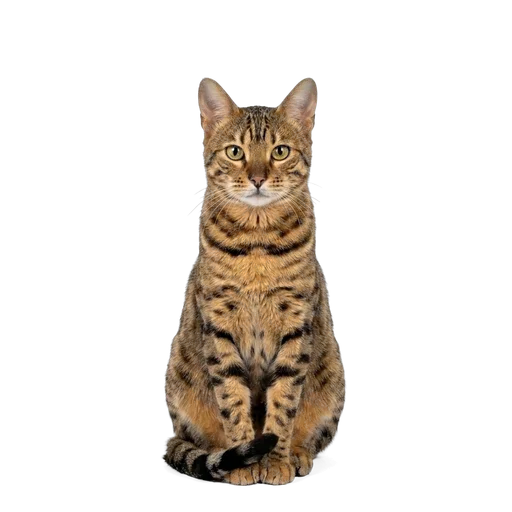
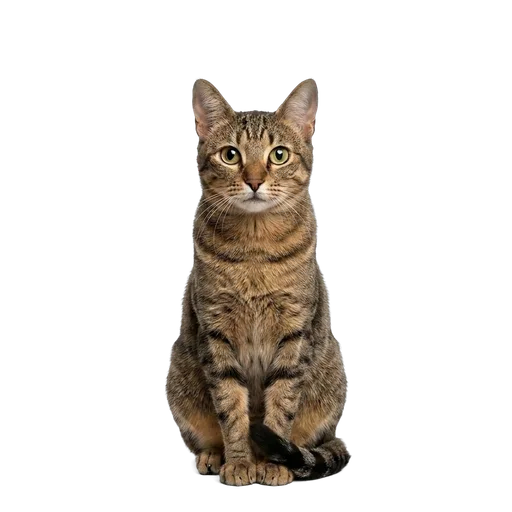
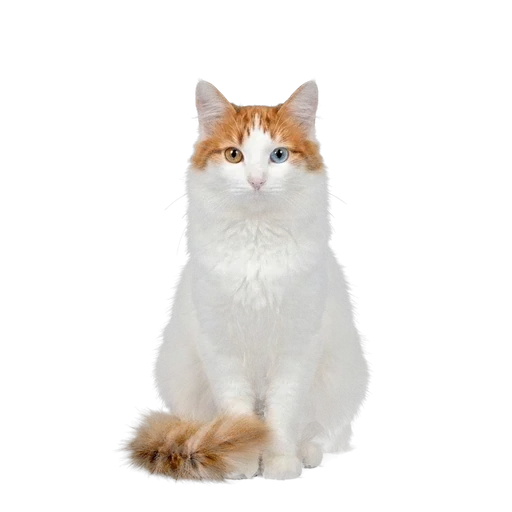
Deciding between similar breeds? Here is the Chausie next to Cheetoh and Brazilian Shorthair.
| Chausie | Cheetoh | Brazilian Shorthair | |
|---|---|---|---|
| Size | Large | Large | Large |
| Weight | 5.5-11.5 kg | 5.5-11.5 kg | 4.5-10 kg |
| Lifespan | 10-15 yrs | 10-15 yrs | 14-20 yrs |
| Activity | Active | Active | Active |
| Shedding | Medium | Low | Low |
| Good with kids | Yes | Yes | Yes |
| Apartment-friendly | No | No | Yes |
Frequently asked questions
Is a Chausie a wild cat?
It is a hybrid. The Chausie descends from crossing the wild jungle cat (Felis chaus) with domestic cats. Modern show Chausies are several generations removed from the wild ancestor and are kept as domestic pets, though they retain a very active, athletic nature.
Are Chausies good for apartments or first-time owners?
Generally no. They are large, extremely active, and need space to run and climb plus daily enrichment. A quiet apartment or an inexperienced owner will struggle to meet their demands; they suit active, experienced households with room to spare.
Why do Chausies need a special diet?
Like many cats, some Chausies can have a sensitive stomach and do better on a gentler diet. A high-protein, often grain-free diet is easier on their gut, and food changes should be made gradually to avoid digestive upset.
How big do Chausies get?
They are among the larger domestic cats, often weighing 5.5 to 11.5 kilograms with long legs and a tall, muscular build. Their size and jumping ability mean they need sturdy furniture and plenty of vertical space.
Are Chausies affectionate?
Very much so, in an active, dog-like way. They bond strongly with their people, often follow one person around, and enjoy interactive play and even training. Their affection shows through involvement and activity rather than quiet lap-sitting.
Related breeds
Health and care information is drawn from established veterinary sources and is general guidance, not veterinary advice. See our sources
Keep records for your Chausie
Vaccinations, food and treat safety, allergy alerts and parasite reminders - all tracked for your Chausie in the Pethls app.