

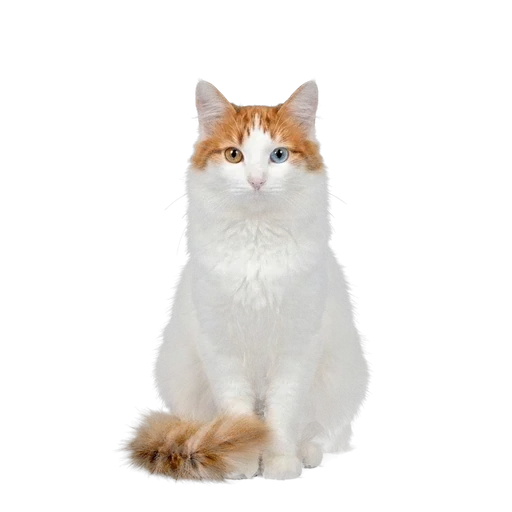
Origin: Turkey
Turkish Van
Get reminders for your Turkish Van's vaccines
Vaccination and parasite reminders, food-safety scans and health records — free to start in the Pethls app.


Good for
The Turkish Van has a reputation few cats share: it often likes water. Owners report Vans dipping paws in the bath, batting at faucets, and even wading in, which is how the breed earned its swimming cat nickname. This is a large, athletic animal, with some males reaching 9 kg, and its personality matches its build. Intelligent, energetic, and endlessly playful, the Van is an active companion rather than a lap cat, happiest in a home with room to climb, run, and explore. Expect a bright, busy cat that lives 12 to 17 years and wants to be part of the action.
Temperament & personality
Turkish Vans are smart and driven. They learn routines fast, work out how to open things they should not, and stay mentally busy in a way that can surprise owners expecting a mellow cat. Puzzle feeders, tall cat trees, and daily interactive play are close to essential rather than optional.
They bond strongly with their people but on their own terms. A Van will often follow you around, join whatever you are doing, and demand attention, yet many dislike being picked up or held for long. Think enthusiastic teammate rather than cuddle pillow.
This athleticism means space matters. Vans jump high, climb everything, and need outlets for their energy. In a small apartment with no vertical space or play, a bored Van can become noisy and destructive. Give them room and stimulation and they are wonderful, engaging companions, and they get on well with children who can keep up with active play.
Vaccination schedule
The core FVRCP vaccine (rhinotracheitis, calicivirus, panleukopenia) starts at 6 to 8 weeks, with boosters every 3 to 4 weeks until the kitten is at least 16 weeks old. Completing the full series is what builds reliable immunity, so keep every appointment.
Rabies is given at 12 to 16 weeks, then boosted on the schedule your vet and local regulations require. This is often legally mandated, so it is not one to skip.
FeLV (feline leukemia) matters more for a Van with outdoor access than for a cat kept strictly indoors, because Vans are active and many owners let them roam safely. Any cat that goes outside or meets cats of unknown status should be vaccinated. Discuss your Van's lifestyle so the plan matches its real exposure.
Best food & diet
An active cat this size, with adult males reaching 9 kg and adult females typically nearer 4 to 6 kg, needs a complete diet with real animal protein at its core. Still-growing cats naturally weigh less, sometimes only around 3 kg, until they fill out. Feed a kitten growth formula through the first year, which is important for a slow-maturing breed like the Van, then switch to an adult maintenance food. Vans are slow to fill out, and many are still adding muscle well past their first birthday.
Match calories to activity. An energetic Van burns more than a sedentary cat, but it is still easy to overfeed. Weigh your cat periodically and adjust portions to keep a lean, muscular body rather than a rounded one.
Fresh water should always be available, and given the breed's fascination with it, a pet water fountain often goes down well and encourages drinking. Introduce any diet change gradually over 7 to 10 days to protect the stomach.
Common health problems
Two health issues are worth knowing about with the Turkish Van. The first is hypertrophic cardiomyopathy (HCM), the most common heart disease in cats, where the heart muscle thickens and works less efficiently. It can be silent for a long time, so keep up regular checkups where your vet can listen for a murmur, and consider a screening echocardiogram if one is ever heard.
The second relates to coat and eye color. White cats, especially those with one or two blue eyes, have a higher rate of congenital deafness linked to the white coat gene. A simple hearing check, sometimes a BAER test, is worthwhile so you know where your cat stands.
A deaf cat can live a full, happy life with some adjustments, mainly keeping it safe from traffic and using vibration or visual cues instead of sound. Beyond these two points, Vans are generally sturdy, and regular wellness exams round out their care.
Allergies & skin
Turkish Vans are not hypoallergenic. Their single, semi-long coat produces less loose fur than a double-coated breed, but the allergy trigger is the Fel d 1 protein in saliva and skin, not coat volume, so sensitive people can still react.
The skin under that coat is usually healthy and needs little intervention. As with any cat, watch for over-grooming, scabs, or bald patches, which can point to fleas, a food sensitivity, or environmental allergies. Any of these is worth a vet visit to pin down the cause.
The Van's fine, water-resistant coat dries quickly, part of why the breed tolerates getting wet. There is no need to bathe a healthy Van routinely; doing so can strip natural oils and irritate the skin.
Flea, tick & worm prevention
Only ever use flea and tick products made for cats. Permethrin-based dog treatments are toxic to cats and can cause severe tremors, seizures, and death. This matters especially for an outdoor-loving breed like the Van, which is more likely to pick up parasites.
Active, outdoor-access cats need consistent, year-round protection that covers both fleas and ticks. A cat-safe spot-on or oral product, applied on a regular schedule that suits your local parasite season, keeps them covered.
Worming should follow your cat's risk level. Hunters and outdoor explorers pick up worms more often, so a Van that roams may need deworming several times a year, while a mostly indoor Van needs it less frequently. Many cat-safe products handle fleas and worms together.
Medications & dosing
Doses are calculated by body weight and must come from your vet. The Turkish Van's wide range, roughly 4 to 9 kg in adults, means dosing varies a lot between individuals, so an accurate current weight is essential before giving anything.
Never give human medications. Drugs such as ibuprofen and paracetamol (acetaminophen) are toxic to cats even in small amounts. If your Van seems in pain, call your vet rather than reaching for anything in your own cabinet.
If your cat is ever diagnosed with a heart condition like HCM, medication becomes a long-term, precisely dosed routine with regular monitoring. Give heart and other prescribed medicines exactly as directed and keep every recheck appointment, since dosing may be adjusted over time.
Grooming & coat care
The Turkish Van has a semi-long single coat with little to no undercoat, which keeps grooming needs low to medium. A weekly brush is usually enough to remove loose hair and prevent tangles, with a bit more attention during seasonal molts.
Because there is minimal undercoat, Vans mat far less than double-coated longhairs, and the silky texture is easy to manage. Brushing also doubles as bonding time and a chance to check skin, ears, and coat condition.
Fill out grooming with regular nail trims, ear checks, and dental care. If your Van is deaf, approach it within its line of sight or with a gentle touch it can feel before you start grooming, so it is never startled.
How the Turkish Van compares
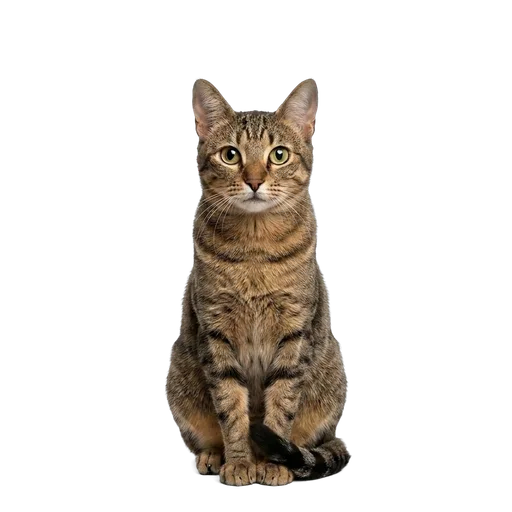
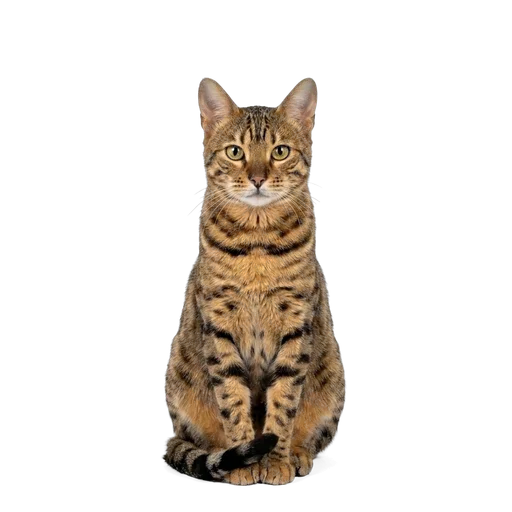
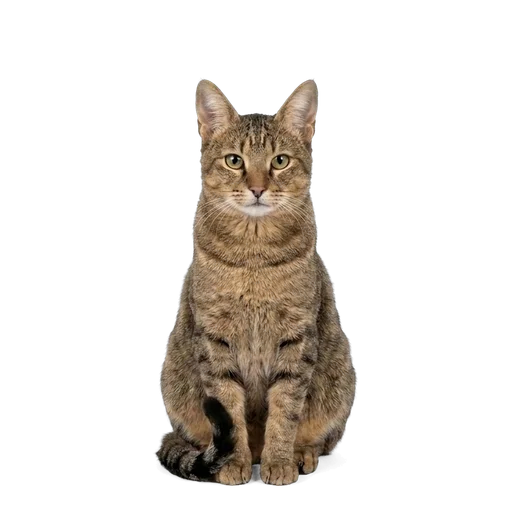
Deciding between similar breeds? Here is the Turkish Van next to Brazilian Shorthair and Cheetoh.
| Turkish Van | Brazilian Shorthair | Cheetoh | |
|---|---|---|---|
| Size | Large | Large | Large |
| Weight | 3-9 kg | 4.5-10 kg | 5.5-11.5 kg |
| Lifespan | 12-17 yrs | 14-20 yrs | 10-15 yrs |
| Activity | Active | Active | Active |
| Shedding | Low | Low | Low |
| Good with kids | Yes | Yes | Yes |
| Apartment-friendly | No | Yes | No |
Frequently asked questions
Do Turkish Vans really like water?
Many do. The breed is famous for playing with water, splashing in bowls, and sometimes wading or swimming, which is where the swimming cat nickname comes from. Not every individual loves it, but a fascination with water is common.
Are Turkish Vans good apartment cats?
Not ideally. They are large, athletic, and high-energy, and they need vertical space, exercise, and mental stimulation. A small apartment with no climbing room can leave them bored and destructive.
Why should white Turkish Vans have their hearing checked?
White cats, especially those with one or two blue eyes, have a higher rate of congenital deafness linked to the white coat gene. A hearing check tells you whether your cat is affected so you can keep it safe accordingly.
Are Turkish Vans lap cats?
Usually not. They are affectionate and love being involved in family life, but many dislike being held for long. They tend to show love through play and following you around rather than sitting still on your lap.
How big do Turkish Vans get?
They are a large breed, with adults typically ranging from about 4 to 9 kg and males at the top of that range. They also mature slowly and may not reach full size until three or four years old, so younger cats still weigh less while they fill out.
Related breeds
Health and care information is drawn from established veterinary sources and is general guidance, not veterinary advice. See our sources
Keep records for your Turkish Van
Vaccinations, food and treat safety, allergy alerts and parasite reminders - all tracked for your Turkish Van in the Pethls app.