

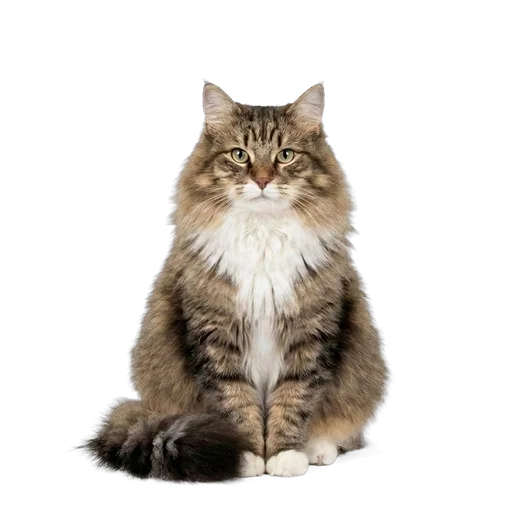
Domestic Longhair
Get reminders for your Domestic Longhair's vaccines
Vaccination and parasite reminders, food-safety scans and health records — free to start in the Pethls app.


Good for
The Domestic Longhair is simply the longhaired version of the ordinary mixed-breed house cat. Like its short-coated cousin, it is not a set breed, so looks and character vary widely from one cat to the next. What they share is a reputation for being hard-wearing and long-lived, helped by a broad gene pool rather than a narrow pedigree line. The obvious difference is the coat, which needs a bit more hands-on care to stay comfortable and mat-free. Adopt from a shelter and you can meet the cat, feel the coat and read the personality before you decide.
Temperament & personality
There is no fixed Domestic Longhair temperament, because these cats come from every kind of background. You will meet gentle lap cats, busy little hunters, chatty attention-seekers and quietly independent types, all under the same loose label. The coat length tells you nothing reliable about the personality inside it.
As a broad group they are adaptable and settle well into family life. Most tolerate sensible children, get along with other pets once introductions are handled slowly, and enjoy a good balance of play and rest. Many keep a playful streak well into their adult years.
The practical advantage of adopting is that you get to judge the individual. Spend a little time with a cat at the shelter and you learn far more about how it will behave at home than any general description can offer. Ask the staff about handling and grooming tolerance too, since a longhaired cat that dislikes being brushed needs extra patience.
Vaccination schedule
The vaccination plan is the same as for any cat. Kittens begin the core FVRCP vaccine, covering feline viral rhinotracheitis, calicivirus and panleukopenia, at around six to eight weeks. Boosters continue every three to four weeks until at least sixteen weeks of age so that fading maternal antibodies don't block the response.
Rabies is given between twelve and sixteen weeks where it is legally required or advised by risk. A first-year booster follows the kitten course, after which FVRCP is repeated every one to three years depending on your vet's protocol and the cat's lifestyle.
FeLV vaccination is recommended for cats with any outdoor access or contact with cats whose health status is unknown. Vaccinating kittens against FeLV is a sensible default even if you plan to keep the cat indoors, because circumstances change and the vaccine offers the best protection when started young.
Best food & diet
As obligate carnivores, Domestic Longhairs do best on a complete, meat-based diet formulated to AAFCO or FEDIAF standards. Look for a named protein at the top of the ingredient list, and include some wet food to support hydration and urinary health.
There is no breed-specific dietary need, but two things deserve attention with a longhaired cat. First is weight, since a heavy cat with a full coat can struggle to groom its back end and quickly becomes matted and uncomfortable. Feed measured portions and keep a waistline you can see and ribs you can feel.
Second is hairballs. A cat that swallows a lot of fur during grooming may benefit from a fiber-rich or hairball-formula food, or an occasional hairball paste, alongside regular brushing. Introduce any diet change gradually over about a week, and keep fresh water freely available, ideally from a wide bowl or fountain.
Common health problems
Being a mix rather than a pedigree, the Domestic Longhair carries no fixed inherited diseases to screen for. Most of its health care is routine prevention rather than managing a breed condition, which is a real advantage over many longhaired pedigrees.
Weight control is the main priority. Obesity drives diabetes, arthritis and urinary disease, and in a longhaired cat it has an extra consequence: an overweight cat can't reach round to groom properly, so mats and skin problems follow. Regular weigh-ins and portion control protect both the joints and the coat.
Hairballs are more of a practical nuisance here than in short-coated cats, occasionally causing vomiting or, rarely, a blockage. Dental disease is common in all cats and easy to miss, so fold a mouth check into the yearly weigh-in, moving to twice-yearly visits as the cat ages.
Allergies & skin
The Domestic Longhair has no breed predisposition to skin disease, but the long coat can hide problems until they are advanced. Mats pull on the skin and trap moisture and dirt underneath, which can lead to sore, inflamed patches if grooming slips, so the coat is worth checking to the skin, not just the surface.
Flea allergy dermatitis is the most common allergic skin problem, where one bite sets off intense itching, scabbing and overgrooming. Food and environmental allergies also occur, showing as itchy skin, ear trouble or bald patches from licking. A dense coat can mask the early signs, so watch for changes in grooming habits.
Consistent year-round flea control prevents the single most common cause of itchy skin. If your cat is scratching, overgrooming or developing scabs despite good flea cover, a vet can work through food and environmental causes. Diagnosed food allergies need a proper elimination diet under veterinary guidance to pin down the trigger.
Flea, tick & worm prevention
Only ever use flea and tick treatments licensed for cats. Permethrin, common in dog spot-ons, is highly toxic to cats and can cause tremors, seizures and death, so a dog product must never go on a cat, and treated dogs should be kept apart until the product dries.
With a longhaired cat, part the coat down to the skin when applying a spot-on so the product reaches the skin rather than sitting on the fur. The dense coat can also make fleas and ticks harder to spot, so check carefully after outdoor trips, especially around the neck, belly and base of the tail.
Worm your cat regularly, roughly every three months and more often for active hunters, since prey and fleas both spread worms. Ticks are a bigger risk for cats that roam through long grass, so choose a product that covers ticks if that fits your cat's lifestyle. Your vet can tailor the frequency to how much time your cat spends outside.
Medications & dosing
Every medicine for a cat is dosed by body weight, so keep an accurate, up-to-date weight for your cat. On an animal of three-and-a-half to six kilograms even small dosing errors matter, and a regularly weighed cat makes safe treatment straightforward.
Human medicines are dangerous and sometimes fatal for cats. Paracetamol can kill a cat at tiny doses, and ibuprofen and aspirin are also toxic. Cats metabolize many drugs differently from dogs, so never assume a product safe for the family dog is safe for the cat.
Give medication exactly as your vet directs, and complete any prescribed course even when the cat looks recovered. With a longhaired cat, watch that spot-on liquids reach the skin rather than soaking into fur. If tablets are a battle, ask about liquids, flavored formulations or a pilling demonstration instead of missing doses.
Grooming & coat care
The long coat is the one part of Domestic Longhair care that needs real commitment. Brush a few times a week, and daily during heavy molts, to lift loose hair, prevent tangles and cut down on the fur your cat swallows. The high-friction areas that mat first are behind the ears, in the armpits, along the belly and around the back end.
Left too long between brushings, the coat can form tight mats that pull painfully on the skin and sometimes need clipping out by a vet or groomer. Keeping the fur around the rear trimmed and clean helps, particularly in older or overweight cats that can't twist round to groom themselves.
Regular brushing also reduces hairballs, since less swallowed fur means less to bring back up. Use each session as a health check, feeling through the coat for lumps, scabs, fleas or mats, and keep an eye on claws and ears at the same time. Getting a longhaired cat used to grooming young pays off for its whole life.
How the Domestic Longhair compares
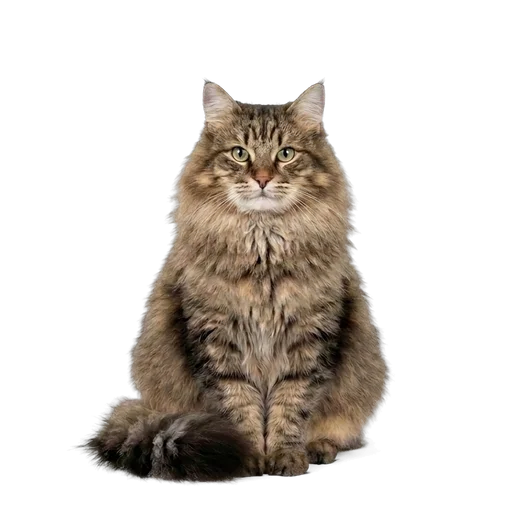
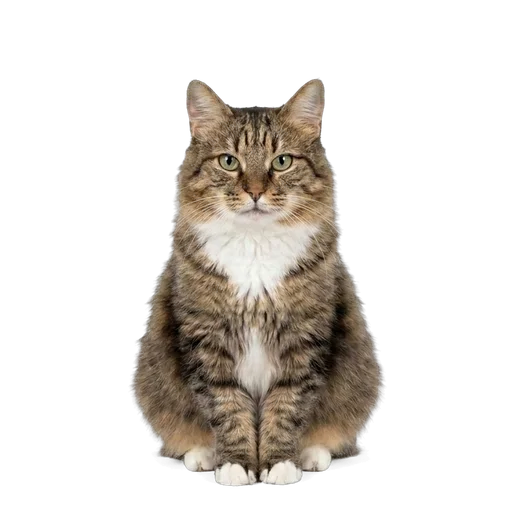
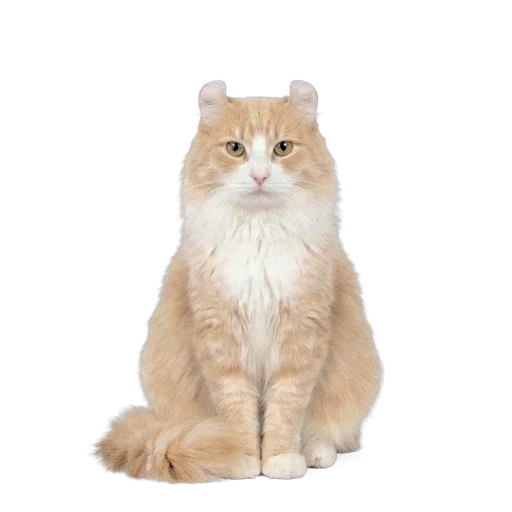
Deciding between similar breeds? Here is the Domestic Longhair next to American Longhair and American Bobtail.
| Domestic Longhair | American Longhair | American Bobtail | |
|---|---|---|---|
| Size | Medium | Medium | Medium |
| Weight | 3.5-6 kg | 3.5-7 kg | 3-7 kg |
| Lifespan | 12-18 yrs | 12-17 yrs | 13-15 yrs |
| Activity | Moderate | Moderate | Moderate |
| Shedding | High | High | Medium |
| Good with kids | Yes | Yes | Yes |
| Apartment-friendly | Yes | Yes | Yes |
Frequently asked questions
Is a Domestic Longhair a specific breed?
No. It is a longhaired cat of mixed, non-pedigree ancestry rather than a recognized breed. That means appearance and personality vary widely, and it also means these cats tend to avoid the fixed inherited diseases seen in many longhaired pedigrees.
How much grooming does the long coat need?
Plan on brushing a few times a week, and daily during spring and autumn molts. This prevents mats, reduces shedding around the home and cuts down on hairballs. Neglecting the coat leads to painful tangles that sometimes have to be clipped out.
Are they good with children and other pets?
Most are, given gentle handling and slow introductions. Because character varies so much between individuals, the safest approach is to meet the cat first and ask shelter staff about its history with kids and other animals.
Do Domestic Longhairs get hairballs?
More readily than short-coated cats, because they swallow more fur while grooming. Regular brushing is the best prevention, and a hairball-formula food or occasional paste can help cats that struggle. Frequent vomiting, though, is worth a vet check rather than assuming it is just hairballs.
Are they hypoallergenic?
No. No cat is truly hypoallergenic, and the longer coat spreads more hair and dander around the home. They are not a safe choice for someone with a diagnosed cat allergy.
Related breeds
Health and care information is drawn from established veterinary sources and is general guidance, not veterinary advice. See our sources
Keep records for your Domestic Longhair
Vaccinations, food and treat safety, allergy alerts and parasite reminders - all tracked for your Domestic Longhair in the Pethls app.