

Origin: Russia
Peterbald
Get reminders for your Peterbald's vaccines
Vaccination and parasite reminders, food-safety scans and health records — free to start in the Pethls app.


Good for
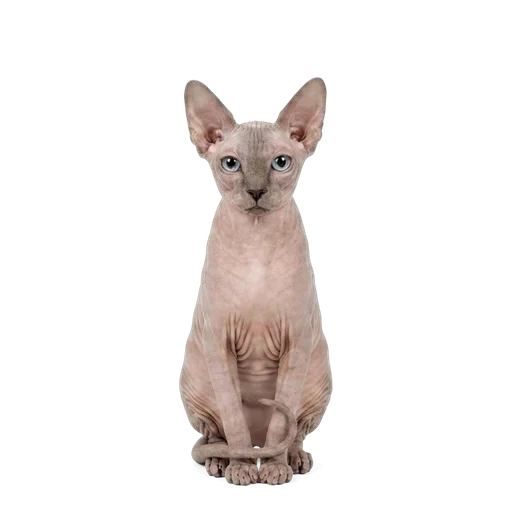
The Peterbald is a Russian breed with the long, elegant lines of an Oriental cat and, often, little to no fur at all. Coats range from completely bald to a fine peach-fuzz or a short brush, and some kittens even lose their coat as they grow. What stays constant is the personality. Peterbalds are intensely social, dog-like cats that want to be with their people, ride on shoulders, greet visitors, and involve themselves in everything. They are clever and active, and the bare or near-bare skin means their care leans less on grooming and more on protection from cold and sun.
Temperament & personality
Peterbalds are among the most people-oriented cats you will meet. They form strong bonds, follow their humans from room to room, and often greet people at the door in a way that feels distinctly dog-like. Being left alone all day does not suit them; they do best in homes where someone is around or where another pet keeps them company.
They are intelligent and busy. Expect a cat that opens cupboards, learns routines, plays fetch, and works out puzzle feeders. That cleverness needs an outlet, so interactive toys and climbing options keep a Peterbald satisfied and out of mischief.
Socially they are sweet and easy-going with children, dogs and other cats, and they warm to guests rather than hiding. First-time owners should know these are affectionate, energetic cats that want plenty of time and attention, and the skin care is real work, so the breed suits someone ready to commit.
Vaccination schedule
Peterbald kittens follow the standard feline core schedule. FVRCP (feline viral rhinotracheitis, calicivirus and panleukopenia) starts at 6 to 8 weeks with boosters every 3 to 4 weeks until at least 16 weeks of age. Completing the full kitten series is important for building strong, reliable immunity.
Rabies is given once between 12 and 16 weeks, according to the vaccine used and local requirements. Adults then receive boosters at 1 year and every 1 to 3 years afterward, guided by product and risk.
FeLV (feline leukaemia) is advised for any Peterbald with outdoor access or contact with cats of unknown health status. Many of these cats live strictly indoors, partly because bare skin does not tolerate the elements, so discuss the real lifestyle with your vet before deciding on FeLV long term.
Best food & diet
Feed a complete, meat-forward cat food matched to life stage. As obligate carnivores, Peterbalds need real animal protein and taurine, and kittens in particular benefit from calorie-dense growth formulas.
Hairless and near-hairless cats run a higher metabolism to stay warm, so a Peterbald may need slightly more food than a coated cat of the same size to hold condition. Watch body weight closely; you can feel their frame directly, which makes it easy to spot when they are getting thin or heavy, and adjust portions as needed.
Keep fresh water available at all times and consider adding wet food for hydration. Change diets gradually over 7 to 10 days to avoid digestive upset, and check with your vet if a young cat seems to eat well yet stays lean.
Common health problems
The best-documented breed predisposition is inherited from the Peterbald's Oriental and Siamese ancestry: hypertrophic cardiomyopathy (HCM), a thickening of the heart muscle. Ask your vet about periodic heart screening as the cat ages. The Peterbald's hairlessness itself comes from a dominant hair-loss gene passed down from the Donskoy, not from a disease such as feline ectodermal dysplasia, but the bare skin does bring its own practical concerns.
Skin photosensitivity is a practical daily issue. With little or no fur, Peterbalds sunburn easily and are prone to skin damage from strong light, so unshaded sunbathing and outdoor roaming are risks rather than treats. The bare skin also chills quickly, which is why most Peterbalds live indoors.
Dental care also deserves attention, as it does for every cat, so keep up regular tooth brushing and vet checks. Alongside HCM screening, watch as they age for the kidney and thyroid issues common to older cats generally. Their 12 to 15 year lifespan is reachable with attentive care.
Allergies & skin
A common myth says hairless cats are hypoallergenic. They are not. Peterbalds still produce Fel d1 in saliva and skin oils, and because they groom themselves and the allergen sits directly on bare skin, an allergic person can react just as strongly. No coat does not mean no allergen.
Skin care is the core of owning this breed. Oils that a normal coat would absorb build up on bare Peterbald skin, so most need a gentle bath or a wipe-down on a regular schedule, roughly weekly, using a mild cat-safe product. Skip harsh soaps that strip and irritate.
Protect the skin actively. Peterbalds get cold, so provide warm bedding, clothing in cool weather, and a heated spot to retreat to. Guard against sunburn by limiting direct sun through windows and keeping them out of intense light. Watch for redness, blackheads, dryness or sores, and involve your vet early since this skin is less forgiving than a furred cat's.
Flea, tick & worm prevention
Use only cat-licensed flea and tick products. Permethrin, found in many dog spot-ons, is highly toxic to cats and can be fatal, so it must never be used on a Peterbald. If a dog in the home is treated with it, keep the two apart until the product has fully dried on the dog.
Bare skin makes flea bites and any resulting irritation very visible, and there is no coat to buffer them, so consistent monthly prevention from your vet is worth keeping up even for an indoor cat. Fleas travel in on people and other pets.
Follow a worming schedule set by your vet. Kittens are wormed frequently early on, and adults are treated routinely based on lifestyle, with most indoor Peterbalds at lower but not zero risk. Roundworms and tapeworms are the usual targets.
Medications & dosing
Dosing is weight-based and vet-directed. At 3 to 5 kg the Peterbald is a small-to-medium, finely built cat, so precise weight matters and there is little margin for error with drugs like anaesthetics, sedatives and pain relief.
Their bare skin means dermatological care can come up more often than average, so factor that into vet visits. Human painkillers such as paracetamol and ibuprofen are toxic to cats, so never dose from the medicine cabinet.
Their thin coat and small size can also make them more sensitive to topical treatments and to temperature swings during illness. Give full prescribed courses and confirm the product is licensed for cats.
Grooming & coat care
With little or no fur, grooming a Peterbald is really skin care. There is no brushing routine to speak of; instead the job is managing the oils that collect on bare skin. A regular gentle bath or a wipe with a soft damp cloth, about weekly, keeps the skin clean and prevents greasy buildup and blackheads.
Warmth is part of coat care for this breed. Because they lack insulation, they feel the cold and seek out heat, so warm bedding, sweaters in winter, and a cozy heated spot are genuine needs rather than novelties. Equally, protect them from sunburn by keeping them out of strong direct light.
Round it off with the standard checks. Clean ears gently, since hairless breeds tend to accumulate more ear wax and there is no coat to hide it, keep nails trimmed, and stay diligent about dental care, which is doubly important given the breed's link to tooth problems.
How the Peterbald compares
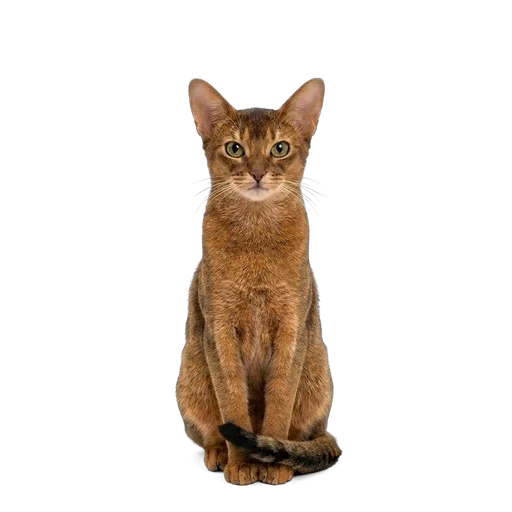
Deciding between similar breeds? Here is the Peterbald next to Munchkin and Abyssinian.
| Peterbald | Munchkin | Abyssinian | |
|---|---|---|---|
| Size | Small | Small | Small |
| Weight | 3-5 kg | 2-4 kg | 3-5 kg |
| Lifespan | 12-15 yrs | 12-15 yrs | 12-15 yrs |
| Activity | Active | Active | Active |
| Shedding | Low | Medium | Low |
| Good with kids | Yes | Yes | Yes |
| Apartment-friendly | Yes | Yes | Yes |
Frequently asked questions
Are Peterbalds hypoallergenic?
No. Being hairless does not remove the Fel d1 allergen, which sits on their saliva and skin. Allergic people can react to a Peterbald as much as to any cat, sometimes more because the allergen is on bare skin.
Do hairless Peterbalds need baths?
Yes. Without a coat to absorb skin oils, they build up grease and blackheads, so most need a gentle cat-safe bath or wipe-down roughly once a week.
Do Peterbalds get cold?
Yes. With little or no fur they lose heat quickly, so they need warm bedding, sometimes clothing in cool weather, and a heated spot to retreat to.
What health problems affect Peterbalds?
The main breed concern is hypertrophic cardiomyopathy (HCM), the heart condition Peterbalds inherit from their Oriental and Siamese lines, so ask about periodic heart screening. Day to day, the bare skin brings sunburn and skin photosensitivity risks. Routine vet care and screening help manage them.
Are Peterbalds good for first-time owners?
They can be, but they are demanding. They need lots of attention, dislike being left alone, and require real skin and sun care, so they suit an owner ready to commit the time.
Related breeds
Health and care information is drawn from established veterinary sources and is general guidance, not veterinary advice. See our sources
Keep records for your Peterbald
Vaccinations, food and treat safety, allergy alerts and parasite reminders - all tracked for your Peterbald in the Pethls app.