

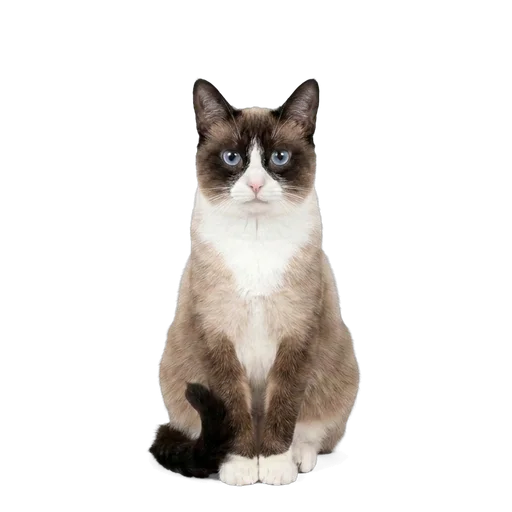
Origin: United States
Snowshoe
Get reminders for your Snowshoe's vaccines
Vaccination and parasite reminders, food-safety scans and health records — free to start in the Pethls app.


Good for
The Snowshoe takes its name from the crisp white feet that look like the cat stepped in fresh snow. It is a cross between the Siamese and the American Shorthair, and it inherits the best of both: the striking blue eyes, dark colorpoints and chatty affection of the Siamese with a sturdier, more even-tempered build from the Shorthair side. Snowshoes are devoted to their people, often picking one favorite and following that person everywhere. They are talkative but softer-voiced than a pure Siamese, docile in temperament, and they slot easily into family life with children and other pets. Add in a short, low-maintenance coat, and you have a rewarding companion for a first-time owner.
Temperament & personality
Snowshoes are affectionate and people-focused, frequently bonding hardest with one particular member of the household. That chosen person can expect a devoted shadow who wants laps, shoulders and involvement in daily routines. They are sensitive cats that pick up on mood and pace, and they do not cope well with being ignored or left alone for very long.
The temperament is notably docile and easygoing, softer than the intensity you sometimes see in the Siamese. Snowshoes are talkative, but their voice tends to be sweeter and quieter, more chirp than yowl. Many enjoy water, some will fetch, and most are clever enough to learn their name and simple tricks.
This blend of affection, gentleness and adaptability makes the Snowshoe a great family cat. They are usually patient with children who handle them kindly and sociable with other cats and cat-friendly dogs. Because they are so attached to their people, they suit homes where someone is around for much of the day rather than one that stands empty from morning to night.
Vaccination schedule
Kittens begin the core FVRCP vaccine (feline viral rhinotracheitis, calicivirus and panleukopenia) at 6 to 8 weeks, with boosters repeated every three to four weeks, the final dose usually falling between 16 and 20 weeks of age. The full course is what establishes reliable immunity against these common, highly contagious viruses, so see the whole series through.
Rabies is administered between 12 and 16 weeks, with a booster after the first year and then every one to three years according to the vaccine used and local law. Many regions require it, especially for any cat that goes outdoors or travels.
Feline leukaemia (FeLV) vaccination is recommended for Snowshoes that have outdoor access or mix with cats of unknown health status. An indoor-only cat may not need it beyond the kitten stage, and your vet will make that call based on lifestyle. Annual health checks keep boosters on schedule and give the vet a chance to spot problems early.
Best food & diet
As obligate carnivores, Snowshoes thrive on a meat-based, high-protein diet. Pick a complete cat food that lists a named animal protein first, and steer away from products padded out with grain fillers. A good diet supports the lean, muscular build the breed is meant to have.
Adults generally weigh between 3 and 5.5 kilograms, and the moderate build should not tip into pudginess. Feed measured meals rather than leaving food down all day, aim to feel the ribs with only a light fat covering, and adjust portions as your cat ages and slows down. Neutered indoor cats in particular can gain weight quietly if you free-feed.
Keep fresh water available at all times and consider including some wet food for hydration, which supports urinary and kidney health over the long run. Since dental disease can develop in any cat, ask your vet whether dental-formula food or treats would suit your cat. Change diets gradually across about a week to keep the stomach settled.
Common health problems
The Snowshoe is generally a hardy, robust breed, helped by the sturdier American Shorthair genes in its background. The one common quirk is crossed eyes (strabismus), inherited from the Siamese side, which is almost always purely cosmetic. A cross-eyed Snowshoe sees perfectly well and lives a completely normal life.
Even so, the Siamese heritage means Snowshoes can inherit that line's tendency toward dental disease and, less often, heart problems, so it pays to stay watchful. Dental disease is the most practical thing to keep on top of, and it is easy to prevent with regular home care. Book routine dental checks as part of the annual visit.
The main cardiac concern carried down the Siamese line is hypertrophic cardiomyopathy (HCM), a thickening of the heart muscle that often shows no early signs, so annual checkups where the vet listens for a murmur or gallop rhythm are the practical safeguard. On the whole, though, this is not a breed weighed down by a long list of serious inherited disease, and with sensible care many Snowshoes live well into their late teens.
Allergies & skin
The Snowshoe is not hypoallergenic. Like every cat, it produces Fel d1, the protein behind most human cat allergies, in its saliva and skin, and grooming spreads that allergen onto the coat and into the home. The short coat means less loose fur than a longhaired breed, but that does not make the cat safe for allergy sufferers.
If someone in the home has cat allergies, do not rely on the breed to solve it. Because reactions differ widely between people and even between individual cats, the only reliable guide is to spend time with the specific cat first, ideally more than once, and see how you respond.
For the cat itself, the short coat makes skin easy to inspect during a stroke or a quick weekly comb. Flea allergy is the leading skin complaint in cats, so consistent parasite control does double duty as skin care. Watch for scabs, bald spots, redness or persistent scratching, and get any of those looked at rather than waiting to see if it clears on its own.
Flea, tick & worm prevention
Use flea and tick products made specifically for cats, and never a dog product. Dog spot-ons that contain permethrin are toxic to cats and can kill even at a small dose, because the feline liver cannot metabolize the chemical. Source your preventive from your vet, dosed to your Snowshoe's weight, and keep any dog treatments completely separate.
The short coat makes fleas fairly easy to spot, but a cat-safe preventive on a regular schedule, monthly or every few months depending on the product, is far better than dealing with an established infestation. Indoor cats need protection too, since fleas travel indoors on people and other animals. Outdoor cats should also be checked for ticks after time outside.
Worming is the final piece. Roundworms and tapeworms are the usual suspects, and because fleas transmit tapeworm, flea control and worming reinforce each other. Most cats are wormed about every three months, with hunters and outdoor cats needing it more often. Let your vet set the interval based on your cat's habits.
Medications & dosing
Every feline medication is dosed by body weight, so keep a current, accurate weight for your Snowshoe and give it to your vet whenever something new is prescribed. Guessing a dose is never safe, and weighing your cat takes moments. A kitchen scale for smaller cats or the vet's scale at a checkup both do the job.
Do not give human medicines to a cat. Paracetamol (acetaminophen) is fatal to cats in tiny quantities, and ibuprofen and aspirin are also dangerous. Cats simply lack the enzymes to process these drugs. If your Snowshoe is in pain or unwell, only a vet-prescribed, cat-specific treatment is appropriate, at the dose your vet specifies.
Complete any prescribed course in full, even once your cat looks better, and never share medication between animals. Snowshoes are generally cooperative, but if pilling is a struggle, ask your vet about a flavored liquid formulation or a hiding technique in food. Getting the method right the first few times makes every future dose easier.
Grooming & coat care
Grooming a Snowshoe is about as easy as cat care gets. The short, close coat needs little more than a weekly once-over with a soft brush or grooming glove to remove loose hair and keep it glossy. There is no undercoat drama and no seasonal molt to dread, so shedding stays modest all year.
That weekly session is also a natural chance to check the cat over: run your hands along the body for any lumps or sore spots, glance at the eyes and ears, and keep the bond strong at the same time. Most Snowshoes, being affectionate and attention-loving, treat grooming as just another form of fussing.
The parts that matter most are the ones people forget. Brush the teeth regularly, since this is the single most useful thing you can do for a cat with Siamese ancestry, trim the claws every few weeks, and wipe the ears clean if they look waxy. Start these habits early and keep them gentle, and your Snowshoe will accept the whole routine without complaint.
How the Snowshoe compares
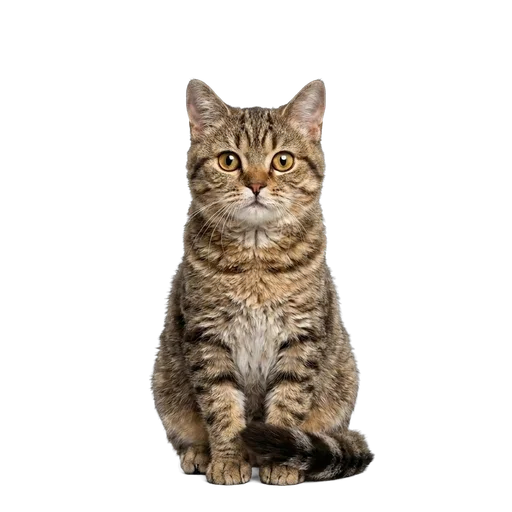
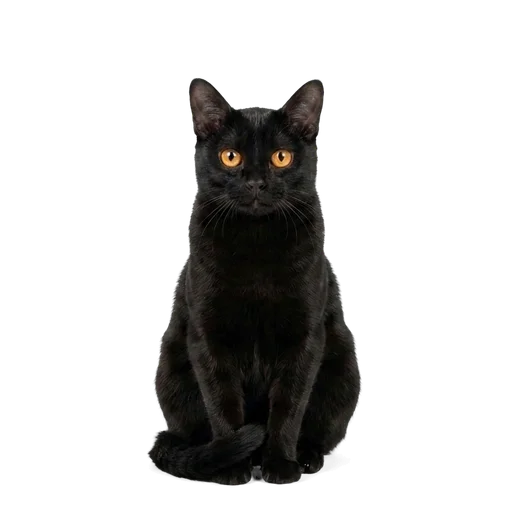
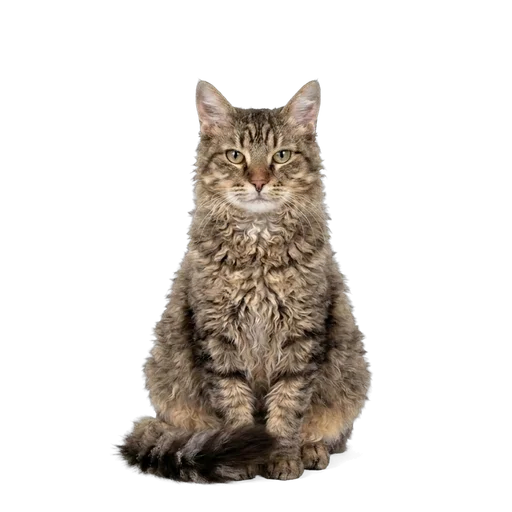
Deciding between similar breeds? Here is the Snowshoe next to American Wirehair and Bombay.
| Snowshoe | American Wirehair | Bombay | |
|---|---|---|---|
| Size | Medium | Medium | Medium |
| Weight | 3-5.5 kg | 3-7 kg | 3-5 kg |
| Lifespan | 14-19 yrs | 12-18 yrs | 12-16 yrs |
| Activity | Moderate | Moderate | Moderate |
| Shedding | Low | Low | Low |
| Good with kids | Yes | Yes | Yes |
| Apartment-friendly | Yes | Yes | Yes |
Frequently asked questions
Where do Snowshoe cats come from?
The Snowshoe was developed in the United States by crossing the Siamese with the American Shorthair. The result keeps the Siamese's blue eyes, colorpoints and affectionate, talkative nature while gaining a sturdier body and a more relaxed temperament, plus the distinctive white feet that give the breed its name.
Why does my Snowshoe have crossed eyes and a kinked tail?
Both traits are inherited from the Siamese side of the breed and are almost always purely cosmetic. A cross-eyed (strabismus) Snowshoe sees normally and lives a full, healthy life, and a kinked tail causes no pain or difficulty. Neither is a sign of illness or a reason for concern.
Are Snowshoe cats good with children and other pets?
Yes. Snowshoes are docile, affectionate and sociable, which makes them a strong fit for family homes. They are typically patient with gently behaved children and get along with other cats and cat-friendly dogs. Calm introductions and a quiet retreat space help every new relationship start well.
Do Snowshoe cats need a lot of grooming?
No. The short coat is very low-maintenance, needing only a weekly brush to keep it clean and glossy, with light shedding and no big seasonal molt. The more important grooming task is dental care, since the Siamese line is prone to dental disease, so brush the teeth regularly.
Can Snowshoe cats be left home alone?
Only for moderate periods. Snowshoes bond intensely with their people, often to one favorite person, and can become lonely or stressed if left alone for long hours every day. They do best in a home where someone is around much of the time, or with a compatible companion pet for company.
Related breeds
Health and care information is drawn from established veterinary sources and is general guidance, not veterinary advice. See our sources
Keep records for your Snowshoe
Vaccinations, food and treat safety, allergy alerts and parasite reminders - all tracked for your Snowshoe in the Pethls app.