

Origin: Turkey
Turkish Angora
Get reminders for your Turkish Angora's vaccines
Vaccination and parasite reminders, food-safety scans and health records — free to start in the Pethls app.


Good for
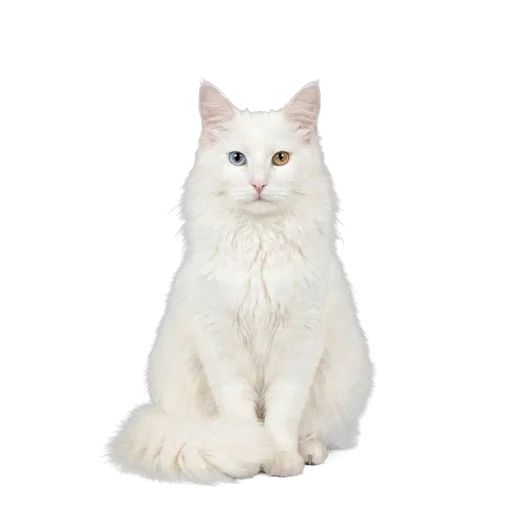
The Turkish Angora is a fine-boned, silky-coated cat from central Turkey with a personality far bigger than its slight frame suggests. These are athletic, sharp cats that climb to the highest shelf, open cupboards they were told to leave alone, and generally run the household on their own terms. They form intense bonds with their people and want to be part of whatever you are doing, which makes them poor candidates for a home where they would be left alone for long stretches. Weighing roughly 2.5 to 5 kg and living 12 to 18 years, the Angora rewards an attentive owner with years of playful, chatty company.
Temperament & personality
Turkish Angoras are busy, curious cats that treat the home as a playground and puzzle box combined. They fetch, they perch on the top of the fridge, and they will learn to open a drawer if there is something interesting inside. Expect a cat that follows you room to room and comments on your day in a soft, conversational voice.
The flip side of that intelligence is that a bored Angora becomes a destructive one. Puzzle feeders, wand toys, and a tall cat tree near a window keep the mind occupied. Two short interactive play sessions a day go a long way toward settling them in the evening.
Socially they are warm and adaptable. Most do well with respectful children, dogs that leave them alone, and other cats, especially if introductions are gradual. They tend to pick one favorite person while staying friendly with the rest of the family.
Vaccination schedule
The core feline vaccine is FVRCP, which covers feline viral rhinotracheitis, calicivirus, and panleukopenia. Kittens start the series at 6 to 8 weeks, then receive boosters every 3 to 4 weeks until they are at least 16 weeks old. Skipping the final booster is a common mistake, since maternal antibodies can block earlier doses.
Rabies is given once between 12 and 16 weeks, with the schedule of boosters after that set by local law and the vaccine brand used. Some regions require rabies by statute, so check what applies where you live.
After the kitten series, adults typically move to FVRCP boosters every 1 to 3 years. FeLV (feline leukaemia virus) is recommended as a core vaccine for all kittens, regardless of lifestyle, because a young cat's future exposure cannot be predicted. In adulthood, whether to keep boosting depends on ongoing risk: it matters most for any Angora with outdoor access or contact with cats of unknown status, so let your vet advise on continuing it based on lifestyle.
Best food & diet
Angoras are lean, active cats that do best on a complete diet built around named animal protein. Look for a food that lists a specific meat or fish as the first ingredient and meets AAFCO or FEDIAF standards for the cat's life stage. Kittens need a growth formula until around 12 months.
Because this breed lists beef, chicken, and salmon among its common allergens, watch closely when introducing new foods. If you see itching, ear inflammation, or loose stools after a diet change, a vet-guided elimination trial using a single novel protein or hydrolyzed diet is the reliable way to find the trigger.
Fresh water should always be available, and many Angoras drink more readily from a pet fountain. These cats tend to stay lean, but measure portions rather than free-feeding so an off-day appetite is easier to notice.
Common health problems
Congenital deafness is the signature concern in this breed. It is linked to the dominant white coat gene, and white Angoras with one or two blue eyes carry a notably higher rate of being deaf in one or both ears. A simple BAER hearing test confirms it, and a deaf cat lives a full happy life indoors once you adjust how you approach and startle them.
Hypertrophic cardiomyopathy (HCM) is the most common feline heart disease and shows up in Angora lines. The heart muscle thickens, which can lead to clots or heart failure. Many cats show no symptoms until the disease is advanced, so it helps to have periodic vet checks with a stethoscope exam, plus an echocardiogram if a murmur or gallop is heard.
The breed also carries a hereditary ataxia, a neurological condition seen in very young kittens that affects coordination and is usually severe. Responsible breeders track affected lines. Like all cats, Angoras benefit from routine dental care, so budget for professional cleanings and monitor for red gums or reluctance to eat.
Allergies & skin
Food allergy in the Angora tends to point at common proteins, with beef, chicken, and salmon topping the list. In many cats the signs show up in the skin rather than the stomach: scratching around the head and neck, over-grooming, and recurrent ear infections. A structured elimination diet run for 8 to 12 weeks is the only dependable way to confirm a food trigger.
Environmental allergens matter too. Dust mites are a frequent culprit, and the single, silky coat leaves the skin more exposed to whatever settles in it, so bedding and household dust are worth staying on top of. Washing bedding weekly in hot water and reducing household dust can ease flare-ups.
Get bald patches, scabbing, or constant grooming of one spot looked at by a vet before they spread. Fleas are still the single most common cause of feline skin allergy, so keep parasite prevention current even for a strictly indoor cat.
Flea, tick & worm prevention
Use only products labeled for cats. This is not a minor detail: dog flea treatments containing permethrin are highly toxic to cats and can cause tremors, seizures, and death. Never apply a dog product to your Angora, and keep treated dogs separate until the product has dried if you own both.
A monthly vet-recommended spot-on or oral preventive handles fleas and, where ticks are a risk, ticks as well. Indoor cats are not exempt, because fleas hitch rides on clothing and other pets. Products differ in what they cover, so match the choice to your cat's exposure with your vet.
Worming should follow a schedule based on lifestyle. Kittens are wormed frequently in their first months, then adults are typically treated every 3 months, more often if they hunt or go outside. Some combination parasite products cover intestinal worms alongside fleas, which simplifies the routine.
Medications & dosing
Every medication for a cat is dosed by body weight, and cats are not small dogs metabolically. Their livers handle many drugs differently, which is why paracetamol is lethal to them and why you should never guess a dose. Weigh your Angora, which is easy given the slight frame, and let the vet calculate the amount.
For a breed prone to HCM, cardiac medications may enter the picture as the cat ages. These need exact dosing and regular monitoring, and stopping them suddenly can be dangerous. Give heart and other prescription drugs exactly as directed; cardiac medication is usually lifelong, not a short course you stop when the cat seems fine.
Do not use leftover medication from another pet or reach for human painkillers. If you ever miss a dose or suspect an overdose, call your vet or an animal poison line rather than doubling up. Keep all medicines well out of reach, since these agile cats get into cupboards easily.
Grooming & coat care
The Angora coat is a single layer with very little undercoat, which keeps grooming refreshingly simple. A once-a-week comb through with a fine-toothed comb or slicker removes loose hair and prevents the occasional tangle behind the ears and under the legs. Shedding is light year round.
During the spring and autumn coat changes you may want to comb twice a week for a few weeks. The silky texture rarely mats the way a plush double coat can, so most owners never need professional grooming.
Round out the routine with the basics: check and gently clean the ears, trim claws every couple of weeks, and brush the teeth, since dental care matters for every cat. Starting these handling habits in kittenhood makes them a non-event for life.
How the Turkish Angora compares
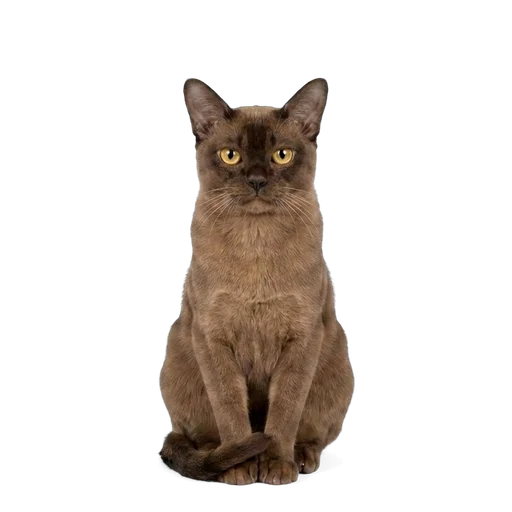
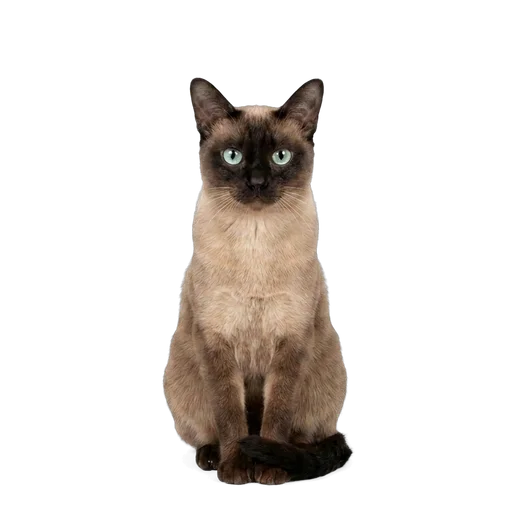
Deciding between similar breeds? Here is the Turkish Angora next to European Burmese and Tonkinese.
| Turkish Angora | European Burmese | Tonkinese | |
|---|---|---|---|
| Size | Medium | Medium | Medium |
| Weight | 2.5-5 kg | 3-6 kg | 2.7-5.5 kg |
| Lifespan | 12-18 yrs | 14-18 yrs | 14-18 yrs |
| Activity | Active | Active | Active |
| Shedding | Low | Low | Low |
| Good with kids | Yes | Yes | Yes |
| Apartment-friendly | Yes | Yes | Yes |
Frequently asked questions
Are all white Turkish Angoras deaf?
No, but the risk is real. Deafness is linked to the dominant white gene, and white cats with one or two blue eyes have a higher rate of being deaf in one or both ears. A quick BAER hearing test gives you a definite answer, and a deaf cat lives a full life as an indoor pet.
Is the Turkish Angora hypoallergenic?
No. No cat breed is truly hypoallergenic, and the Angora is no exception. The main allergen, Fel d 1, comes from saliva and skin and spreads through the coat during grooming, regardless of how much a cat sheds.
Do Turkish Angoras need a lot of attention?
Yes. They are social, active, and closely bonded to their people, so they do best in a home where someone is around much of the day. Left alone and under-stimulated they get bored and destructive. Daily play and a companion pet help if the house is empty during work hours.
How much grooming does the coat need?
Very little. The single silky coat rarely mats, so a weekly comb is enough most of the year, with a second weekly session during seasonal shedding. Add claw trims, ear checks, and tooth brushing to complete the routine.
Are Turkish Angoras good with children and other pets?
Generally yes. They tend to be friendly and playful with respectful children and settle well with dogs and other cats when introductions are gradual. Their agility means they can retreat to a high perch when they want quiet time.
Related breeds
Health and care information is drawn from established veterinary sources and is general guidance, not veterinary advice. See our sources
Keep records for your Turkish Angora
Vaccinations, food and treat safety, allergy alerts and parasite reminders - all tracked for your Turkish Angora in the Pethls app.