

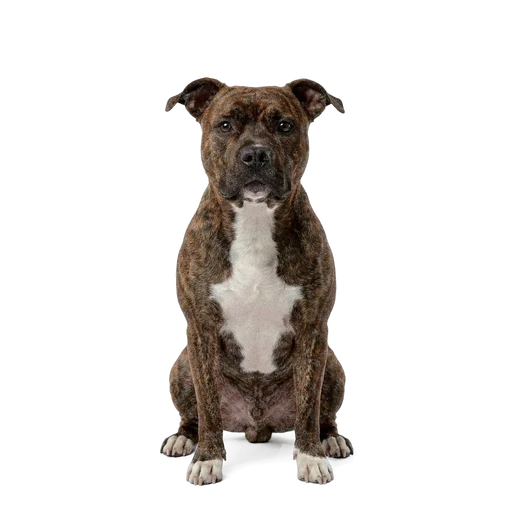
Origin: United States
American Staffordshire Terrier
Get reminders for your American Staffordshire Terrier's vaccines
Vaccination and parasite reminders, food-safety scans and health records — free to start in the Pethls app.


Good for
The American Staffordshire Terrier is a powerfully built, medium-sized, muscular terrier with a confidence that shows in the way it carries itself. Owners tend to fall for the combination of physical strength and easy good nature: this is a dog that's genuinely affectionate, loyal and fond of its people, children very much included. Developed in the United States from Bull-and-Terrier stock, the AmStaff is smart, eager to please and warm with its own family. It's also strong, energetic and can be dog-selective. Owners get a great deal back for the socialization and training they put in, but the breed needs an experienced, hands-on handler to bring out its best.
Temperament & personality
AmStaffs are people-oriented dogs with a big soft streak. Despite the muscular build and serious reputation, most are good-natured, affectionate and steady with their families, and they thrive on being included in daily life rather than left in the yard. They're confident without being nervy, and a well-raised AmStaff is friendly with the people it knows. This is an energetic, athletic breed, though, and it needs real daily exercise and mental stimulation to stay balanced and content.
With children the breed is generally patient and tolerant, and many AmStaffs are devoted to the kids in their household. Still, this is a strong dog, so supervision and teaching children how to interact respectfully are essential, and the sheer power means play should be managed so nobody gets bowled over.
The honest complexity is with other animals. AmStaffs can be dog-selective and may not tolerate unfamiliar dogs, so early and ongoing socialization matters a great deal. This is a breed where you commit to training and controlled introductions for life rather than assuming the dog will simply grow out of it. Around cats and small pets, individual temperament and early exposure decide a lot.
This is not the easiest first dog. AmStaffs are intelligent and trainable, but their strength, drive and need for consistent leadership mean beginners should be honest about their own experience and be ready to invest in professional training classes. In the right, committed hands they are outstanding companions.
Vaccination schedule
AmStaff puppies get the same core vaccine foundation as any dog. The DHPP combination covers distemper, hepatitis (adenovirus), parvovirus and parainfluenza, given as a series from around six to eight weeks, with repeat doses every two to four weeks until roughly sixteen weeks of age. Completing the full series is what builds reliable protection, so don't cut the course short.
Rabies is a separate vaccine, typically given from twelve weeks. It's legally required in many places and is mandatory for international travel, so factor timing and documentation into your plans if you expect to move between regions.
Once the puppy series is done, your vet will schedule boosters, usually one at about a year old and then DHPP core boosters every one to three years depending on the product and local guidance. Leptospirosis is now a core vaccine recommended for every dog, so plan on it too; it follows a different schedule, a two-dose puppy series and then an annual booster rather than the every-one-to-three-year DHPP interval, and time spent around water, wildlife or rural areas is why that yearly booster matters. Non-core options such as Bordetella (kennel cough), Lyme and canine influenza are worth a conversation if your dog boards, attends day care, trains in groups or spends a lot of time in busy dog areas.
Track every dose and due date. Kennels, trainers and groomers routinely ask for proof of vaccination, and a tidy record keeps boosters from slipping.
Best food & diet
AmStaffs are athletic, densely muscled dogs, and their diet should support that muscle without adding excess fat. A complete, balanced food built around a quality named protein works well. Because the breed ranges widely in size, from around eighteen up to thirty-two kilograms, feed to the individual dog's condition rather than a fixed amount. You want to feel the ribs easily and see a defined waist from above.
Weight management is a real priority. Extra kilos load the hips, knees and cruciate ligaments, which is why keeping an AmStaff lean is one of the most useful things an owner can do for its long-term joint health. Measure meals, split them into two a day, and count treats as part of the total.
Large, deep-chested dogs benefit from not gulping a big meal and then exercising hard straight after. Feeding two smaller meals and leaving a gap around vigorous activity is sensible practice. If you're feeding a growing puppy, a diet formulated for large-breed growth helps control the growth rate and supports developing joints.
Food sensitivities occur, often showing as itchy skin rather than stomach upset, with beef, chicken and wheat among the common triggers. If your dog itches persistently, your vet can guide an elimination diet to identify and cut out the offending ingredient. Keep fresh water available at all times.
Common health problems
One condition to watch for is cerebellar ataxia, an inherited neurological disease documented in the breed. In the AmStaff the ataxia is the clinical presentation of a breed-specific form of neuronal ceroid lipofuscinosis (NCL-A). Affected dogs develop progressive problems with coordination and balance, usually in adulthood. Crucially, a DNA test exists, so responsible breeders test their breeding dogs and can show whether a puppy is clear of the mutation. Always ask to see both parents' results.
Hip dysplasia turns up in the breed as it does in many muscular dogs. The hip joint develops abnormally and leads to arthritis and pain over time. Choosing a puppy from hip-scored parents, keeping the dog lean and providing sensible, regular exercise rather than occasional extreme bursts all help protect the joints.
Cardiac conditions are also seen in the breed, so any exercise intolerance, coughing or fainting is worth investigating. Separately, like many powerful, athletic dogs that put real force through their joints, an AmStaff may develop cruciate ligament injuries in the knee. A sudden hind-leg lameness after exercise warrants a vet check, since a torn cruciate often needs surgical repair to give a good outcome.
Skin is the other recurring theme. AmStaffs can be affected by allergic skin disease and by demodectic mange, a condition caused by mites that the dog's immune system fails to keep in check, which tends to show up as patchy hair loss, often in younger dogs. Both are manageable with veterinary care, but they need proper diagnosis rather than guesswork, so get any persistent skin problem looked at.
Allergies & skin
Allergic skin disease is common in AmStaffs, and the short coat leaves nowhere to hide the redness, scratching and hair loss it causes. Environmental allergens such as dust mites and grass pollen are frequent triggers, and symptoms can be seasonal or year-round. Food allergies to ingredients like beef, chicken and wheat overlap with this, often showing as the same itchy skin and inflamed ears rather than an upset gut.
Demodectic mange deserves a specific mention because it's easy to mistake for a simple allergy. Caused by Demodex mites that normally live harmlessly on the skin, it flares when the immune system doesn't keep them controlled, producing patchy hair loss and sometimes secondary infection, most often in young dogs. It needs a vet's diagnosis, usually with a skin scrape, because the treatment is different from allergy management.
Day-to-day skin care helps whatever the underlying cause. Wipe the dog down after grassy walks, wash bedding regularly, use vet-recommended shampoos for irritated skin, and stay rigorous with flea control, since flea allergy can pile onto an already sensitive dog. Omega-3 supplements support the skin barrier and are worth reviewing with your vet.
For stubborn or severe cases, don't leave the dog to suffer. Modern anti-itch medications, treatment for any secondary infection and, where appropriate, immunotherapy can bring real relief. Your vet can tell the difference between allergy and mange and build the right plan, which is why a proper work-up beats trial-and-error home remedies.
Flea, tick & worm prevention
Because AmStaff skin is allergy-prone, flea prevention year-round is a priority rather than an afterthought. In a flea-sensitive dog, even a small number of bites can set off a widespread skin reaction, so use a vet-recommended product consistently, whether spot-on, chewable or collar, and treat every pet in the home, since fleas move between animals and live in carpets and bedding.
Ticks matter for dogs that walk in long grass, woodland or areas with wildlife and livestock. Many modern products cover fleas and ticks together. After country walks, run your hands over the dog and check the head, ears, armpits and toes, and remove any ticks promptly with a proper tick tool to reduce disease transmission.
Worming targets a different group of parasites. Routine treatment covers roundworms and tapeworms, and in some regions lungworm is a serious added risk for dogs that eat slugs and snails. Adult dogs are commonly wormed every three months, while puppies need more frequent treatment. Your vet will tailor the schedule to your area and your dog's habits.
Set reminders for every dose. The most common reason parasites take hold is a lapsed treatment, and prevention is far simpler than clearing an established infestation from a household.
Medications & dosing
Medication for an AmStaff is dosed by body weight, and this breed's wide size range, roughly eighteen to thirty-two kilograms, makes an accurate current weight especially important. A dose correct for a compact female could be well short for a large male, so weigh your dog at vet visits and keep the number handy for parasite products in particular, which are sold in weight bands.
Never reach for human painkillers. Ibuprofen, paracetamol and aspirin are toxic to dogs and can cause serious stomach ulceration and kidney or liver damage. Any pain relief for a dog must be a veterinary anti-inflammatory at a veterinary dose, and given the breed's tendency toward cruciate and joint problems, pain management is a conversation you may well have, so have it with your vet rather than the medicine cabinet.
For allergy treatments, mange medication, antibiotics or any course, follow the timing exactly and finish the full course even if the dog looks recovered. Demodectic mange treatment in particular often runs for weeks and needs repeat checks to confirm the mites are gone. Stopping early risks a relapse.
Keep a written or app-based log of every medication, dose and date. In a busy household it prevents accidental double-dosing and gives your vet a clear history at each appointment.
Grooming & coat care
Grooming an AmStaff is refreshingly simple. The coat is short, stiff and glossy, and a weekly brush with a rubber curry brush or grooming mitt lifts loose hair and keeps it shining. Shedding is low, though you'll notice a little more when the seasons turn. A quick wipe with a damp cloth freshens the coat between baths.
Bathe only when the dog is genuinely dirty or when a medicated wash forms part of managing skin problems. Frequent bathing strips protective oils and can aggravate sensitive skin, so unless your vet has prescribed a regular regime, an occasional bath with a mild dog shampoo is all that's needed.
The details are where care pays off. Check the ears weekly for redness, discharge or smell, since allergy-prone dogs get ear infections easily, and clean only with a vet-approved product. Trim nails every few weeks if they aren't naturally worn down, keep an eye on the skin for any patchy hair loss that could signal mange, and start regular tooth brushing early to head off dental disease.
The short coat offers little insulation, so a fitted coat for cold or wet weather is practical for winter walks. It keeps an otherwise keen dog comfortable enough to get its full exercise in without cutting the outing short.
How the American Staffordshire Terrier compares
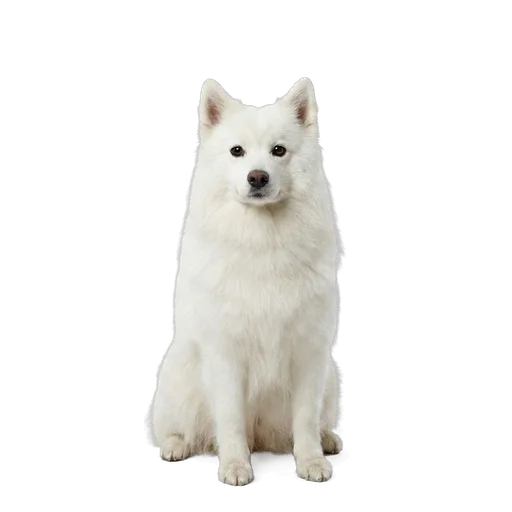
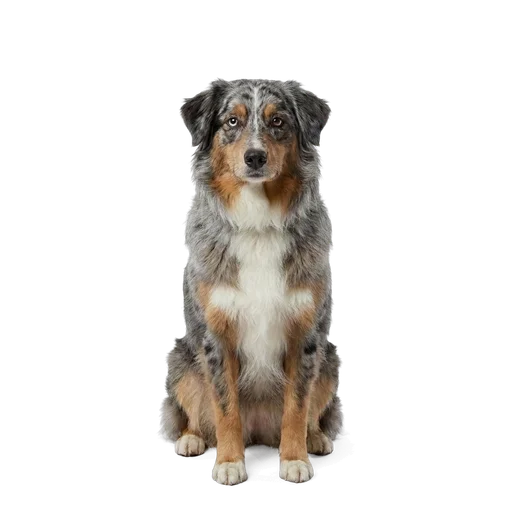
Deciding between similar breeds? Here is the American Staffordshire Terrier next to American Eskimo Dog and Australian Shepherd.
| American Staffordshire Terrier | American Eskimo Dog | Australian Shepherd | |
|---|---|---|---|
| Size | Medium | Medium | Medium |
| Weight | 18-32 kg | 4.5-16 kg | 16-32 kg |
| Lifespan | 12-16 yrs | 13-15 yrs | 12-15 yrs |
| Activity | Active | Active | Active |
| Shedding | Low | High | High |
| Good with kids | Yes | Yes | Yes |
| Apartment-friendly | Yes | Yes | No |
Frequently asked questions
Are American Staffordshire Terriers good family dogs?
They can be excellent family dogs in the right home. AmStaffs are affectionate, loyal and generally good-natured with the people they know, and many are devoted to the children in their household. The caveats are real, though: they're strong, can be dog-selective, and need consistent training and socialization. They suit committed owners who will supervise interactions and put in the work, rather than a hands-off household.
Are AmStaffs good for first-time dog owners?
Honestly, not usually the easiest choice for a complete beginner. They're intelligent and trainable, but their strength, drive and need for firm, consistent leadership and ongoing socialization ask for some experience. If you're a first-timer set on the breed, be realistic about the commitment, enrol in professional training classes early, and lean on experienced help. Use your judgement about whether it fits your circumstances.
Do American Staffordshire Terriers get on with other dogs?
It depends on the individual and how they're raised. AmStaffs can be dog-selective and may not tolerate unfamiliar dogs, which is why early and continuing socialization matters so much. Many live happily with other pets they've grown up alongside, but you should manage introductions carefully, supervise, and not assume a dog that adores people will automatically accept every other dog.
What is cerebellar ataxia in AmStaffs?
It's an inherited neurological disease specific to the breed that causes progressive loss of coordination and balance, usually appearing in adulthood. The good news is that a DNA test exists, so responsible breeders test their breeding dogs and can show whether a puppy has inherited the mutation. If you're buying an AmStaff puppy, ask to see the DNA results for both parents.
Is the American Staffordshire Terrier a restricted breed?
Breed-specific legislation exists in some regions and can affect ownership, housing, insurance or travel, and the AmStaff is sometimes caught by these rules depending on where you are. Laws vary and do change over time, so it's worth calmly checking the regulations in your local area and anywhere you plan to travel with the dog before you commit, rather than assuming they apply the same way everywhere.
Related breeds
Health and care information is drawn from established veterinary sources and is general guidance, not veterinary advice. See our sources
Keep records for your American Staffordshire Terrier
Vaccinations, food and treat safety, allergy alerts and parasite reminders - all tracked for your American Staffordshire Terrier in the Pethls app.