

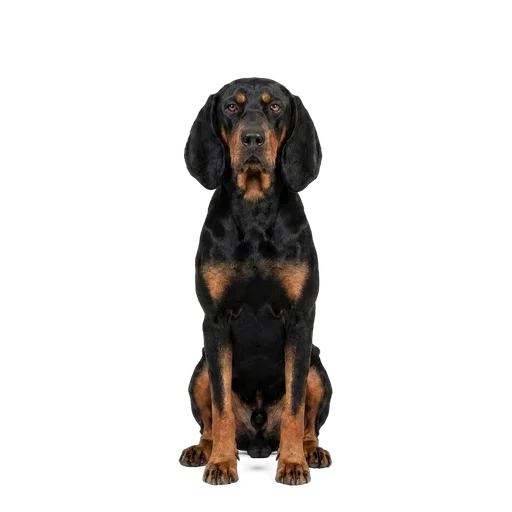
Origin: United States
Black and Tan Coonhound
Get reminders for your Black and Tan Coonhound's vaccines
Vaccination and parasite reminders, food-safety scans and health records — free to start in the Pethls app.


Good for
The Black and Tan Coonhound is one of the larger coonhound breeds, developed in the American South from Virginia foxhound and Bloodhound ancestry to trail raccoons through cold nights and rough country. At home he is a different dog entirely: mellow, friendly, and perfectly content to drape 40 kilos of hound across your couch. Put him on a scent, though, and he becomes relentless, following a trail with a booming bawl you can hear across the county. Most adults run 29 to 50 kg, with the largest males reaching around 45 kg, and typically live 10 to 12 years. He suits owners who can offer a securely fenced yard, tolerance for a loud voice and a little drool, and real commitment to ear care.
Temperament & personality
This is a hound of two speeds. Indoors, the Black and Tan is famously easygoing, patient with children, gentle with visitors, and happy to nap for hours after a good outing. He was bred to work in packs, so most get along well with other dogs, and many share homes peacefully with cats they were raised alongside. Small pets like rabbits are a riskier match given his hunting history.
Outdoors, the nose takes over. A Black and Tan on a fresh scent will ignore your calls, your treats, and oncoming traffic, which is why off-leash freedom is only safe in fenced areas. That signature bawl is loud and frequent, especially when he is bored or has treed a squirrel. Suburban neighbors will notice. Training works best with food, patience, and short sessions, because this breed was selected to make decisions a quarter mile from the hunter, not to hang on your every word.
He is not a needy dog, but he is a social one. Long days alone in a yard tend to produce a howling, digging escape artist. A walked, exercised, included Black and Tan is one of the calmest large dogs you will meet.
Vaccination schedule
Black and Tan puppies follow the standard core schedule: a DHPP combination vaccine (distemper, hepatitis/adenovirus, parainfluenza, parvovirus) starting at six to eight weeks, repeated every three to four weeks until at least 16 weeks of age. Most pups end up with three or four DHPP doses. Rabies is given once between 12 and 16 weeks, depending on local law, with a booster at one year and then every one to three years by product and jurisdiction.
After the puppy series, DHPP is boosted at one year and typically every three years afterward. Because so many Black and Tans hunt or hike in wooded, wet terrain, ask your vet about leptospirosis and Lyme vaccines. Lepto lives in standing water and wildlife urine, exactly where a working coonhound spends his weekends, so many vets strongly recommend both for hunting and hiking dogs even though they are classed as non-core, lifestyle-based vaccines.
Keep a record of dates and due boosters. Hunting clubs, boarding kennels, and groomers will ask for proof, and an overdue rabies vaccine can turn a minor bite incident into a legal headache.
Best food & diet
A breed whose adults span roughly 23 to 34 kg, with the biggest males heavier still, needs its diet matched to the individual, not the label average. Puppies should eat a large-breed growth formula with controlled calcium and calories. Slow, steady growth is one of the few tools you have against hip dysplasia, and a fat coonhound puppy is a joint problem waiting to happen. Keep pups lean enough that you can feel ribs easily.
Adults do well on a quality large-breed food fed in two measured meals per day. Hunting dogs may need 20 to 40 percent more calories in season and a cutback in the off-season; a less-active pet Black and Tan gains weight quietly and carries it badly on those hips.
Like many deep-chested breeds, this hound can develop bloat (gastric dilatation-volvulus), so a few feeding habits are worth building in. Split the daily ration into at least two meals, use a slow-feed bowl for gulpers, and avoid hard exercise for an hour after eating. If your dog goes under anesthesia for another procedure, ask your vet whether a preventive gastropexy makes sense. See the health section for the emergency signs.
Those long ears drag through food bowls. A narrow, deep bowl keeps ear leather out of the gravy and cuts down on skin irritation at the ear tips.
Common health problems
Hip dysplasia is the headline orthopedic issue. The hip socket forms poorly, cartilage wears, and arthritis follows, showing up as bunny-hopping, stiffness after rest, or reluctance to jump into the truck. Reputable breeders screen hips through OFA or PennHIP; ask to see results before you buy a puppy. Weight control and moderate exercise slow progression in affected dogs.
Chronic otitis externa is nearly a breed feature. Those long, heavy ears seal off the canal, trapping warmth and moisture that yeast and bacteria love. Watch for head shaking, odor, and brown discharge. Untreated infections thicken the canal permanently, so treat early and finish every course of medication your vet prescribes.
Ectropion, an outward-rolling lower eyelid inherited from the Bloodhound side, exposes the pink conjunctiva and lets debris collect. Mild cases just need occasional cleaning and lubricating drops; severe cases with recurring conjunctivitis can be corrected surgically.
Bloat (GDV) is the emergency to know cold in a large, deep-chested dog. A restless dog with a swelling belly, unproductive retching, and drooling needs an emergency clinic immediately, not a wait-and-see night. Minutes matter, and recognizing those signs early is what saves the dog.
Allergies & skin
The Black and Tan is not hypoallergenic. He sheds a moderate amount of short, dense coat year-round and produces the usual dander, plus a classic hound oiliness that allergy-prone humans notice quickly.
In the dog himself, allergies most often surface in the ears. If your hound has back-to-back ear infections despite good cleaning habits, environmental or food allergy is the likely driver, and treating the infections without addressing the allergy becomes an expensive loop. Paw licking, armpit staining, and belly rashes after romps through grass are other common signs.
Flea allergy dermatitis deserves special mention because a single bite can set off a week of chewing at the tail base. For a dog who works brushy terrain, that makes year-round flea prevention part of skin care, not just parasite control. Field dogs also pick up contact irritants like coarse grasses, lawn chemicals, and stagnant swamp water; a quick rinse and towel-dry after a hunt heads off a lot of hot spots.
Flea, tick & worm prevention
A coonhound's job description is essentially a tick's dream scenario: night work, tall grass, brush piles, and wildlife scent trails. Even pet Black and Tans who just hike on weekends carry heavy tick exposure, with Lyme disease, ehrlichiosis, and Rocky Mountain spotted fever all on the menu depending on region. Use a vet-recommended flea and tick preventive every month of the year, not just in summer. Isoxazoline chewables suit this breed well because collars can snag in brush.
Do a hands-on tick check after every outing, working ears (inside and out), armpits, groin, between toes, and under the collar. The ear leather on this breed hides ticks beautifully.
Heartworm prevention is non-negotiable across the US, monthly and year-round, with an annual test. Intestinal worms come with the territory for a dog whose nose lives on the ground; many monthly preventives cover roundworms and hookworms, and your vet will likely suggest a fecal exam once or twice a year, plus periodic tapeworm treatment if fleas or hunting exposure warrant it.
Medications & dosing
Nearly every veterinary drug is dosed by body weight, and this breed spans a wide range: a 23 kg female and a 40 kg male may need very different amounts of the same medication. Never guess your dog's weight or reuse a prescription written for a lighter dog. Have him weighed at the clinic at least yearly, and again before starting anything new.
For hips and arthritis, vets typically reach for NSAIDs such as carprofen or meloxicam, dosed precisely to weight and monitored with periodic bloodwork because long-term use taxes liver and kidneys. Joint supplements and omega-3 fatty acids are lower-risk additions worth discussing. Do not give human painkillers; ibuprofen and naproxen are toxic to dogs at doses people consider tiny.
Ear medications are the other staple in this breed. They only work with the full course: cleaning as directed, every scheduled dose, and the recheck appointment even if the ear looks better. Stopping early is the main reason coonhound ears become chronic, resistant problems. Keep a simple log of what was given and when, especially in a busy household where two people might each assume the other medicated the dog.
Grooming & coat care
Coat care is the easy part. The short, glossy black-and-tan coat needs a once-weekly session with a rubber curry or hound glove to lift dead hair and distribute oils. Shedding is moderate and steady rather than seasonal blowouts. Bathe every month or two, or after a particularly fragrant field trip; hound odor is real, and a gentle dog shampoo manages it without stripping the coat.
The ears are the actual grooming commitment. Check them at least weekly, and clean with a vet-approved ear cleaner whenever you see wax buildup, usually every one to two weeks. After swimming or a wet hunt, dry the ear canals gently. If you smell yeast or see your dog tilting and shaking his head, book a vet visit rather than reaching for leftover medication.
Round out the routine with nail trims every three to four weeks (active field dogs may wear nails naturally), a weekly tooth-brushing habit you ideally started in puppyhood, and a quick wipe of the eye corners if ectropion lets debris collect. Keep a drool towel by the door; you will use it.
How the Black and Tan Coonhound compares
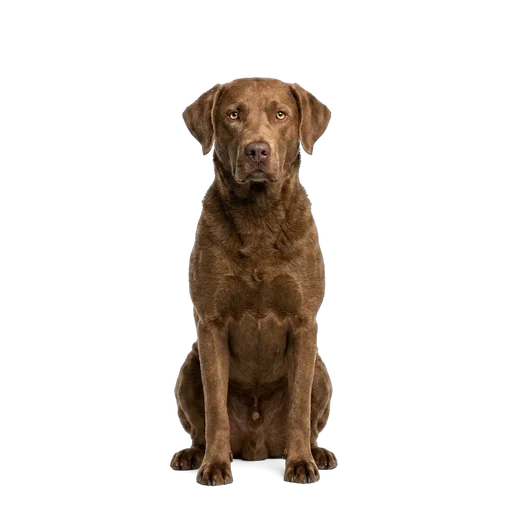
Deciding between similar breeds? Here is the Black and Tan Coonhound next to Chesapeake Bay Retriever and American Cocker Spaniel.
| Black and Tan Coonhound | Chesapeake Bay Retriever | American Cocker Spaniel | |
|---|---|---|---|
| Size | Large | Large | Medium |
| Weight | 29-50 kg | 25-36 kg | 9-14 kg |
| Lifespan | 10-12 yrs | 10-13 yrs | 10-14 yrs |
| Activity | Moderate | Active | Moderate |
| Shedding | Medium | Medium | Medium |
| Good with kids | Yes | Yes | Yes |
| Apartment-friendly | No | No | Yes |
Frequently asked questions
Are Black and Tan Coonhounds good family dogs?
Yes, for the right family. At home they are mellow, patient with kids, and sociable with other dogs. The trade-offs are a loud bawling bark, some drool, moderate shedding, and a nose that demands a fenced yard and leashed walks. Families wanting a quiet, off-leash-reliable dog should look elsewhere.
How much exercise does a Black and Tan Coonhound need?
Plan on 60 to 90 minutes daily, split between leashed walks and free running in a secure area. Sniff-heavy activities like tracking games satisfy them far more than the same minutes of plain walking. Exercised well, they are calm, borderline lazy housemates.
Why does my coonhound keep getting ear infections?
The breed's long, heavy ears trap heat and moisture in the canal, creating perfect conditions for yeast and bacteria. Weekly checks, regular cleaning, and drying the ears after swimming prevent most infections. If they still recur, ask your vet about underlying allergies, which drive many chronic ear cases.
Do Black and Tan Coonhounds bark a lot?
They do not bark so much as bawl, a deep, carrying howl bred to be heard from a mile away. Expect vocals when they scent wildlife, get bored, or are left alone too long. Training reduces nuisance noise, but a nearly silent Black and Tan is not a realistic goal, and close-quarters apartment living rarely works.
Are Black and Tan Coonhounds hypoallergenic?
No. They shed a moderate amount year-round and produce normal levels of dander plus typical hound-coat oils. Allergy sufferers generally react to them the same as to most short-coated breeds.
Related breeds

Health and care information is drawn from established veterinary sources and is general guidance, not veterinary advice. See our sources
Keep records for your Black and Tan Coonhound
Vaccinations, food and treat safety, allergy alerts and parasite reminders - all tracked for your Black and Tan Coonhound in the Pethls app.