

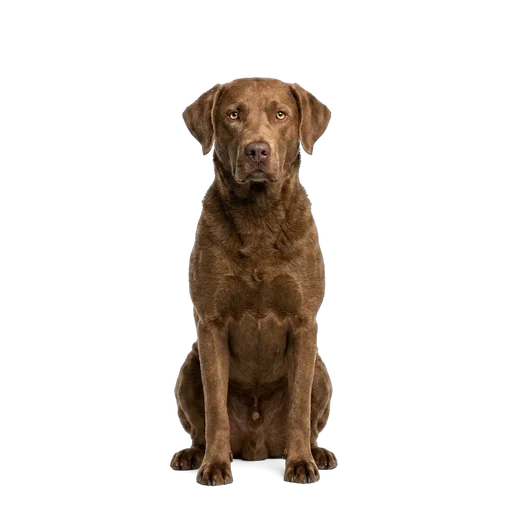
Origin: United States
Chesapeake Bay Retriever
Get reminders for your Chesapeake Bay Retriever's vaccines
Vaccination and parasite reminders, food-safety scans and health records — free to start in the Pethls app.


Good for
The Chesapeake Bay Retriever, or Chessie, is America's tough, no-nonsense water dog, bred along the harsh Chesapeake Bay to haul waterfowl out of icy, choppy water all day long. Where a Labrador is the friendly optimist of the retriever world, the Chessie is more serious, more reserved and more protective, a dog that thinks for itself and forms deep, loyal bonds with its own family. It is powerfully built and physically hard, with a distinctive oily, wavy coat that repels water and cold. This is a working dog that needs a job, real exercise and an owner who is calm, consistent and confident, which is why it suits experienced hands better than first-timers. Given all that, a Chessie is a devoted, courageous and deeply loyal partner.
Temperament & personality
The Chesapeake Bay Retriever is a bright, courageous and independent dog with a serious streak that sets it apart from the more happy-go-lucky retrievers. Chessies are intensely loyal to their families and often naturally protective, more inclined to be reserved or watchful with strangers than to greet everyone as a friend. That protectiveness is part of the breed's appeal, but it means early, thorough socialization is not optional; a well-socialized Chessie is discerning, while an under-socialized one can become suspicious.
This is a thinking dog with a strong will, bred to make its own decisions in tough conditions. Chessies are trainable and want a job, but they will test boundaries and do not respond well to harsh handling, which tends to make them stubborn or resentful. For all their toughness, Chessies are sensitive to their handler and read tone and mood closely, so they do best with an owner who is calm, confident and consistent, someone who sets clear rules and rewards cooperation rather than fighting for dominance. For this reason the breed is often recommended for people with some dog experience.
With their own family, including children, Chessies are affectionate and devoted, and they can live happily with other pets they have grown up with. They can be less automatically sociable with strange dogs than a Lab, and their protective nature and strength mean interactions with unfamiliar people and animals should be managed thoughtfully. Give a Chessie a purpose, plenty of exercise and fair, confident leadership, and you get one of the most loyal dogs there is.
Vaccination schedule
Chesapeake Bay Retriever puppies get the same core vaccines as any dog. The DHPP combination covers distemper, hepatitis (adenovirus), parvovirus and parainfluenza, and it is given in a series starting around 6 to 8 weeks of age and repeated every 3 to 4 weeks until the puppy is at least 16 weeks old. Finishing the full course is important, because antibodies from the mother can interfere with earlier doses and leave the puppy vulnerable to parvovirus.
Rabies is the other core vaccine and is legally required almost everywhere. It is usually given once between 12 and 16 weeks of age, boosted after one year, and then repeated every 1 to 3 years depending on the product and local law.
The Chessie's whole reason for being is water, so waterborne disease deserves attention. Leptospirosis, carried in ponds, rivers and wet ground, is well worth checking with your vet for a dog that swims and works wetlands. Bordetella (kennel cough) and canine influenza make sense for dogs that train, compete or spend time around other dogs. Your vet will build the final schedule around your Chessie's active, water-going lifestyle.
Best food & diet
Feed a complete, balanced diet appropriate to your Chessie's life stage and workload. Growing puppies do best on a large-breed puppy formula with controlled calcium and calories to encourage steady, moderate growth, which protects developing hips and elbows. Large-breed puppies that grow too fast put extra strain on soft, still-forming joints, and that stress is linked to a higher risk of hip and elbow dysplasia later on.
Adults are hard-working, muscular dogs whose calorie needs swing a lot with activity. A Chessie hunting or training in cold water burns serious energy, while the same dog on a quiet week can put on weight quickly. Feed measured meals twice a day and adjust to keep the dog lean and well-muscled; you should feel the ribs easily under that dense coat, which can hide a few extra pounds. Keeping a working dog at a healthy weight also eases the load on joints prone to dysplasia.
Like many deep-chested large breeds, the Chessie can run into bloat, so feed two or more smaller meals rather than one big one, slow down a fast eater with an appropriate bowl, and separate vigorous exercise or swimming from meals by an hour or so. Fresh water should always be available, and any diet supplement is best discussed with your vet first.
Common health problems
Chessies are a robust, hardy breed, but there are several conditions responsible owners watch for. Hip and elbow dysplasia, where the joints develop imperfectly and lead to arthritis, are the most common orthopedic problems, and good breeders screen breeding dogs with hip and elbow scoring. Progressive retinal atrophy, an inherited eye disease that gradually leads to blindness, is also present in the breed and can be screened for with a DNA test.
One condition to know specifically is exercise-induced collapse (EIC), a genetic disorder seen in the breed where affected dogs can become weak or collapse in the hind legs after intense exercise. There is a DNA test for it, so ask breeders about the status of the parents. Affected dogs can usually live well when their most strenuous activity is managed, but it is important to recognize and not push a dog through an episode.
The breed can also develop degenerative myelopathy, a slowly progressive disease of the spinal cord that causes gradual hind-limb weakness in older dogs and also has a DNA test available.
Bloat/GDV is another risk worth knowing (see the feeding tips under diet). Learn the warning signs so you can act fast: a distended belly, unproductive retching, drooling and obvious distress. Treat any of these as an immediate emergency. In short, the smartest health strategy is buying from a breeder who uses the available DNA and joint screening, and keeping up with regular veterinary care.
Allergies & skin
The Chesapeake Bay Retriever's coat is one of its most distinctive features: short, dense and wavy, with a natural oiliness that makes it water-resistant and gives it a slightly greasy feel and a faint doggy smell that is completely normal for the breed. That oil is a working feature, not a fault, and over-bathing strips it away, which can actually leave the skin drier and more irritated. Bathe sparingly to preserve the protective coat.
Chessies may develop allergies like any breed, whether environmental (atopic dermatitis from pollen, dust or mold) or, less often, food-related. Watch for itching, paw-licking, red skin and recurrent ear infections. Because these dogs spend so much time wet, drying them properly after swimming and rinsing off salt or pond water helps prevent skin irritation and hot spots under that dense coat.
The ears need routine attention too. A retriever that swims constantly is prone to trapped moisture and ear infections, so check and dry the ears regularly and clean them only with a vet-approved product when needed.
Flea, tick & worm prevention
An outdoor working dog that swims, hunts and moves through marsh and long grass needs steady, year-round parasite control. Use a vet-recommended flea and tick preventive, whether a monthly chew, a spot-on or a long-acting collar, and after time outdoors check thoroughly for ticks, running your fingers down to the skin through that dense coat and inspecting the ears, armpits, groin and toes. Prompt tick removal lowers the risk of tick-borne diseases like Lyme.
Worming handles internal parasites: roundworms, hookworms, whipworms and tapeworms. Puppies are wormed frequently, about every 2 to 3 weeks in the early weeks, then move to a regular adult schedule. A broad-spectrum wormer given on a routine keeps intestinal parasites under control.
Heartworm, spread by mosquitoes and potentially deadly, must be prevented in regions where it occurs. A monthly or yearly preventive is simple, while treating an established infection is difficult, costly and risky. Your vet will recommend the right combination of products and testing for your area and your dog's water-going lifestyle.
Medications & dosing
Medications for a Chesapeake Bay Retriever, from parasite preventives to antibiotics to pain relief, are dosed by body weight, so keep an accurate, up-to-date weight for your dog. Adult Chessies commonly weigh between about 25 and 36kg, and dosing correctly across that range keeps treatments safe and effective. Weigh your dog properly rather than guessing, and re-weigh a growing puppy regularly.
Human medications are not safe to hand out on your own. Painkillers such as ibuprofen and paracetamol are toxic to dogs, and even veterinary anti-inflammatories require the correct dose and monitoring of a dog's kidneys and liver. If your Chessie is being treated for a joint or neurological condition, follow the vet's dosing exactly and report any side effects rather than adjusting things yourself.
Always complete prescribed courses, especially antibiotics, even once your dog seems better, and keep a written record of what your dog takes and when. Store all medicines out of reach; a strong, curious Chessie is more than capable of getting into a bag or a cupboard left ajar.
Grooming & coat care
Grooming a Chesapeake Bay Retriever is refreshingly low-effort, which fits the breed's practical nature. The short, dense, wavy coat with its water-repellent oils needs only weekly brushing most of the year to remove loose hair and distribute those natural oils, with more frequent brushing during the heavier seasonal sheds when the undercoat comes out in earnest.
The big rule is to bathe sparingly. That oily coat is what keeps the dog warm and dry in cold water, and frequent shampooing strips the protection away and can dry out the skin. Bathe only when the dog is genuinely dirty, use a gentle dog shampoo, and let the coat re-establish its natural oils between baths. A quick rinse to remove mud, salt or pond scum, followed by proper drying, is usually all that is needed after a swim.
Round out the routine with regular ear checks and drying, since a constant swimmer is prone to ear infections, along with nail trims every few weeks and regular tooth brushing. It is a genuinely easy-care coat, but the ears earn extra attention because of all that time in the water.
How the Chesapeake Bay Retriever compares
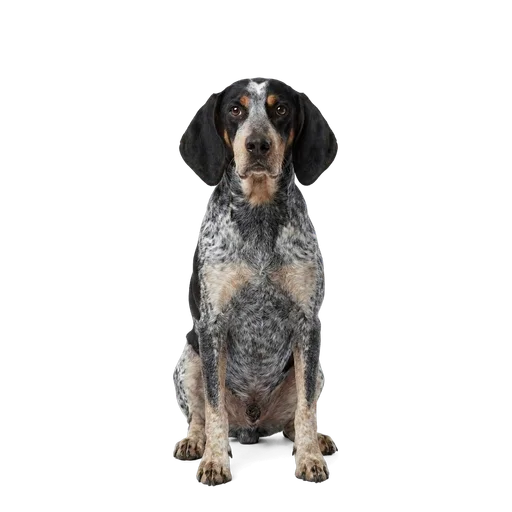
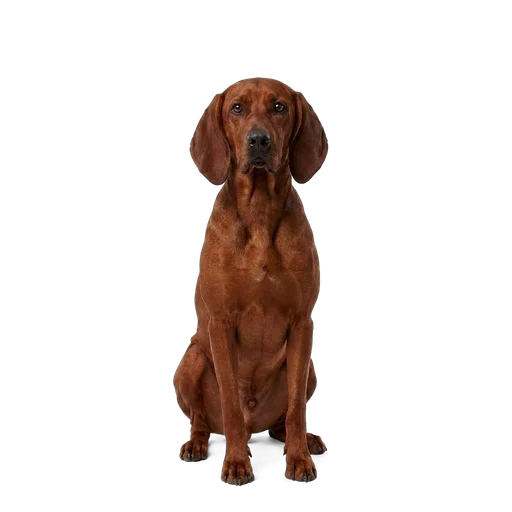
Deciding between similar breeds? Here is the Chesapeake Bay Retriever next to Bluetick Coonhound and Redbone Coonhound.
| Chesapeake Bay Retriever | Bluetick Coonhound | Redbone Coonhound | |
|---|---|---|---|
| Size | Large | Large | Large |
| Weight | 25-36 kg | 20-36 kg | 20-32 kg |
| Lifespan | 10-13 yrs | 11-12 yrs | 12-14 yrs |
| Activity | Active | Active | Active |
| Shedding | Medium | Medium | Medium |
| Good with kids | Yes | Yes | Yes |
| Apartment-friendly | No | No | No |
Frequently asked questions
What is the difference between a Chesapeake Bay Retriever and a Labrador?
Both are water retrievers, but the Chessie is more serious, reserved and protective, while the Lab is generally more outgoing and eager to please everyone. Chessies bond deeply with their own family, are more wary of strangers, and have an independent, self-thinking streak that makes them better suited to experienced, confident owners. Their oily, wavy coat also differs from the Lab's short, sleek one.
Are Chesapeake Bay Retrievers good for first-time owners?
Not usually. Chessies are intelligent, strong-willed and protective, and they need calm, confident and consistent handling along with early socialization and plenty of exercise. Owners with some dog experience tend to do best with the breed. A Chessie in the wrong hands can become stubborn or overprotective.
What is exercise-induced collapse in Chesapeake Bay Retrievers?
Exercise-induced collapse (EIC) is an inherited condition seen in the breed where a dog can become weak or collapse in the hind legs after intense exercise. There is a DNA test, so responsible breeders screen for it. Affected dogs can generally live well when their most strenuous activity is managed, and you should never push a dog through a collapse episode.
How often should you bathe a Chesapeake Bay Retriever?
As little as possible. The coat's natural oils are what make it water-resistant and warm, and frequent bathing strips them away and can dry out the skin. Bathe only when the dog is genuinely dirty, rely on brushing and quick rinses in between, and always dry the coat and ears well after swimming.
How much exercise does a Chesapeake Bay Retriever need?
A great deal. This is a hard-working water dog that needs one to two hours of vigorous activity daily, ideally including swimming, retrieving and a real job to do, plus mental challenges. A Chessie without enough exercise and purpose can become bored, frustrated and difficult to manage.
Related breeds
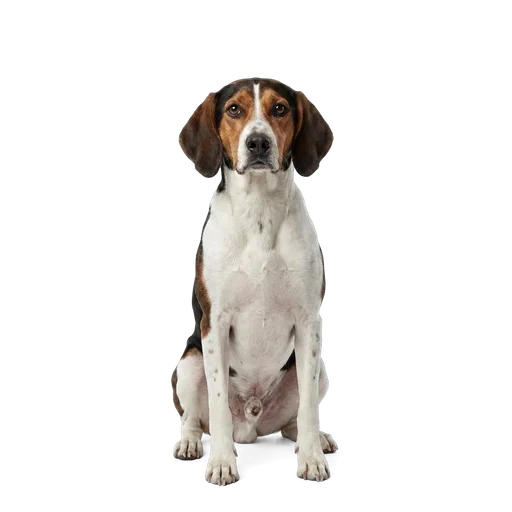
Health and care information is drawn from established veterinary sources and is general guidance, not veterinary advice. See our sources
Keep records for your Chesapeake Bay Retriever
Vaccinations, food and treat safety, allergy alerts and parasite reminders - all tracked for your Chesapeake Bay Retriever in the Pethls app.