

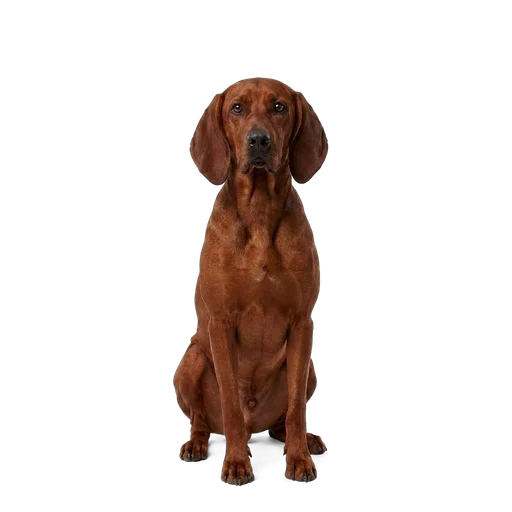
Origin: United States
Redbone Coonhound
Get reminders for your Redbone Coonhound's vaccines
Vaccination and parasite reminders, food-safety scans and health records — free to start in the Pethls app.


Good for
The Redbone Coonhound is the handsome, solid-red trailing dog immortalized in Where the Red Fern Grows, and the real breed lives up to the book. Redbones are even-tempered, openly affectionate and, by hound standards, genuinely eager to please, which makes them one of the more trainable coonhounds. Adults weigh roughly 20 to 32 kg and commonly live 12 to 14 years, often in sound health. They adore children, get along with other dogs and settle beautifully into family life, provided that family can supply daily exercise, a fenced yard and a sense of humor about baying. Underneath the sweetness is still a driven scent hound that will follow its nose out of the county if you let it.
Temperament & personality
Redbones are often called the sweethearts of the coonhound group, and it fits. They bond hard to their people, follow family members from room to room, and dispense affection with the full commitment of a lap dog. With children they are famously patient; the breed's steady, unflappable temperament handles kid chaos better than most hunting dogs, though a wagging tail at speed and full-body greetings mean toddlers need supervision. Bred to hunt in packs, they usually accept other dogs easily, and many do fine with cats they were raised alongside.
For a hound, the Redbone is refreshingly cooperative. They want to be near you and want you pleased with them, which gives trainers more leverage than the average coonhound offers. Even then, cooperative is relative. A Redbone still thinks with its nose first, learns fastest with food and patience, and shuts down under harsh handling. Short, upbeat sessions with real rewards beat drilling every time. Adolescence, roughly 8 to 18 months, tests everyone; hold the line on house rules and it passes.
Two things stay true of any hound. The voice comes first: Redbones own a rich, melodious bawl and use it, so apartments and noise-sensitive neighbors are poor matches. Second, the nose: a hot trail overrides recall, treats and your feelings. Off-leash freedom belongs inside a solid fence, and walks happen on leash or long line. Accept those two conditions and the Redbone is about as easy as coonhounds get.
Vaccination schedule
Redbone puppies need the core DHPP series covering distemper, hepatitis (adenovirus), parvovirus and parainfluenza. Shots start at 6 to 8 weeks of age and repeat every 3 to 4 weeks until at least 16 weeks, typically three or four doses total. Do not shortcut the final dose; maternal antibodies can block earlier shots, and the 16-week vaccine is often the one that truly protects. Until a week or two after that last dose, keep your pup away from dog parks and unknown dogs, since parvovirus survives in soil for months.
Rabies vaccination is legally required throughout the United States, with the first dose given between 12 and 16 weeks, a booster at one year, and then boosters every one to three years by state law and vaccine label. For a breed that trails raccoons, the classic rabies vector of the American Southeast, a current rabies certificate is genuinely protective, not just a license requirement.
Adults get a DHPP booster at one year and then every one to three years on your vet's plan. Leptospirosis is now a core vaccine recommended for every dog: it needs a two-dose puppy series and then an annual booster, unlike the every-one-to-three-years DHPP boosters. The risk runs especially high for a Redbone working creeks, swamps and farm ponds, which is why that yearly booster matters. Layer other non-core vaccines based on lifestyle: Bordetella and canine influenza for dogs that board, compete or train in groups, and the Lyme vaccine in tick-heavy regions. Record every vaccine in a health log so the booster reminder finds you before hunting season starts.
Best food & diet
A quality large-breed diet suits the Redbone at every stage. Puppies belong on large-breed puppy food, which caps calcium and calories so the skeleton grows slowly and evenly, one of the few levers you control against hip dysplasia. Adults doing pet-level exercise do well on a maintenance formula fed as two measured meals a day; hard-hunting dogs in season may need a higher-fat performance food to hold condition through long nights in the timber.
Obesity is the breed's most preventable health problem. A Redbone that hunts twice a year but eats like it hunts twice a week gets fat, and the extra load lands on hips built for a lean athlete. Measure meals with a scale or proper cup, keep treats under 10 percent of daily calories, and check body condition monthly: visible waist from above, tucked belly from the side, ribs easy to feel. If the dog is thickening, cut the ration by about 10 percent before the problem compounds.
Feed to lower bloat risk in a deep-chested dog this size. Split food into two or three meals rather than one large one, use a slow-feeder if your dog inhales dinner, and leave an hour before and after hard exercise. Skip cheap fillers and mystery meats; a well-known brand meeting AAFCO standards with named protein sources is a better bet than boutique experiments.
Common health problems
Redbones are one of the hardier purebred dogs around. Generations of selection for function over fashion left a breed that routinely reaches 12 to 14 years with few complaints. Most Redbone vet visits involve the same short list, and much of it is preventable.
Ear infections top that list. The long, hanging ears trap heat and moisture against the canal, and a hound that swims and pushes through wet brush multiplies the exposure. Watch for head shaking, ear scratching, redness, odor or discharge, and treat early, because chronic untreated otitis thickens and scars the canal permanently. A weekly ear check plus routine cleaning prevents the majority of cases.
Hip dysplasia occurs in the breed, though screening by reputable breeders has kept it in check better than in many large dogs. Signs range from a bunny-hopping gait in a young dog to stiffness after rest in a middle-aged one. Buy from parents with OFA or PennHIP clearances, keep growth slow in puppyhood, and keep the adult lean. If arthritis does develop, weight control plus vet-guided pain management keeps most Redbones comfortably active for years.
The third issue is the one owners create: obesity in under-exercised dogs. A bored, overfed Redbone gains weight quickly, and the extra kilos aggravate hips, stress the heart and shorten the lifespan the breed is famous for. The prescription is unglamorous and effective, daily exercise and measured meals. Know the bloat warning signs too: unproductive retching, a swelling abdomen and sudden distress mean an emergency vet trip immediately.
Allergies & skin
That gleaming red coat is short and sleek, but the Redbone is not hypoallergenic. The breed sheds moderately all year and produces normal levels of dander and saliva proteins, the actual triggers for allergic humans. If someone in the household has dog allergies, arrange extended time with an adult Redbone before bringing home a puppy.
Redbones themselves have fairly resilient skin, but allergies do occur. Environmental atopy shows up as itchy paws that get licked orange-red, a rashy belly after lying in grass, recurring hot spots and ears that flare up over and over. That last pattern matters: in hounds, chronic ear trouble is frequently allergy-driven, and cleaning alone never fixes it until the allergy is addressed. Food allergy is rarer and needs a proper elimination diet of 8 to 12 weeks with a prescription or truly novel protein, run under veterinary supervision.
Field work adds its own skin hazards. Briars nick ear tips and underbellies, grass awns burrow between toes, and wet-dog dermatitis can follow a swim if the coat stays damp against the skin. After outings, towel the dog dry, check paws, armpits, groin and ear leather, and clean small scrapes promptly. Flea allergy dermatitis deserves a mention too: one bite can keep a sensitized dog itching for weeks, so year-round flea control does double duty as skin care.
Flea, tick & worm prevention
A Redbone's natural habitat, creek bottoms, brushy fencerows and southern hardwoods, is also prime tick habitat, so this breed needs serious, year-round parasite prevention. Hunting hounds routinely come home carrying ticks, and each one is a potential dose of ehrlichiosis, Lyme disease, Rocky Mountain spotted fever or anaplasmosis. Ticks quest whenever temperatures rise above freezing, which in the Redbone's southern heartland means every month of the year.
Work with your vet to pick a modern preventive: oral isoxazolines given monthly or every 12 weeks, a long-acting collar, or a topical, chosen for your dog's actual exposure. Consistency beats product choice, so set the schedule and keep it. After every hunt or hike, do a hands-on tick sweep covering ears, eyelids, lips, armpits, groin and between the toes, and remove any tick promptly with fine tweezers, pulling straight out from the skin. In Lyme-endemic areas, discuss adding the Lyme vaccine.
Worming runs in parallel. Monthly heartworm prevention is non-negotiable in the mosquito-rich South, given every month of the year with an annual blood test to confirm it is working. A dog that noses carcasses and raccoon latrines meets roundworms, hookworms and whipworms constantly, so choose a heartworm product with intestinal coverage and run fecal checks once or twice yearly. Puppies get dewormed at 2, 4, 6 and 8 weeks of age, then monthly until 6 months. Put the whole cycle into a health log and let the reminders do the remembering.
Medications & dosing
All medication for a Redbone should be weight-based and vet-directed. The breed spans roughly 20 to 32 kg, and a dose sized for the top of that range can overshoot badly at the bottom, while an underdose of a parasite preventive quietly leaves the dog unprotected. Weigh your dog several times a year, especially through the fast growth of the first 18 months, and confirm the weight band every time you buy flea, tick or heartworm products.
Never give human painkillers. Ibuprofen and naproxen are toxic to canine kidneys and stomach lining, and acetaminophen is unsafe at anything but precise veterinary doses. If your Redbone comes home from a hunt sore or starts showing stiff hips in middle age, the answer is a vet visit and a canine-licensed NSAID with baseline and follow-up bloodwork, possibly alongside omega-3 fatty acids and joint supplements. Home-dosed leftovers from a previous prescription are a common cause of avoidable poisonings.
Finish what you start. Ear medication courses in particular fail when owners stop at the first quiet week, letting resistant organisms rebound; complete the prescribed days and return for the recheck so the vet can confirm the canal is truly clear. Keep a running medication log with drug names, strengths, doses and dates, and share it at every appointment, since accurate history is half of safe prescribing.
Grooming & coat care
The Redbone's grooming bill is one of the smallest in dogdom. That short, smooth red coat needs a weekly rubdown with a hound glove or rubber curry brush to pull dead hair and polish the shine everyone comments on. Shedding is moderate year round with heavier spells in spring and fall, when two or three quick brushings a week keep red hairs off the couch. Bathe every four to eight weeks or when the dog earns it; Redbones carry a mild hound scent that regular brushing keeps in check.
Ears demand the real attention. Long, pendant ears mean poor airflow, and poor airflow means infections unless you intervene. Look inside weekly, clean with a vet-approved ear solution every one to two weeks and always after swimming, which Redbones love. The technique: fill the canal, massage the base for 20 to 30 seconds, stand back for the shake, then wipe the visible canal and ear flap with cotton wool. Cotton buds pushed into the canal do more harm than good, so keep them out.
Nails need trimming every three to four weeks, since active hounds still rarely wear them down enough, and clicking on the floor means they are overdue. Brush teeth several times weekly with canine toothpaste to head off the dental disease that shortens comfortable senior years. After hunts, add a five-minute check of pads, ear tips and armpits for cuts, seeds and ticks. That is the entire regimen; the Redbone repays it with a coat that looks show-ready on ten minutes a week.
How the Redbone Coonhound compares
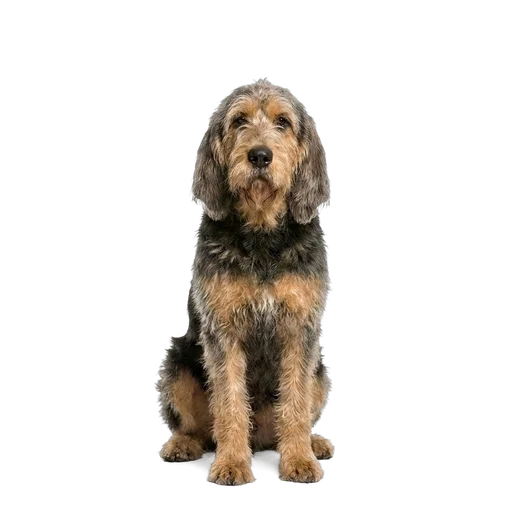
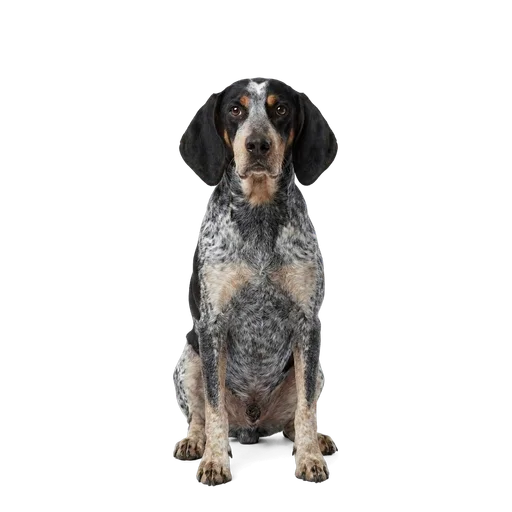
Deciding between similar breeds? Here is the Redbone Coonhound next to Otterhound and Bluetick Coonhound.
| Redbone Coonhound | Otterhound | Bluetick Coonhound | |
|---|---|---|---|
| Size | Large | Large | Large |
| Weight | 20-32 kg | 36-52 kg | 20-36 kg |
| Lifespan | 12-14 yrs | 10-13 yrs | 11-12 yrs |
| Activity | Active | Active | Active |
| Shedding | Medium | Medium | Medium |
| Good with kids | Yes | Yes | Yes |
| Apartment-friendly | No | No | No |
Frequently asked questions
Are Redbone Coonhounds good family dogs?
Yes, among the best of the hunting hounds. Redbones are even-tempered, affectionate and notably patient with children, and their pack-hound background makes them sociable with other dogs. The trade-offs are volume and exercise: they bay loudly, need a fenced yard and want an hour or more of daily activity. Families who can meet those needs get a devoted, gentle companion for 12 to 14 years.
Is the Redbone Coonhound the dog from Where the Red Fern Grows?
It is. Wilson Rawls's novel features Old Dan and Little Ann, a pair of Redbone Coonhounds, and the book fixed the breed in American memory. The real dogs match the portrayal reasonably well: brave, loyal, devoted to their people and relentless on a raccoon trail. Just remember the fictional pair worked for their keep; a modern pet Redbone still needs that outlet through exercise and nose games.
How much exercise does a Redbone Coonhound need?
About 60 to 90 minutes daily. Mix brisk leash walks or jogging with free running in a fenced area and scent-based games like tracking, food searches or formal nose work. The mental side matters: a Redbone that gets mileage but no sniffing will invent hobbies like recreational howling and yard excavation. A properly exercised Redbone, by contrast, is a calm and frankly lazy housemate.
Are Redbone Coonhounds easy to train?
Easy for a coonhound, moderate for a dog. Redbones genuinely want to please, which most scent hounds do not, so basic obedience comes along nicely with food rewards and short, cheerful sessions. But the nose still outranks you: no amount of training makes off-leash recall reliable near fresh scent trails. Train the skills, enjoy the cooperation, and still keep the leash on outside the fence.
Do Redbone Coonhounds have many health problems?
Fewer than most breeds their size. Redbones are generally hardy dogs living 12 to 14 years, with ear infections as the most frequent complaint, hip dysplasia present but reduced by breeder screening, and obesity in under-exercised dogs as the main lifestyle risk. Weekly ear care, lean body condition, daily exercise and year-round parasite prevention address nearly the whole list.
Related breeds

Health and care information is drawn from established veterinary sources and is general guidance, not veterinary advice. See our sources
Keep records for your Redbone Coonhound
Vaccinations, food and treat safety, allergy alerts and parasite reminders - all tracked for your Redbone Coonhound in the Pethls app.