

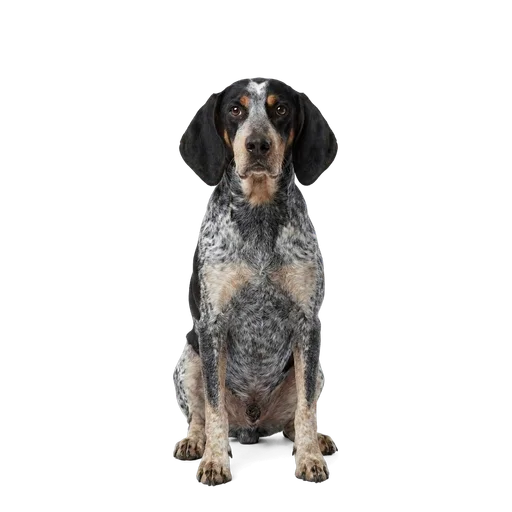
Origin: United States
Bluetick Coonhound
Get reminders for your Bluetick Coonhound's vaccines
Vaccination and parasite reminders, food-safety scans and health records — free to start in the Pethls app.


Good for
The Bluetick Coonhound is a striking American night hunter, built to trail raccoons through dark woods and announce every find with a long, drawn-out bawl you can hear across a valley. That blue-mottled coat makes the breed instantly recognizable, and underneath it sits a dog that weighs roughly 20 to 36 kg and typically lives 11 to 12 years. At home a Bluetick is affectionate, loyal and surprisingly cuddly, but on a scent trail obedience evaporates and the nose takes over. This is a breed for owners with a secure yard, time for real daily exercise (plan on 60 to 90 minutes a day) and tolerant neighbors. Give a Bluetick work for its nose and it becomes a devoted, easygoing housemate.
Temperament & personality
Blueticks live a double life. Indoors they are relaxed, people-oriented dogs that lean against your legs, claim the sofa and greet family members with a happy howl. Bred to run in packs, most get along well with other dogs, and many enjoy having a canine housemate to nap and roam with. With children they tend to be patient and gentle, though a full-grown Bluetick in motion can flatten a toddler by accident, so supervise play with small kids.
Outdoors the picture changes. This is a cold-nosed trailing hound, meaning it can follow scent trails that are hours old, and once locked onto a track your recall commands might as well be in another language. A Bluetick off leash in an unfenced area is a Bluetick heading for the horizon. Keep the dog on a long line or inside a fence at least 1.8 meters high, and check that fence regularly, because a bored hound will test it.
Then there is the voice. Blueticks bawl, chop and bay, and they do it with pride, at volume, sometimes at 3 a.m. because a possum crossed the yard. Apartment living almost never works for this breed. Training helps manage the noise but will not eliminate it; the voice is part of the package. Small pets like cats and rabbits can be risky housemates unless the dog was raised with them from puppyhood, since the breed carries a genuine prey drive.
Vaccination schedule
Bluetick puppies follow the standard core schedule. The DHPP combination vaccine, which covers distemper, hepatitis (adenovirus), parvovirus and parainfluenza, is given as a series starting at 6 to 8 weeks of age, then repeated every 3 to 4 weeks until the puppy is at least 16 weeks old. Most pups end up with three or four doses. That series matters enormously for a breed like this, because parvovirus is brutal on young hounds and hunting kennels see plenty of dog-to-dog contact.
Rabies is the other core vaccine and is required by law across the United States. The first dose is typically given between 12 and 16 weeks, with a booster one year later and then every one to three years depending on the vaccine used and your state's rules. For a hound that may encounter raccoons, skunks and other rabies vector species on a trail, staying current is not optional paperwork, it is real protection.
Adult Blueticks need a DHPP booster at one year, then every one to three years as your vet advises. Leptospirosis is now recommended for every dog as a core vaccine, so plan on it for your Bluetick regardless of lifestyle; it needs a 2-dose puppy series followed by an annual booster, unlike the every-one-to-three-years DHPP core boosters, and a hound working wet ground, ponds and creeks is exactly why staying current on that yearly booster matters. If your dog hunts, boards, trains with other hounds or mixes with strangers, also ask about non-core vaccines like Bordetella (kennel cough) and canine influenza. Keep a written record of every dose so you can plan the next booster before the due date, not after.
Best food & diet
Feed a Bluetick a high-quality large-breed formula matched to its life stage. Puppies should eat a large-breed puppy food specifically, because controlled calcium and calorie levels slow growth to a safe pace and reduce the risk of hip dysplasia developing in those first 18 months. An adult doing normal pet-dog exercise usually does well on a maintenance diet around 22 to 26 percent protein; a hound hunting hard through the season may need a performance formula with more fat and calories.
Portion control is where most owners slip. A Bluetick between hunts is a professional-grade beggar with soulful eyes, and extra weight loads exactly the joints this breed can least afford to stress. Weigh the food rather than scooping by eye, feed two measured meals a day, and run your hands over the ribs weekly. You should feel ribs easily under a thin layer of padding. If you cannot, cut portions by about 10 percent and recheck in two weeks.
As a precaution common to large, deep-chested dogs, structure mealtimes defensively to help reduce bloat risk. Split the daily ration into two or three meals, skip the single giant dinner, and keep hard exercise separated from food by at least an hour on either side. Slow-feeder bowls help gulpers. Fresh water should always be available, but discourage tank-draining sessions right after a run.
Common health problems
Blueticks are generally sound working dogs, but a few issues deserve attention. Start with chronic ear infections: those long, heavy, low-set ears trap moisture and debris, creating a warm, dark incubator for yeast and bacteria. Otitis externa is one of the most common reasons Blueticks visit the vet. Head shaking, scratching at the ears, a sour smell or brown discharge all mean it is time for an exam, and repeated infections need investigating rather than endless ointment cycles.
Next, hip dysplasia. This inherited malformation of the hip joint shows up in a meaningful share of the breed and leads to arthritis, stiffness after rest and reluctance to jump. Buying from a breeder who screens hips through OFA or PennHIP cuts the odds considerably. Keeping your dog lean, feeding large-breed puppy food and avoiding forced running on hard surfaces before skeletal maturity all reduce how badly it bites later.
Then there is lysosomal storage disease. Blueticks carry a rare, breed-linked neurological condition in which a missing enzyme lets waste products build up inside cells. Affected dogs show progressive tremors, loss of coordination and balance problems, usually starting young, and there is no cure. It is uncommon, but ask any breeder directly about the family history and whether relevant testing has been done on the parents.
Finally, as a general caution for any large, deep-chested dog, know gastric dilatation-volvulus, or bloat. The stomach can fill with gas and twist, and severe cases can become life-threatening within hours. Know the signs cold: unproductive retching, a swollen or drum-tight belly, drooling, pacing and obvious distress. This is a drive-to-the-emergency-clinic-now event, not a wait-and-see one. Discuss preventive gastropexy with your vet if your dog is already having spay or neuter surgery.
Allergies & skin
The Bluetick's short, glossy coat is easy to live with, but the breed is not hypoallergenic. These dogs shed a steady moderate amount of dander-carrying hair year round, so allergy sufferers should spend real time around an adult Bluetick before committing. No amount of bathing turns a coonhound into a low-allergen dog.
The dogs themselves may develop allergies too. Environmental triggers such as pollens and dust mites tend to show up as itchy paws, a red belly and groin, recurrent hot spots and, tellingly, repeat ear infections. If your Bluetick's ears flare up every few weeks despite good cleaning, an underlying allergy is a prime suspect, and treating the allergy is often what finally breaks the ear infection cycle. Food allergies are less common but present similarly, and diagnosing them requires a strict 8 to 12 week elimination diet under veterinary guidance, not a quick bag swap at the pet store.
Hunting hounds pick up extra skin trouble in the field: tick bites, briar scratches, and contact reactions from wading through weeds. After every outing, run your hands over the whole dog, checking armpits, groin, between toes and inside the ears. Small wounds cleaned promptly rarely become problems; missed ones become abscesses. Flea allergy dermatitis is also worth naming, because in a sensitized dog one flea bite can trigger weeks of itching, which is one more argument for the year-round prevention this breed needs anyway.
Flea, tick & worm prevention
If any breed argues for year-round parasite prevention, it is a coonhound. Blueticks work and play exactly where ticks live: brushy field edges, creek bottoms and hardwood timber. A single night hunt can leave a dog carrying dozens of ticks, and with them the risk of Lyme disease, ehrlichiosis, Rocky Mountain spotted fever and anaplasmosis. Skipping prevention in winter is a false economy, since adult ticks quest on any day above freezing.
Modern options work well. Oral isoxazoline products, dosed monthly or every 12 weeks depending on the brand, kill fleas and ticks fast, and long-acting collars or topical treatments suit some households better. Pick one with your vet based on your dog's exposure and stick to the calendar. For heavily hunted dogs, add a physical tick check after every outing, paying attention to the ears, eyelids, armpits and between the toes. In Lyme-endemic regions, ask your vet whether the Lyme vaccine makes sense on top of tick control.
Worms need equal discipline. Heartworm, spread by mosquitoes, is potentially fatal and expensive to treat, while prevention costs a few dollars a month; give it every month of the year without gaps and test annually. Intestinal worms are a constant occupational hazard for a dog that noses through raccoon latrines and carrion, so use a monthly preventive that also covers roundworms and hookworms, and run a fecal test once or twice a year. Puppies need deworming every two weeks from 2 to 8 weeks of age, then monthly until 6 months. A reminder on your phone keeps the whole rotation on schedule.
Medications & dosing
Every medication a Bluetick takes should be dosed by current body weight and directed by a veterinarian. That sounds obvious, but this breed spans roughly 20 to 36 kg, so the correct dose for a lean 22 kg female can be nearly half what a big 35 kg male needs. Weigh your dog a few times a year, and always before starting a new medication or buying the next box of parasite preventive, because the weight-band products only protect if you are in the right band.
Resist the temptation to raid the human medicine cabinet. Ibuprofen and naproxen cause kidney failure and stomach ulcers in dogs, acetaminophen has a narrow safety margin, and even dog-safe drugs go wrong at guessed doses. For the arthritis that dysplastic hips eventually bring, vets have proper tools: canine-licensed NSAIDs with periodic blood monitoring, joint injections, and omega-3 or glucosamine support. None of it should be improvised at home.
Two Bluetick-specific notes. Ear medications only work in clean ears, so if your vet prescribes drops for otitis, follow the cleaning instructions and finish the full course even after the head shaking stops, because half-treated infections come back meaner. And if your dog is ever diagnosed with a neurological issue such as lysosomal storage disease, any supportive medication plan will be highly individual; keep an exact written record of drugs, doses and responses so every vet who sees the dog has the full picture.
Grooming & coat care
Coat care is the easy part of owning a Bluetick. The short, dense, glossy coat needs a once-weekly session with a rubber curry brush or hound glove to lift dead hair and spread skin oils. Shedding is moderate and fairly steady, ticking up in spring and fall; during those weeks, brushing two or three times weekly keeps the blue-speckled fuzz off your furniture. Bathe only when the dog is dirty or has rolled in something memorable, roughly every four to eight weeks, using a mild dog shampoo. And yes, there is the famous houndy odor; regular brushing and sensible bathing manage it, but scent-sensitive households should meet the breed before buying.
Ears are where the real grooming work lives. Those long, pendulous ears block airflow and hold moisture, which is why otitis is the breed's signature complaint. Check inside the ears at least weekly, and clean them with a vet-approved ear cleaner whenever you see wax buildup, typically every one to two weeks, plus after every swim or bath. Fill the canal with cleaner, massage the base until it squelches, let the dog shake, then wipe out what surfaces with cotton wool. Never push cotton buds down the canal.
Round out the routine with nails every three to four weeks, trimmed short enough that they do not click on hard floors, and teeth brushed several times a week with dog toothpaste. Working dogs also benefit from a quick post-hunt once-over: check the paw pads for cuts and seeds, feel for ticks, and look at the ear tips, which briars love to nick. Ten minutes of maintenance after a hunt saves vet visits later.
How the Bluetick Coonhound compares
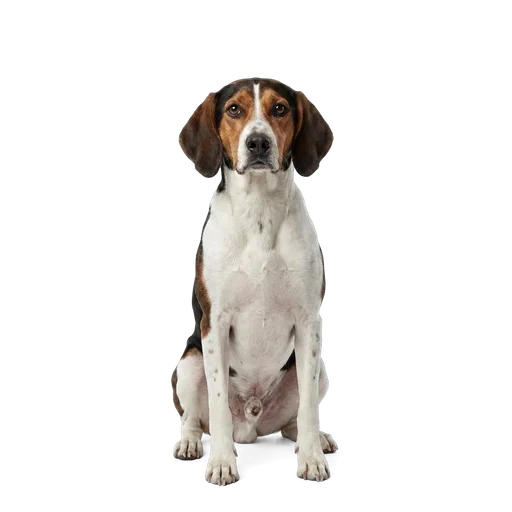
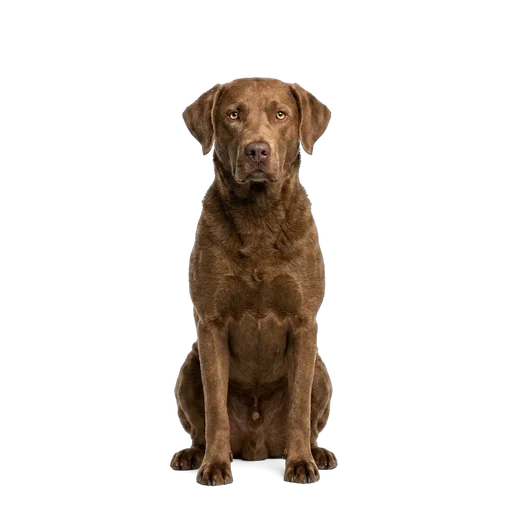
Deciding between similar breeds? Here is the Bluetick Coonhound next to Treeing Walker Coonhound and Chesapeake Bay Retriever.
| Bluetick Coonhound | Treeing Walker Coonhound | Chesapeake Bay Retriever | |
|---|---|---|---|
| Size | Large | Large | Large |
| Weight | 20-36 kg | 20-32 kg | 25-36 kg |
| Lifespan | 11-12 yrs | 12-13 yrs | 10-13 yrs |
| Activity | Active | Active | Active |
| Shedding | Medium | Medium | Medium |
| Good with kids | Yes | Yes | Yes |
| Apartment-friendly | No | No | No |
Frequently asked questions
Do Bluetick Coonhounds bark a lot?
They do not so much bark as sing. Blueticks were bred to bay loudly and continuously so hunters could follow them through dark woods, and that voice comes home with them. Expect bawling at squirrels, doorbells and interesting smells. Training and plenty of exercise reduce nuisance noise, but a quiet Bluetick is not a realistic goal, which is why the breed suits rural or suburban homes far better than apartments.
Can a Bluetick Coonhound be trusted off leash?
Almost never in an unfenced area. This is a cold-nosed scent hound that can lock onto a trail hours old, and once the nose engages, recall training loses. Even well-trained Blueticks have followed a deer line for miles. Use a long line for sniffy walks, a GPS collar if you hunt, and a secure fence of at least 1.8 meters at home.
How much exercise does a Bluetick Coonhound need?
Plan on at least 60 to 90 minutes of real activity daily: brisk leashed walks, jogging, fenced free running, or scent games like tracking and nose work. The nose work matters as much as the mileage, because a physically tired but mentally bored Bluetick will still howl and dig. An under-exercised Bluetick is loud, destructive and miserable; a well-exercised one is a couch-loving sweetheart.
What is lysosomal storage disease in Bluetick Coonhounds?
It is a rare inherited neurological condition linked to the breed, in which a missing enzyme lets cellular waste accumulate in nerve tissue. Affected dogs, usually young, develop progressive tremors, wobbliness and loss of coordination, and there is no cure. It remains uncommon, but ask breeders directly about the condition in their lines and about health testing on both parents before you commit to a puppy.
Why does my Bluetick keep getting ear infections?
Blame the ears themselves: long, heavy flaps that seal off the canal and trap warmth and moisture, ideal for yeast and bacteria. Weekly checks and regular cleaning with a vet-approved solution, plus a cleaning after every swim, prevent most flare-ups. If infections still recur every few weeks, ask your vet to investigate underlying allergies, because in many hounds recurrent otitis is really an allergy wearing a disguise.
Related breeds
Health and care information is drawn from established veterinary sources and is general guidance, not veterinary advice. See our sources
Keep records for your Bluetick Coonhound
Vaccinations, food and treat safety, allergy alerts and parasite reminders - all tracked for your Bluetick Coonhound in the Pethls app.