

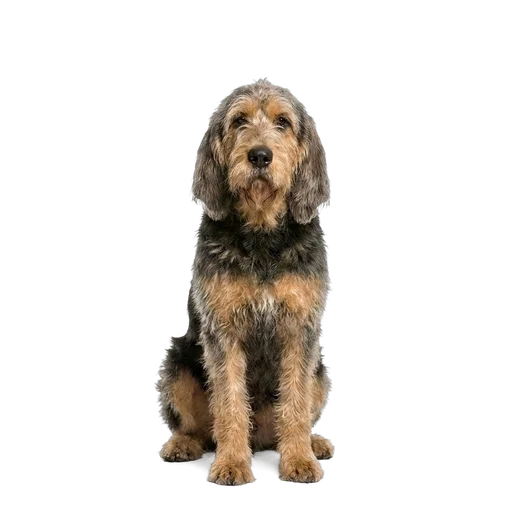
Origin: United Kingdom
Otterhound
Get reminders for your Otterhound's vaccines
Vaccination and parasite reminders, food-safety scans and health records — free to start in the Pethls app.


Good for
The Otterhound is one of the rarest dog breeds in the world, with an estimated population of only a few hundred to a thousand worldwide, which makes every one of these big shaggy water hounds something of a living piece of British history. Bred in England to hunt otters in cold rivers, this is a large, boisterous dog of 36 to 52kg with webbed feet, an oily double coat and a booming bass voice the whole street will learn to recognize. Otterhounds are amiable, independent and endlessly fond of water, but they are not tidy housemates; expect wet beards, muddy paws and a certain cheerful chaos. With a lifespan of 10 to 13 years and a handful of breed-specific health concerns, including a documented bleeding disorder, they suit experienced owners who value character over polish.
Temperament & personality
Otterhounds are friendly, easy-going and remarkably even-tempered for such a big dog. They were bred to work in packs, so most get along well with other dogs and enjoy company, canine or human. That pack heritage also means they rarely show guarding behavior; an Otterhound is far more likely to greet a stranger with a wagging tail and a slobbery beard than with suspicion. Their booming voice sounds intimidating, but it is usually just conversation.
Independence is the trait that catches new owners off guard. A scent hound bred to follow an otter's trail for hours had to think for itself, and the modern Otterhound still does. Training works, but it works slowly and on the dog's terms. Recall around water or an interesting scent is never fully reliable, so a secure garden and a long line on walks are sensible precautions for life.
Around the house they are affectionate without being clingy, happy to flop near the family after a good walk. They tend to be patient with children, though a boisterous near-grown dog can flatten a toddler without meaning to, so supervision matters with small kids. Anyone who needs a pristine home should look elsewhere: Otterhounds drink messily, shake water everywhere, snore and track in half the garden. Their fans consider all of this part of the charm.
Vaccination schedule
Otterhound puppies follow the standard canine schedule. The core combination vaccine, often written as DHPP, covers distemper, hepatitis (adenovirus), parvovirus and parainfluenza. Puppies typically receive their first dose at 6 to 8 weeks, a second at 10 to 12 weeks and a third at 14 to 16 weeks. The series matters because maternal antibodies fade at different rates in different pups; a single early jab can be neutralized before it does any good.
Rabies vaccination is given from 12 weeks of age where it applies. In the UK it is only mandatory for travel under a pet passport or animal health certificate, so if you ever plan to take your hound abroad, arrange the rabies jab and the waiting period well in advance. Rules differ from country to country: some require rabies by law, usually with a booster one year later and then every one to three years depending on the vaccine, so check the requirements wherever you live or travel.
Adults need a DHPP booster at around one year, then boosters every one to three years based on your vet's protocol. Because Otterhounds are social dogs that often attend group walks or occasionally boarding kennels, ask your vet about leptospirosis and kennel cough (Bordetella) as well; leptospirosis is a particularly reasonable add-on for a breed that spends so much time in ponds, rivers and wet ground where the bacteria thrive.
Best food & diet
A large, active hound of 36 to 52kg needs a quality diet formulated for large breeds. During puppyhood this is not optional: large-breed puppy food controls calcium and energy density so the skeleton grows at a steady rate, which helps protect joints in a breed already prone to hip and elbow dysplasia. Keep puppies lean and let them grow slowly, since carrying extra weight while the skeleton is still forming sets up joint problems later.
Adult Otterhounds do well on two measured meals a day rather than one big one, and this feeding pattern is also part of bloat prevention. Gastric dilatation-volvulus is a documented risk in the breed, so avoid feeding immediately before or after hard exercise or swimming, discourage gulping with a slow-feeder bowl if your dog inhales food, and split the daily ration. Whether raised bowls help or harm is still debated.
Watch body condition closely. That shaggy coat hides weight gain beautifully, so use your hands: you should feel ribs easily under the coat without pressing hard. An overweight Otterhound loads already vulnerable hips and elbows and loses years of comfortable mobility. Treats count, and a dog this charming will campaign hard for them, so weigh food rather than eyeballing it.
Common health problems
The condition every Otterhound owner must know about is Glanzmann thrombasthenia, an inherited platelet function disorder documented in the breed. Affected dogs have platelets that cannot clot properly, so a routine spay, dental or injury can turn into serious bleeding. A DNA test exists, and responsible breeders test their stock. If your dog's status is unknown, ask your vet about testing before any planned surgery, and mention the breed's bleeding risk to any new vet you see.
Hip and elbow dysplasia both occur in the breed. These are developmental joint conditions where the joint forms imperfectly and wears into arthritis. Signs include stiffness after rest, a bunny-hopping gait, reluctance on stairs or a subtle drop in enthusiasm for walks. Good breeders hip and elbow score their breeding dogs; as an owner, your best tools are lean body weight, sensible exercise on soft ground while growing, and early veterinary input if you spot lameness.
Gastric dilatation-volvulus, or bloat, is a genuine emergency in deep-chested breeds like this one. The stomach fills with gas and can twist, cutting off its own blood supply. A dog that is restless, drooling, retching without producing anything, or developing a swollen belly needs a vet immediately, at any hour. Minutes matter. Learn the signs before you ever need them.
Those wonderful heavy, hairy ears are the breed's everyday weak spot. They trap moisture, especially in a dog that swims at every opportunity, and ear infections are common. Beyond the ears, keep an eye on skin folds under the beard and check the coat regularly after river swims. With sensible care, screening and a bit of luck, Otterhounds typically live 10 to 13 years.
Allergies & skin
The Otterhound is not a hypoallergenic breed. The rough double coat sheds moderately year-round, and the dander, saliva and oil that trigger human allergies are all present in generous quantities on a dog that shakes river water over the kitchen. Allergy sufferers should spend real time with an adult Otterhound before committing.
The breed's own skin is generally sturdy, protected by a naturally oily, water-resistant coat. That oil is functional, so avoid over-bathing; frequent shampooing strips it and can leave the skin dry and itchy. A few baths a year plus rinsing off after muddy or algae-heavy swims is usually plenty, always with a mild dog shampoo.
Where problems do appear, moisture is usually the culprit. Hot spots (acute moist dermatitis) can flare under a coat that stayed damp, and yeasty skin or ear irritation follows the same pattern. Towel your dog properly after swimming, part the coat to let air reach the skin, and check armpits, groin and under the ears where damp lingers. Persistent scratching, redness or a musty smell deserves a vet visit rather than home remedies, since untreated skin infections spread fast under dense coat.
Flea, tick & worm prevention
An Otterhound's lifestyle is practically designed for parasites: dense coat, wet undergrowth, rivers and long grass. Year-round flea and tick prevention is essential, not optional. The catch with this breed is water. Frequent swimming can wash off some spot-on treatments, so many Otterhound owners prefer oral chewable products in the isoxazoline family, which cover fleas and ticks from the inside and are unaffected by how often the dog swims.
Tick checks still matter even with good prevention, because ticks in long UK grass carry Lyme disease and other infections. After country walks, run your fingers through the coat against the grain, paying attention to ears, armpits, groin and between the toes of those webbed feet. Finding a tick in this much hair takes patience; remove any you find with a proper tick hook, twisting rather than pulling.
Worming should also be regular. Puppies need frequent treatment for roundworms, typically every two weeks until 12 weeks old and then monthly to six months. Adults are usually wormed every one to three months depending on lifestyle, and a dog that swims, scavenges or shares a home with children sits at the more frequent end. Lungworm, spread by slugs and snails, is an increasing UK concern and not covered by every product, so check that your parasite plan includes it.
Medications & dosing
All medication for an Otterhound must be dosed by weight and directed by a vet, and in this breed that principle carries extra force. With adults ranging from 36 to 52kg, two Otterhounds in the same household can need meaningfully different doses of the same drug. Never estimate; use a recent, accurate weight, which for a dog this size usually means the walk-on scales at the vet practice rather than bathroom-scale arithmetic.
Glanzmann thrombasthenia changes the medication conversation for this breed. Drugs that affect platelet function, including aspirin and some other NSAIDs, could be dangerous in an affected dog, and any medication plan around surgery needs the dog's bleeding status factored in. Tell every vet who treats your Otterhound about the breed's documented clotting disorder, ideally with a DNA test result in the clinical notes.
Never give human painkillers such as ibuprofen or paracetamol on your own initiative; both can be toxic to dogs and the risk calculation is worse in a breed with a possible bleeding disorder. For routine treatments like flea, tick and worming products, weigh the dog before buying, since large-breed products are banded by weight and an Otterhound can sit near the top of, or above, a standard band. Store chewable medications well out of reach, because a food-motivated hound with a good nose will happily eat a month's supply in one sitting.
Grooming & coat care
The Otterhound wears a rough, oily double coat: a coarse, weather-resistant outer layer over a woolly insulating undercoat, the whole system built to shrug off cold river water. It sheds moderately rather than heavily, but what it lacks in loose hair it makes up for in maintenance. Plan on a thorough weekly brushing session with a slicker brush and a wide-toothed comb, working right down to the skin. Surface brushing looks fine for a day while mats quietly form underneath, especially behind the ears, in the armpits, on the breeches and around the collar area.
The beard is a daily project. It collects food, pond water, drool and whatever was in the last puddle, and left alone it becomes smelly and matted. A quick rinse or wipe after meals and a proper beard wash every few days keeps both dog and furniture considerably more pleasant. Many owners keep a dedicated beard towel by the water bowl and accept that this is simply Otterhound life.
Bathing should be infrequent to protect the coat's natural oil, and the coat should never be clipped short unless there is a medical reason, since clipping can alter the texture and strip the weatherproofing that took generations to breed in. Hand-stripping or light tidying keeps the outline shaggy but functional. The rest of the routine is standard: nails trimmed every few weeks, teeth brushed regularly, and ears checked and dried after every swim, which for this breed means often. Ear care is genuinely the most important grooming habit an Otterhound owner can build.
How the Otterhound compares
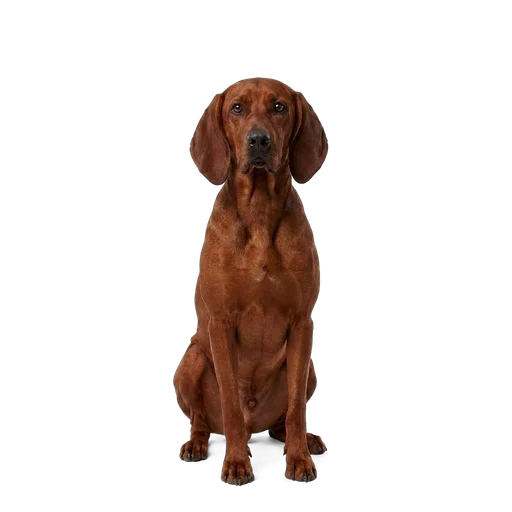
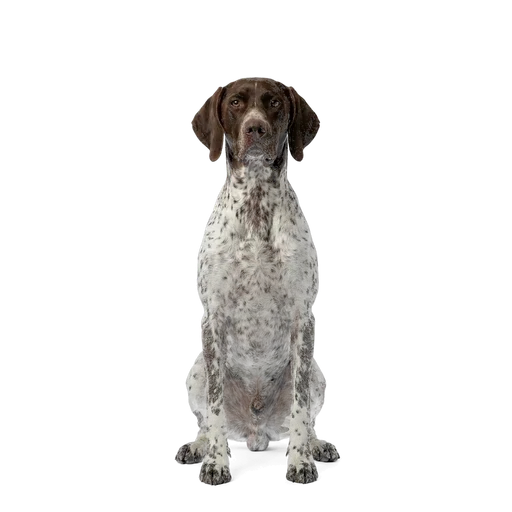
Deciding between similar breeds? Here is the Otterhound next to Redbone Coonhound and Pointer.
| Otterhound | Redbone Coonhound | Pointer | |
|---|---|---|---|
| Size | Large | Large | Large |
| Weight | 36-52 kg | 20-32 kg | 20-34 kg |
| Lifespan | 10-13 yrs | 12-14 yrs | 12-17 yrs |
| Activity | Active | Active | Active |
| Shedding | Medium | Medium | Low |
| Good with kids | Yes | Yes | Yes |
| Apartment-friendly | No | No | No |
Frequently asked questions
How rare is the Otterhound really?
Genuinely rare. Fewer than 1000 Otterhounds are thought to exist worldwide. In the UK, its home country, only a few dozen puppies are registered with the Kennel Club in a typical year. Expect a waiting list and a breeder who interviews you as thoroughly as you interview them.
Do Otterhounds make good family pets?
For the right family, yes. They are amiable, patient and fond of children, and their pack background makes them sociable with other dogs. The trade-offs are size, mess and independence: they are big, wet, hairy and selectively deaf when a scent appears. Families wanting a tidy, obedient dog will be frustrated; families wanting a good-natured character will be delighted.
What is Glanzmann thrombasthenia and should I test my Otterhound?
It is an inherited bleeding disorder documented in the breed, where platelets cannot form clots properly. Affected dogs can bleed dangerously during surgery or after injury. A DNA test is available, and testing is strongly recommended before any planned operation, including neutering. Good breeders test their breeding stock, so ask to see results before buying a puppy.
How much exercise does an Otterhound need?
Around one to two hours a day for an adult, ideally with variety: walks, sniffing time and, if you can offer it safely, swimming, which they adore. They are more marathoner than sprinter, happy to plod for hours. Growing puppies need much less structured exercise to protect developing hips and elbows, so build distance gradually over the first 18 months.
Can an Otterhound live in a flat or apartment?
It is a poor fit. Beyond the sheer size of a 36 to 52kg dog, Otterhounds have a booming, carrying voice they like to use, which neighbors through a shared wall will not appreciate. They do best with a securely fenced garden, tolerant neighbors and easy access to open country or water.
Related breeds
Health and care information is drawn from established veterinary sources and is general guidance, not veterinary advice. See our sources
Keep records for your Otterhound
Vaccinations, food and treat safety, allergy alerts and parasite reminders - all tracked for your Otterhound in the Pethls app.