

Origin: Belgium
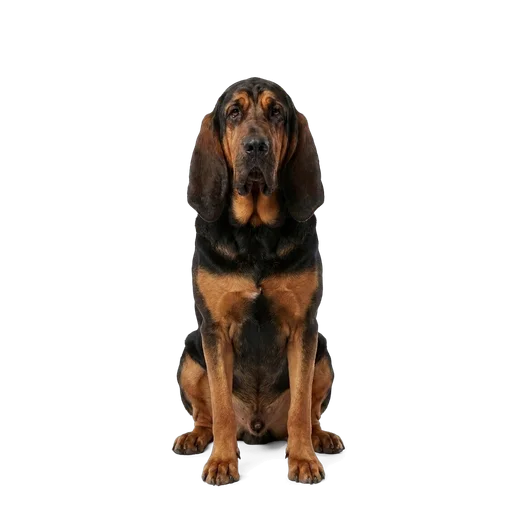
Bloodhound
Get reminders for your Bloodhound's vaccines
Vaccination and parasite reminders, food-safety scans and health records — free to start in the Pethls app.


Good for
The Bloodhound is the great scent hound of the dog world, a large, wrinkled tracker descended from the St. Hubert Hound of Belgium and France and refined into its modern form in Britain, with a nose so accurate that its trailing work can be admitted as evidence in some courts. Behind that famous sense of smell is a gentle, friendly, remarkably patient dog that adores people and is wonderfully tolerant with children. It is also deeply stubborn and, once it locks onto a scent, will follow it for miles with complete disregard for your calls, which is why a Bloodhound must always be leashed and kept behind secure fencing. Owners sign up for plenty of drool, a strong houndy smell and long ears that need regular care. This is a big, loving, high-maintenance hound best suited to patient people who understand what they are taking on.
Temperament & personality
Bloodhounds are famously easygoing and affectionate. They are gentle giants at home, calm and mellow with their families, and their patience with children is one of the breed's best-loved traits. They tend to get on well with other dogs and with pets they are raised alongside, and their friendly nature makes them poor guard dogs despite their imposing size.
That sweet temperament comes wrapped in serious stubbornness. Bred to work a trail independently for hours, the Bloodhound is single-minded and self-directed, and training takes real patience, humor and consistency. Harsh methods get you nowhere; short, rewarding sessions and reasonable expectations get you much further. Even a well-trained Bloodhound will choose its nose over your voice when a scent appears.
The nose rules everything. Once a Bloodhound catches an interesting smell it can go effectively deaf to the world and follow the trail for miles, oblivious to traffic or distance. For that reason it should never be off-lead in an unsecured area, and any garden needs tall, solid, escape-proof fencing. They are patient and adaptable indoors but are not a good match for first-time owners or for anyone without space and a strong fence.
Vaccination schedule
Bloodhound puppies receive the same core vaccines as any breed. The DHPP combination covers distemper, hepatitis, parvovirus and parainfluenza and is given as a course beginning at about 6 to 8 weeks, repeated every 3 to 4 weeks until around 16 weeks old. The repeated doses matter because protection passed from the mother can block a single early vaccine.
Rabies is given once between 12 and 16 weeks where the law requires it, then boosted at a year and every 1 to 3 years after that depending on the vaccine and local regulations. Keep your puppy away from unvaccinated dogs and public dog areas until the full series is done.
Leptospirosis is now recommended as a core vaccine for every dog, given as a 2-dose puppy series followed by an annual booster rather than the every-3-year interval used for DHPP. Because Bloodhounds work and roam outdoors, often through fields, woodland and water, their exposure risk is higher, which is exactly why that yearly lepto booster matters. Non-core vaccines depend on how your Bloodhound lives, including Bordetella and canine influenza for dogs that board or mix with others. Your vet will confirm the plan and adult booster intervals to fit your area.
Best food & diet
Bloodhounds are among the heaviest hounds, so they need a complete, quality diet built for large breeds, with a named meat protein leading the ingredients. Match the amount to the individual dog's activity, and keep less active adults lean, since extra weight strains the joints of a dog this heavy. Some Bloodhounds react to ingredients such as beef, chicken or wheat, so watch for skin or digestive signs and adjust with veterinary guidance if they appear.
Feeding routine is a genuine safety issue in this breed because like many deep-chested breeds, Bloodhounds can be affected by bloat, or gastric dilatation-volvulus, where the stomach fills with gas and can twist. To lower the risk, feed two or three smaller measured meals a day rather than one large one, avoid vigorous exercise for an hour or so before and after eating, and don't let the dog gulp huge amounts of water in one go right after food. Many owners of deep-chested breeds also discuss a preventive stomach-tacking surgery, called gastropexy, with their vet.
Because bloat can kill within hours, every Bloodhound owner should know the warning signs: a swollen or hard belly, unproductive retching, restlessness, drooling and obvious distress. That is an immediate emergency. Feed slowly, keep water available in sensible amounts, and keep the dog lean to protect both stomach and joints.
Common health problems
Bloat, or gastric dilatation-volvulus, is one of the most dangerous emergencies in dogs, especially deep-chested ones. The deep chest makes twisting of the gas-filled stomach a real threat, and it progresses to a life-threatening state within hours. Prevention centers on smaller meals, calm feeding and, for many owners, a preventive gastropexy. Learn the signs, because fast surgery is the only cure once it happens.
Those long, low-hanging ears look wonderful but trap moisture and air, so chronic ear infections are common and worth checking with your vet. The heavy facial wrinkles are prone to skin fold dermatitis, where moisture and bacteria collect in the folds and cause soreness and infection. Both are managed by keeping the ears and folds clean and dry as a routine, not just when trouble appears.
The breed's loose facial skin also affects the eyelids. Entropion, where the lid rolls inward and the lashes rub the eye, and ectropion, where the lid droops outward and exposes the eye, both turn up in dogs with loose facial skin and can need surgical correction if they cause pain or damage. On top of that, like many large and giant breeds, they sometimes run into hip and elbow dysplasia, so buy from breeders who screen for joint health.
Allergies & skin
Skin care is a bigger job in the Bloodhound than in most breeds, thanks to those deep wrinkles and folds. Moisture, food and bacteria gather in the folds around the face and neck and lead to skin fold dermatitis, which shows as redness, odor, soreness and sometimes infection. The answer is routine: wipe and dry the folds regularly and keep them clean, treating this as part of everyday care rather than waiting for a problem.
On top of that, like many dogs, Bloodhounds can run into ordinary allergies to environmental triggers such as dust mites, and to foods such as beef, chicken and wheat. These show up as itching, ear trouble and irritated skin. If your dog is persistently itchy or keeps getting ear or skin infections, your vet can help sort an environmental cause from a food one, sometimes with a proper elimination diet.
The ears deserve their own mention because the long flaps limit airflow and hold moisture, which fuels recurrent infections. Regular ear cleaning and thorough drying, especially after the dog has been in water or out in the rain, prevents a lot of misery. Any bad smell, head-shaking or discharge from an ear should prompt a vet check.
Flea, tick & worm prevention
Bloodhounds spend serious time nose-down in grass, undergrowth and woodland, which is prime territory for fleas and ticks. Keep yours on a reliable year-round preventive suited to your region, be it a monthly chew, a spot-on or a long-acting collar. In tick-heavy areas this is especially important given how much these dogs work through vegetation where ticks wait.
Worming handles the internal parasites, roundworms, hookworms, whipworms and tapeworms. Puppies are wormed frequently, typically every 2 weeks until 12 weeks of age, then monthly until about 6 months, after which most adults move to a treatment every 3 months. A dog that scavenges or eats what it finds on a trail may need worming more often.
Where heartworm occurs, year-round heartworm prevention is essential because mosquitoes spread it and treatment is difficult and risky compared with prevention. Combination products that cover fleas, worms and heartworm in a single monthly dose make life simpler. Your vet will tailor the exact products to your climate and your Bloodhound's outdoor habits.
Medications & dosing
Medications for dogs are dosed by body weight, and with a Bloodhound that weight is considerable, up to 50 kilograms in a big male. Accurate weighing at the clinic is important so that wormers, preventives, antibiotics and pain relief are dosed correctly rather than estimated, and it should be repeated as growing puppies gain size fast.
Only give medication your vet has prescribed, and complete any full course of antibiotics even after symptoms improve. Never use human painkillers such as ibuprofen or paracetamol, which are poisonous to dogs. Because Bloodhounds are a deep-chested, bloat-prone breed, mention that to your vet whenever anaesthesia or sedation is planned, as it affects how procedures are managed.
Keep a simple log of what you give and when, including monthly parasite preventives and any treatment for ear or skin infections, which these dogs need fairly often. If your Bloodhound is on medication for a long-term issue, follow the recommended check-ups so doses can be reviewed against the dog's weight and condition.
Grooming & coat care
The Bloodhound's short, dense coat is easy on its own, needing only a weekly brush with a rubber mitt or hound glove to lift loose hair and keep it healthy. Shedding is moderate. Where the real grooming work lies is not the coat but the ears, the wrinkles and the drool, which together make this a higher-maintenance breed than the short hair suggests.
Ear care and fold care are the two routines to build into every week. Clean the long ears with a vet-approved cleaner and dry them properly to head off the infections the breed is prone to, and wipe out the facial folds to keep them clean and dry against skin fold dermatitis. Bloodhounds also drool a great deal, so keeping the mouth folds and neck clean, and having a towel handy, is simply part of life with one.
Finish with the usual basics: trim the nails on these heavy dogs every few weeks, brush the teeth regularly, and bathe when the houndy odor or a muddy trail calls for it. During grooming, run your hands over the skin, check the eyes for any lid rolling or drooping, and look over the folds and ears so small problems are caught before they turn into infections.
How the Bloodhound compares
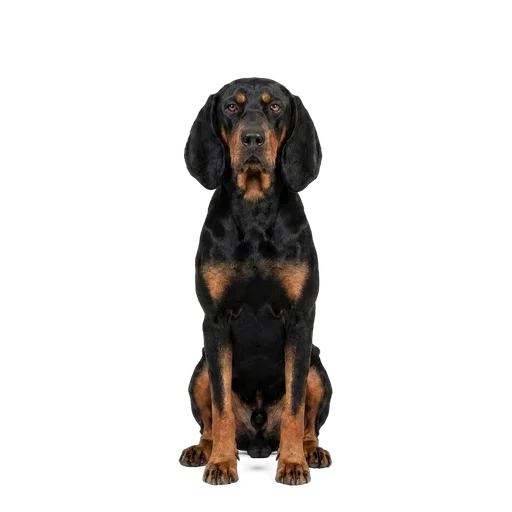
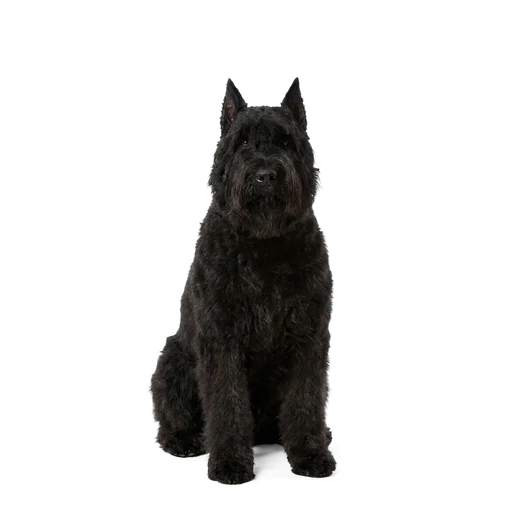
Deciding between similar breeds? Here is the Bloodhound next to Black and Tan Coonhound and Bouvier des Flandres.
| Bloodhound | Black and Tan Coonhound | Bouvier des Flandres | |
|---|---|---|---|
| Size | Large | Large | Large |
| Weight | 36-50 kg | 29-50 kg | 27-50 kg |
| Lifespan | 10-12 yrs | 10-12 yrs | 10-12 yrs |
| Activity | Moderate | Moderate | Moderate |
| Shedding | Medium | Medium | Low |
| Good with kids | Yes | Yes | Yes |
| Apartment-friendly | No | No | No |
Frequently asked questions
Why can't a Bloodhound be let off the lead?
Because its nose overrides everything. Once a Bloodhound picks up an interesting scent it will follow the trail for miles, ignoring your calls and any danger such as traffic. They should always be walked on a lead and kept in a garden with tall, secure, escape-proof fencing.
Do Bloodhounds drool a lot?
Yes, a great deal. The loose jowls and lips mean drool is a constant feature of owning one, especially after eating or drinking. Most owners keep towels around the house. If you dislike slobber, this is not the breed for you.
What is bloat and why does it matter for Bloodhounds?
Bloat, or gastric dilatation-volvulus, is when the stomach fills with gas and can twist, and it is life-threatening within hours. Deep-chested breeds like the Bloodhound are at high risk. Feeding smaller calm meals lowers the odds, and signs like a swollen belly, unproductive retching and distress are an emergency.
Are Bloodhounds good with children?
Very much so. They are gentle, patient and tolerant, and are known as one of the more child-friendly hound breeds. Their size means play with small children should be supervised, but their easygoing nature makes them excellent family dogs in an active, spacious home.
How much grooming does a Bloodhound need?
The coat itself is easy, needing just a weekly brush, but the ears, wrinkles and drool make overall care demanding. The long ears and facial folds must be cleaned and dried regularly to prevent chronic ear and skin infections, so plan for consistent weekly upkeep.
Related breeds
Health and care information is drawn from established veterinary sources and is general guidance, not veterinary advice. See our sources
Keep records for your Bloodhound
Vaccinations, food and treat safety, allergy alerts and parasite reminders - all tracked for your Bloodhound in the Pethls app.