


Origin: United States
Boston Terrier
Get reminders for your Boston Terrier's vaccines
Vaccination and parasite reminders, food-safety scans and health records — free to start in the Pethls app.


Good for
The Boston Terrier earned its nickname, the American Gentleman, from the tuxedo markings and the easy manners that come with them. This is a small, compact dog of 5 to 11 kg with a bright, sociable streak and just enough energy to keep things fun without wearing you out. Bred in the United States in the late 1800s, it settles into apartments as happily as it settles into a house with a yard. Most live 11 to 13 years. The flat face that gives the breed its expressive look also brings real trade-offs, so heat, breathing, and eye care sit at the center of good ownership.
Temperament & personality
Bostons are people dogs. They want to be in the room with you, ideally on the sofa or a lap, and they read a household's mood quickly. That sensitivity makes them gentle with children and easy to introduce to other pets, cats included, when socialized early.
Energy sits in the middle. A couple of short walks and a play session cover a Boston's needs, and they switch off nicely indoors afterward. They are clever and a little stubborn, so training goes best with short, upbeat sessions and food rewards rather than repetition.
First-time owners do well with the breed. Bostons are forgiving of beginner mistakes, quick to bond, and rarely aggressive. The one thing to plan for is company: left alone for long stretches every day, a Boston can get bored and vocal.
Vaccination schedule
Puppies start the core DHPP series (distemper, hepatitis/adenovirus, parvovirus, parainfluenza) at 6 to 8 weeks, with boosters every 3 to 4 weeks until about 16 to 20 weeks of age. Parvovirus hits small puppies hard, so finishing the full series before heavy socialization matters.
Rabies is given once at 12 to 16 weeks depending on local law, boosted at one year, then every 1 to 3 years per the vaccine and your region's rules. Keep the paper record; boarding, grooming, and travel all ask for it.
Leptospirosis is now a core vaccine recommended for every dog: puppies get a 2-dose series, then an annual booster to keep protection up. Non-core vaccines such as Bordetella and canine influenza depend on lifestyle, and a Boston that visits daycare, dog parks, or groomers is a good candidate for Bordetella and flu cover. Water, rural, and wildlife exposure raise lepto risk and are why the annual booster matters, but every dog should be covered regardless. Your vet will confirm the plan and match the non-core vaccines to local disease risk.
Best food & diet
Feed a complete diet formulated for small breeds, split into two meals a day. Small dogs eat small amounts, so measure portions rather than free-feeding; a Boston that carries extra weight puts more strain on an already compromised airway.
Bostons are prone to gas and food sensitivities. If a dog is scratching, has recurrent ear issues, or loose stools, a vet-guided diet trial helps sort out whether beef, chicken, dairy, or wheat is the trigger. Novel-protein or hydrolyzed diets are the usual next step.
The flat face and undershot jaw make some kibble shapes hard to pick up, and fast eaters gulp air. A shallow bowl or a slow-feeder, plus kibble sized for small mouths, cuts down on the gulping and the wind that follows it.
Common health problems
The headline issue is brachycephalic obstructive airway syndrome. Narrow nostrils, a long soft palate, and a small windpipe make breathing harder, especially in heat, during exercise, or under stress. Snoring and snuffling are normal for the breed; loud, labored breathing at rest is not and needs a vet's assessment.
Those prominent eyes sit exposed, so watch for corneal ulcers and cherry eye (a prolapsed tear gland), plus cataracts as the dog ages. Any squinting, redness, cloudiness, or pawing at an eye is an urgent problem, not a wait-and-see one, because corneal ulcers can worsen within a day.
Like many small breeds, a Boston can develop patellar luxation (slipping kneecaps), which shows up as a skip or hop in the back legs. In dogs with a lot of white on the head, congenital deafness in one or both ears is worth checking for; a BAER test confirms it. Allergies are common too, which the skin section covers.
Two systemic cautions define the breed: heat and anesthesia. Bostons overheat fast and cool slowly, and their airway makes general anesthesia higher-risk, so use a vet who monitors brachycephalic patients closely and keeps them under observation while they wake up.
Allergies & skin
Like many breeds, a Boston can react to both food and the environment. Dust mites and grass pollen are common airborne triggers, and beef, chicken, dairy, and wheat are the usual dietary ones. Signs look similar either way: itchy feet, face rubbing, red belly and armpits, and repeat ear infections.
Food-driven itch runs year-round; pollen-driven itch tends to flare with the seasons. Pinning down the cause takes a structured approach, an elimination diet for food or allergy testing for environmental triggers, rather than switching foods at random.
Day to day, wipe the coat down after grass walks, keep bedding washed to knock back dust mites, and use a vet-recommended shampoo during flares. The skin folds around the muzzle and any tail pocket should be kept clean and dry to head off low-grade infection.
Flea, tick & worm prevention
Keep a Boston on year-round flea and tick prevention. A single flea bite can set off an itch cycle in an allergy-prone dog, and ticks carry disease in most regions. Products come as monthly chews, spot-ons, or long-acting collars; your vet will match one to your area's parasite load.
Intestinal worming follows a schedule: puppies every 2 weeks until 12 weeks, then monthly to 6 months, then every 3 months for adults. Many combination products cover roundworm and tapeworm alongside fleas, which cuts down on the number of doses to remember.
Where heartworm is present, monthly prevention is essential and usually needs a clear blood test before starting. Dosing on all of these is by body weight, so weigh your Boston before each new supply rather than guessing, especially with puppies who are still growing.
Medications & dosing
Every dose for a small dog is calculated on current body weight, and a Boston's small size leaves little margin for error. Never split a large-breed tablet by eye or reuse another dog's medicine; a difference of a kilo or two changes the correct amount.
Skip human painkillers entirely. Ibuprofen, paracetamol/acetaminophen, and naproxen are toxic to dogs. For pain or inflammation, use only a vet-prescribed canine anti-inflammatory and follow the dosing on the label to the letter.
Flag the brachycephalic airway before any sedation or surgery. Some sedatives and pre-anesthetic drugs suppress breathing, which a flat-faced dog tolerates poorly, so the anesthetic protocol should be chosen with that in mind. Keep a written list of everything your Boston takes, doses included, for vet and emergency visits.
Grooming & coat care
The short, smooth single coat is about as low-maintenance as dog coats get. A weekly once-over with a rubber curry brush or grooming mitt lifts loose hair and spreads skin oils; shedding is light and manageable. Baths are occasional, when the dog is genuinely dirty or during an allergy flare.
Real grooming attention goes to the face and the extremities: nails, ears, and teeth. Wipe the nose rope and any facial folds with a soft damp cloth and dry them, since trapped moisture breeds infection. Wipe the large eyes clear of discharge and check daily for redness or squinting.
Round out the routine with nails trimmed every few weeks, ears checked and cleaned when waxy, and teeth brushed regularly. Small brachycephalic breeds crowd a lot of teeth into a short jaw, so dental care is not optional if you want to avoid extractions later.
How the Boston Terrier compares
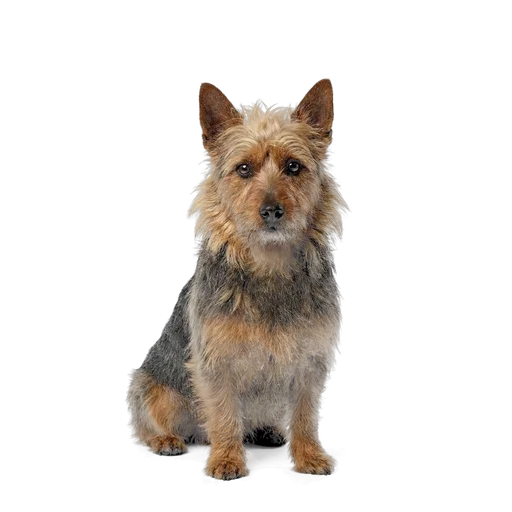
Deciding between similar breeds? Here is the Boston Terrier next to Australian Terrier and Bichon Frise.
| Boston Terrier | Australian Terrier | Bichon Frise | |
|---|---|---|---|
| Size | Small | Small | Small |
| Weight | 5-11 kg | 6-7 kg | 5-8 kg |
| Lifespan | 11-13 yrs | 11-15 yrs | 14-15 yrs |
| Activity | Moderate | Moderate | Moderate |
| Shedding | Low | Low | Low |
| Good with kids | Yes | Yes | Yes |
| Apartment-friendly | Yes | Yes | Yes |
Frequently asked questions
Do Boston Terriers bark a lot?
They are not naturally yappy, which helps in apartments, but a bored or lonely Boston will bark to get attention. Enough company, exercise, and mental work keeps the noise down. They do snort, snore, and snuffle, which is a breed trait rather than barking.
Are Boston Terriers good for first-time owners?
Yes. They are affectionate, forgiving of beginner mistakes, easy to train in short sessions, and sized for almost any home. The main homework is understanding their flat-faced needs: managing heat, protecting the eyes, and using a vet experienced with brachycephalic anesthesia.
How do I keep my Boston Terrier safe in hot weather?
Walk in the cool early morning or evening, avoid midday heat entirely, and never leave one in a parked car even briefly. Their airway makes cooling inefficient, so watch for loud breathing, drooling, or distress and treat heat as an emergency. Fresh water and shade at all times.
Why does my Boston Terrier have watery or irritated eyes?
Their prominent eyes sit exposed, so stay alert to corneal ulcers, cherry eye, and cataracts, plus everyday irritation from dust and grass. Occasional clear discharge you can wipe away is usually fine. Squinting, redness, cloudiness, or pawing at an eye needs a same-day vet visit.
Do Boston Terriers shed?
Only lightly. The short single coat drops a small amount of hair year-round, controlled easily with a weekly brush. It is worth noting they are not hypoallergenic; the short coat still produces the dander and saliva proteins that trigger allergies in sensitive people.
Related breeds


Health and care information is drawn from established veterinary sources and is general guidance, not veterinary advice. See our sources
Keep records for your Boston Terrier
Vaccinations, food and treat safety, allergy alerts and parasite reminders - all tracked for your Boston Terrier in the Pethls app.