

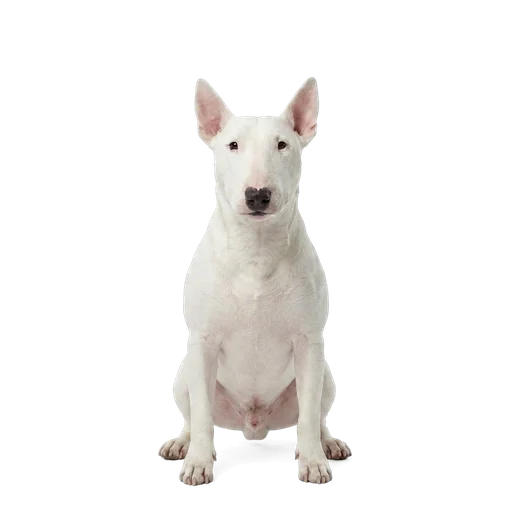
Origin: United Kingdom
Bull Terrier
Get reminders for your Bull Terrier's vaccines
Vaccination and parasite reminders, food-safety scans and health records — free to start in the Pethls app.


Good for
You'll never mistake a Bull Terrier for anything else. The long, egg-shaped head, the small triangular eyes and the muscular, rolling walk make this one of the most recognisable dogs alive, and the personality is every bit as distinctive as the profile. Bull Terrier owners describe a clown: playful, mischievous, endlessly entertaining and deeply attached to their people. Underneath the comedy is a strong, energetic and famously stubborn dog that needs plenty of exercise and firm, fun, consistent training. Get that right and you have a hilarious, affectionate companion; skip it and you have a bored powerhouse inventing its own games.
Temperament & personality
Bull Terriers are goofballs, and owners love them for it. They're playful well into adulthood, prone to zoomies and comic antics, and they crave being part of everything the family does. The flip side of that devotion is that they don't cope well alone and can become destructive or anxious when isolated, so this is a breed for a household that's around and willing to include the dog.
The stubborn streak is real and needs planning for. Bull Terriers are intelligent but strong-willed, and they respond to training that's consistent, upbeat and rewarding rather than heavy-handed. Keep sessions short and fun, use plenty of positive reinforcement, and make good behavior more interesting than mischief. A Bull Terrier that decides you're boring will simply do its own thing.
With people, and with children in particular, well-socialized Bull Terriers are typically affectionate and playful, but they're powerful and boisterous, so supervision with young kids is important and interactions should be managed to keep the enthusiasm from turning into an accidental knock-down. Their fun can be a lot of dog for a small child.
Around other animals they can be dog-selective and may not tolerate unfamiliar dogs, so early socialization and controlled introductions matter. Combined with the strength and stubbornness, this makes the breed a poor match for a hands-off first-time owner and a wonderful one for someone ready to commit to training and structure.
Vaccination schedule
Bull Terrier puppies follow the standard core vaccine plan. The DHPP combination protects against distemper, hepatitis (adenovirus), parvovirus and parainfluenza and is given as a series from around six to eight weeks of age, with boosters every two to four weeks until roughly sixteen weeks. Finishing the whole series is what gives dependable protection, particularly against parvovirus, which hits unvaccinated puppies hard.
Rabies vaccine is given separately, usually from twelve weeks. It's a legal requirement in many countries and essential for travel, so plan the timing and paperwork with your vet if you might relocate or go abroad.
After the puppy course, your vet sets the booster schedule, generally a booster around one year and core boosters every one to three years thereafter depending on the vaccine and local advice. Leptospirosis is now recommended as a core vaccine for every dog, given as a two-dose puppy series followed by an annual booster (rather than the one-to-three-year schedule of the DHPP cores); water, rural and wildlife exposure raise the risk and are good reasons not to skip that yearly booster. Non-core vaccines like kennel cough (Bordetella), Lyme and canine influenza are worth discussing with your vet if your Bull Terrier boards, attends classes or day care, or mixes in busy dog spaces.
Keep a clear record of doses and due dates. Groomers, kennels and training classes ask to see it, and reliable records stop boosters slipping through the cracks.
Best food & diet
Bull Terriers are strong, active dogs with a solid, muscular build, and their food should fuel that activity without letting them get heavy. A complete, balanced diet built on a good-quality named protein source suits them. The breed spans a wide weight range, from around twenty-two up to thirty-eight kilograms, so feed the individual dog to condition rather than a set portion. You should feel the ribs easily and see a waist from above.
Keeping a Bull Terrier lean protects the joints and heart, both areas worth looking after in any dog. Measure meals, feed twice a day, and count training treats toward the daily total, because these food-motivated dogs will happily talk you into more. It's easy to over-treat a dog this charming.
Dairy is worth flagging for this breed alongside the usual sensitivities. Some Bull Terriers react to beef, chicken, wheat or dairy, and food reactions often show up as itchy skin rather than digestive upset. If your dog is scratching persistently, a vet-guided elimination diet can identify the trigger, and a limited-ingredient or novel-protein food is a sensible route for confirmed sensitivities.
As with any dog, keep fresh water available at all times and mention any change in drinking or urination to your vet. Good hydration matters, and a shift in either can be an early sign worth checking.
Common health problems
Two conditions are strongly tied to the breed and deserve particular attention. Congenital deafness is common, especially in white dogs, and a puppy can be deaf in one or both ears from birth. The BAER test objectively checks hearing, so reputable breeders BAER-test their litters, and it's reasonable to ask for the result. A dog deaf in one ear can live a completely normal life, but it's information every owner should have.
Hereditary nephritis is a serious inherited kidney disease in which the kidneys deteriorate over time, sometimes from a young age. Screening through urine and blood testing helps breeders avoid passing it on, and it's a strong reason to buy from breeders who health-test. Watch for increased drinking, increased urination or weight loss and report them promptly.
Heart valve disease, particularly of the mitral valve, is another concern, and it's one reason vets listen carefully to a Bull Terrier's heart at check-ups and may pick up a murmur that needs monitoring. Patellar luxation, where the kneecap slips out of place, can also develop and can range from a mild intermittent skip to something needing surgery.
Skin allergies round out the common issues, and another behavior worth watching for is compulsive tail-chasing. In some dogs this goes beyond ordinary play into a genuine compulsive disorder, with the dog spinning for long periods. It's frustrating and easy to dismiss as silliness, but persistent spinning warrants a vet's input, as it can have both behavioral and medical components.
Allergies & skin
Bull Terriers are prone to allergic skin disease, and the short, harsh coat means itching, redness and irritation are easy to spot. Environmental allergens such as dust mites are common triggers, and reactions can be seasonal or persistent. Food sensitivities to beef, chicken, wheat or dairy overlap with this, and both tend to present as itchy skin and inflamed ears rather than tummy trouble.
White Bull Terriers have pink skin, which brings a sunburn risk, particularly on the nose and thin-haired areas. On bright days a pet-safe sun protection routine and some shade help avoid burns, which is a slightly different skin concern from allergy but just as worth managing.
Practical skin care helps across the board. Wipe the dog down after walks, wash bedding regularly, use vet-recommended shampoos for irritation, and keep flea control tight, since flea allergy can worsen an already sensitive dog. Omega-3 supplements support the skin barrier and can help sensitive dogs.
When itching is severe or persistent, get a proper veterinary assessment rather than cycling through shop-bought remedies. Modern anti-itch medication, treatment of any secondary infection and, in some cases, immunotherapy can make a genuinely uncomfortable dog comfortable again, matched to the specific triggers involved.
Flea, tick & worm prevention
With the breed's tendency toward itchy skin, year-round flea prevention is important. A sensitive dog can react strongly to just a few bites, so keep up a vet-recommended product, whether spot-on, chewable or collar, and treat all the pets in the home, because fleas travel between animals and live in the household environment as much as on the dog.
Ticks are a risk for dogs walking in long grass, woodland or areas with livestock and wildlife. Plenty of modern products cover fleas and ticks in one dose. After country walks, check your dog over, paying attention to the head, ears and between the toes, and remove any ticks quickly with a proper tick tool to cut the risk of transmitted disease.
Worming addresses a separate set of parasites, chiefly roundworms and tapeworms, with lungworm a serious added risk in some regions where dogs eat slugs and snails. Adult dogs are typically wormed every three months, while puppies need treating more often. Your vet will set a schedule based on where you live and how your dog behaves.
Put every dose on a calendar or app reminder. Lapsed treatments are the usual reason parasites gain a foothold, and staying ahead is far easier than clearing an infestation once it's spread through the house.
Medications & dosing
Medications for a Bull Terrier are dosed by body weight, and with a range as broad as roughly twenty-two to thirty-eight kilograms, getting an accurate current weight is essential. Parasite preventives especially are sold in weight bands, and a product sized for the wrong band either under-protects or overdoses, so weigh your dog at the vet and keep the figure to hand.
This matters even more for any dog with kidney disease. The kidneys clear many drugs from the body, so a dog with reduced kidney function may need dose adjustments, and your vet needs to know the full picture before prescribing. Never give human painkillers such as ibuprofen, paracetamol or aspirin, which are toxic to dogs and can cause severe stomach, kidney or liver damage. Pain relief must be a veterinary product at a veterinary dose.
For any prescribed course, whether allergy medication, antibiotics or heart treatment, follow the timing exactly and finish it even if the dog seems fully recovered. If a Bull Terrier is on long-term heart or kidney medication, keep to the schedule and attend the recheck appointments so doses can be adjusted as things change.
Keep a simple log of every medication, dose and date. It avoids accidental double-dosing in a busy household and gives your vet an accurate history each visit, which matters more in a breed with organ-specific concerns.
Grooming & coat care
Grooming a Bull Terrier takes very little time. The coat is short, flat and harsh to the touch, and a weekly brush with a rubber curry brush or grooming mitt lifts loose hair and brings up the shine. Shedding is moderate, a touch more than some short-coated breeds, and it picks up when the seasons change, so a weekly once-over keeps the hair around the house in check.
Bathe only when the dog is actually dirty or when a medicated wash is part of a skin-care plan. Over-bathing strips natural oils and can make sensitive skin worse, so unless your vet has advised otherwise, an occasional bath with a gentle dog shampoo is plenty. A damp cloth wipe-down freshens the coat between baths.
Attend to the details. Check the ears weekly for redness, wax or odor, since allergy-prone dogs get ear infections readily, and clean only with a vet-approved solution. Trim nails every few weeks if they aren't worn down, brush the teeth regularly to prevent dental disease, and on white dogs keep an eye on exposed pink skin for sun damage.
The short coat gives little warmth or sun protection, so a coat for cold, wet weather and shade or pet-safe sun care on bright days are both practical. Comfortable dogs stay out long enough to burn off that considerable Bull Terrier energy.
How the Bull Terrier compares
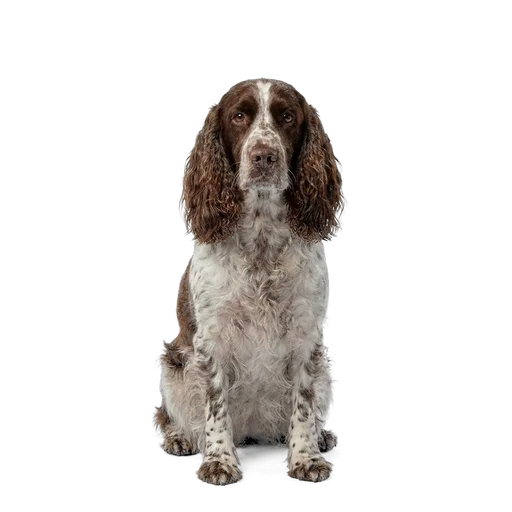
Deciding between similar breeds? Here is the Bull Terrier next to English Springer Spaniel and Harrier.
| Bull Terrier | English Springer Spaniel | Harrier | |
|---|---|---|---|
| Size | Medium | Medium | Medium |
| Weight | 22-38 kg | 18-25 kg | 20-27 kg |
| Lifespan | 10-14 yrs | 12-14 yrs | 12-15 yrs |
| Activity | Active | Active | Active |
| Shedding | Medium | Medium | Medium |
| Good with kids | Yes | Yes | Yes |
| Apartment-friendly | Yes | No | No |
Frequently asked questions
Are Bull Terriers good family pets?
In an active, committed household they can be wonderful. Bull Terriers are playful, affectionate clowns that adore their people and are typically good with children when well socialized. The caveats are that they're strong, boisterous and stubborn, so young kids need supervision, and the breed needs firm, fun training and plenty of exercise. They suit families ready to be involved, not a hands-off home that leaves the dog to its own devices.
Why does my Bull Terrier chase its tail so much?
Some tail-chasing is normal play, but a compulsive form, where the dog spins for long periods and struggles to stop, is worth keeping an eye on. This can be a genuine compulsive disorder with both behavioral and medical components, rather than just silliness. If your dog spins persistently, especially if it can't settle or seems distressed, it's worth a vet's assessment rather than assuming it's a harmless quirk.
Are white Bull Terriers more likely to be deaf?
Yes. Congenital deafness is worth being aware of, particularly in white dogs, and a puppy can be born deaf in one or both ears. The BAER test objectively checks hearing, and responsible breeders test their litters, so ask for the result. A dog deaf in one ear can live a perfectly normal, happy life, but it's useful information to have for training and safety.
How much exercise does a Bull Terrier need?
Quite a lot. These are strong, energetic dogs that need a good hour or more of daily activity, plus mental stimulation to keep that busy brain occupied. Walks, play and training games all help. A well-exercised Bull Terrier is far more settled at home, while a bored one gets into mischief and can become destructive, so consistent daily exercise isn't optional with this breed.
Is the Bull Terrier a banned or restricted breed?
The Bull Terrier is a legal, recognized breed in most places, but breed-specific legislation exists in some regions and can affect ownership, housing, insurance or travel, and rules do change over time. It's worth calmly checking the laws where you live and anywhere you plan to travel with the dog, rather than assuming the rules are the same everywhere you go.
Related breeds

Health and care information is drawn from established veterinary sources and is general guidance, not veterinary advice. See our sources
Keep records for your Bull Terrier
Vaccinations, food and treat safety, allergy alerts and parasite reminders - all tracked for your Bull Terrier in the Pethls app.