


Origin: Israel
Canaan Dog
Get reminders for your Canaan Dog's vaccines
Vaccination and parasite reminders, food-safety scans and health records — free to start in the Pethls app.


Good for
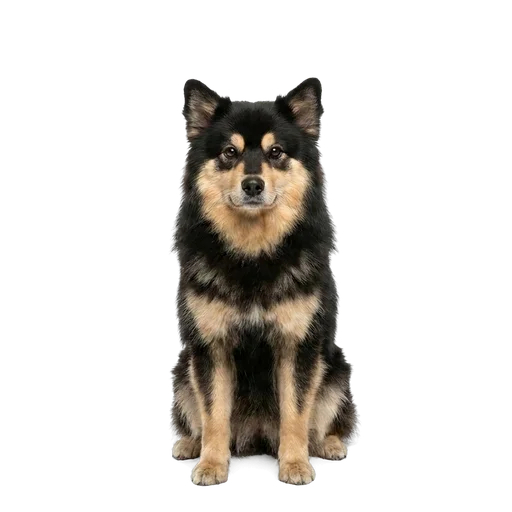
The Canaan Dog is Israel's national breed, a pariah-type dog that survived thousands of years in the Negev desert with almost no human help. That history shows in everything it does: this is a watchful, self-reliant dog that sizes up every stranger and every new situation before committing. With its own family it is deeply devoted, and at 16 to 25 kilograms it is a manageable size for an active household. Most Canaan Dogs live 12 to 15 years, and thanks to millennia of natural selection they have a reputation as one of the hardier, lower-maintenance breeds, though like any dog they still need routine health screening. The trade-off is a breed that needs serious early socialization and an owner who genuinely understands primitive dogs.
Temperament & personality
Think of the Canaan Dog as a survivor first and a pet second. For most of its history nobody fed it, housed it, or protected it, so caution became a survival skill. A well-bred Canaan Dog is alert, territorial, and naturally suspicious of anything unfamiliar: new people, new objects in the yard, a bin that moved overnight. This is not fearfulness. It is a hardwired risk assessment that the breed has relied on for centuries.
With family, the picture changes completely. Canaan Dogs bond hard to their people, follow them from room to room, and make superb natural watchdogs, announcing visitors with a distinctive bark well before the doorbell rings. They are affectionate on their own terms rather than clingy, and many owners describe them as almost cat-like in their independence.
Early socialization is not optional with this breed. Puppies need calm, positive exposure to dozens of people, places, surfaces, and sounds between 8 and 16 weeks, and the work must continue through adolescence. Skip it and the natural wariness can harden into reactivity. Same-sex dog aggression is common, so most breeders recommend against keeping two males or two females together.
Training works best when it feels like a fair deal. Canaan Dogs learn very fast, get bored with repetition, and shut down under harsh handling. Short, varied sessions with real rewards get you a responsive partner. Drilling the same sit for the tenth time just gets you a bored, checked-out dog.
Vaccination schedule
Canaan Dog puppies follow the standard core protocol. The DHPP combination vaccine, which covers distemper, hepatitis (adenovirus), parvovirus, and parainfluenza, is given as a series starting at 6 to 8 weeks of age and repeated every 3 to 4 weeks until the puppy is at least 16 weeks old. Most pups end up with three or four doses. The rabies vaccine is given once between 12 and 16 weeks, depending on local law.
A booster for both DHPP and rabies follows about one year after the puppy series. After that, most vets move to a three-year schedule for the core vaccines, though rabies intervals are set by regulation in many countries, so check what applies where you live.
Leptospirosis is now recommended as a core vaccine for every dog, given as a 2-dose puppy series and then boosted annually, unlike the every-3-years DHPP boosters. Other non-core vaccines such as Bordetella (kennel cough), Lyme, and canine influenza depend on lifestyle. A Canaan Dog that hikes, swims in ponds, or boards in kennels faces a higher exposure risk, which is one reason the annual lepto booster matters, but every dog should still be covered. Because this breed is wary of handling by strangers, tell your clinic in advance; a few extra minutes of quiet introduction at the vet makes vaccine visits far easier for everyone.
Best food & diet
The Canaan Dog evolved on scraps and scavenge, and modern representatives of the breed tend to be famously easy keepers. Many need noticeably fewer calories than other dogs of the same size, and overfeeding is the most common diet mistake owners make. A complete commercial food formulated for medium breeds, fed in measured meals rather than free-choice, suits most adults well.
Puppies should eat a growth formula for medium breeds until roughly 12 months. Because hip dysplasia exists in the breed, avoid pushing rapid growth: a lean puppy with slightly visible waist tuck is exactly what you want. Adults typically do well on two meals a day totaling somewhere in the range of 900 to 1,300 calories, depending on size, metabolism, and workload, and your vet can fine-tune that number.
Watch body condition monthly. You should feel ribs easily under a thin fat layer and see a clear waist from above. Because hypothyroidism occurs in the line, unexplained weight gain on a normal ration is worth a thyroid panel rather than simply cutting food. Fresh water always, and go easy on training treats; this breed gains on very little.
Common health problems
The Canaan Dog is one of the healthier breeds around. Its long history of natural selection is often credited with keeping inherited disease relatively low, and many dogs reach 14 or 15 years with nothing more than routine care. Even so, three conditions still deserve screening.
Hip dysplasia occurs at low rates but does occur. It is a malformation of the hip joint that leads to arthritis, stiffness after rest, and reluctance to jump. Reputable breeders x-ray hips on all breeding stock; ask to see hip scores from a recognized scheme (OFA in the US, BVA in the UK, or your national FCI equivalent) before buying a puppy. Keeping the dog lean is the single best thing an owner can do to protect the joints.
Progressive retinal atrophy (PRA) is a slow degeneration of the retina that begins with poor night vision and can end in blindness. There is no treatment, but annual eye exams by a veterinary ophthalmologist catch it early, and affected dogs usually adapt remarkably well because vision loss is gradual. Hypothyroidism, an underactive thyroid gland, typically shows up in middle age as weight gain, lethargy, a dull coat, or recurring skin trouble. It is diagnosed with a blood test and managed cheaply with a daily hormone tablet.
Beyond those three, expect the ordinary things any dog can get: dental disease, ear infections, and the lumps and bumps of old age. An annual vet exam, kept up throughout life, is usually all the maintenance this rugged breed asks for.
Allergies & skin
Canaan Dogs are not a hypoallergenic breed. The dense double coat sheds year-round and heavily in season, releasing dander into the home, so allergy sufferers should spend time around adult dogs before committing. On the flip side, the breed's own skin is generally tough and trouble-free, another legacy of desert survival.
When skin problems do appear, hypothyroidism is the first thing a vet will want to rule out, since low thyroid hormone commonly causes flank hair loss, darkened skin, and infections that keep coming back. Environmental allergies (atopy) can develop to things like grass pollen and dust mites, while food allergies most often trace back to a protein such as beef, chicken, or wheat. Both usually show as paw licking, ear infections, or itching around the face and belly rather than as digestive upset.
The coat itself needs very little help to stay healthy. It repels dirt and water naturally, and over-bathing strips the protective oils. A bath every couple of months, or when the dog is genuinely dirty, is plenty. If you notice a musty smell, greasy feel, or persistent scratching, that is a vet visit rather than a shampoo problem.
Flea, tick & worm prevention
Year-round flea and tick prevention matters even for a hardy breed. Modern options include monthly spot-on treatments, oral chews lasting one to three months, and long-acting collars. Canaan Dogs that live the outdoor, hiking lifestyle the breed enjoys are exposed to ticks regularly, and tick-borne diseases such as ehrlichiosis are a concern in warm climates and in the breed's Middle Eastern homeland.
Check the coat after walks in grass or scrub, paying attention to the ears, armpits, groin, and between the toes. The dense double coat can hide a feeding tick for days, so run your hands through against the lie of the hair rather than just looking.
Worming follows the standard canine playbook: puppies are treated every two weeks from 2 weeks of age until 12 weeks, then monthly until 6 months, then adults are wormed every three months or per fecal test results. Heartworm prevention is essential in regions where the parasite occurs; it is a monthly preventive, and your vet will want a blood test before starting an adult dog. Combination products can cover fleas, some worms, and heartworm in one dose, which simplifies life considerably.
Medications & dosing
Every medication a Canaan Dog receives should be dosed by current body weight and prescribed or approved by a vet. With adults ranging from 16 to 25 kilograms, the difference between a small female and a big male is nearly ten kilograms, which is enough to matter for almost any drug. Weigh the dog rather than guessing, and re-weigh yearly, since easy-keeper breeds drift upward quietly.
Never give human painkillers. Ibuprofen, naproxen, and paracetamol are toxic to dogs at doses people consider harmless. If your Canaan Dog is stiff or sore, the vet can prescribe a canine NSAID such as carprofen or meloxicam at a weight-calculated dose, usually with periodic blood work to check liver and kidney values during long-term use for arthritis.
Dogs diagnosed with hypothyroidism take levothyroxine, dosed per kilogram and adjusted after follow-up blood tests at 4 to 8 weeks. It is a lifelong daily medication, inexpensive and very effective, but the dose is individual: two dogs of identical weight can need different amounts. Keep a written record of current doses and weights so any vet who sees your dog has the numbers on hand.
Grooming & coat care
This is one of the lowest-maintenance coats in the dog world for most of the year. The Canaan Dog wears a harsh, straight outer coat over a soft undercoat, and it self-cleans to a degree that surprises new owners: mud dries and falls off, and the dog rarely smells doggy. A quick brush once a week keeps things tidy, and no trimming, stripping, or professional grooming is ever needed.
Then the seasonal shed arrives, usually twice a year, and the undercoat comes out in handfuls for two to four weeks. During a blow, daily sessions with an undercoat rake or slicker brush save your furniture and speed the process along. Warm baths followed by a thorough blow-dry can loosen the dead coat faster if you want to shorten the ordeal.
Round out the routine with the basics: nails trimmed every three to four weeks, ears checked weekly since the upright ears mostly take care of themselves, and teeth brushed several times a week. Start all of this in puppyhood. A primitive breed that was never taught to accept handling can turn nail day into a wrestling match, while one raised on gentle, rewarded handling takes it in stride.
How the Canaan Dog compares
Deciding between similar breeds? Here is the Canaan Dog next to Finnish Lapphund and Eurasier.
| Canaan Dog | Finnish Lapphund | Eurasier | |
|---|---|---|---|
| Size | Medium | Medium | Medium |
| Weight | 16-25 kg | 15-24 kg | 18-32 kg |
| Lifespan | 12-15 yrs | 12-15 yrs | 12-16 yrs |
| Activity | Moderate | Moderate | Calm |
| Shedding | High | High | High |
| Good with kids | Yes | Yes | Yes |
| Apartment-friendly | No | Yes | Yes |
Frequently asked questions
Are Canaan Dogs good family dogs?
Yes, for the right family. They are devoted, gentle with the children of their own household, and excellent watchdogs. They are naturally reserved with visitors and other dogs, so they suit experienced owners who will commit to thorough early socialization rather than first-time owners expecting a Labrador-style greeter.
How much exercise does a Canaan Dog need?
A moderate amount, roughly an hour a day of walking plus mental work. They are not hyperactive, but their sharp minds need jobs: scent games, trick training, or dog sports like agility. A bored Canaan Dog invents projects, and you will not like the projects.
Do Canaan Dogs shed a lot?
Yes, seasonally. Day to day the shedding is manageable with a weekly brush, but twice a year the undercoat blows out heavily for several weeks and daily raking becomes necessary. They are not a good match for allergy sufferers or for people who want a hair-free home.
Are Canaan Dogs healthy?
Generally yes - it's widely regarded as a hardy breed with a typical lifespan of 12 to 15 years - but it still has conditions worth screening for. The main screens to ask a breeder about are hip x-rays, eye exams for progressive retinal atrophy, and thyroid testing.
Can a Canaan Dog live with cats or other dogs?
Sometimes, with caveats. A puppy raised with the household cat usually accepts that specific cat, though outdoor cats may still be chased. Same-sex pairs of Canaan Dogs frequently clash, so an opposite-sex second dog and careful introductions give the best odds.
Related breeds


Health and care information is drawn from established veterinary sources and is general guidance, not veterinary advice. See our sources
Keep records for your Canaan Dog
Vaccinations, food and treat safety, allergy alerts and parasite reminders - all tracked for your Canaan Dog in the Pethls app.