

Origin: Ireland
Glen of Imaal Terrier
Get reminders for your Glen of Imaal Terrier's vaccines
Vaccination and parasite reminders, food-safety scans and health records — free to start in the Pethls app.


Good for
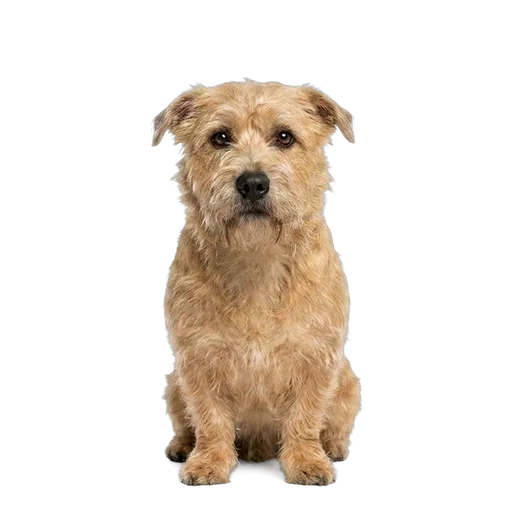
The Glen of Imaal Terrier is a rare working terrier from a remote valley in Ireland's Wicklow Mountains, bred to dig out badgers and turn the family spit. Weighing 14 to 18 kilograms on short, slightly bowed front legs with turned-out feet, this is a small dog built like a wheelbarrow and convinced it is a wolfhound. Glens are unusually quiet for terriers, calm and gentle in the house, yet strong-willed and surprisingly powerful outdoors. With sensible care they live 10 to 15 years, and their wiry coat sheds very little. Owners who respect the breed's independence get a steady, funny, deeply loyal companion.
Temperament & personality
Glens break most terrier stereotypes. Where a Jack Russell bounces and yaps, a Glen watches, thinks, then acts. The breed was expected to work silently underground, and Glens tend to be far quieter than most terriers as a result. Many owners report their Glen barely makes a sound indoors, which is one reason the breed suits flats better than its farmyard history suggests.
That calm exterior hides serious substance. A Glen can pull, dig, and hold its ground like a dog twice its size, and it knows it. Training works best with short, food-driven sessions and a sense of humor, because repetition bores them and harsh corrections make them dig in. They are smart enough to learn anything and stubborn enough to ask why they should.
With their own family, Glens are affectionate without being needy, and most are patient with respectful children. The historic badger work left a strong prey drive, so cats, rabbits, and unfamiliar dogs can trigger a chase or a scrap. Early socialization helps, but a Glen should still be walked on lead in areas with small wildlife, and same-sex dog pairings need careful management.
Vaccination schedule
Glen puppies follow the standard core protocol. The DHPP combination vaccine, which covers distemper, hepatitis (adenovirus), parvovirus, and parainfluenza, starts at six to eight weeks of age, with boosters every three to four weeks until the pup is at least 16 weeks old. Finishing the series matters more in Glens than in toy breeds because these pups are out exploring muddy Irish-style terrain early, and parvovirus survives in soil for months.
Rabies is given as a single dose between 12 and 16 weeks depending on local law, then boosted at one year. After the first annual booster, DHPP typically moves to a three-year cycle and rabies follows the schedule your region requires. Keep a written record of the dates so you can set a reminder on your phone before immunity lapses.
Ask your vet about non-core vaccines based on lifestyle. Leptospirosis is a genuine risk for a low-slung dog that snuffles through puddles and hedgerows, and kennel cough (Bordetella) is worth adding if your Glen boards, attends training classes, or meets many dogs.
Best food & diet
Feed a Glen as the working breed it is, not the couch ornament it pretends to be. An adult at 14 to 18 kilograms generally does well on a quality diet with named meat as the first ingredient, split into two meals a day. Because Glens are long-backed and heavy-boned for their height, extra weight loads the spine and hips fast. You should feel ribs under light pressure; if you cannot, cut portions by about ten percent and re-check in two weeks.
Puppies deserve special attention. Glen growth plates in the front legs are vulnerable, so avoid high-calorie foods that push rapid growth. A large-breed puppy formula, oddly enough, often suits this small breed because it controls calcium and energy density. Keep pups lean through the entire growth phase, which can run past 12 months.
Some Glens carry food sensitivities that show up as itchy skin or ear trouble rather than stomach upset. If your dog scratches persistently, an eight to twelve week elimination diet under veterinary guidance is the reliable test. Check the ingredient list on treats and foods with a food scanner before buying, since beef, chicken, and wheat are the most common culprits and hide in many products.
Common health problems
The headline issue is crd3 progressive retinal atrophy, an inherited eye disease that slowly destroys the retina and leads to blindness, usually starting with poor night vision in middle age. There is no treatment, but there is a DNA test, and every reputable breeder uses it. Ask to see both parents' crd3 results before taking a puppy; two DNA-clear parents are not expected to produce a pup affected by crd3 PRA.
Hip dysplasia occurs in the breed despite its size. The Glen's heavy build means a loose hip gets loaded hard, and signs like bunny-hopping, reluctance on stairs, or stiffness after rest deserve X-rays rather than wait-and-see. Weight control is the single best protection, and moderate muscle-building exercise like hill walking helps stabilise the joint.
Like many short-legged breeds, growing joints benefit from protection in puppyhood. The Glen's growth plates can close later than in leggier breeds, so go easy on jumping off furniture, long forced runs, and endless stair climbing until 12 to 14 months, while the bone is still developing. Short, frequent play on grass is fine; structured jogging and agility jumps are not, until your vet confirms growth is complete.
Beyond that, Glens are a robust, unexaggerated breed. Allergic skin disease appears in some lines (covered below), and like most small dogs they benefit from routine dental care, since a Glen will not tell you a tooth hurts until it is very bad indeed.
Allergies & skin
Allergies are one of the three conditions owners should watch for in this breed. In Glens they usually surface as atopic dermatitis: recurrent itching around the paws, belly, armpits, and ears, often seasonal at first and year-round later. The wiry coat can hide early redness, so run your hands through the coat weekly and check between the toes for staining from licking.
Environmental triggers such as grass pollens and dust mites are often more common than food allergy, and it is worth asking your vet about storage mites, which can cross-react with dust mites and confuse the picture. Repeated ear infections are frequently the first clue. Your vet can manage flare-ups with modern anti-itch medication, medicated shampoos, and in persistent cases allergy testing and immunotherapy.
The harsh double coat itself is low-maintenance and low-shedding, but note that no dog is truly hypoallergenic, and the Glen is not marketed as one. Hand-stripping rather than clipping keeps the coat's wiry texture and lets the skin breathe, which genuinely helps itchy dogs. Rinse paws after high-pollen walks; it is a small habit that noticeably reduces flare-ups.
Flea, tick & worm prevention
A dog built ten centimetres off the ground, bred to push through bracken and dig into banks, collects parasites efficiently. Year-round flea and tick prevention is the sensible default for a Glen, whether you choose a monthly spot-on, a chewable isoxazoline tablet, or a long-acting collar. Ticks in particular matter because the low chassis and dense coat make attached ticks easy to miss; check the ears, armpits, and groin after every countryside walk.
Worming should be routine, not reactive. Puppies need worming every two weeks from two weeks of age until twelve weeks, then monthly to six months. Adults are typically treated for roundworm and tapeworm every three months, or monthly if your Glen hunts, scavenges, or lives with children. In lungworm areas, ask your vet for a monthly product that covers Angiostrongylus, since Glens love exactly the slug-and-snail territory that spreads it.
Dose by current weight, not by memory. A Glen that has crept from 15 to 18 kilograms may be under-dosed on last year's prescription. Log treatments in a health log so the whole household knows what was given and when the next dose is due.
Medications & dosing
Every medication dose for a Glen should be calculated from an accurate current weight and confirmed with your vet. The breed spans 14 to 18 kilograms, a 30 percent range, which is easily enough to turn a correct dose into an underdose or an overdose if you guess. Weigh your dog at least twice a year and before starting any new prescription.
Never give human painkillers. Ibuprofen and paracetamol are toxic to dogs at doses people consider harmless, and a stoic breed like the Glen may show no distress until organ damage is advanced. For arthritis or post-exercise soreness, vets prescribe dog-specific anti-inflammatories with dosing matched to the kilogram.
If your Glen is diagnosed with crd3 PRA there is no drug that halts it, but dogs adapt to blindness remarkably well when furniture stays put and routines stay consistent. For allergic Glens, long-term medication plans are common; keep the schedule in a health log and never stop steroids abruptly without veterinary guidance.
Grooming & coat care
The Glen wears a medium-length, harsh outer coat over a soft undercoat, and it is refreshingly easy to live with. A thorough brush and comb once or twice a week prevents matting behind the ears, in the armpits, and around the britches. Shedding is genuinely low; you will find the odd wiry hair, not drifts of fluff.
To keep the correct texture, the coat should be hand-stripped two to four times a year, pulling the dead outer coat out by the root so a new harsh jacket grows in. Stripping sounds brutal but does not hurt when done on a ready coat, and many owners learn to do it themselves in short sessions. Clipping is the low-effort alternative for pet Glens, with the trade-off that the coat gradually softens, fades, and picks up more dirt.
Bathe only when actually dirty, roughly every couple of months, because frequent shampooing softens the protective coat. Round out the routine with nail trims every three to four weeks (those turned-out front feet wear unevenly), weekly ear checks, and tooth brushing several times a week. A Glen that learns grooming as a puppy will tolerate all of it with typical breed patience.
How the Glen of Imaal Terrier compares
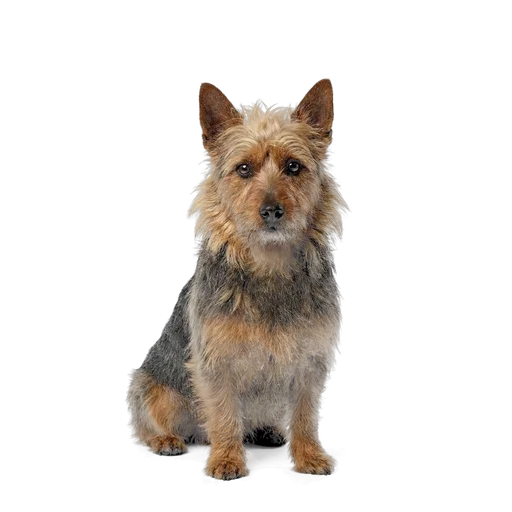
Deciding between similar breeds? Here is the Glen of Imaal Terrier next to Australian Terrier and Bichon Frise.
| Glen of Imaal Terrier | Australian Terrier | Bichon Frise | |
|---|---|---|---|
| Size | Small | Small | Small |
| Weight | 14-18 kg | 6-7 kg | 5-8 kg |
| Lifespan | 10-15 yrs | 11-15 yrs | 14-15 yrs |
| Activity | Moderate | Moderate | Moderate |
| Shedding | Low | Low | Low |
| Good with kids | Yes | Yes | Yes |
| Apartment-friendly | Yes | Yes | Yes |
Frequently asked questions
Are Glen of Imaal Terriers rare?
Yes, genuinely rare. The Glen is one of Ireland's four native terrier breeds and among the least numerous, with only a few hundred puppies registered worldwide each year. Expect a waiting list and a breeder who interviews you as thoroughly as you interview them. The upside of a small, careful breeding community is that health testing rates, especially for crd3 PRA, are high.
Do Glen of Imaal Terriers bark a lot?
No, and this surprises people who expect terrier noise. Glens were bred to work silently underground, and most are quiet dogs that bark with purpose rather than habit. They will announce a genuine visitor in a deep voice that sounds like a much bigger dog, then go back to sleep. This makes them one of the few terriers well suited to apartment life.
How much exercise does a Glen of Imaal Terrier need?
A moderate amount: two decent walks a day plus some play and sniffing time keeps an adult Glen content. They are not jogging partners by design, with short legs and a heavy body, but they hike surprisingly well at their own pace. The critical rule is with puppies: avoid jumping, stair marathons, and forced running until the front-leg growth plates close, usually after 12 to 14 months.
What is crd3 PRA and should I test for it?
Crd3 is the Glen-specific form of progressive retinal atrophy, an inherited disease that gradually causes blindness, typically becoming noticeable in middle age. A simple DNA test identifies whether a dog is clear, a carrier, or affected. If you are buying a puppy, ask for both parents' results; if you own an untested Glen, a cheek-swab test gives you time to prepare and lets you report status to breed health programmes.
Are Glens good with children and other pets?
With children, generally yes. Glens are sturdy, patient, and unbothered by household chaos, though all dog-child interaction needs supervision. Other pets are the harder question: the breed hunted badgers, and that prey drive persists. Cats raised with a Glen from puppyhood often work out; strange cats, rabbits, and rodents usually do not. Some Glens are also selective about unfamiliar dogs, so early, ongoing socialization matters.
Related breeds

Health and care information is drawn from established veterinary sources and is general guidance, not veterinary advice. See our sources
Keep records for your Glen of Imaal Terrier
Vaccinations, food and treat safety, allergy alerts and parasite reminders - all tracked for your Glen of Imaal Terrier in the Pethls app.