

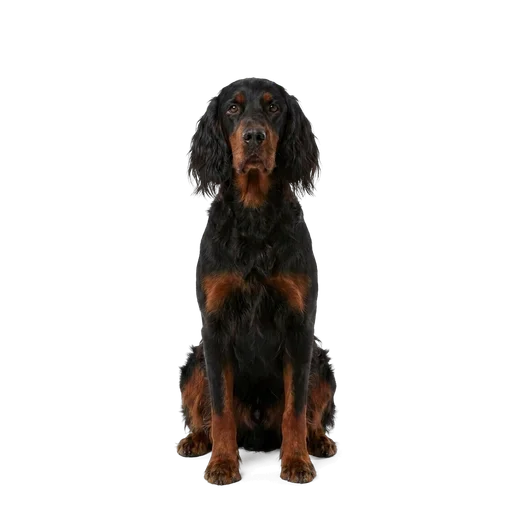
Origin: Scotland
Gordon Setter
Get reminders for your Gordon Setter's vaccines
Vaccination and parasite reminders, food-safety scans and health records — free to start in the Pethls app.


Good for
The Gordon Setter is the black-and-tan member of the setter family, and it carries itself with a bit more gravity than its Irish or English cousins. Bred in the Scottish Highlands to work bird fields in cold, rough country, this is a large, powerfully built gundog with a glossy coat and a steady, thinking mind. Gordons bond hard to their people, often attaching most closely to one person in the household, and they can be reserved with strangers in a way that reads as dignified rather than shy. They are affectionate and playful at home once the day's exercise is done, but the exercise is not optional. Give a Gordon a job and a family to belong to, and you get a loyal, devoted companion for a decade or more.
Temperament & personality
Gordon Setters are loyal to the point of being clingy, and they mean it. This is a breed that wants to be in the same room as its person, that watches the door, and that tends to pick a favorite even in a busy household. With family they are warm, silly and affectionate, happy to lean into you on the sofa after a long walk. With strangers they hold back a little, sizing things up before they commit, which makes early and ongoing socialization important so the reserve never tips into wariness.
Compared with other setters, the Gordon is more serious and more single-minded. They are bold and confident in the field, with real stamina and a strong drive to hunt, and that same intensity shows up at home as a dog who needs mental work as much as physical exercise. They are intelligent and trainable, but they have their own opinions and respond far better to patient, reward-based handling than to heavy correction, which tends to make them shut down.
They generally do well with children they have grown up with and with other dogs, though their size and enthusiasm mean toddlers can get bumped over in the excitement. A bored, under-exercised Gordon will find its own entertainment, usually in the form of chewing, digging or barking, so plenty of daily exercise and training in those first couple of years pays off in a calmer, better-behaved adult.
Vaccination schedule
Gordon Setter puppies follow the standard core vaccination plan. The DHPP combination vaccine, which covers distemper, hepatitis (adenovirus), parvovirus and parainfluenza, is given as a series of shots starting around 6 to 8 weeks of age and repeated every 3 to 4 weeks until the puppy is at least 16 weeks old. That final booster matters, because the antibodies a pup inherits from its mother can block earlier doses, and parvovirus in particular is dangerous in large-breed puppies.
Rabies is the other core vaccine and is legally required in most regions. It is usually given once between 12 and 16 weeks of age, boosted a year later, and then repeated every 1 to 3 years depending on the vaccine used and local law.
Leptospirosis is now recommended as a core vaccine for every dog. It is given as a 2-dose puppy series and then boosted every year, unlike the DHPP core boosters that follow an every-3-years schedule. The risk is higher for a working or hiking dog, since lepto is carried in water and wildlife-heavy areas, which is one reason the annual booster matters. Non-core vaccines are chosen based on how your Gordon lives. A dog that spends time in fields, kennels or around other dogs may benefit from protection against Bordetella (kennel cough), Lyme and canine influenza. Your vet will build the exact schedule around your region and your dog's lifestyle.
Best food & diet
Feed a Gordon Setter a complete, balanced diet formulated for its life stage, and pay attention to growth in particular. As a large breed, Gordon puppies do best on a large-breed puppy formula with controlled calcium and calorie levels, because growing too fast puts stress on developing hips and elbows. Slow, steady growth is the goal, not the biggest puppy on the block.
Adults are active dogs with real caloric needs on days they work or run, but they can gain weight quickly on rest days if you free-feed. Two measured meals a day work well, adjusted to the individual dog's activity and body condition. You should be able to feel the ribs easily and see a waist from above; a heavy Gordon puts extra load on joints that are already prone to trouble.
Like many deep-chested large breeds, how you feed matters as much as what you feed, because bloat and gastric torsion (GDV) are a real risk in Gordons and how you manage mealtimes helps prevent them. Split the daily ration into at least two meals, avoid one large gulped meal, use a slow-feeder bowl if your dog eats fast, and keep vigorous exercise separate from mealtimes by an hour or so on either side. Always keep fresh water available, and check with your vet before adding any supplements.
Common health problems
Gordon Setters are generally hardy, but the breed has several conditions worth knowing about. Hip and elbow dysplasia are the most common orthopedic issues, where the joints form imperfectly and lead to arthritis over time. Responsible breeders screen their breeding dogs with hip and elbow scoring, so ask to see the parents' results before buying a puppy.
Eyes and hormones are the next area to watch. Progressive retinal atrophy is an inherited disease that slowly destroys the retina and eventually causes blindness; a DNA test exists and good breeders use it. Hypothyroidism, an underactive thyroid gland, is also relatively common in the breed and shows up as weight gain, lethargy, and coat and skin changes. It is easily diagnosed with a blood test and managed for life with a daily, inexpensive thyroid pill.
The breed also carries a rare but serious inherited neurological disease, cerebellar ataxia, which affects coordination and balance and typically appears in young dogs. A genetic test is available to identify carriers, which is why buying from a breeder who tests is so important.
Finally, as with many deep-chested large breeds, it is worth being aware of bloat and gastric dilatation-volvulus (GDV), where the stomach fills with gas and twists. This is a life-threatening emergency. Learn the signs, a swollen belly, unproductive retching, drooling and obvious distress, and get to a vet immediately if you see them. Some owners discuss a preventive stomach-tacking surgery (gastropexy) with their vet, sometimes done at the same time as spay or neuter.
Allergies & skin
The Gordon's long, feathered coat looks dramatic but it also traps moisture, seeds and debris, which can set off skin irritation if it is not kept clean and dry. Pay particular attention to the feathering on the legs, chest and ears after field walks, and check for burrs or grass awns that can work their way into the skin.
Like many breeds, Gordons can occasionally develop allergies, whether to environmental triggers such as pollen and dust mites (atopic dermatitis) or, less commonly, to something in the diet. The signs are usually itching, licking at the paws, recurrent ear infections and red or inflamed skin. Because hypothyroidism also causes coat and skin problems in this breed, have your vet properly work up any persistent skin trouble instead of treating it blind.
The drop ears deserve special mention. Warm, floppy ears with feathering hold moisture and are prone to infection, especially in a dog that swims or works wet ground. Keep them dry, check them weekly, and clean only with a vet-approved ear cleaner when needed.
Flea, tick & worm prevention
A Gordon Setter that works fields, hikes or spends time in long grass is a tick magnet, so year-round parasite prevention is sensible rather than seasonal. Use a vet-recommended flea and tick product, either a monthly chewable, a spot-on treatment or a long-acting collar, and after every outing run your hands through the coat, especially the feathering, ears and between the toes, to check for attached ticks. Ticks in field-heavy areas carry diseases like Lyme, so removing them promptly matters.
Worming covers a different set of parasites. Intestinal worms (roundworms, hookworms, whipworms and tapeworms) are controlled with regular deworming, and puppies need worming more often than adults, typically every 2 to 3 weeks early on before moving to a routine adult schedule. Many owners find a broad-spectrum product convenient.
Heartworm is the one you cannot afford to skip in areas where it occurs. Spread by mosquitoes and potentially fatal, it is prevented with a simple monthly or yearly product but is difficult and dangerous to treat once established. Your vet will recommend the right prevention plan and testing schedule for your region.
Medications & dosing
Nearly every medication a Gordon Setter receives, from parasite preventives to antibiotics to pain relief, is dosed by body weight, which is why an accurate current weight matters. Adult Gordons range from about 20kg for a smaller female up to 36kg for a large male, and dosing correctly across that range makes the difference between a product working and either failing or causing harm. Always weigh your dog rather than estimating.
Never give human medicines without veterinary direction. Common painkillers such as ibuprofen and paracetamol are toxic to dogs, and even veterinary anti-inflammatories need the correct dose and monitoring for a dog's kidneys and liver. If your Gordon is on lifelong thyroid medication, give it consistently and follow up with the blood tests your vet recommends so the dose stays right.
Finish every course of antibiotics as prescribed even if your dog seems better, keep a written record of what your dog takes and when, and store all medications well out of reach. Gordons are large, motivated dogs that will happily raid a bag left on the floor.
Grooming & coat care
The Gordon Setter wears a soft, shining coat, straight or slightly wavy and fairly long, with heavy feathering on the ears, chest, belly, legs and tail. It sheds a moderate amount all year and needs regular attention to stay tidy and mat-free. Plan to brush thoroughly at least a couple of times a week, and more often during heavier seasonal sheds, working through the feathering with a slicker brush and comb to catch tangles before they turn into mats.
The feathered areas behind the ears, under the legs and around the tail are where mats form first, so give them extra care. Many owners lightly trim the feathering and the hair between the paw pads to keep the dog neat and to reduce how much mud and debris it drags in. Bathe as needed, usually every few weeks to a couple of months, and always dry the coat and ears well afterward.
Round out the routine with the basics: check and clean the ears weekly because those drop ears trap moisture, trim nails every few weeks, and brush the teeth several times a week. Starting all of this in puppyhood makes a large, strong adult dog far easier to handle on the grooming table.
How the Gordon Setter compares
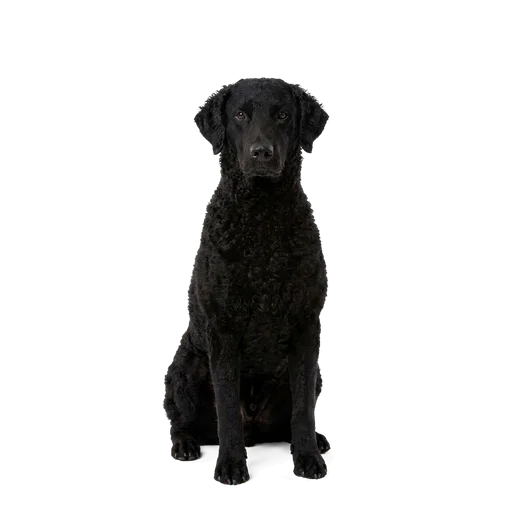
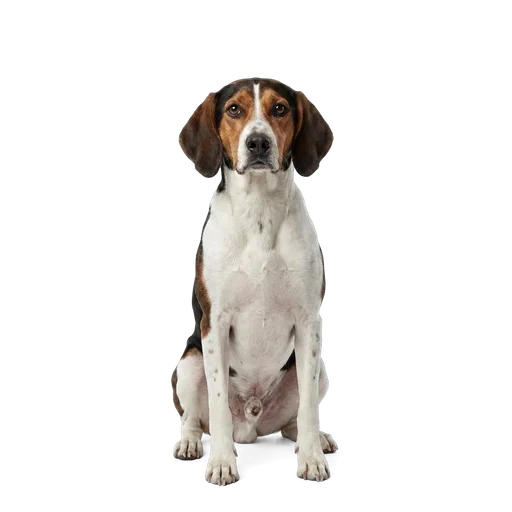
Deciding between similar breeds? Here is the Gordon Setter next to Curly-Coated Retriever and Treeing Walker Coonhound.
| Gordon Setter | Curly-Coated Retriever | Treeing Walker Coonhound | |
|---|---|---|---|
| Size | Large | Large | Large |
| Weight | 20-36 kg | 27-41 kg | 20-32 kg |
| Lifespan | 12-13 yrs | 10-12 yrs | 12-13 yrs |
| Activity | Active | Active | Active |
| Shedding | Medium | Medium | Medium |
| Good with kids | Yes | Yes | Yes |
| Apartment-friendly | No | No | No |
Frequently asked questions
Are Gordon Setters good family dogs?
Yes, for an active family that can meet their exercise needs. Gordons are affectionate and loyal at home and generally good with children they have grown up with. They do tend to bond most closely with one person and can be reserved with strangers, so early socialization helps. Their size and energy mean supervision around small toddlers is wise.
How much exercise does a Gordon Setter need?
A lot. This is a working gundog bred for long days in the field, so plan on one to two hours of real activity daily, including off-lead running where it is safe, plus mental work like scent games or training. A Gordon that does not get enough exercise will usually become restless and destructive.
Do Gordon Setters shed a lot?
They shed a moderate amount year-round, with heavier seasonal sheds. The feathered coat needs brushing a few times a week to prevent mats, particularly around the ears, legs and tail. They are not hypoallergenic and are not a good match for people with dog allergies.
What health problems are Gordon Setters prone to?
The main concerns are hip and elbow dysplasia, progressive retinal atrophy (an inherited eye disease), hypothyroidism, a rare inherited neurological disease called cerebellar ataxia, and, as with many large breeds, bloat or GDV to watch for. Buying from a breeder who health-tests the parents and knowing the emergency signs of bloat are the two most important things you can do.
How long do Gordon Setters live?
Typically around 12 to 13 years. Keeping your dog at a healthy weight, staying on top of joint and thyroid health, feeding with bloat risk in mind as you would for any large breed, and keeping up with routine veterinary care all help a Gordon live a full, comfortable life.
Related breeds
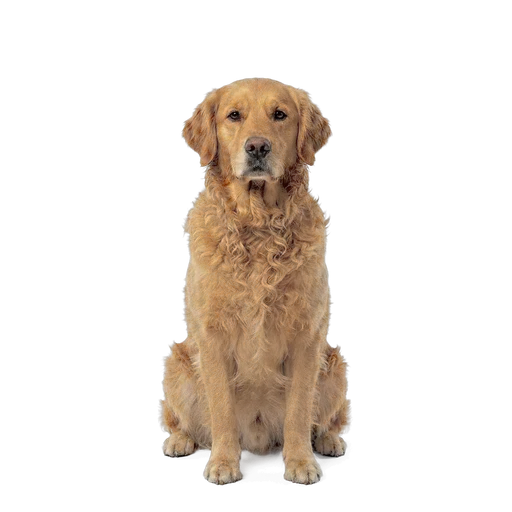
Health and care information is drawn from established veterinary sources and is general guidance, not veterinary advice. See our sources
Keep records for your Gordon Setter
Vaccinations, food and treat safety, allergy alerts and parasite reminders - all tracked for your Gordon Setter in the Pethls app.